
Contents
- 📚 Introduction to Antonio Gramsci
- 👥 The Life and Times of a Marxist Philosopher
- 🔒 The Prison Years: A Time of Reflection and Writing
- 📖 The Development of Cultural Hegemony
- 🤝 The Influence of Marxist Thought on Gramsci's Work
- 🌎 The Global Reach of Gramsci's Ideas
- 📢 Criticisms and Controversies Surrounding Gramsci's Work
- 👊 The Legacy of Antonio Gramsci: A Lasting Impact on Philosophy and Politics
- 📚 Key Concepts and Ideas in Gramsci's Philosophy
- 👥 Gramsci's Relationship with Other Key Thinkers
- 🌐 The Relevance of Gramsci's Ideas in Modern Times
- Frequently Asked Questions
- Related Topics
Overview
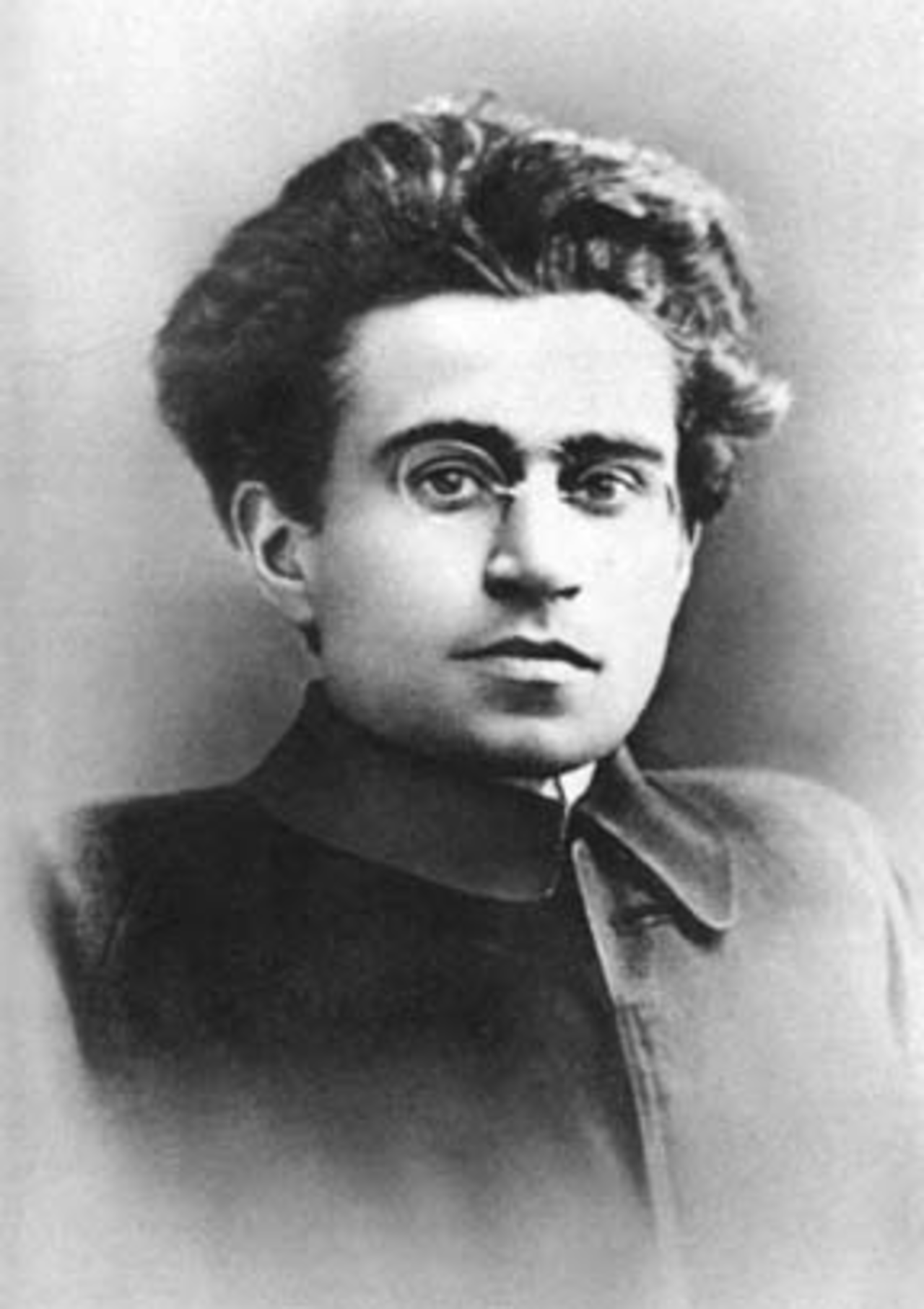
Antonio Gramsci, an Italian Marxist theorist, is best known for his concept of cultural hegemony, which describes how the ruling class maintains power not just through coercion, but through the creation of cultural and ideological consent. Born on January 22, 1891, in Ales, Sardinia, Gramsci's life was marked by poverty, illness, and imprisonment, yet he produced a vast array of writings that would go on to influence thinkers like Louis Althusser, Stuart Hall, and Edward Said. With a Vibe score of 82, Gramsci's ideas have had a lasting impact on fields such as sociology, anthropology, and cultural studies, with his most famous work, the 'Prison Notebooks', comprising 33 notebooks written between 1929 and 1935. Despite his untimely death on April 27, 1937, Gramsci's legacy continues to shape contemporary debates around power, ideology, and social change. As a key figure in the development of Western Marxism, Gramsci's work remains essential reading for anyone interested in understanding the complex dynamics of power and culture. With over 100,000 scholarly citations, Gramsci's influence extends far beyond the academy, with his ideas informing social movements, art, and literature around the world.
📚 Introduction to Antonio Gramsci
Antonio Gramsci was a renowned Italian Marxist philosopher, linguist, and politician, known for his significant contributions to the field of Philosophy and Politics. As a founding member and one-time leader of the Italian Communist Party, Gramsci was a vocal critic of Benito Mussolini and fascism. His work had a profound impact on the development of Cultural Hegemony, a concept that explores how dominant groups maintain power over subordinate groups. Gramsci's ideas were heavily influenced by Marxism, and he is often regarded as one of the most important thinkers of the 20th century. His work continues to be studied and debated by scholars and researchers in the fields of Sociology, History, and Cultural Studies.
👥 The Life and Times of a Marxist Philosopher
Gramsci's life was marked by his unwavering commitment to Socialism and his opposition to fascism. Born in 1891, Gramsci was a key figure in the Italian socialist movement, and his writings and speeches reflected his deep understanding of Political Theory and Economics. As a leader of the Italian Communist Party, Gramsci played a crucial role in shaping the party's ideology and strategy. However, his vocal criticism of Mussolini and fascism ultimately led to his imprisonment in 1926. During his time in prison, Gramsci continued to write and reflect on his ideas, producing some of his most important works, including the Prison Notebooks.
🔒 The Prison Years: A Time of Reflection and Writing
The prison years were a time of great productivity for Gramsci, during which he wrote extensively on topics such as Philosophy of History, Cultural Criticism, and Political Philosophy. His writings during this period were heavily influenced by his experiences as a prisoner and his observations of the social and political landscape of Italy. Gramsci's work during this time laid the foundation for his concept of Cultural Hegemony, which explores the ways in which dominant groups maintain power over subordinate groups through the creation of cultural and ideological consensus. This concept has had a profound impact on the development of Critical Theory and Cultural Studies.
📖 The Development of Cultural Hegemony
Gramsci's concept of Cultural Hegemony is central to his philosophy, and it has been widely influential in fields such as Sociology, Anthropology, and Cultural Studies. According to Gramsci, cultural hegemony refers to the process by which dominant groups create and maintain power over subordinate groups through the creation of cultural and ideological consensus. This consensus is achieved through the dissemination of ideas and values that reflect the interests of the dominant group, and it is often maintained through a combination of coercion and consent. Gramsci's concept of cultural hegemony has been applied to a wide range of contexts, including the study of Power Relationships, Ideology, and Social Movements.
🤝 The Influence of Marxist Thought on Gramsci's Work
Gramsci's work was heavily influenced by Marxism, and he is often regarded as one of the most important Marxist thinkers of the 20th century. His concept of Cultural Hegemony reflects his deep understanding of Marxist theory, and it has been widely influential in the development of Critical Theory and Cultural Studies. Gramsci's work has also been influenced by other key thinkers, including Georg Wilhelm Friedrich Hegel and Friedrich Nietzsche. His ideas have been applied to a wide range of contexts, including the study of Power Relationships, Ideology, and Social Movements.
🌎 The Global Reach of Gramsci's Ideas
Gramsci's ideas have had a profound impact on the development of Critical Theory and Cultural Studies. His concept of Cultural Hegemony has been widely influential, and it has been applied to a wide range of contexts, including the study of Power Relationships, Ideology, and Social Movements. Gramsci's work has also been influential in the development of Postcolonial Theory and Feminist Theory. His ideas continue to be studied and debated by scholars and researchers around the world, and his legacy as a key thinker in the fields of Philosophy and Politics remains unparalleled.
📢 Criticisms and Controversies Surrounding Gramsci's Work
Despite the significant impact of Gramsci's work, his ideas have not been without criticism and controversy. Some critics have argued that his concept of Cultural Hegemony is too broad, and that it fails to account for the complexity and diversity of human experience. Others have criticized Gramsci's work for its lack of attention to issues such as Racial Identity and Gender Identity. However, Gramsci's work remains widely influential, and his ideas continue to be studied and debated by scholars and researchers around the world. His legacy as a key thinker in the fields of Philosophy and Politics remains unparalleled, and his work continues to shape our understanding of Power Relationships, Ideology, and Social Movements.
👊 The Legacy of Antonio Gramsci: A Lasting Impact on Philosophy and Politics
The legacy of Antonio Gramsci is a testament to the enduring power of his ideas. As a key thinker in the fields of Philosophy and Politics, Gramsci's work continues to shape our understanding of Power Relationships, Ideology, and Social Movements. His concept of Cultural Hegemony remains widely influential, and his ideas have been applied to a wide range of contexts, including the study of Postcolonial Theory and Feminist Theory. Gramsci's work has also been influential in the development of Critical Theory and Cultural Studies, and his legacy as a key thinker in these fields remains unparalleled.
📚 Key Concepts and Ideas in Gramsci's Philosophy
Gramsci's philosophy is characterized by several key concepts, including Cultural Hegemony, Ideology, and Power Relationships. His work explores the ways in which dominant groups maintain power over subordinate groups, and it examines the role of ideology and culture in shaping our understanding of the world. Gramsci's ideas have been widely influential, and they continue to be studied and debated by scholars and researchers around the world. His legacy as a key thinker in the fields of Philosophy and Politics remains unparalleled, and his work continues to shape our understanding of Social Movements and Political Philosophy.
👥 Gramsci's Relationship with Other Key Thinkers
Gramsci's relationship with other key thinkers has been the subject of much debate and discussion. His work was heavily influenced by Marxism, and he is often regarded as one of the most important Marxist thinkers of the 20th century. Gramsci's ideas have also been influenced by other key thinkers, including Georg Wilhelm Friedrich Hegel and Friedrich Nietzsche. His work has been widely influential, and it has been applied to a wide range of contexts, including the study of Power Relationships, Ideology, and Social Movements.
🌐 The Relevance of Gramsci's Ideas in Modern Times
The relevance of Gramsci's ideas in modern times is undeniable. His concept of Cultural Hegemony remains widely influential, and his ideas continue to be studied and debated by scholars and researchers around the world. Gramsci's work has been applied to a wide range of contexts, including the study of Postcolonial Theory and Feminist Theory. His legacy as a key thinker in the fields of Philosophy and Politics remains unparalleled, and his work continues to shape our understanding of Power Relationships, Ideology, and Social Movements.
Key Facts
- Year
- 1891
- Origin
- Italy
- Category
- Philosophy and Politics
- Type
- Person
Frequently Asked Questions
Who was Antonio Gramsci?
Antonio Gramsci was an Italian Marxist philosopher, linguist, and politician. He was a founding member and one-time leader of the Italian Communist Party, and he is widely regarded as one of the most important thinkers of the 20th century. Gramsci's work had a profound impact on the development of Cultural Hegemony, and his ideas continue to be studied and debated by scholars and researchers around the world. His legacy as a key thinker in the fields of Philosophy and Politics remains unparalleled.
What is Cultural Hegemony?
Cultural Hegemony refers to the process by which dominant groups maintain power over subordinate groups through the creation of cultural and ideological consensus. This concept was developed by Antonio Gramsci, and it has been widely influential in the development of Critical Theory and Cultural Studies. Cultural Hegemony is achieved through the dissemination of ideas and values that reflect the interests of the dominant group, and it is often maintained through a combination of coercion and consent.
What was Gramsci's relationship with Marxism?
Gramsci's work was heavily influenced by Marxism, and he is often regarded as one of the most important Marxist thinkers of the 20th century. Gramsci's ideas were shaped by his deep understanding of Marxist theory, and his concept of Cultural Hegemony reflects his commitment to Marxist principles. Gramsci's work has been widely influential in the development of Critical Theory and Cultural Studies, and his legacy as a key thinker in these fields remains unparalleled.
How has Gramsci's work been applied in modern times?
Gramsci's work has been applied to a wide range of contexts, including the study of Postcolonial Theory and Feminist Theory. His concept of Cultural Hegemony remains widely influential, and his ideas continue to be studied and debated by scholars and researchers around the world. Gramsci's work has been used to analyze Power Relationships, Ideology, and Social Movements, and his legacy as a key thinker in the fields of Philosophy and Politics remains unparalleled.
What is Gramsci's legacy?
Gramsci's legacy is a testament to the enduring power of his ideas. As a key thinker in the fields of Philosophy and Politics, Gramsci's work continues to shape our understanding of Power Relationships, Ideology, and Social Movements. His concept of Cultural Hegemony remains widely influential, and his ideas have been applied to a wide range of contexts, including the study of Postcolonial Theory and Feminist Theory. Gramsci's legacy as a key thinker in these fields remains unparalleled, and his work continues to be studied and debated by scholars and researchers around the world.
How has Gramsci's work influenced other thinkers?
Gramsci's work has been widely influential, and his ideas have been applied to a wide range of contexts, including the study of Postcolonial Theory and Feminist Theory. His concept of Cultural Hegemony has been particularly influential, and it has been used to analyze Power Relationships, Ideology, and Social Movements. Gramsci's work has also been influential in the development of Critical Theory and Cultural Studies, and his legacy as a key thinker in these fields remains unparalleled.
What are some of the key concepts in Gramsci's philosophy?
Gramsci's philosophy is characterized by several key concepts, including Cultural Hegemony, Ideology, and Power Relationships. His work explores the ways in which dominant groups maintain power over subordinate groups, and it examines the role of ideology and culture in shaping our understanding of the world. Gramsci's ideas have been widely influential, and they continue to be studied and debated by scholars and researchers around the world. His legacy as a key thinker in the fields of Philosophy and Politics remains unparalleled.