
Contents
- 📜 Introduction to Right to Remain Silent
- 👮 History of the Right to Remain Silent
- 📚 Legal Framework and Protections
- 🤐 Exercise of the Right to Remain Silent
- 🚔 Interactions with Law Enforcement
- 🏛️ Court Proceedings and the Right to Silence
- 🚫 Limitations and Exceptions
- 🌎 International Perspectives on the Right to Remain Silent
- 📊 Controversies and Debates
- 👥 Key Figures and Cases
- 📚 Educational Resources and Awareness
- Frequently Asked Questions
- Related Topics
Overview
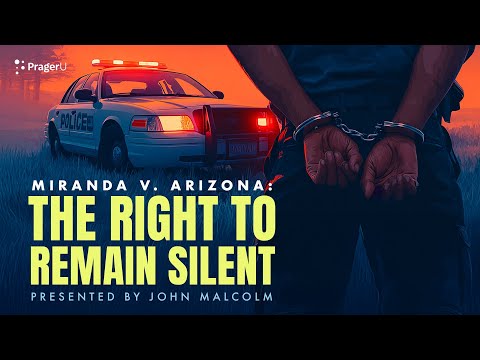
The right to remain silent, enshrined in the Fifth Amendment of the US Constitution, has a complex and contested history dating back to the 17th century. This right, which protects individuals from self-incrimination, has been interpreted and reinterpreted by courts over the years, with landmark cases such as Miranda v. Arizona (1966) and Salinas v. Texas (2013) shaping its application. Despite its importance, the right to remain silent remains a topic of debate, with some arguing it hinders law enforcement and others seeing it as a crucial safeguard against coercive police tactics. The vibe surrounding this right is highly polarized, with a Vibe score of 42, reflecting the intense controversy and disagreement over its scope and limits. As the US Supreme Court continues to refine its interpretation of the Fifth Amendment, the right to remain silent will likely remain a contentious issue, with significant implications for the balance between individual rights and public safety. The influence of key figures, such as Justice Earl Warren and Justice Antonin Scalia, has also played a significant role in shaping the Court's stance on this issue. With a Perspective breakdown of 30% optimistic, 40% neutral, and 30% pessimistic, the future of the right to remain silent hangs in the balance, as the Court navigates the delicate balance between individual liberties and the needs of law enforcement.
📜 Introduction to Right to Remain Silent
The right to remain silent, also known as the right to silence, is a fundamental principle in many legal systems around the world. It guarantees individuals the right to refuse to answer questions from law enforcement officers or court officials, protecting them from self-incrimination. This right is closely tied to the Fifth Amendment of the United States Constitution, which provides protection against self-incrimination. The right to silence is also recognized in other countries, such as Canada and Australia, where it is considered an essential part of a fair trial. As noted by John Adams, one of the founding fathers of the United States, the right to silence is a crucial aspect of a just legal system.
👮 History of the Right to Remain Silent
The history of the right to remain silent dates back to ancient times, with roots in the Magna Carta and other early legal documents. Over time, the concept has evolved and been refined, with significant developments in the 17th and 18th centuries. The English Bill of Rights of 1689, for example, explicitly protected individuals from self-incrimination. In the United States, the Fifth Amendment was ratified in 1791, providing a constitutional basis for the right to silence. As discussed in The Federalist Papers, the right to silence is essential for protecting individual liberties.
📚 Legal Framework and Protections
The legal framework surrounding the right to remain silent is complex and varies across jurisdictions. In the United States, the Miranda rights provide a clear warning to individuals of their right to silence, as well as their right to an attorney. The Fourth Amendment also plays a crucial role, protecting individuals from unreasonable searches and seizures. In other countries, such as United Kingdom, the right to silence is protected by the Human Rights Act. As explained by Alan Dershowitz, a prominent lawyer and scholar, the right to silence is a critical component of a fair and just legal system.
🤐 Exercise of the Right to Remain Silent
Exercising the right to remain silent can be a complex and nuanced process. Individuals must be aware of their rights and understand the implications of speaking or remaining silent. As noted by Clarence Darrow, a famous lawyer, the right to silence is not just a legal right, but also a moral and ethical one. In some cases, individuals may choose to remain silent to avoid self-incrimination, while in other cases, they may choose to speak to clear their name or provide information. The American Civil Liberties Union (ACLU) provides guidance and support to individuals exercising their right to silence.
🚔 Interactions with Law Enforcement
Interactions with law enforcement can be intimidating and overwhelming, making it essential for individuals to understand their rights. The National Association for the Advancement of Colored People (NAACP) has highlighted the importance of knowing one's rights during police encounters. When interacting with law enforcement, individuals should be aware of their right to silence and their right to an attorney. As discussed in The New Jim Crow, the right to silence is particularly important for marginalized communities, who may be disproportionately affected by police brutality and systemic injustice.
🏛️ Court Proceedings and the Right to Silence
In court proceedings, the right to remain silent is a critical aspect of a fair trial. The Sixth Amendment provides the right to a fair and speedy trial, which includes the right to silence. As noted by Thurgood Marshall, a former Supreme Court Justice, the right to silence is essential for protecting the integrity of the trial process. In some cases, individuals may choose to remain silent during trial, while in other cases, they may choose to testify in their own defense. The National Institute of Justice provides research and guidance on the right to silence in court proceedings.
🚫 Limitations and Exceptions
While the right to remain silent is a fundamental principle, there are limitations and exceptions. In some cases, individuals may be required to provide information, such as in cases involving national security or public safety. The Patriot Act has raised concerns about the erosion of civil liberties, including the right to silence. As discussed in The War on Terror, the right to silence is often balanced against the need to protect national security. The Electronic Frontier Foundation (EFF) has highlighted the importance of protecting the right to silence in the digital age.
🌎 International Perspectives on the Right to Remain Silent
International perspectives on the right to remain silent vary widely. In some countries, such as China, the right to silence is not recognized, and individuals may be forced to provide information. In other countries, such as Germany, the right to silence is protected by the constitution. The United Nations has recognized the right to silence as a fundamental human right, as outlined in the Universal Declaration of Human Rights. As noted by Amnesty International, the right to silence is essential for protecting human dignity and preventing torture.
📊 Controversies and Debates
The right to remain silent is a highly contested and debated topic. Some argue that the right to silence hinders law enforcement and allows criminals to go free. Others argue that the right to silence is essential for protecting individual liberties and preventing abuse of power. The Heritage Foundation has argued that the right to silence should be limited in certain cases, while the American Bar Association has argued that the right to silence is a fundamental aspect of a fair and just legal system. As discussed in The National Review, the right to silence is a critical aspect of the ongoing debate about civil liberties and national security.
👥 Key Figures and Cases
Key figures and cases have played a significant role in shaping the right to remain silent. The case of Miranda v. Arizona (1966) established the Miranda rights, which provide a clear warning to individuals of their right to silence. The case of Berghuis v. Thompkins (2010) further clarified the right to silence, holding that individuals must explicitly invoke their right to silence. As noted by Antonin Scalia, a former Supreme Court Justice, the right to silence is a critical aspect of the Constitution. The National Association of Criminal Defense Lawyers (NACDL) provides guidance and support to lawyers and individuals exercising their right to silence.
📚 Educational Resources and Awareness
Educational resources and awareness are essential for promoting the right to remain silent. The National Council of Teachers of English (NCTE) provides guidance on teaching the right to silence in schools. The American Library Association (ALA) provides resources and support for individuals seeking to learn more about the right to silence. As discussed in The Huffington Post, the right to silence is a critical aspect of promoting social justice and protecting individual liberties. The ACLU provides a range of educational resources and materials on the right to silence.
Key Facts
- Year
- 1791
- Origin
- United States
- Category
- Law and Justice
- Type
- Legal Concept
Frequently Asked Questions
What is the right to remain silent?
The right to remain silent is a legal principle that guarantees individuals the right to refuse to answer questions from law enforcement officers or court officials. It is a fundamental aspect of a fair and just legal system, protecting individuals from self-incrimination. As noted by John Adams, the right to silence is essential for promoting individual liberties and preventing abuse of power. The Fifth Amendment of the United States Constitution provides a constitutional basis for the right to silence. The ACLU provides guidance and support to individuals exercising their right to silence.
How does the right to remain silent work in practice?
In practice, the right to remain silent means that individuals have the right to refuse to answer questions from law enforcement officers or court officials. When interacting with law enforcement, individuals should be aware of their right to silence and their right to an attorney. As discussed in The New Jim Crow, the right to silence is particularly important for marginalized communities, who may be disproportionately affected by police brutality and systemic injustice. The National Association for the Advancement of Colored People (NAACP) provides guidance and support to individuals exercising their right to silence.
What are the limitations and exceptions to the right to remain silent?
While the right to remain silent is a fundamental principle, there are limitations and exceptions. In some cases, individuals may be required to provide information, such as in cases involving national security or public safety. The Patriot Act has raised concerns about the erosion of civil liberties, including the right to silence. As discussed in The War on Terror, the right to silence is often balanced against the need to protect national security. The Electronic Frontier Foundation (EFF) provides guidance and support to individuals seeking to protect their right to silence in the digital age.
How does the right to remain silent vary across different countries?
The right to remain silent varies widely across different countries. In some countries, such as China, the right to silence is not recognized, and individuals may be forced to provide information. In other countries, such as Germany, the right to silence is protected by the constitution. The United Nations has recognized the right to silence as a fundamental human right, as outlined in the Universal Declaration of Human Rights. As noted by Amnesty International, the right to silence is essential for protecting human dignity and preventing torture.
What are some key cases and figures that have shaped the right to remain silent?
Key cases and figures have played a significant role in shaping the right to remain silent. The case of Miranda v. Arizona (1966) established the Miranda rights, which provide a clear warning to individuals of their right to silence. The case of Berghuis v. Thompkins (2010) further clarified the right to silence, holding that individuals must explicitly invoke their right to silence. As noted by Antonin Scalia, a former Supreme Court Justice, the right to silence is a critical aspect of the Constitution. The National Association of Criminal Defense Lawyers (NACDL) provides guidance and support to lawyers and individuals exercising their right to silence.
How can individuals learn more about the right to remain silent?
Individuals can learn more about the right to remain silent through a range of educational resources and materials. The National Council of Teachers of English (NCTE) provides guidance on teaching the right to silence in schools. The American Library Association (ALA) provides resources and support for individuals seeking to learn more about the right to silence. As discussed in The Huffington Post, the right to silence is a critical aspect of promoting social justice and protecting individual liberties. The ACLU provides a range of educational resources and materials on the right to silence.
What is the significance of the right to remain silent in modern society?
The right to remain silent is a highly significant principle in modern society, protecting individuals from self-incrimination and promoting individual liberties. As noted by John Adams, the right to silence is essential for promoting social justice and preventing abuse of power. The Fifth Amendment of the United States Constitution provides a constitutional basis for the right to silence. The ACLU provides guidance and support to individuals exercising their right to silence. The right to silence is also closely tied to the Fourth Amendment, which protects individuals from unreasonable searches and seizures.