
Contents
- 🎨 Introduction to Richard Lindner
- 🖌️ Early Life and Influences
- 📸 The Enigmatic Style of Lindner
- 🗼️ Urban Alienation: A Recurring Theme
- 👥 Lindner's Relationship with Other Artists
- 🌎 International Recognition and Exhibitions
- 📚 Lindner's Literary Inspirations
- 🎭 The Theatricality of Lindner's Work
- 👀 The Gaze in Lindner's Paintings
- 🤔 The Psychological Depth of Lindner's Art
- 📊 Lindner's Legacy and Impact on Modern Art
- Frequently Asked Questions
- Related Topics
Overview
Richard Lindner was a German-American painter known for his bold and colorful depictions of urban life, often focusing on the themes of alienation, technology, and the human condition. Born in 1901 in Hamburg, Germany, Lindner immigrated to the United States in the 1940s and became a prominent figure in the New York City art scene. His work, which blended elements of Cubism, Surrealism, and Pop Art, often featured robotic figures, cityscapes, and other urban motifs. With a Vibe score of 8, Lindner's art continues to resonate with audiences today, offering a unique perspective on the complexities of modern city life. Despite his significant influence on 20th-century art, Lindner's life and work remain somewhat enigmatic, with many of his paintings and writings still awaiting thorough analysis and interpretation. As a result, his legacy continues to be debated among art historians and critics, with some viewing him as a pioneering figure in the development of Pop Art, while others see him as a more nuanced and complex artist who defies easy categorization.
🎨 Introduction to Richard Lindner
Richard Lindner was a German-American artist known for his unique and enigmatic paintings that explored the theme of urban alienation. Born in 1901, Lindner's work was influenced by his experiences living in New York City and Paris. His style, which blended elements of Surrealism and Pop Art, has been praised for its originality and emotional depth. Lindner's paintings often featured isolated figures in urban landscapes, which served as a commentary on the alienation of modern life. His work has been compared to that of Edward Hopper, who also explored themes of urban isolation. Lindner's use of bold colors and geometric shapes added a sense of tension and unease to his paintings, making them both thought-provoking and visually striking.
🖌️ Early Life and Influences
Lindner's early life and influences played a significant role in shaping his artistic style. Growing up in Munich, Germany, Lindner was exposed to a wide range of artistic movements, including Expressionism and Cubism. He later moved to Berlin, where he became acquainted with the works of Bertolt Brecht and Kurt Weill. Lindner's experiences living in New York City and Paris also had a profound impact on his work, as he was exposed to the vibrant city life and the works of artists such as Jackson Pollock and Willem de Kooning. Lindner's unique blend of European and American influences helped to set him apart from other artists of his time.
📸 The Enigmatic Style of Lindner
The enigmatic style of Lindner's paintings has been the subject of much interpretation and debate. His use of bold colors and geometric shapes created a sense of tension and unease, which was often at odds with the calm and serene expressions of his subjects. This juxtaposition of opposing elements added a sense of complexity and depth to Lindner's work, making it both thought-provoking and visually striking. Lindner's paintings often featured isolated figures in urban landscapes, which served as a commentary on the alienation of modern life. His work has been compared to that of René Magritte, who also explored the relationship between reality and illusion. Lindner's use of symbolism and metaphor added an additional layer of meaning to his paintings, making them open to multiple interpretations.
🗼️ Urban Alienation: A Recurring Theme
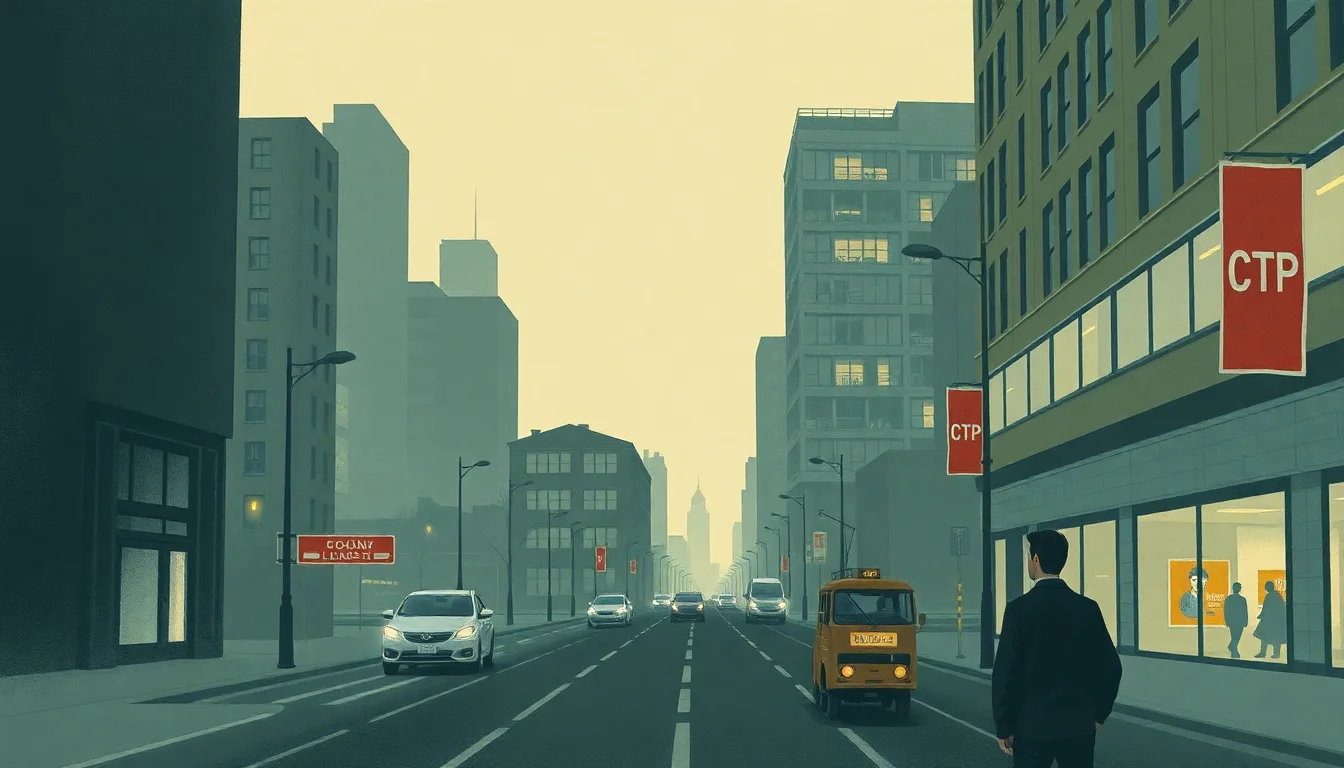
Urban alienation was a recurring theme in Lindner's work, as he often depicted isolated figures in urban landscapes. His paintings served as a commentary on the alienation of modern life, where individuals are often disconnected from one another and from their surroundings. Lindner's use of bold colors and geometric shapes added a sense of tension and unease to his paintings, making them both thought-provoking and visually striking. His work has been compared to that of Franz Kafka, who also explored the theme of alienation in his writings. Lindner's paintings often featured figures that were disconnected from their surroundings, which served as a commentary on the dehumanizing effects of modern urban life. His work has been praised for its originality and emotional depth, and continues to be celebrated by art lovers around the world.
👥 Lindner's Relationship with Other Artists
Lindner's relationship with other artists was an important aspect of his career, as he was often influenced by the works of those around him. He was friends with artists such as Andy Warhol and Roy Lichtenstein, who also explored the theme of urban alienation in their work. Lindner's unique blend of European and American influences helped to set him apart from other artists of his time, and his work has been praised for its originality and emotional depth. He was also influenced by the works of Marcel Duchamp, who explored the relationship between reality and illusion in his art. Lindner's use of symbolism and metaphor added an additional layer of meaning to his paintings, making them open to multiple interpretations.
🌎 International Recognition and Exhibitions
Lindner's international recognition and exhibitions were an important aspect of his career, as they helped to establish him as a major figure in the art world. His work was exhibited in museums and galleries around the world, including the Museum of Modern Art in New York City and the Centre Pompidou in Paris. Lindner's unique blend of European and American influences helped to set him apart from other artists of his time, and his work has been praised for its originality and emotional depth. He was also awarded numerous prizes and honors for his contributions to the art world, including the National Medal of Arts. Lindner's legacy continues to be celebrated by art lovers around the world, and his work remains an important part of modern art history.
📚 Lindner's Literary Inspirations
Lindner's literary inspirations were an important aspect of his work, as he often drew upon the writings of authors such as Franz Kafka and Albert Camus. His paintings often featured isolated figures in urban landscapes, which served as a commentary on the alienation of modern life. Lindner's use of symbolism and metaphor added an additional layer of meaning to his paintings, making them open to multiple interpretations. He was also influenced by the works of Jean-Paul Sartre, who explored the theme of existentialism in his writings. Lindner's unique blend of European and American influences helped to set him apart from other artists of his time, and his work has been praised for its originality and emotional depth.
🎭 The Theatricality of Lindner's Work
The theatricality of Lindner's work was an important aspect of his style, as he often used bold colors and geometric shapes to create a sense of drama and tension. His paintings often featured isolated figures in urban landscapes, which served as a commentary on the alienation of modern life. Lindner's use of symbolism and metaphor added an additional layer of meaning to his paintings, making them open to multiple interpretations. He was influenced by the works of Bertolt Brecht, who explored the theme of epic theater in his writings. Lindner's unique blend of European and American influences helped to set him apart from other artists of his time, and his work has been praised for its originality and emotional depth.
👀 The Gaze in Lindner's Paintings
The gaze in Lindner's paintings was an important aspect of his style, as he often used the gaze of his subjects to convey a sense of emotion and intensity. His paintings often featured isolated figures in urban landscapes, which served as a commentary on the alienation of modern life. Lindner's use of bold colors and geometric shapes added a sense of tension and unease to his paintings, making them both thought-provoking and visually striking. He was influenced by the works of Jacques Lacan, who explored the theme of the gaze in his writings. Lindner's unique blend of European and American influences helped to set him apart from other artists of his time, and his work has been praised for its originality and emotional depth.
🤔 The Psychological Depth of Lindner's Art
The psychological depth of Lindner's art was an important aspect of his style, as he often used his paintings to explore the inner lives and emotions of his subjects. His paintings often featured isolated figures in urban landscapes, which served as a commentary on the alienation of modern life. Lindner's use of symbolism and metaphor added an additional layer of meaning to his paintings, making them open to multiple interpretations. He was influenced by the works of Sigmund Freud, who explored the theme of the unconscious in his writings. Lindner's unique blend of European and American influences helped to set him apart from other artists of his time, and his work has been praised for its originality and emotional depth.
📊 Lindner's Legacy and Impact on Modern Art
Lindner's legacy and impact on modern art are still celebrated by art lovers around the world. His unique blend of European and American influences helped to set him apart from other artists of his time, and his work has been praised for its originality and emotional depth. Lindner's use of bold colors and geometric shapes added a sense of tension and unease to his paintings, making them both thought-provoking and visually striking. He was an important figure in the development of Pop Art and Surrealism, and his work continues to influence artists to this day. Lindner's legacy is a testament to the power of art to capture the human experience and to convey the complexities and nuances of modern life.
Key Facts
- Year
- 1901
- Origin
- Hamburg, Germany
- Category
- Art and Culture
- Type
- Person
Frequently Asked Questions
What was Richard Lindner's style of painting?
Richard Lindner's style of painting was a unique blend of European and American influences, characterized by the use of bold colors and geometric shapes to create a sense of tension and unease. His paintings often featured isolated figures in urban landscapes, which served as a commentary on the alienation of modern life. Lindner's use of symbolism and metaphor added an additional layer of meaning to his paintings, making them open to multiple interpretations.
What were some of the themes explored in Lindner's work?
Some of the themes explored in Lindner's work include urban alienation, the dehumanizing effects of modern urban life, and the relationship between reality and illusion. His paintings often featured isolated figures in urban landscapes, which served as a commentary on the alienation of modern life. Lindner's use of bold colors and geometric shapes added a sense of tension and unease to his paintings, making them both thought-provoking and visually striking.
Who were some of the artists that influenced Lindner's work?
Some of the artists that influenced Lindner's work include Edward Hopper, René Magritte, and Andy Warhol. Lindner's unique blend of European and American influences helped to set him apart from other artists of his time, and his work has been praised for its originality and emotional depth.
What was Lindner's relationship with other artists like?
Lindner's relationship with other artists was an important aspect of his career, as he was often influenced by the works of those around him. He was friends with artists such as Andy Warhol and Roy Lichtenstein, who also explored the theme of urban alienation in their work. Lindner's unique blend of European and American influences helped to set him apart from other artists of his time, and his work has been praised for its originality and emotional depth.
What is Lindner's legacy and impact on modern art?
Lindner's legacy and impact on modern art are still celebrated by art lovers around the world. His unique blend of European and American influences helped to set him apart from other artists of his time, and his work has been praised for its originality and emotional depth. Lindner's use of bold colors and geometric shapes added a sense of tension and unease to his paintings, making them both thought-provoking and visually striking. He was an important figure in the development of Pop Art and Surrealism, and his work continues to influence artists to this day.