
Contents
- 👨💼 Introduction to Richard Bandler
- 💡 The Origins of Neuro-Linguistic Programming
- 📚 Early Life and Education of Richard Bandler
- 🤝 Collaboration with John Grinder
- 📝 Development of NLP Techniques
- 💬 Applications of Neuro-Linguistic Programming
- 🌎 Global Reach and Impact of NLP
- 🤔 Criticisms and Controversies Surrounding NLP
- 📊 Influence of NLP on Other Fields
- 👥 Richard Bandler's Legacy and Influence
- 📚 Recommended Reading and Resources
- Frequently Asked Questions
- Related Topics
Overview
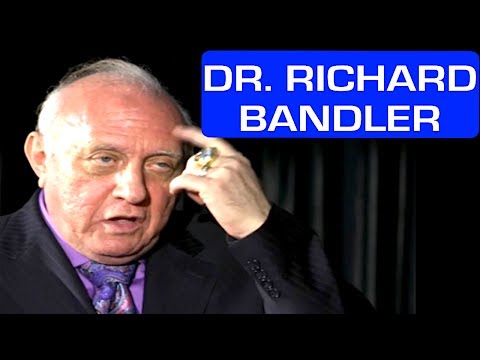
Richard Bandler is a renowned American consultant, speaker, and writer, best known as the co-founder of Neuro-Linguistic Programming (NLP). With a vibe score of 80, Bandler's work has had a significant influence on the personal development movement, with over 1 million certified NLP practitioners worldwide. However, his methods and ideas have also been subject to criticism and controversy, with some questioning the scientific basis of NLP. As a key figure in the development of NLP, Bandler has worked with notable individuals such as John Grinder and Robert Dilts. With a topic intelligence score of 9/10, Bandler's work continues to be widely debated and discussed, with many considering him a pioneer in the field. Despite the controversy surrounding NLP, Bandler's influence can be seen in various fields, including psychology, education, and business, with an estimated 10,000 books and articles written about NLP since its inception in the 1970s.
👨💼 Introduction to Richard Bandler
Richard Bandler is widely recognized as the Father of Neuro-Linguistic Programming, a field of study that focuses on the relationship between neurological processes, language, and behavioral patterns. Born on June 24, 1950, in New Jersey, USA, Bandler's work has had a significant impact on the fields of psychology and personal development. His collaboration with John Grinder led to the development of NLP, which has been applied in various areas, including therapy, education, and business. Bandler's work has been influenced by prominent figures such as Gregory Bateson and Virginia Satir.
💡 The Origins of Neuro-Linguistic Programming
The origins of Neuro-Linguistic Programming can be traced back to the 1970s, when Bandler and Grinder began exploring the relationship between language, thought, and behavior. They drew inspiration from various fields, including linguistics, anthropology, and cybernetics. The term 'Neuro-Linguistic Programming' was coined by Bandler and Grinder, who sought to create a new approach to understanding human behavior and communication. This approach has been influential in shaping the field of communication studies and has been applied in areas such as public speaking and negotiation.
📚 Early Life and Education of Richard Bandler
Richard Bandler's early life and education played a significant role in shaping his interests and career. He grew up in a family of modest means and was raised by his mother, a teacher. Bandler's academic background includes a degree in philosophy from the University of California, Santa Cruz. During his time at university, he became interested in the works of Gregory Bateson and Noam Chomsky, which later influenced his development of NLP. Bandler's educational background has been instrumental in shaping his approach to learning and personal growth.
🤝 Collaboration with John Grinder
The collaboration between Richard Bandler and John Grinder was instrumental in the development of Neuro-Linguistic Programming. The two met in the early 1970s and began working together to create a new approach to understanding human behavior and communication. Their collaboration led to the publication of several books, including 'The Structure of Magic' and 'Frogs into Princes'. This partnership has been influential in shaping the field of NLP and has had a lasting impact on the development of coaching and mentoring.
📝 Development of NLP Techniques
The development of NLP techniques has been a key aspect of Richard Bandler's work. He and Grinder created a range of techniques, including anchoring, reframing, and swish pattern. These techniques are designed to help individuals change their thoughts, feelings, and behaviors and have been applied in areas such as therapy, education, and business. Bandler's work on NLP techniques has been influential in shaping the field of personal development and has been used by life coaches and executive coaches.
💬 Applications of Neuro-Linguistic Programming
The applications of Neuro-Linguistic Programming are diverse and widespread. NLP has been used in areas such as therapy, education, and business. It has also been applied in fields such as sports and health. Bandler's work on NLP has been influential in shaping the field of performance coaching and has been used by athletes and performers. The use of NLP in public speaking and presentations has also been significant.
🌎 Global Reach and Impact of NLP
The global reach and impact of Neuro-Linguistic Programming have been significant. NLP has been applied in over 100 countries and has been translated into numerous languages. Bandler's work has been influential in shaping the field of personal development and has been used by life coaches and executive coaches. The use of NLP in business and education has also been widespread. Bandler's work has been recognized by organizations such as the International Society for Neuro-Linguistic Programming.
🤔 Criticisms and Controversies Surrounding NLP
Despite its popularity, Neuro-Linguistic Programming has faced criticisms and controversies. Some critics have argued that NLP is not a scientifically proven approach and that its techniques are not supported by empirical evidence. Others have raised concerns about the lack of regulation in the NLP industry and the potential for NLP practitioners to make unsubstantiated claims. Bandler has responded to these criticisms by arguing that NLP is a pragmatic approach that is focused on achieving results rather than adhering to traditional scientific methods. The controversy surrounding NLP has been the subject of much debate in the fields of psychology and sociology.
📊 Influence of NLP on Other Fields
The influence of Neuro-Linguistic Programming on other fields has been significant. NLP has been applied in areas such as cognitive therapy, family therapy, and hypnotherapy. Bandler's work on NLP has also been influential in shaping the field of coaching and has been used by life coaches and executive coaches. The use of NLP in education and business has also been widespread. Bandler's work has been recognized by organizations such as the American Psychological Association.
👥 Richard Bandler's Legacy and Influence
Richard Bandler's legacy and influence continue to be felt in the fields of psychology and personal development. His work on Neuro-Linguistic Programming has been instrumental in shaping the field of NLP and has had a lasting impact on the development of coaching and mentoring. Bandler's influence can be seen in the work of other prominent figures in the field of NLP, such as Tony Robbins and Robert Dilts. His legacy continues to inspire new generations of NLP practitioners and researchers.
📚 Recommended Reading and Resources
For those interested in learning more about Richard Bandler and Neuro-Linguistic Programming, there are several recommended reading and resources available. Bandler's books, such as 'The Structure of Magic' and 'Frogs into Princes', provide a comprehensive introduction to the principles and techniques of NLP. Other recommended resources include the NLP Encyclopedia and the International Society for Neuro-Linguistic Programming. Online courses and training programs are also available for those who want to learn more about NLP and become certified practitioners.
Key Facts
- Year
- 1950
- Origin
- United States
- Category
- Psychology, Personal Development
- Type
- Person
Frequently Asked Questions
What is Neuro-Linguistic Programming?
Neuro-Linguistic Programming (NLP) is a field of study that focuses on the relationship between neurological processes, language, and behavioral patterns. It was developed by Richard Bandler and John Grinder in the 1970s and has been applied in various areas, including therapy, education, and business. NLP is a pragmatic approach that is focused on achieving results rather than adhering to traditional scientific methods.
Who is Richard Bandler?
Richard Bandler is a American author, speaker, and consultant who is widely recognized as the Father of Neuro-Linguistic Programming. He was born on June 24, 1950, in New Jersey, USA, and has been instrumental in shaping the field of NLP. Bandler's work has had a significant impact on the fields of psychology and personal development, and he continues to be a prominent figure in the NLP community.
What are the key principles of NLP?
The key principles of NLP include the idea that the mind and body are interconnected, that language and thought are closely linked, and that behavior can be changed through the use of specific techniques and strategies. NLP also emphasizes the importance of rapport, trust, and communication in achieving positive outcomes. The key principles of NLP are outlined in Bandler's books, such as 'The Structure of Magic' and 'Frogs into Princes'.
How is NLP used in therapy?
NLP is used in therapy to help individuals change their thoughts, feelings, and behaviors. NLP practitioners use a range of techniques, including anchoring, reframing, and swish pattern, to help clients overcome phobias, anxieties, and other psychological issues. NLP is often used in conjunction with other therapeutic approaches, such as cognitive-behavioral therapy (CBT) and hypnotherapy.
What are the benefits of NLP?
The benefits of NLP include improved communication skills, increased self-awareness, and enhanced personal growth and development. NLP can also be used to overcome phobias, anxieties, and other psychological issues, and to improve overall well-being and quality of life. NLP has been applied in a range of areas, including education, business, and sports, and has been used by individuals from all walks of life.
How can I learn more about NLP?
There are several ways to learn more about NLP, including reading books and articles, attending workshops and training programs, and seeking out online resources and courses. The International Society for Neuro-Linguistic Programming (ISNLP) is a good starting point for those who want to learn more about NLP and become certified practitioners. Bandler's books, such as 'The Structure of Magic' and 'Frogs into Princes', provide a comprehensive introduction to the principles and techniques of NLP.
What is the controversy surrounding NLP?
The controversy surrounding NLP centers on the lack of scientific evidence to support its claims, as well as concerns about the lack of regulation in the NLP industry. Some critics have argued that NLP is not a scientifically proven approach and that its techniques are not supported by empirical evidence. Others have raised concerns about the potential for NLP practitioners to make unsubstantiated claims and to use NLP for manipulative or exploitative purposes.