
Contents
- 🔬 Introduction to Research Funds
- 💡 The History of Research Funding
- 📊 Types of Research Funds
- 🌎 Global Research Funding Initiatives
- 📈 The Impact of Research Funds on Innovation
- 🚀 Fueling Discovery: Success Stories
- 🤝 Collaboration and Partnerships
- 📊 Challenges and Controversies in Research Funding
- 🔮 The Future of Research Funding
- 📊 Measuring the Effectiveness of Research Funds
- 🌐 International Cooperation and Research Funding
- Frequently Asked Questions
- Related Topics
Overview
Research funds are specialized financial vehicles designed to support scientific inquiry, technological advancement, and innovation. These funds can be sourced from government agencies, private organizations, foundations, and individuals, with the goal of driving progress in various fields such as medicine, environmental science, and engineering. The allocation of research funds is often a subject of debate, with some arguing that more should be invested in applied research to address immediate societal needs, while others advocate for basic research to expand our fundamental understanding of the world. According to the National Science Foundation, the global research and development expenditure reached $2.2 trillion in 2020, with the United States, China, and Japan being the top three investors. The impact of research funds can be seen in breakthroughs such as the development of COVID-19 vaccines, which were accelerated by significant investments from governments and private entities. As we move forward, the strategic allocation of research funds will play a crucial role in tackling complex challenges like climate change and ensuring global competitiveness.
🔬 Introduction to Research Funds
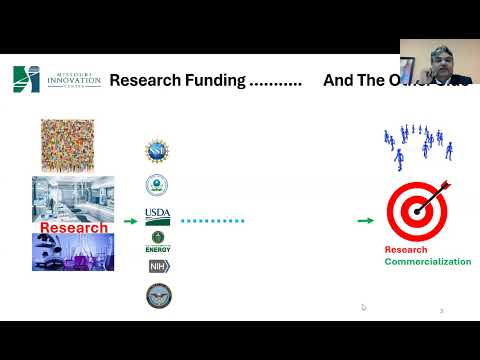
Research funds are a crucial component of the scientific community, providing the necessary resources for researchers to explore new ideas and push the boundaries of human knowledge. The National Science Foundation (NSF) is one of the primary sources of research funding in the United States, supporting a wide range of scientific disciplines, from artificial intelligence to climate change research. The European Research Council (ERC) is another prominent research funding agency, providing grants to top researchers across Europe. With the help of these funds, scientists can conduct experiments, collect data, and analyze results, ultimately leading to groundbreaking discoveries and innovations. For instance, the Human Genome Project was made possible through significant research funding, and its findings have had a profound impact on our understanding of genetics and genomics.
💡 The History of Research Funding
The history of research funding dates back to the early 20th century, when governments and private organizations began to recognize the importance of scientific research in driving economic growth and improving human lives. The Rockefeller Foundation was one of the first private foundations to provide research grants, supporting pioneering work in public health and medical research. The National Institutes of Health (NIH) was established in 1930, and it has since become a leading source of research funding for biomedical sciences, including cancer research and infectious diseases. The space race of the 1950s and 1960s also drove significant investment in research funding, as governments sought to advance their space exploration capabilities and develop new technologies. Today, research funding is a global phenomenon, with countries and organizations around the world investing in scientific research and innovation, including renewable energy and sustainable development.
📊 Types of Research Funds
There are several types of research funds, each with its own specific goals and requirements. Government funding is one of the primary sources of research support, with agencies such as the NSF and NIH providing grants to researchers and institutions. Private funding is another important source, with foundations, corporations, and individuals supporting research in various fields, including biotechnology and nanotechnology. Crowdfunding has also become a popular way for researchers to secure funding, particularly for smaller projects or those that may not be eligible for traditional funding sources. Additionally, philanthropic funding from organizations such as the Bill and Melinda Gates Foundation has played a significant role in supporting research in areas such as global health and education.
🌎 Global Research Funding Initiatives
Global research funding initiatives have become increasingly important in recent years, as scientists and policymakers recognize the need for international cooperation to address global challenges. The United Nations has launched several initiatives, including the Sustainable Development Goals (SDGs), which aim to promote sustainable development and address issues such as climate change and poverty. The European Union has also established several research funding programs, including Horizon 2020 and Horizon Europe, which support research and innovation across the continent. Furthermore, international collaborations such as the International Space Station have demonstrated the power of global cooperation in advancing scientific knowledge and driving innovation, including space exploration and astrophysics.
📈 The Impact of Research Funds on Innovation
The impact of research funds on innovation cannot be overstated. By providing the necessary resources for scientists to explore new ideas and conduct experiments, research funds have led to countless breakthroughs and discoveries that have transformed our world. For example, the development of the Internet was made possible through research funding, and it has had a profound impact on modern society, including e-commerce and social media. Similarly, research funding has driven advances in medical research, leading to the development of new treatments and therapies for diseases such as cancer and HIV. Moreover, research funds have supported the development of new technologies, including artificial intelligence and renewable energy, which are critical for addressing global challenges such as climate change and sustainable development.
🚀 Fueling Discovery: Success Stories
There are many success stories that demonstrate the power of research funds in fueling discovery and innovation. For instance, the Human Genome Project was a groundbreaking research initiative that was made possible through significant funding from the National Institutes of Health and other organizations. The project's findings have had a profound impact on our understanding of genetics and genomics, and have led to the development of new treatments and therapies for genetic diseases. Another example is the NASA Curiosity rover, which was funded by the National Aeronautics and Space Administration and has provided valuable insights into the geology and potential habitability of Mars. These successes demonstrate the importance of research funding in driving scientific progress and advancing our understanding of the world, including space exploration and astrophysics.
🤝 Collaboration and Partnerships
Collaboration and partnerships are essential for the success of research funds. By working together, researchers, institutions, and organizations can pool their resources and expertise to tackle complex challenges and achieve common goals. For example, the National Science Foundation has established partnerships with other federal agencies, such as the National Institutes of Health and the Department of Energy, to support research in areas such as climate change and renewable energy. Additionally, international collaborations such as the International Space Station have demonstrated the power of global cooperation in advancing scientific knowledge and driving innovation, including space exploration and astrophysics.
📊 Challenges and Controversies in Research Funding
Despite the many successes of research funds, there are also challenges and controversies that must be addressed. One of the primary concerns is the funding gap, which refers to the shortage of funding for research projects and the resulting competition for limited resources. This can lead to a publish or perish culture, where researchers feel pressure to produce high-impact publications in order to secure funding, rather than focusing on meaningful and impactful research. Another challenge is the reproducibility crisis, which refers to the difficulty of replicating scientific findings and the resulting concerns about the validity and reliability of research results. Furthermore, there are also concerns about the ethics of research, including issues such as animal testing and human subjects research, which must be carefully considered and addressed in order to ensure that research is conducted in a responsible and ethical manner, including bioethics and research integrity.
🔮 The Future of Research Funding
The future of research funding is likely to be shaped by a range of factors, including advances in technology, changes in government policies, and shifting societal priorities. One trend that is likely to continue is the increasing importance of interdisciplinary research, which involves collaboration across multiple disciplines and fields. This approach has the potential to drive innovation and address complex challenges, such as climate change and sustainable development. Another trend is the growing role of private funding in supporting research, particularly in areas such as biotechnology and nanotechnology. Additionally, there is a growing recognition of the importance of diversity and inclusion in research, and efforts to increase participation and representation from underrepresented groups, including women in STEM and minorities in STEM.
📊 Measuring the Effectiveness of Research Funds
Measuring the effectiveness of research funds is a complex task, as it requires evaluating the impact of research on society and the economy. One approach is to use bibliometrics, which involves analyzing the number of publications and citations resulting from research funding. Another approach is to use economic impact analysis, which involves estimating the economic benefits of research funding, such as job creation and GDP growth. Additionally, there is a growing recognition of the importance of societal impact, which involves evaluating the broader social and environmental benefits of research, such as improvements in public health and environmental sustainability. By using a combination of these approaches, researchers and policymakers can gain a more comprehensive understanding of the effectiveness of research funds and make informed decisions about future funding priorities, including science policy and research policy.
🌐 International Cooperation and Research Funding
International cooperation and research funding are critical for addressing global challenges and driving innovation. The United Nations has launched several initiatives, including the Sustainable Development Goals (SDGs), which aim to promote sustainable development and address issues such as climate change and poverty. The European Union has also established several research funding programs, including Horizon 2020 and Horizon Europe, which support research and innovation across the continent. Furthermore, international collaborations such as the International Space Station have demonstrated the power of global cooperation in advancing scientific knowledge and driving innovation, including space exploration and astrophysics. By working together, researchers and policymakers can leverage the power of research funding to drive progress and address the complex challenges facing our world, including global challenges and sustainable development.
Key Facts
- Year
- 2020
- Origin
- Government Agencies and Private Organizations
- Category
- Science and Technology
- Type
- Financial Instrument
Frequently Asked Questions
What is the purpose of research funds?
The purpose of research funds is to provide the necessary resources for scientists to explore new ideas, conduct experiments, and analyze results, ultimately leading to groundbreaking discoveries and innovations. Research funds support a wide range of scientific disciplines, from artificial intelligence to climate change research. By providing funding for research, organizations and governments can drive progress and address complex challenges facing our world, including global challenges and sustainable development.
How are research funds allocated?
Research funds are allocated through a variety of mechanisms, including government funding, private funding, and philanthropic funding. The allocation of research funds is often based on a competitive process, where researchers and institutions submit proposals for funding, which are then reviewed and evaluated by experts in the field. The National Science Foundation and the European Research Council are two prominent research funding agencies that provide grants to top researchers and institutions. Additionally, international collaborations such as the International Space Station have demonstrated the power of global cooperation in advancing scientific knowledge and driving innovation, including space exploration and astrophysics.
What are the benefits of research funds?
The benefits of research funds are numerous and far-reaching. By providing the necessary resources for scientists to explore new ideas and conduct experiments, research funds have led to countless breakthroughs and discoveries that have transformed our world. For example, the development of the Internet was made possible through research funding, and it has had a profound impact on modern society, including e-commerce and social media. Additionally, research funds have driven advances in medical research, leading to the development of new treatments and therapies for diseases such as cancer and HIV. Moreover, research funds have supported the development of new technologies, including artificial intelligence and renewable energy, which are critical for addressing global challenges such as climate change and sustainable development.
What are the challenges facing research funds?
There are several challenges facing research funds, including the funding gap, which refers to the shortage of funding for research projects and the resulting competition for limited resources. Another challenge is the reproducibility crisis, which refers to the difficulty of replicating scientific findings and the resulting concerns about the validity and reliability of research results. Furthermore, there are also concerns about the ethics of research, including issues such as animal testing and human subjects research, which must be carefully considered and addressed in order to ensure that research is conducted in a responsible and ethical manner, including bioethics and research integrity.
How can research funds be improved?
Research funds can be improved by increasing funding levels, improving the efficiency of the funding process, and promoting greater collaboration and cooperation among researchers and institutions. Additionally, there is a growing recognition of the importance of diversity and inclusion in research, and efforts to increase participation and representation from underrepresented groups, including women in STEM and minorities in STEM. By addressing these challenges and improving the research funding system, we can drive progress and address the complex challenges facing our world, including global challenges and sustainable development.