
Contents
- 🌞 Introduction to Renewable Energy Systems
- 💡 Solar Energy: The Leading Renewable Source
- 💨 Wind Energy: Harnessing the Power of Air
- 🌟 Geothermal Energy: Tapping into the Earth's Heat
- 🔋 Energy Storage: The Key to a Renewable Future
- 🏭 Renewable Energy Technologies: Innovations and Advancements
- 📊 Economic Benefits of Renewable Energy Systems
- 🌎 Environmental Impact of Renewable Energy Systems
- 🤝 Global Cooperation and Renewable Energy Policy
- 📈 The Future of Renewable Energy Systems: Trends and Projections
- Frequently Asked Questions
- Related Topics
Overview
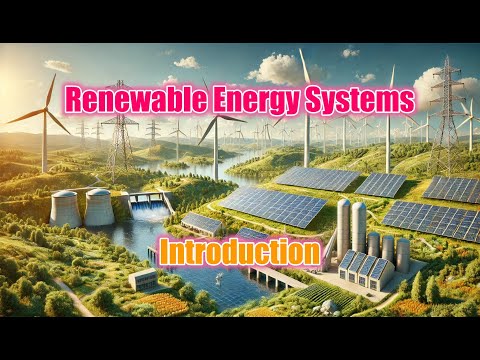
The world is shifting towards renewable energy systems, driven by concerns over climate change, energy security, and sustainability. Renewable energy systems offer a cleaner, more reliable, and more efficient alternative to traditional fossil fuel-based power generation. The International Energy Agency (IEA) predicts that renewable energy will account for 60% of the world's power generation by 2050. As the world transitions to a low-carbon economy, renewable energy systems will play a vital role in reducing greenhouse gas emissions and mitigating the impacts of climate change.
💡 Solar Energy: The Leading Renewable Source
Solar energy is the leading renewable source, accounting for over 30% of global renewable energy production. Solar panels have become increasingly efficient and affordable, making them a viable option for both residential and commercial use. The cost of solar energy has decreased dramatically over the years, with the average cost of solar panels dropping by over 70% in the last decade. As a result, solar energy has become a major player in the global energy market, with countries like China and United States investing heavily in solar energy infrastructure.
💨 Wind Energy: Harnessing the Power of Air
Wind energy is another significant contributor to the global renewable energy mix, with over 20% of the world's renewable energy coming from wind power. Wind turbines have become more efficient and reliable, with advancements in technology leading to increased power output and reduced maintenance costs. The Global Wind Energy Council estimates that wind energy could power over 25% of the world's electricity by 2050. As the world continues to transition to a low-carbon economy, wind energy will play a critical role in reducing greenhouse gas emissions and promoting energy security.
🌟 Geothermal Energy: Tapping into the Earth's Heat
Geothermal energy is a lesser-known but highly promising renewable energy source, with the potential to generate power from the Earth's heat. Geothermal power plants can operate at capacities of up to 90%, making them one of the most reliable forms of renewable energy. The United States is a leader in geothermal energy production, with California and Nevada being the top producing states. As the world continues to explore new and innovative ways to generate renewable energy, geothermal energy is likely to play a significant role in the global energy mix.
🔋 Energy Storage: The Key to a Renewable Future
Energy storage is a critical component of renewable energy systems, enabling the efficient and reliable transmission of power. Battery technology has advanced significantly in recent years, with the development of more efficient and cost-effective batteries. The cost of energy storage has decreased dramatically, making it more viable for widespread adoption. As the world continues to transition to a low-carbon economy, energy storage systems will play a vital role in promoting energy security and reducing greenhouse gas emissions.
🏭 Renewable Energy Technologies: Innovations and Advancements
Renewable energy technologies are constantly evolving, with innovations and advancements in areas like solar energy, wind energy, and geothermal energy. The development of new technologies like floating wind turbines and bifacial solar panels is expected to further increase the efficiency and affordability of renewable energy. The International Renewable Energy Agency (IRENA) estimates that the cost of renewable energy could decrease by up to 50% by 2030, making it more competitive with fossil fuels.
📊 Economic Benefits of Renewable Energy Systems
The economic benefits of renewable energy systems are numerous, with the potential to create jobs, stimulate local economies, and reduce energy costs. The renewable energy industry is expected to support over 24 million jobs globally by 2030, with the solar energy industry alone supporting over 10 million jobs. The cost of renewable energy is also decreasing, making it more viable for widespread adoption. As the world continues to transition to a low-carbon economy, renewable energy systems will play a critical role in promoting economic growth and reducing poverty.
🌎 Environmental Impact of Renewable Energy Systems
The environmental impact of renewable energy systems is significantly lower than that of traditional fossil fuel-based power generation. Renewable energy systems produce little to no greenhouse gas emissions, making them a critical component of efforts to mitigate climate change. The World Wildlife Fund estimates that a transition to 100% renewable energy could reduce greenhouse gas emissions by up to 78%. As the world continues to explore new and innovative ways to generate renewable energy, renewable energy systems will play a vital role in promoting sustainability and reducing the environmental impacts of energy production.
🤝 Global Cooperation and Renewable Energy Policy
Global cooperation and renewable energy policy are critical components of a successful transition to a low-carbon economy. The Paris Agreement sets a global framework for reducing greenhouse gas emissions and promoting renewable energy. The United Nations estimates that a global transition to 100% renewable energy could require investments of up to $1.7 trillion per year. As the world continues to transition to a low-carbon economy, global cooperation and renewable energy policy will play a vital role in promoting energy security and reducing poverty.
📈 The Future of Renewable Energy Systems: Trends and Projections
The future of renewable energy systems is bright, with trends and projections indicating a significant increase in renewable energy production and investment. The International Energy Agency (IEA) estimates that renewable energy could account for up to 60% of the world's power generation by 2050. As the world continues to explore new and innovative ways to generate renewable energy, renewable energy systems will play a critical role in promoting sustainability, reducing greenhouse gas emissions, and promoting energy security.
Key Facts
- Year
- 2023
- Origin
- Vibepedia
- Category
- Energy
- Type
- Concept
Frequently Asked Questions
What is the current state of renewable energy systems?
Renewable energy systems are becoming increasingly prevalent, with solar and wind energy being the leading sources of renewable energy. The cost of renewable energy is decreasing, making it more viable for widespread adoption. As the world continues to transition to a low-carbon economy, renewable energy systems will play a critical role in promoting sustainability and reducing greenhouse gas emissions.
What are the benefits of renewable energy systems?
The benefits of renewable energy systems are numerous, including reducing greenhouse gas emissions, promoting energy security, and creating jobs. Renewable energy systems also have the potential to stimulate local economies and reduce energy costs. As the world continues to transition to a low-carbon economy, renewable energy systems will play a vital role in promoting sustainability and reducing poverty.
What is the future of renewable energy systems?
The future of renewable energy systems is bright, with trends and projections indicating a significant increase in renewable energy production and investment. The International Energy Agency (IEA) estimates that renewable energy could account for up to 60% of the world's power generation by 2050. As the world continues to explore new and innovative ways to generate renewable energy, renewable energy systems will play a critical role in promoting sustainability and reducing greenhouse gas emissions.
What are the challenges facing renewable energy systems?
The challenges facing renewable energy systems are numerous, including high upfront costs, intermittency, and energy storage. However, advancements in technology and decreases in cost are making renewable energy systems more viable for widespread adoption. As the world continues to transition to a low-carbon economy, renewable energy systems will play a vital role in promoting sustainability and reducing greenhouse gas emissions.
How can I get involved in the renewable energy industry?
There are many ways to get involved in the renewable energy industry, including investing in renewable energy stocks, installing solar panels or wind turbines, and supporting renewable energy policies. You can also consider a career in the renewable energy industry, with jobs ranging from solar panel installation to renewable energy policy development. As the world continues to transition to a low-carbon economy, the renewable energy industry will play a critical role in promoting sustainability and reducing greenhouse gas emissions.