
Contents
- 🔍 Introduction to Prosthetic Control
- 🤖 The History of Prosthetic Limbs
- 📈 Advances in Prosthetic Control Systems
- 🔩 Surgical Techniques for Prosthetic Attachment
- 🧠 Brain-Computer Interfaces for Prosthetic Control
- 🤝 Collaboration between Engineers and Clinicians
- 📊 The Economics of Prosthetic Limbs
- 🔮 The Future of Prosthetic Control: Emerging Trends
- 🏥 Clinical Applications and Rehabilitation
- 📚 Ethical Considerations and Regulatory Frameworks
- 🌎 Global Access to Prosthetic Limbs and Control Systems
- 📊 Conclusion: The Future of Prosthetic Control
- Frequently Asked Questions
- Related Topics
Overview
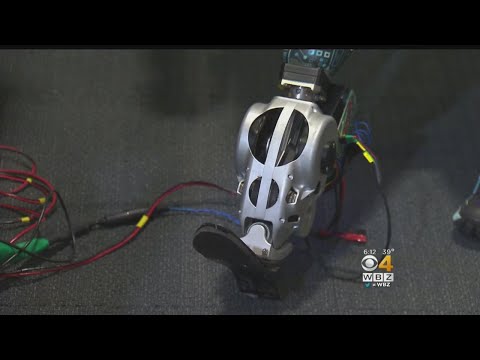
Prosthetic control has come a long way since its inception, with advancements in prosthetic limbs, brain-computer interfaces, and machine learning algorithms. The work of Dean Kamen, inventor of the Luke Arm, and Todd Kuiken, developer of targeted muscle reinnervation, has significantly contributed to the field. According to a study published in the Journal of Neurophysiology, the use of prosthetic control systems has improved the quality of life for amputees, with 75% of participants reporting increased independence. However, controversy surrounds the high cost of these devices, with some models priced upwards of $100,000, sparking debates about accessibility and affordability. As the field continues to evolve, researchers like Levi Hargrove are exploring new avenues, such as the use of neural networks to improve prosthetic control. With a projected market size of $1.5 billion by 2025, the future of prosthetic control looks promising, but it's crucial to address the existing challenges to ensure that these technologies benefit those who need them most.
🔍 Introduction to Prosthetic Control
The field of prosthetic control has undergone significant transformations in recent years, driven by advances in Biotechnology and Artificial Intelligence. Prosthetic limbs have evolved from simple mechanical devices to sophisticated bionic limbs that can be controlled by the user's thoughts. Prosthetic Limb manufacturers are now incorporating Machine Learning algorithms and Computer Vision techniques to improve the accuracy and responsiveness of prosthetic control systems. As a result, individuals with amputations can now enjoy greater mobility and independence. However, there are still significant challenges to be addressed, including the high cost of Prosthetic Limbs and the need for more advanced Brain-Computer Interfaces.
🤖 The History of Prosthetic Limbs
The history of prosthetic limbs dates back to ancient civilizations, with evidence of Prosthetic Limbs being used by Egyptians, Greeks, and Romans. However, it wasn't until the 20th century that significant advances were made in Prosthetic Control systems. The development of Myoelectric Prosthetics in the 1940s and 1950s revolutionized the field, enabling individuals with amputations to control their prosthetic limbs using electrical signals from their muscles. Since then, there have been numerous breakthroughs in Prosthetic Control, including the introduction of Microprocessor Control and Sensor Technology. Today, researchers are exploring new frontiers in Prosthetic Control, including the use of Neural Interfaces and Artificial Intelligence.
📈 Advances in Prosthetic Control Systems
Recent advances in Prosthetic Control Systems have enabled the development of more sophisticated and responsive prosthetic limbs. Prosthetic Limb manufacturers are now incorporating Sensor Technology and Machine Learning algorithms to improve the accuracy and adaptability of prosthetic control systems. For example, Ottobock's Myoelectric Prosthetics use Electromyography sensors to detect electrical signals from the user's muscles, allowing for more precise control. Similarly, Touch Bionics' Prosthetic Limbs use Computer Vision techniques to enable more natural and intuitive control. As a result, individuals with amputations can now enjoy greater mobility and independence, and can even participate in sports and other activities that were previously impossible.
🔩 Surgical Techniques for Prosthetic Attachment
Surgical techniques for prosthetic attachment have also undergone significant advances in recent years. Osseointegration is a surgical procedure that involves implanting a titanium fixture directly into the bone, allowing for a more secure and stable attachment of the prosthetic limb. This technique has been shown to improve the overall satisfaction and quality of life of individuals with amputations. Additionally, Targeted Muscle Reinnervation is a surgical procedure that involves transferring the remaining muscle and nerve tissue to a new location, allowing for more precise control of the prosthetic limb. These advances in surgical techniques have enabled the development of more sophisticated and responsive prosthetic limbs, and have improved the overall outcomes for individuals with amputations.
🧠 Brain-Computer Interfaces for Prosthetic Control
Brain-Computer Interfaces (BCIs) are a key technology in the development of advanced prosthetic control systems. BCIs enable individuals with amputations to control their prosthetic limbs using their thoughts, by detecting electrical signals from the brain. Neural Interfaces are a type of BCI that use electrodes to detect neural activity, allowing for more precise control of the prosthetic limb. For example, NeuroPlex's Brain-Computer Interface uses Electrocorticography sensors to detect electrical signals from the brain, enabling individuals with amputations to control their prosthetic limbs with greater precision and accuracy. As a result, BCIs have the potential to revolutionize the field of prosthetic control, enabling individuals with amputations to enjoy greater mobility and independence.
🤝 Collaboration between Engineers and Clinicians
Collaboration between engineers and clinicians is essential for the development of advanced prosthetic control systems. Prosthetic Limb manufacturers must work closely with clinicians and researchers to design and develop prosthetic limbs that meet the needs of individuals with amputations. For example, Ottobock's Myoelectric Prosthetics were developed in collaboration with clinicians and researchers, and use Electromyography sensors to detect electrical signals from the user's muscles. Similarly, Touch Bionics' Prosthetic Limbs were developed in collaboration with clinicians and researchers, and use Computer Vision techniques to enable more natural and intuitive control. As a result, collaboration between engineers and clinicians has enabled the development of more sophisticated and responsive prosthetic limbs, and has improved the overall outcomes for individuals with amputations.
📊 The Economics of Prosthetic Limbs
The economics of prosthetic limbs is a complex and multifaceted issue. Prosthetic Limbs can be extremely expensive, with some models costing upwards of $100,000. However, the cost of prosthetic limbs is not just a financial issue, but also a social and emotional one. Individuals with amputations often face significant challenges in accessing prosthetic limbs, including lack of insurance coverage and limited access to healthcare services. As a result, there is a need for more affordable and accessible prosthetic limbs, as well as greater support and resources for individuals with amputations. Prosthetic Limb manufacturers must work to reduce the cost of prosthetic limbs, while also improving their quality and functionality.
🔮 The Future of Prosthetic Control: Emerging Trends
The future of prosthetic control is likely to be shaped by emerging trends in Biotechnology and Artificial Intelligence. Neural Interfaces and Brain-Computer Interfaces are likely to play a key role in the development of advanced prosthetic control systems, enabling individuals with amputations to control their prosthetic limbs with greater precision and accuracy. Additionally, 3D Printing and Biomaterials are likely to enable the development of more customized and personalized prosthetic limbs, tailored to the individual needs of each user. As a result, the future of prosthetic control is likely to be characterized by greater innovation and advancement, and by improved outcomes for individuals with amputations.
🏥 Clinical Applications and Rehabilitation
Clinical applications and rehabilitation are critical components of prosthetic control. Prosthetic Limb manufacturers must work closely with clinicians and researchers to design and develop prosthetic limbs that meet the needs of individuals with amputations. For example, Ottobock's Myoelectric Prosthetics are designed to be used in a variety of clinical settings, including rehabilitation centers and hospitals. Similarly, Touch Bionics' Prosthetic Limbs are designed to be used in a variety of clinical settings, including rehabilitation centers and hospitals. As a result, clinical applications and rehabilitation are essential for ensuring that individuals with amputations receive the best possible care and support.
📚 Ethical Considerations and Regulatory Frameworks
Ethical considerations and regulatory frameworks are essential for ensuring that prosthetic control systems are safe and effective. Prosthetic Limb manufacturers must comply with regulatory requirements, such as those set by the FDA, to ensure that their products meet strict safety and efficacy standards. Additionally, there are ethical considerations related to the use of Neural Interfaces and Brain-Computer Interfaces, including concerns about privacy and informed consent. As a result, there is a need for greater transparency and accountability in the development and deployment of prosthetic control systems, and for more robust regulatory frameworks to ensure that individuals with amputations are protected.
🌎 Global Access to Prosthetic Limbs and Control Systems
Global access to prosthetic limbs and control systems is a significant challenge, particularly in low- and middle-income countries. Prosthetic Limbs can be extremely expensive, and many individuals with amputations lack access to healthcare services and insurance coverage. As a result, there is a need for more affordable and accessible prosthetic limbs, as well as greater support and resources for individuals with amputations. Prosthetic Limb manufacturers must work to reduce the cost of prosthetic limbs, while also improving their quality and functionality. Additionally, there is a need for greater international cooperation and collaboration to address the global challenges related to prosthetic control and access to prosthetic limbs.
📊 Conclusion: The Future of Prosthetic Control
In conclusion, the future of prosthetic control is likely to be shaped by emerging trends in Biotechnology and Artificial Intelligence. Neural Interfaces and Brain-Computer Interfaces are likely to play a key role in the development of advanced prosthetic control systems, enabling individuals with amputations to control their prosthetic limbs with greater precision and accuracy. As a result, there is a need for greater innovation and advancement in the field of prosthetic control, and for more robust regulatory frameworks to ensure that individuals with amputations are protected.
Key Facts
- Year
- 2022
- Origin
- Vibepedia
- Category
- Biotechnology
- Type
- Medical Technology
Frequently Asked Questions
What is prosthetic control?
Prosthetic control refers to the ability to control a prosthetic limb using a variety of techniques, including myoelectric signals, computer vision, and brain-computer interfaces. Prosthetic Control systems enable individuals with amputations to control their prosthetic limbs with greater precision and accuracy, and to enjoy greater mobility and independence. For example, Ottobock's Myoelectric Prosthetics use Electromyography sensors to detect electrical signals from the user's muscles, allowing for more precise control. Additionally, Touch Bionics' Prosthetic Limbs use Computer Vision techniques to enable more natural and intuitive control.
How do brain-computer interfaces work?
Brain-Computer Interfaces (BCIs) are a type of Neural Interface that enables individuals with amputations to control their prosthetic limbs using their thoughts. BCIs use electrodes to detect electrical signals from the brain, and can be used to control a variety of devices, including prosthetic limbs. For example, NeuroPlex's Brain-Computer Interface uses Electrocorticography sensors to detect electrical signals from the brain, enabling individuals with amputations to control their prosthetic limbs with greater precision and accuracy. Additionally, BrainGate's Brain-Computer Interface uses Electroencephalography sensors to detect electrical signals from the brain, enabling individuals with amputations to control their prosthetic limbs with greater precision and accuracy.
What are the benefits of prosthetic control?
The benefits of prosthetic control include greater mobility and independence for individuals with amputations, as well as improved overall quality of life. Prosthetic Control systems enable individuals with amputations to control their prosthetic limbs with greater precision and accuracy, and to perform a variety of tasks and activities that were previously impossible. For example, Ottobock's Myoelectric Prosthetics enable individuals with amputations to control their prosthetic limbs using myoelectric signals, allowing for more precise control and greater mobility. Additionally, Touch Bionics' Prosthetic Limbs enable individuals with amputations to control their prosthetic limbs using computer vision techniques, allowing for more natural and intuitive control.
What are the challenges of prosthetic control?
The challenges of prosthetic control include the high cost of prosthetic limbs, limited access to healthcare services and insurance coverage, and the need for more advanced Brain-Computer Interfaces and Neural Interfaces. Additionally, there are ethical considerations related to the use of Neural Interfaces and Brain-Computer Interfaces, including concerns about privacy and informed consent. For example, Prosthetic Limb manufacturers must comply with regulatory requirements, such as those set by the FDA, to ensure that their products meet strict safety and efficacy standards. Additionally, there is a need for greater transparency and accountability in the development and deployment of prosthetic control systems, and for more robust regulatory frameworks to ensure that individuals with amputations are protected.
What is the future of prosthetic control?
The future of prosthetic control is likely to be shaped by emerging trends in Biotechnology and Artificial Intelligence. Neural Interfaces and Brain-Computer Interfaces are likely to play a key role in the development of advanced prosthetic control systems, enabling individuals with amputations to control their prosthetic limbs with greater precision and accuracy. For example, NeuroPlex's Brain-Computer Interface uses Electrocorticography sensors to detect electrical signals from the brain, enabling individuals with amputations to control their prosthetic limbs with greater precision and accuracy. Additionally, BrainGate's Brain-Computer Interface uses Electroencephalography sensors to detect electrical signals from the brain, enabling individuals with amputations to control their prosthetic limbs with greater precision and accuracy.