
Contents
- 📈 Introduction to Project Selection
- 🔍 Understanding Project Requirements
- 📊 Evaluating Project Feasibility
- 📈 Prioritizing Projects with Scoring Models
- 📊 Assessing Project Risk and Return
- 📈 Building a Project Portfolio
- 📊 Monitoring and Controlling Projects
- 📈 Best Practices for Project Selection
- 📊 Common Pitfalls in Project Selection
- 📈 Future of Project Selection
- 📊 Implementing Project Selection Tools
- 📈 Conclusion
- Frequently Asked Questions
- Related Topics
Overview
Effective project selection is crucial for organizations to achieve their strategic objectives. With numerous projects competing for limited resources, it's essential to have a robust project selection process in place. According to a study by the Project Management Institute (PMI), organizations that use a formal project selection process have a 40% higher success rate than those that don't. Best practices include defining clear project criteria, using a scoring model, and considering factors such as return on investment (ROI), risk, and alignment with organizational goals. For instance, a study by Harvard Business Review found that companies that prioritize projects based on their strategic alignment and potential impact are more likely to achieve their goals. Furthermore, a survey by Gartner revealed that 70% of organizations use a hybrid approach to project selection, combining both quantitative and qualitative methods. As the project management landscape continues to evolve, it's critical to stay up-to-date with the latest trends and best practices, such as the use of artificial intelligence (AI) and machine learning (ML) in project selection. By adopting a data-driven approach to project selection, organizations can make informed decisions, optimize resource allocation, and drive business success. The use of project selection frameworks, such as the Eisenhower Matrix, can also help organizations prioritize projects effectively. Moreover, the incorporation of sustainability and social responsibility considerations into the project selection process is becoming increasingly important, with 60% of organizations now considering environmental impact in their project selection decisions.
📈 Introduction to Project Selection
The process of selecting the right projects is crucial for any organization's success. Project Management involves planning, organizing, and controlling resources to achieve specific goals. Project Selection is a critical component of project management, as it determines which projects to undertake and how to allocate resources. Effective project selection ensures that an organization's limited resources are utilized efficiently, maximizing returns and minimizing risks. Portfolio Management is also closely related to project selection, as it involves managing a collection of projects to achieve strategic objectives. The goal of project selection is to choose projects that align with the organization's strategic goals and objectives, such as Strategic Planning.
🔍 Understanding Project Requirements
Understanding project requirements is essential for effective project selection. This involves identifying the organization's strategic objectives, such as Business Objectives, and determining which projects will help achieve them. Stakeholder Analysis is also critical, as it helps identify the needs and expectations of various stakeholders, including customers, employees, and investors. By understanding project requirements, organizations can develop a clear understanding of what they want to achieve and how to allocate resources. Project Scope definition is also a key aspect of project selection, as it helps define what is included and excluded from the project. Requirements Gathering is a crucial step in this process.
📊 Evaluating Project Feasibility
Evaluating project feasibility is a critical step in the project selection process. This involves assessing the technical, financial, and operational viability of a project. Feasibility Study is a detailed analysis of the project's potential for success, including its technical, financial, and operational aspects. Cost-Benefit Analysis is also essential, as it helps determine whether the benefits of a project outweigh its costs. By evaluating project feasibility, organizations can determine which projects are likely to succeed and which ones to avoid. Risk Assessment is also a key aspect of project feasibility evaluation, as it helps identify potential risks and develop strategies to mitigate them. Sensitivity Analysis can also be used to test the robustness of the project's feasibility.
📈 Prioritizing Projects with Scoring Models
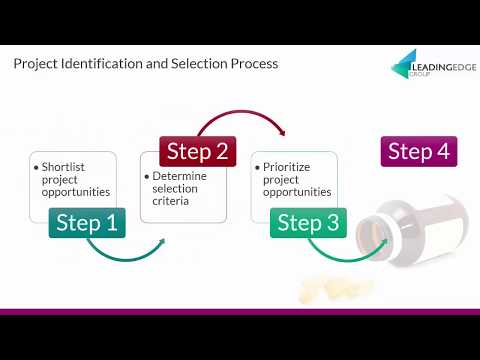
Prioritizing projects with scoring models is a common approach to project selection. This involves assigning scores to each project based on its alignment with the organization's strategic objectives, such as Balanced Scorecard, and its potential for return on investment. Project Prioritization is a critical step in the project selection process, as it helps determine which projects to undertake and how to allocate resources. By using scoring models, organizations can compare projects and prioritize those that are most likely to achieve strategic objectives. Decision Tree analysis can also be used to evaluate different project options and choose the best one. SWOT Analysis can also be used to identify the strengths, weaknesses, opportunities, and threats associated with each project.
📊 Assessing Project Risk and Return
Assessing project risk and return is essential for effective project selection. This involves evaluating the potential risks and returns of each project and determining which ones to undertake. Risk Management is a critical component of project selection, as it helps identify potential risks and develop strategies to mitigate them. By assessing project risk and return, organizations can determine which projects are likely to achieve strategic objectives and which ones to avoid. Return on Investment (ROI) analysis is also essential, as it helps determine whether the benefits of a project outweigh its costs. Expected Monetary Value (EMV) analysis can also be used to evaluate the potential return of each project.
📈 Building a Project Portfolio
Building a project portfolio is a critical step in the project selection process. This involves managing a collection of projects to achieve strategic objectives. Project Portfolio Management is a holistic approach to managing projects, as it involves evaluating and prioritizing projects based on their alignment with strategic objectives. By building a project portfolio, organizations can ensure that their projects are aligned with their strategic goals and objectives. Project Management Office (PMO) is also essential, as it provides a centralized function for managing projects and ensuring that they are aligned with strategic objectives. Project Governance is also critical, as it helps ensure that projects are managed in a way that is consistent with the organization's strategic objectives.
📊 Monitoring and Controlling Projects
Monitoring and controlling projects is essential for effective project selection. This involves tracking project progress and taking corrective action when necessary. Project Monitoring is a critical component of project selection, as it helps ensure that projects are on track to achieve strategic objectives. By monitoring and controlling projects, organizations can identify potential problems and take corrective action to get projects back on track. Project Control is also essential, as it helps ensure that projects are managed in a way that is consistent with the organization's strategic objectives. Earned Value Management (EVM) is a technique used to measure project performance and progress.
📈 Best Practices for Project Selection
Best practices for project selection involve a combination of technical, financial, and operational considerations. This includes evaluating project feasibility, prioritizing projects with scoring models, and assessing project risk and return. Project Selection Best Practices also involve building a project portfolio and monitoring and controlling projects. By following best practices, organizations can ensure that their projects are aligned with their strategic goals and objectives. Agile Project Management is also a popular approach to project selection, as it involves iterative and incremental development. Hybrid Project Management is also used, which combines different project management approaches.
📊 Common Pitfalls in Project Selection
Common pitfalls in project selection include failing to evaluate project feasibility, prioritizing projects based on personal preference rather than strategic objectives, and failing to assess project risk and return. Project Selection Pitfalls can have serious consequences, including project failure and wasted resources. By being aware of common pitfalls, organizations can avoid them and ensure that their projects are successful. Project Failure can be caused by a variety of factors, including poor project selection. Project Recovery is the process of getting a failed project back on track.
📈 Future of Project Selection
The future of project selection involves the use of advanced technologies, such as Artificial Intelligence (AI) and Machine Learning (ML), to evaluate and prioritize projects. Project Selection Trends also include the use of Cloud Computing and Big Data to support project selection. By leveraging these technologies, organizations can make more informed decisions about which projects to undertake and how to allocate resources. Digital Transformation is also driving changes in project selection, as organizations seek to leverage technology to improve their project management capabilities.
📊 Implementing Project Selection Tools
Implementing project selection tools involves a combination of technical, financial, and operational considerations. This includes evaluating project feasibility, prioritizing projects with scoring models, and assessing project risk and return. Project Selection Tools also involve building a project portfolio and monitoring and controlling projects. By implementing project selection tools, organizations can ensure that their projects are aligned with their strategic goals and objectives. Project Management Information System (PMIS) is a software application used to support project management. Project Portfolio Management Tool is a software application used to support project portfolio management.
📈 Conclusion
In conclusion, project selection is a critical component of project management, as it determines which projects to undertake and how to allocate resources. By following best practices, such as evaluating project feasibility, prioritizing projects with scoring models, and assessing project risk and return, organizations can ensure that their projects are aligned with their strategic goals and objectives. Project Selection Best Practices involve a combination of technical, financial, and operational considerations. By leveraging advanced technologies, such as AI and ML, organizations can make more informed decisions about which projects to undertake and how to allocate resources.
Key Facts
- Year
- 2022
- Origin
- Vibepedia
- Category
- Project Management
- Type
- Concept
Frequently Asked Questions
What is project selection?
Project selection is the process of evaluating and prioritizing projects to determine which ones to undertake and how to allocate resources. It involves a combination of technical, financial, and operational considerations, including evaluating project feasibility, prioritizing projects with scoring models, and assessing project risk and return. Project Selection is a critical component of Project Management.
Why is project selection important?
Project selection is important because it determines which projects to undertake and how to allocate resources. By selecting the right projects, organizations can ensure that their projects are aligned with their strategic goals and objectives, and that they are using their resources efficiently. Project Selection Best Practices can help organizations achieve their strategic objectives. Strategic Planning is also closely related to project selection.
What are the best practices for project selection?
The best practices for project selection involve a combination of technical, financial, and operational considerations. This includes evaluating project feasibility, prioritizing projects with scoring models, and assessing project risk and return. Project Selection Best Practices also involve building a project portfolio and monitoring and controlling projects. By following best practices, organizations can ensure that their projects are aligned with their strategic goals and objectives. Project Management Office (PMO) can also help support project selection.
What are the common pitfalls in project selection?
The common pitfalls in project selection include failing to evaluate project feasibility, prioritizing projects based on personal preference rather than strategic objectives, and failing to assess project risk and return. Project Selection Pitfalls can have serious consequences, including project failure and wasted resources. By being aware of common pitfalls, organizations can avoid them and ensure that their projects are successful. Project Failure can be caused by a variety of factors, including poor project selection.
How can organizations implement project selection tools?
Organizations can implement project selection tools by evaluating project feasibility, prioritizing projects with scoring models, and assessing project risk and return. Project Selection Tools also involve building a project portfolio and monitoring and controlling projects. By implementing project selection tools, organizations can ensure that their projects are aligned with their strategic goals and objectives. Project Management Information System (PMIS) can also be used to support project selection.
What is the future of project selection?
The future of project selection involves the use of advanced technologies, such as Artificial Intelligence (AI) and Machine Learning (ML), to evaluate and prioritize projects. Project Selection Trends also include the use of Cloud Computing and Big Data to support project selection. By leveraging these technologies, organizations can make more informed decisions about which projects to undertake and how to allocate resources. Digital Transformation is also driving changes in project selection.
How can organizations use project selection to achieve their strategic objectives?
Organizations can use project selection to achieve their strategic objectives by evaluating and prioritizing projects based on their alignment with strategic goals and objectives. Project Selection involves a combination of technical, financial, and operational considerations, including evaluating project feasibility, prioritizing projects with scoring models, and assessing project risk and return. By following best practices, organizations can ensure that their projects are aligned with their strategic goals and objectives. Strategic Planning is also closely related to project selection.