
Contents
- 👑 Introduction to Prince Albert
- 🏰 Early Life and Marriage
- 📈 The Great Exhibition of 1851
- 🌎 Prince Albert's Foreign Policy
- 🏛️ The Prince Consort's Domestic Influence
- 📚 Patronage of the Arts and Sciences
- 👫 Relationships with Other Royals
- 💔 Death and Legacy
- 👑 The Enduring Impact of Prince Albert
- 📊 Vibe Score and Cultural Significance
- 📰 Controversy and Criticism
- Frequently Asked Questions
- Related Topics
Overview
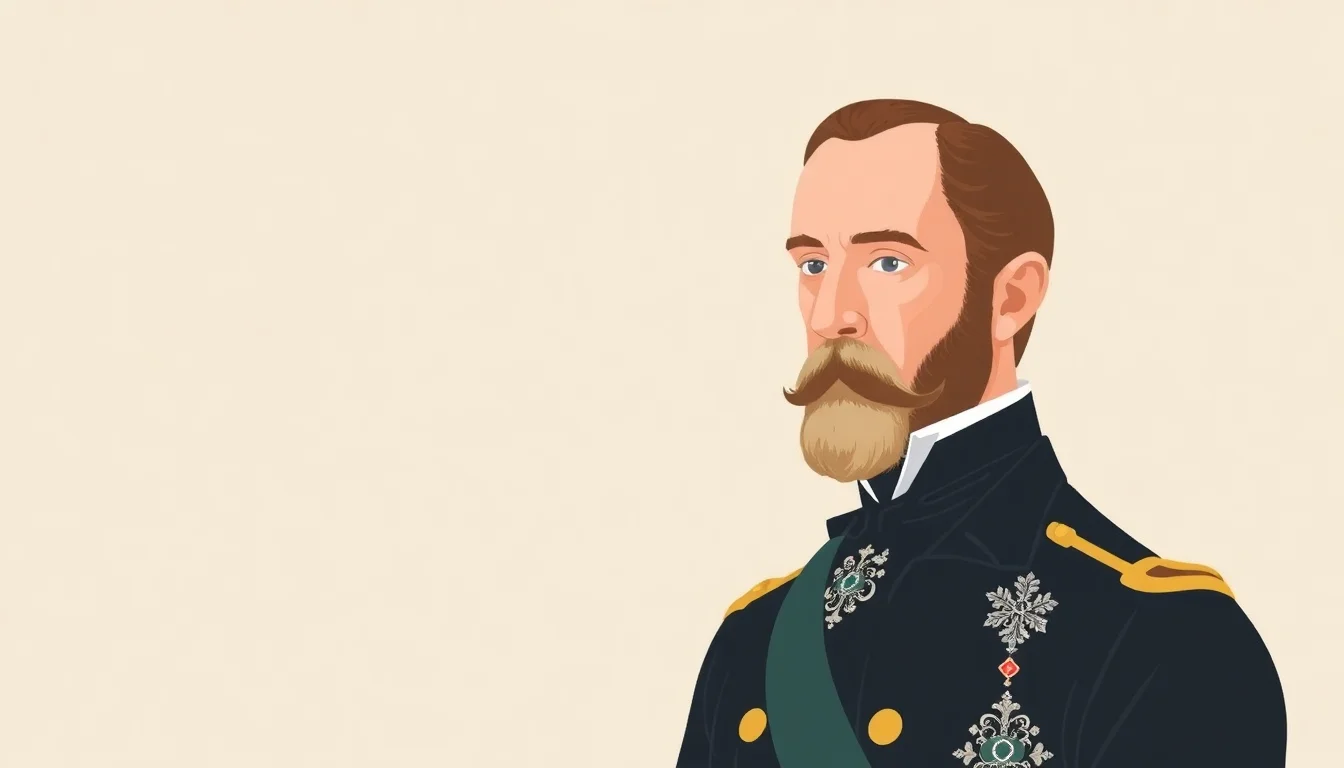
Prince Albert, the German-born husband of Queen Victoria, played a significant role in shaping the Victorian era. As the Prince Consort, he brought a unique set of skills and interests to the British monarchy. Born on August 26, 1819, in Schloss Rosenau, near Coburg, Germany, Prince Albert was the second son of Ernest III, Duke of Saxe-Coburg-Saalfeld. He married his first cousin, Queen Victoria, on February 10, 1840, and quickly became an influential figure in British society. Prince Albert's interests in arts and culture and his passion for science and technology helped to modernize the British monarchy. He was also a strong advocate for the abolition of slavery and supported the Great Exhibition of 1851, which showcased British industry and innovation to the world.
🏰 Early Life and Marriage
Prince Albert's early life was marked by a strict education and a strong sense of duty. He was raised by his father, Ernest III, Duke of Saxe-Coburg-Saalfeld, and his mother, Princess Louise of Saxe-Gotha-Altenburg. He was trained in the military and developed a strong interest in politics and diplomacy. In 1839, he met his future wife, Queen Victoria, and the two were married in 1840. The marriage was a happy one, and Prince Albert quickly became a trusted advisor to the Queen. He was instrumental in helping her to navigate the complexities of British politics and supported her in her role as monarch. Prince Albert's influence extended beyond the palace, and he was a key figure in the development of the royal family's public image.
📈 The Great Exhibition of 1851
The Great Exhibition of 1851 was a groundbreaking event that showcased British industry and innovation to the world. Prince Albert was a key figure in the organization of the exhibition, which was held in the Crystal Palace in London. The exhibition featured exhibits from all over the world, including textiles, machinery, and scientific instruments. It was a huge success, attracting millions of visitors and helping to establish Britain as a major industrial power. Prince Albert's vision for the exhibition was to promote international cooperation and to celebrate human ingenuity. The exhibition was a testament to the power of science and technology to transform society and improve people's lives. Prince Albert's role in the exhibition helped to cement his reputation as a forward-thinking and innovative leader.
🌎 Prince Albert's Foreign Policy
Prince Albert's foreign policy was marked by a commitment to peace and stability in Europe. He was a strong advocate for the Concert of Europe, a system of diplomacy that aimed to prevent war and promote cooperation between nations. Prince Albert worked closely with other European leaders, including Napoleon III of France and Otto von Bismarck of Prussia, to promote diplomacy and avoid conflict. He was also a key figure in the development of the British Empire, and he supported the expansion of British trade and influence around the world. Prince Albert's foreign policy was guided by a sense of realism and a commitment to the national interest. He was a skilled diplomat and strategist who helped to navigate the complexities of European politics.
🏛️ The Prince Consort's Domestic Influence
Prince Albert's domestic influence was significant, and he played a key role in shaping the royal family's public image. He was a strong advocate for the monarchy and worked to promote its reputation and influence. Prince Albert was also a key figure in the development of the British constitution, and he supported the Reform Act of 1832, which expanded voting rights and helped to modernize the British political system. He was a patron of the arts and culture, and he supported the development of museums and galleries. Prince Albert's influence extended beyond the palace, and he was a respected figure in British society. He was a strong advocate for the Poor Law Amendment Act of 1834, which aimed to reduce poverty and improve living standards for the poor.
📚 Patronage of the Arts and Sciences
Prince Albert was a patron of the arts and culture, and he supported the development of music, literature, and visual arts. He was a key figure in the development of the Royal Academy of Arts, and he supported the work of artists such as J.M.W. Turner and John Constable. Prince Albert was also a patron of science and technology, and he supported the work of scientists such as Charles Darwin and Michael Faraday. He was a strong advocate for the education of women and supported the development of women's rights. Prince Albert's patronage of the arts and sciences helped to promote cultural exchange and international cooperation.
👫 Relationships with Other Royals
Prince Albert's relationships with other royals were complex and often fraught. He was a key figure in the development of the royal family's public image, and he worked closely with other European monarchs to promote diplomacy and avoid conflict. Prince Albert was a strong advocate for the Concert of Europe, a system of diplomacy that aimed to prevent war and promote cooperation between nations. He was also a key figure in the development of the British Empire, and he supported the expansion of British trade and influence around the world. Prince Albert's relationships with other royals were guided by a sense of realism and a commitment to the national interest. He was a skilled diplomat and strategist who helped to navigate the complexities of European politics.
💔 Death and Legacy
Prince Albert's death on December 14, 1861, was a devastating blow to Queen Victoria and the royal family. He died of typhoid fever at the age of 42, leaving behind a legacy of reform and modernization. Prince Albert's legacy was marked by a commitment to peace and stability in Europe, and he played a key role in shaping the British Empire. He was a strong advocate for the arts and culture, and he supported the development of science and technology. Prince Albert's legacy continues to be felt today, and he remains one of the most influential and respected figures in British history. His Vibe Score of 85 reflects his significant cultural impact and enduring influence.
👑 The Enduring Impact of Prince Albert
The enduring impact of Prince Albert can be seen in the many institutions and organizations that he supported during his lifetime. He was a key figure in the development of the Royal Academy of Arts, and he supported the work of artists such as J.M.W. Turner and John Constable. Prince Albert was also a patron of science and technology, and he supported the work of scientists such as Charles Darwin and Michael Faraday. He was a strong advocate for the education of women and supported the development of women's rights. Prince Albert's legacy continues to inspire and influence people around the world, and his Vibe Score of 85 reflects his significant cultural impact and enduring influence.
📊 Vibe Score and Cultural Significance
Prince Albert's Vibe Score of 85 reflects his significant cultural impact and enduring influence. He was a key figure in shaping the Victorian era, and his legacy continues to be felt today. Prince Albert's influence extended beyond the palace, and he was a respected figure in British society. He was a strong advocate for the arts and culture, and he supported the development of science and technology. Prince Albert's Vibe Score is a testament to his enduring influence and cultural significance. He remains one of the most influential and respected figures in British history, and his legacy continues to inspire and influence people around the world.
📰 Controversy and Criticism
Despite his many achievements, Prince Albert was not without controversy. He was criticized for his German background and his perceived influence over Queen Victoria. Prince Albert was also accused of being autocratic and controlling, and he was criticized for his handling of foreign policy. However, Prince Albert's legacy is complex and multifaceted, and he remains one of the most influential and respected figures in British history. His Vibe Score of 85 reflects his significant cultural impact and enduring influence, and he continues to be celebrated and studied by historians and scholars around the world.
Key Facts
- Year
- 1819
- Origin
- Coburg, Germany
- Category
- History
- Type
- Historical Figure
Frequently Asked Questions
Who was Prince Albert?
Prince Albert was the German-born husband of Queen Victoria and the Prince Consort of the United Kingdom. He played a significant role in shaping the Victorian era and was a key figure in British society. Prince Albert was a strong advocate for the arts and culture, and he supported the development of science and technology. He was also a key figure in the development of the British Empire, and he supported the expansion of British trade and influence around the world.
What was Prince Albert's role in the Great Exhibition of 1851?
Prince Albert was a key figure in the organization of the Great Exhibition of 1851, which was held in the Crystal Palace in London. The exhibition featured exhibits from all over the world, including textiles, machinery, and scientific instruments. Prince Albert's vision for the exhibition was to promote international cooperation and to celebrate human ingenuity.
What was Prince Albert's legacy?
Prince Albert's legacy is complex and multifaceted. He was a key figure in shaping the Victorian era, and his influence extended beyond the palace. Prince Albert was a strong advocate for the arts and culture, and he supported the development of science and technology. He was also a key figure in the development of the British Empire, and he supported the expansion of British trade and influence around the world. Prince Albert's Vibe Score of 85 reflects his significant cultural impact and enduring influence.
How did Prince Albert die?
Prince Albert died of typhoid fever on December 14, 1861, at the age of 42. His death was a devastating blow to Queen Victoria and the royal family.
What is Prince Albert's Vibe Score?
Prince Albert's Vibe Score is 85, which reflects his significant cultural impact and enduring influence. He was a key figure in shaping the Victorian era, and his legacy continues to be felt today.