
Contents
- 🎯 Introduction to Pressure Ulcers
- ⚙️ Causes and Risk Factors
- 📊 Epidemiology and Statistics
- 👥 Key People and Organizations
- 🌍 Cultural Impact and Awareness
- ⚡ Current Research and Developments
- 🤔 Controversies and Debates
- 🔮 Future Outlook and Prevention Strategies
- 💡 Practical Applications and Management
- 📚 Related Topics and Deeper Reading
- Frequently Asked Questions
- References
- Related Topics
Overview
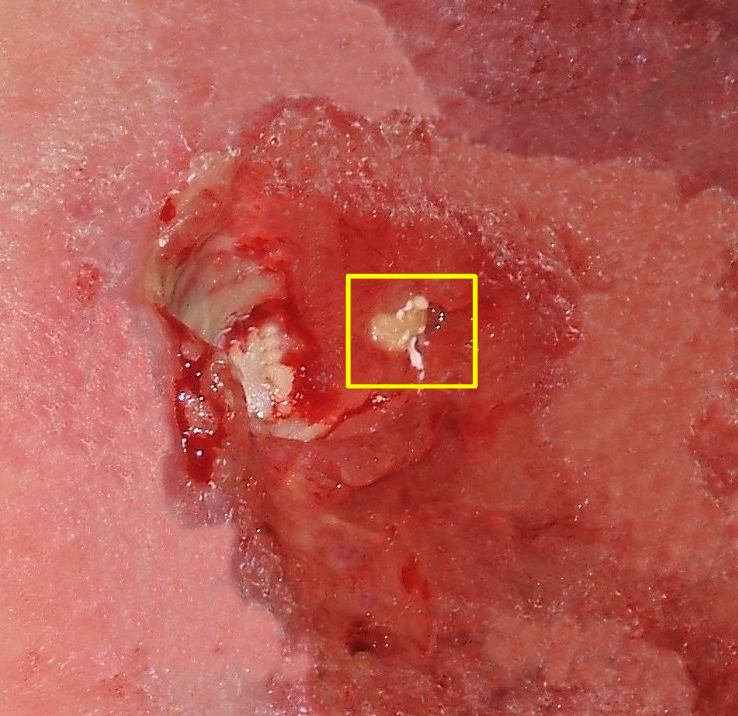
Pressure ulcers, also known as pressure sores or bed sores, are localized damage to the skin and underlying tissue caused by prolonged pressure, shear, or friction, often affecting individuals with limited mobility. According to the World Health Organization, pressure ulcers affect approximately 3 million people in the United States alone, with a prevalence of 12.3% in acute care settings. The most common sites for pressure ulcers include the sacrum, coccyx, heels, and hips, with other areas such as the elbows, knees, and ankles also at risk. The development of pressure ulcers is influenced by various factors, including immobility, poor nutrition, and underlying medical conditions. For instance, a study published in the Journal of Wound Care found that patients with diabetes are at a higher risk of developing pressure ulcers due to impaired wound healing. Prevention and early detection are crucial in managing pressure ulcers, with strategies including regular repositioning, use of support surfaces, and proper wound care. The National Pressure Injury Advisory Panel recommends a comprehensive approach to pressure ulcer prevention, including education, risk assessment, and multidisciplinary care. With proper care and management, it is possible to prevent and treat pressure ulcers, improving the quality of life for individuals at risk.
🎯 Introduction to Pressure Ulcers
Pressure ulcers have been a significant concern in healthcare for decades, with the first recorded cases dating back to the 19th century. The term 'pressure ulcer' was coined in the 1970s, replacing earlier terms such as 'bed sore' or 'decubitus ulcer'. Today, pressure ulcers are recognized as a major public health issue, with the Centers for Disease Control and Prevention estimating that pressure ulcers affect approximately 3 million people in the United States alone. The development of pressure ulcers is a complex process, involving the interplay of various factors, including pressure, shear, friction, and tissue tolerance. For example, a study published in the Journal of Applied Physiology found that prolonged pressure can cause ischemia and tissue damage, leading to the formation of pressure ulcers.
⚙️ Causes and Risk Factors
The causes of pressure ulcers are multifaceted, involving both intrinsic and extrinsic factors. Intrinsic factors include age, nutrition, and underlying medical conditions, such as diabetes, cardiovascular disease, and neurological disorders. Extrinsic factors include immobility, pressure, shear, and friction, which can be exacerbated by the use of medical devices, such as catheters and oxygen tubes. The Agency for Healthcare Research and Quality recommends a comprehensive approach to pressure ulcer prevention, including risk assessment, education, and multidisciplinary care. For instance, the use of support surfaces, such as mattresses and cushions, can help reduce pressure and prevent pressure ulcers.
📊 Epidemiology and Statistics
Pressure ulcers are a significant public health concern, with a prevalence of 12.3% in acute care settings and 14.8% in long-term care settings, according to the National Center for Health Statistics. The economic burden of pressure ulcers is substantial, with estimated annual costs ranging from $9.1 billion to $11.6 billion in the United States alone. The human cost is also significant, with pressure ulcers affecting not only the individual but also their family and caregivers. For example, a study published in the Journal of Gerontology found that caregivers of individuals with pressure ulcers experience significant emotional and financial burdens.
👥 Key People and Organizations
Key people and organizations have played a crucial role in raising awareness and promoting prevention and management of pressure ulcers. The National Pressure Injury Advisory Panel is a leading organization in the field, providing education, research, and advocacy for individuals at risk of pressure ulcers. Other notable organizations include the Wound Healing Society and the American Nurses Association. For instance, the Wound, Ostomy, and Continence Nurses Society provides education and resources for healthcare professionals on wound care and pressure ulcer prevention.
🌍 Cultural Impact and Awareness
Pressure ulcers have a significant cultural impact, affecting not only the individual but also their family and community. The stigma associated with pressure ulcers can be significant, with individuals and families often feeling embarrassed or ashamed. Raising awareness and promoting education are crucial in reducing stigma and promoting prevention and management. For example, the Pressure Ulcer Awareness Day is observed annually to raise awareness and promote education on pressure ulcer prevention and management.
⚡ Current Research and Developments
Current research and developments in pressure ulcer prevention and management are focused on improving our understanding of the causes and risk factors, as well as developing effective prevention and treatment strategies. The use of artificial intelligence and machine learning is being explored to improve risk assessment and prediction, while stem cell therapy is being investigated as a potential treatment option. For instance, a study published in the Journal of Rehabilitation Research and Development found that the use of telehealth can improve pressure ulcer prevention and management in individuals with spinal cord injuries.
🤔 Controversies and Debates
Controversies and debates surrounding pressure ulcers include the use of negative pressure wound therapy and the role of nutrition in prevention and management. Some argue that negative pressure wound therapy is effective in promoting wound healing, while others argue that it is not supported by sufficient evidence. Similarly, the role of nutrition in pressure ulcer prevention and management is debated, with some arguing that nutritional supplements can improve wound healing, while others argue that the evidence is limited. For example, a study published in the Journal of Parenteral and Enteral Nutrition found that nutritional supplements can improve wound healing in individuals with pressure ulcers.
🔮 Future Outlook and Prevention Strategies
The future outlook for pressure ulcer prevention and management is promising, with ongoing research and developments aimed at improving our understanding and management of pressure ulcers. The use of technology, such as mobile apps and wearable devices, is being explored to improve prevention and management, while personalized medicine is being investigated as a potential approach to tailoring prevention and treatment strategies to individual needs. For instance, a study published in the Journal of Medical Systems found that the use of mobile apps can improve pressure ulcer prevention and management in individuals with limited mobility.
💡 Practical Applications and Management
Practical applications and management of pressure ulcers involve a comprehensive approach, including risk assessment, education, and multidisciplinary care. The use of support surfaces, such as mattresses and cushions, can help reduce pressure and prevent pressure ulcers, while wound care and infection control are crucial in promoting wound healing and preventing complications. For example, the Wound, Ostomy, and Continence Nurses Society provides education and resources for healthcare professionals on wound care and pressure ulcer prevention.
Key Facts
- Year
- 1970s
- Origin
- United States
- Category
- chronic-conditions
- Type
- medical-condition
Frequently Asked Questions
What is a pressure ulcer?
A pressure ulcer is a localized damage to the skin and underlying tissue caused by prolonged pressure, shear, or friction. According to the World Health Organization, pressure ulcers affect approximately 3 million people in the United States alone. The development of pressure ulcers is influenced by various factors, including immobility, poor nutrition, and underlying medical conditions. For instance, a study published in the Journal of Wound Care found that patients with diabetes are at a higher risk of developing pressure ulcers due to impaired wound healing.
What are the common sites for pressure ulcers?
The most common sites for pressure ulcers include the sacrum, coccyx, heels, and hips, though other areas such as the elbows, knees, and ankles can also be affected. The National Pressure Injury Advisory Panel recommends a comprehensive approach to pressure ulcer prevention, including education, risk assessment, and multidisciplinary care. For example, the use of support surfaces, such as mattresses and cushions, can help reduce pressure and prevent pressure ulcers.
How can pressure ulcers be prevented?
Pressure ulcers can be prevented through a comprehensive approach, including risk assessment, education, and multidisciplinary care. The use of support surfaces, such as mattresses and cushions, can help reduce pressure and prevent pressure ulcers, while wound care and infection control are crucial in promoting wound healing and preventing complications. For instance, the Wound, Ostomy, and Continence Nurses Society provides education and resources for healthcare professionals on wound care and pressure ulcer prevention.
What is the economic burden of pressure ulcers?
The economic burden of pressure ulcers is substantial, with estimated annual costs ranging from $9.1 billion to $11.6 billion in the United States alone. The human cost is also significant, with pressure ulcers affecting not only the individual but also their family and caregivers. For example, a study published in the Journal of Gerontology found that caregivers of individuals with pressure ulcers experience significant emotional and financial burdens.
What is the current research and developments in pressure ulcer prevention and management?
Current research and developments in pressure ulcer prevention and management are focused on improving our understanding of the causes and risk factors, as well as developing effective prevention and treatment strategies. The use of artificial intelligence and machine learning is being explored to improve risk assessment and prediction, while stem cell therapy is being investigated as a potential treatment option. For instance, a study published in the Journal of Rehabilitation Research and Development found that the use of telehealth can improve pressure ulcer prevention and management in individuals with spinal cord injuries.
What is the future outlook for pressure ulcer prevention and management?
The future outlook for pressure ulcer prevention and management is promising, with ongoing research and developments aimed at improving our understanding and management of pressure ulcers. The use of technology, such as mobile apps and wearable devices, is being explored to improve prevention and management, while personalized medicine is being investigated as a potential approach to tailoring prevention and treatment strategies to individual needs. For instance, a study published in the Journal of Medical Systems found that the use of mobile apps can improve pressure ulcer prevention and management in individuals with limited mobility.
What are the practical applications and management of pressure ulcers?
Practical applications and management of pressure ulcers involve a comprehensive approach, including risk assessment, education, and multidisciplinary care. The use of support surfaces, such as mattresses and cushions, can help reduce pressure and prevent pressure ulcers, while wound care and infection control are crucial in promoting wound healing and preventing complications. For example, the Wound, Ostomy, and Continence Nurses Society provides education and resources for healthcare professionals on wound care and pressure ulcer prevention.
What are the related topics and deeper reading?
Related topics and deeper reading include wound healing, tissue engineering, and regenerative medicine. The use of stem cells and biomaterials is being explored to improve wound healing and tissue repair, while personalized medicine is being investigated as a potential approach to tailoring prevention and treatment strategies to individual needs. For instance, a study published in the Journal of Tissue Engineering found that the use of stem cells can improve wound healing in individuals with pressure ulcers.