
Contents
Overview
Prenatal diagnosis encompasses a suite of medical tests performed during pregnancy to identify potential health conditions, genetic abnormalities, or birth defects in a developing fetus. These diagnostic tools, distinct from screening tests, offer definitive information about fetal well-being, enabling expectant parents and healthcare providers to make informed decisions regarding pregnancy management, delivery, and postnatal care. The advent of these technologies has profoundly impacted reproductive health, offering insights into conditions such as Down syndrome, cystic fibrosis, and spina bifida. While providing crucial data, prenatal diagnosis also raises complex ethical considerations regarding selective termination and the societal implications of genetic information, making it a cornerstone of modern maternal and child health and a subject of ongoing public health discourse.
🎵 Origins & History
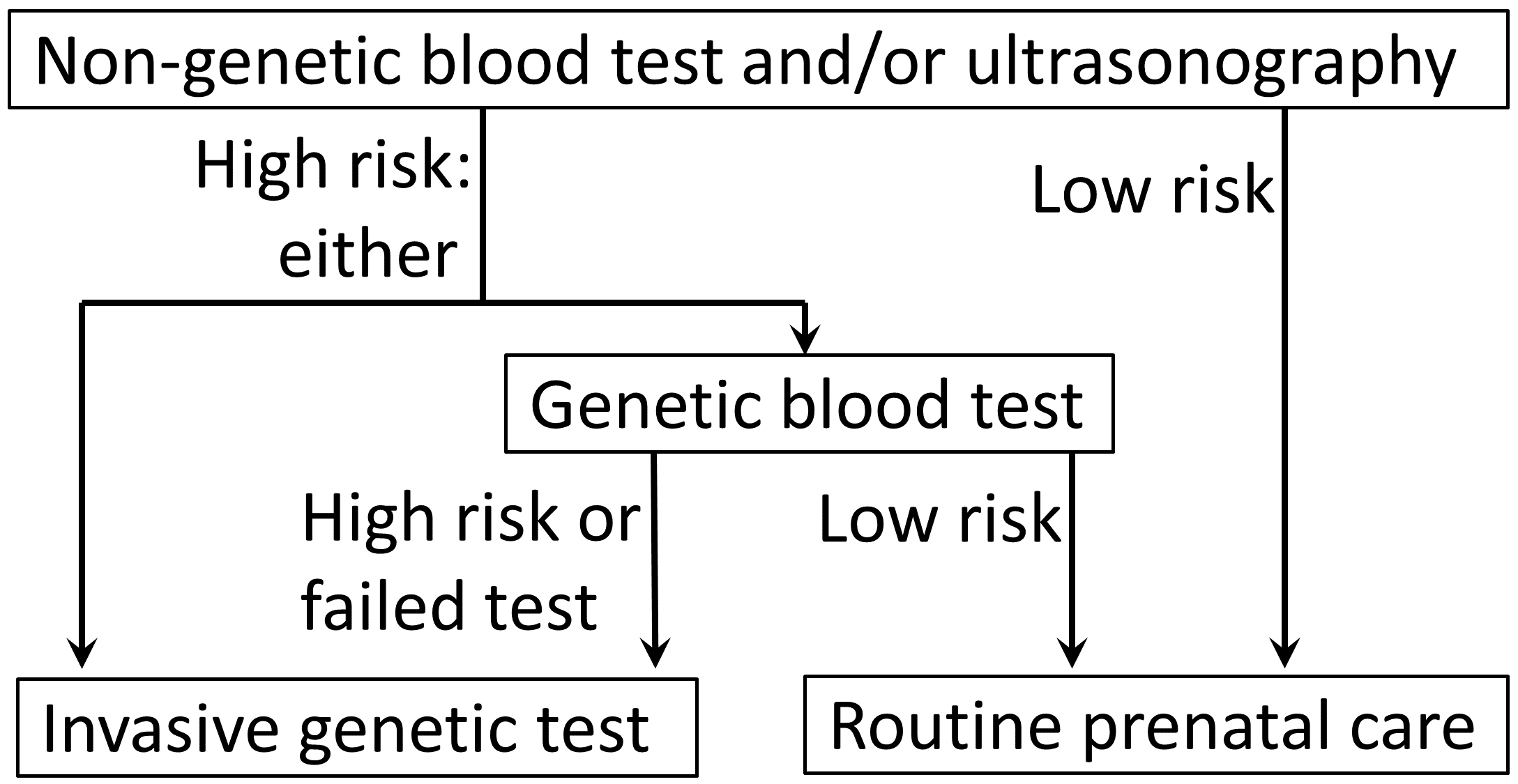
Prenatal diagnosis employs a range of invasive and non-invasive techniques. Invasive methods, such as amniocentesis and chorionic villus sampling (CVS), involve obtaining fetal cells directly from the amniotic fluid or placenta, respectively, for detailed genetic and chromosomal analysis. Non-invasive prenatal testing (NIPT), a more recent innovation, analyzes cell-free fetal DNA circulating in the maternal bloodstream, offering a safer screening method for conditions like Trisomy 18 and Trisomy 13. Ultrasound imaging remains a critical tool, providing visual assessment of fetal anatomy and development, identifying structural anomalies, and guiding invasive procedures. These methods collectively provide a comprehensive picture of fetal health.
⚙️ How It Works
The ability to detect genetic conditions has fueled debates about the definition of 'normalcy'. The widespread availability of these tests has influenced reproductive choices and family planning across diverse cultures, prompting discussions within communities about genetic screening and its implications for public health.
📊 Key Facts & Numbers
CRISPR-Cas9 gene editing technologies, while not yet a diagnostic tool, loom large in discussions about potential future interventions for genetic conditions detected prenatally. The integration of artificial intelligence into analyzing ultrasound images and genetic data promises to improve accuracy and efficiency. Furthermore, there's a growing emphasis on expanding access to these technologies in low-resource settings to promote global health equity in prenatal care.
👥 Key People & Organizations
Concerns exist about the accuracy and interpretation of NIPT results, particularly for rare conditions or mosaicism, and the potential for false positives or negatives. The accessibility and cost of these advanced tests also create disparities in healthcare access, leading to ethical discussions about equitable distribution of these powerful diagnostic tools. The psychological impact on parents receiving potentially life-altering information is another critical area of debate.
🌍 Cultural Impact & Influence
We may see the development of prenatal 'omics' panels that analyze the entire fetal genome, epigenome, and proteome. Public health initiatives will likely focus on ensuring equitable access and providing robust genetic counseling to navigate the complex information generated by these advanced diagnostics.
⚡ Current State & Latest Developments
It guides management decisions, such as the timing and mode of delivery for fetuses with identified conditions, and allows for specialized neonatal care planning. For parents, it provides crucial information for informed decision-making, emotional preparation, and accessing support services. In public health, data from prenatal diagnoses helps track the incidence of genetic disorders, inform genetic counseling programs, and guide resource allocation for specialized pediatric care. It also plays a role in research for understanding fetal development and disease.
🤔 Controversies & Debates
Understanding prenatal diagnosis naturally leads to exploring related concepts in genetics and medical ethics. The distinction between prenatal screening and diagnosis is crucial for navigating the testing pathway. Further reading into specific genetic conditions like thalassemia or sickle cell anemia provides context for the diseases detected. Examining the history of genetic counseling illuminates the support systems surrounding these tests. Finally, exploring the societal impact of disability rights movements offers a critical perspective on the ethical considerations of prenatal diagnosis.
Key Facts
- Category
- prevention
- Type
- concept