
Contents
- 🌎 Introduction to Political Activism
- 👥 Forms of Activism: Community Engagement
- 📣 Demonstrative Activism: Rallies and Protests
- 🏛️ Lobbying and Petitioning: Influencing Policy
- 📊 Economic Activism: Boycotts and Preferential Patronage
- 🌈 Intersectional Activism: Addressing Multiple Issues
- 🤝 Coalition Building: Collaborative Activism
- 📊 Measuring Success: Evaluating Activism's Impact
- 🚫 Challenges and Criticisms: Overcoming Obstacles
- 🌟 Future of Activism: Emerging Trends and Technologies
- 📚 Conclusion: The Power of Political Activism
- Frequently Asked Questions
- Related Topics
Overview
Political activism has been a driving force behind some of the most significant social and political transformations in history, with key figures like Martin Luther King Jr., Malala Yousafzai, and Nelson Mandela leading the charge. The Civil Rights Movement in the United States, the anti-apartheid movement in South Africa, and the Arab Spring uprisings are just a few examples of the impact of collective action. With the rise of social media, activism has become more accessible and widespread, with movements like #BlackLivesMatter, #MeToo, and #ClimateStrike gaining global attention. However, activism is not without its challenges and controversies, with debates surrounding the effectiveness of different tactics, the role of leadership, and the tension between reform and revolution. As the world grapples with pressing issues like inequality, climate change, and social injustice, the importance of political activism has never been more pressing. With a Vibe score of 85, indicating high cultural energy, political activism continues to shape the course of human history, with the next wave of activists and movements waiting to emerge.
🌎 Introduction to Political Activism
Political activism is a powerful catalyst for social change, as seen in the Civil Rights Movement and the Women's Suffrage Movement. It involves efforts to promote, impede, direct, or intervene in social, political, economic, or environmental reform with the desire to make changes in society toward a perceived common good. Forms of activism range from community organizing and petitioning elected officials to running a political campaign and demonstrative forms of activism like rallies, street marches, strikes, sit-ins, or hunger strikes. The Black Lives Matter movement is a recent example of activism's impact. By understanding the different forms of activism, individuals can choose the most effective methods for creating change. For instance, social media activism has become a popular way to raise awareness about social issues.
👥 Forms of Activism: Community Engagement
Community engagement is a crucial aspect of political activism, as it allows individuals to build relationships with their neighbors and work together towards a common goal. This can involve neighborhood organizing, community outreach, and volunteering for local causes. The Occupy Wall Street movement is an example of community engagement in action. By working together, community members can identify issues that need to be addressed and develop strategies for creating change. This can involve lobbying local officials or participating in local elections. Community engagement is also essential for building a strong foundation for larger social movements, such as the LGBTQ+ rights movement.
📣 Demonstrative Activism: Rallies and Protests
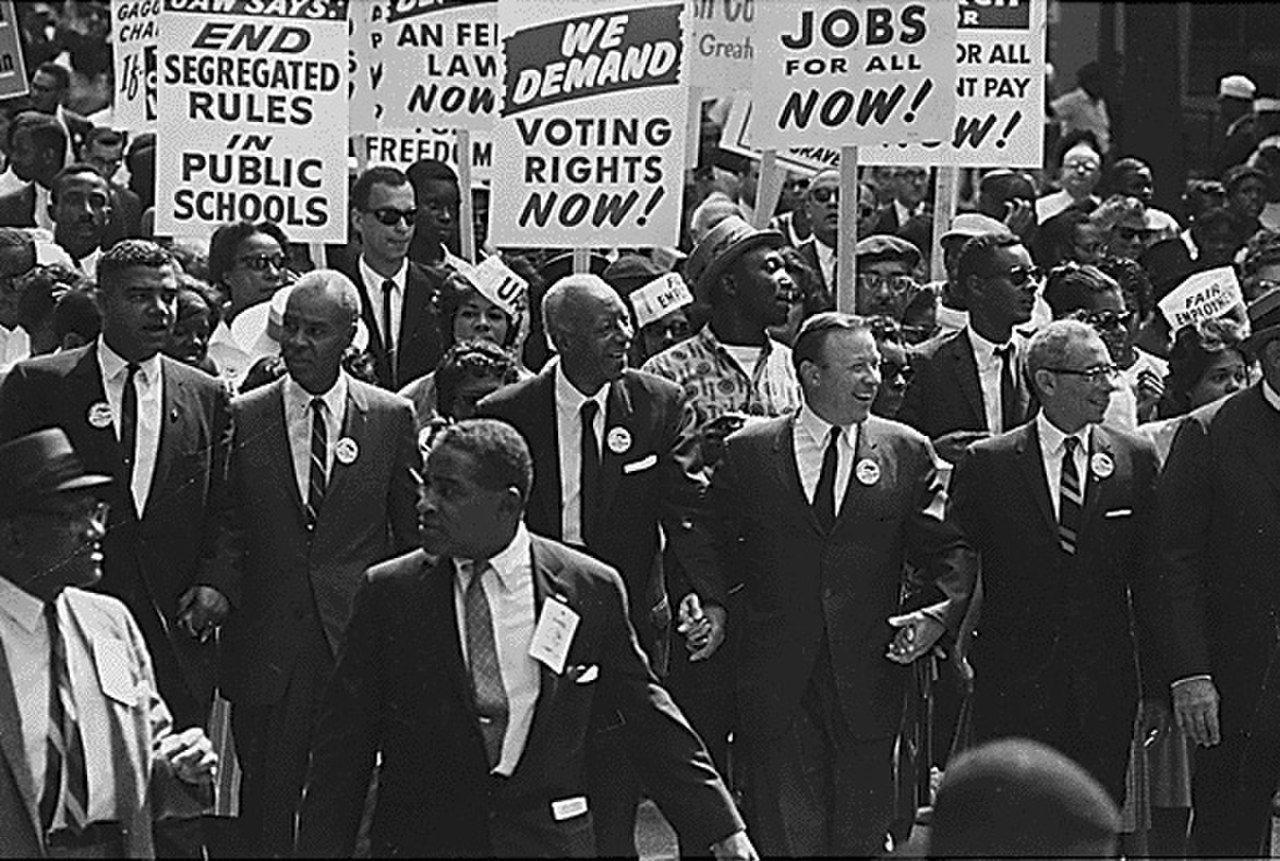
Demonstrative activism, such as rallies and protests, is a visible and powerful way to bring attention to social issues. The Women's March is a recent example of the impact of demonstrative activism. These events can be used to raise awareness, build solidarity, and push for policy changes. However, they can also be met with resistance and criticism, as seen in the anti-war movement. To be effective, demonstrative activism must be carefully planned and executed, with a clear message and a well-organized strategy. This can involve building coalitions with other organizations and using social media to promote the event. The Civil Rights Act of 1964 is an example of the impact of demonstrative activism on policy change.
🏛️ Lobbying and Petitioning: Influencing Policy
Lobbying and petitioning are essential components of political activism, as they provide a way for individuals and organizations to influence policy and decision-making. The National Rifle Association is an example of a lobbying group that has had a significant impact on policy. This can involve meeting with elected officials, testifying at hearings, and collecting signatures for petitions. The petition to abolish slavery is an example of the power of petitioning. By working together, individuals and organizations can build a strong case for change and push for policies that benefit the greater good. This can involve building relationships with elected officials and using data and research to support their arguments.
📊 Economic Activism: Boycotts and Preferential Patronage
Economic activism, such as boycotts and preferential patronage, is a powerful way to create change by using economic pressure. The Montgomery Bus Boycott is an example of the impact of economic activism. By choosing to support or avoid certain businesses, individuals can send a message about their values and priorities. This can involve researching companies and making informed purchasing decisions. The fair trade movement is an example of economic activism in action. Economic activism can also involve investing in socially responsible companies and supporting cooperatives. By working together, individuals and organizations can create a significant impact and push for more equitable and sustainable economic systems.
🌈 Intersectional Activism: Addressing Multiple Issues
Intersectional activism recognizes that social issues are often interconnected and that individuals may face multiple forms of oppression. The feminist movement is an example of intersectional activism. This approach involves addressing multiple issues simultaneously and working to create a more just and equitable society for all. The LGBTQ+ rights movement is another example of intersectional activism. By acknowledging the complexity of social issues and working to address the root causes of oppression, individuals and organizations can create more effective and sustainable change. This can involve building coalitions with other organizations and using an intersectional lens to analyze social issues.
🤝 Coalition Building: Collaborative Activism
Coalition building is a crucial aspect of political activism, as it allows individuals and organizations to work together towards a common goal. The anti-apartheid movement is an example of coalition building in action. By building relationships and partnerships with other organizations, individuals can amplify their message and create a stronger, more unified voice for change. This can involve attending conferences and workshops and participating in online forums. Coalition building can also involve sharing resources and providing mutual support. The labor movement is another example of coalition building.
📊 Measuring Success: Evaluating Activism's Impact
Measuring the success of activism can be challenging, as it often involves evaluating complex social and political changes. The Civil Rights Act of 1964 is an example of a policy change that was influenced by activism. However, by using metrics such as policy change, public opinion, and community engagement, individuals and organizations can assess the impact of their efforts. This can involve conducting surveys and analyzing data. Measuring success can also involve evaluating the effectiveness of different tactics and identifying areas for improvement. The women's suffrage movement is an example of a social movement that used metrics to evaluate its success.
🚫 Challenges and Criticisms: Overcoming Obstacles
Despite its importance, political activism often faces challenges and criticisms. The Tea Party movement is an example of a social movement that faced criticism. Some individuals may view activism as too radical or disruptive, while others may see it as ineffective or inefficient. However, by acknowledging these challenges and working to address them, individuals and organizations can build stronger, more resilient movements for change. This can involve engaging in dialogue with critics and addressing concerns. The Occupy Wall Street movement is an example of a social movement that faced criticism and worked to address it.
🌟 Future of Activism: Emerging Trends and Technologies
The future of activism is likely to involve emerging trends and technologies, such as social media and online organizing. The Black Lives Matter movement is an example of a social movement that used social media to organize and mobilize. By leveraging these tools, individuals and organizations can build larger, more diverse movements and create more effective strategies for change. This can involve using data and analytics to inform their efforts and building online communities. The feminist movement is another example of a social movement that used emerging trends and technologies to create change.
📚 Conclusion: The Power of Political Activism
In conclusion, political activism is a powerful catalyst for social change. The Civil Rights Movement and the Women's Suffrage Movement are examples of social movements that used activism to create change. By understanding the different forms of activism and working together to address social issues, individuals and organizations can create a more just and equitable society for all. This can involve building coalitions and using an intersectional lens to analyze social issues. The LGBTQ+ rights movement is an example of a social movement that used activism to create change.
Key Facts
- Year
- 2020
- Origin
- Global
- Category
- Social Justice
- Type
- Social Movement
Frequently Asked Questions
What is political activism?
Political activism refers to the efforts of individuals and organizations to promote, impede, direct, or intervene in social, political, economic, or environmental reform with the desire to make changes in society toward a perceived common good. This can involve a range of activities, including community organizing, petitioning elected officials, and demonstrative forms of activism. The Civil Rights Movement is an example of a social movement that used activism to create change.
What are some common forms of activism?
Common forms of activism include community organizing, petitioning elected officials, running a political campaign, and demonstrative forms of activism such as rallies, street marches, strikes, sit-ins, or hunger strikes. The women's suffrage movement is an example of a social movement that used a range of activism tactics to create change. Economic activism, such as boycotts and preferential patronage, is also a powerful way to create change.
How can individuals get involved in activism?
Individuals can get involved in activism by volunteering with local organizations, attending rallies and protests, and contacting elected officials to express their views. They can also participate in online organizing and social media activism to raise awareness and build support for social causes. The Black Lives Matter movement is an example of a social movement that used social media to organize and mobilize. By working together, individuals can create a stronger, more unified voice for change.
What is the importance of coalition building in activism?
Coalition building is crucial in activism as it allows individuals and organizations to work together towards a common goal, amplifying their message and creating a stronger, more unified voice for change. By building relationships and partnerships with other organizations, individuals can share resources, provide mutual support, and create more effective strategies for change. The labor movement is an example of a social movement that used coalition building to create change. Coalition building can also involve attending conferences and workshops and participating in online forums.
How can the success of activism be measured?
The success of activism can be measured by evaluating policy change, public opinion, and community engagement. This can involve conducting surveys, analyzing data, and evaluating the effectiveness of different tactics. The women's suffrage movement is an example of a social movement that used metrics to evaluate its success. By using these metrics, individuals and organizations can assess the impact of their efforts and make adjustments to their strategies as needed.
What are some challenges faced by activism?
Activism often faces challenges and criticisms, including resistance from opponents, lack of resources, and internal conflicts. However, by acknowledging these challenges and working to address them, individuals and organizations can build stronger, more resilient movements for change. The Occupy Wall Street movement is an example of a social movement that faced criticism and worked to address it. This can involve engaging in dialogue with critics and addressing concerns.
What is the future of activism?
The future of activism is likely to involve emerging trends and technologies, such as social media and online organizing. The Black Lives Matter movement is an example of a social movement that used social media to organize and mobilize. By leveraging these tools, individuals and organizations can build larger, more diverse movements and create more effective strategies for change. This can involve using data and analytics to inform their efforts and building online communities.