
Contents
- 🔍 Introduction to Polarimetry
- 💡 Principles of Polarization
- 🌐 Applications of Polarimetry
- 🔬 Measurement Techniques in Polarimetry
- 📊 Data Analysis in Polarimetry
- 🌈 Polarimetry in Optical Communications
- 👀 Polarimetry in Remote Sensing
- 🔍 Polarimetry in Biomedical Research
- 💻 Polarimetry in Materials Science
- 📈 Future Directions in Polarimetry
- Frequently Asked Questions
- Related Topics
Overview
Polarimetry, a technique dating back to the 19th century, has evolved into a powerful tool for analyzing the polarization state of light. By measuring the changes in polarization, scientists can infer properties of materials, detect biomolecules, and even study the magnetic fields of distant stars. With applications in fields like astronomy, biomedicine, and materials science, polarimetry has become an essential tool for understanding the intricate dance of light and matter. The technique has been pioneered by scientists like Augustin-Jean Fresnel and George Gabriel Stokes, who laid the foundation for modern polarimetry. Today, researchers like Dr. James Hough and Dr. Lisa Wei are pushing the boundaries of polarimetry, exploring new applications and refining existing techniques. As the field continues to advance, polarimetry is poised to reveal new secrets of the universe, from the polarization of cosmic microwave background radiation to the detection of exoplanets.
🔍 Introduction to Polarimetry
Polarimetry is a crucial technique in the field of Optics and Photonics, allowing us to measure and interpret the polarization of transverse waves, such as Electromagnetic Waves. By analyzing the polarization of light, scientists can gain valuable insights into the properties of materials and objects, making polarimetry a vital tool in various fields, including Materials Science and Biomedical Research. The study of polarimetry has a rich history, dating back to the work of Étienne-Louis Malus, who first discovered the polarization of light in 1808. Today, polarimetry is used in a wide range of applications, from Optical Communications to Remote Sensing.
💡 Principles of Polarization
The principles of polarization are rooted in the behavior of Electromagnetic Waves as they interact with matter. When light passes through a material, its polarization can be affected, allowing scientists to characterize the properties of the material. This is particularly useful in the study of Crystallography, where polarimetry can be used to determine the crystal structure of a material. The polarization of light can also be affected by the presence of Magnetic Fields, making polarimetry a useful tool in the study of Plasmonics. By understanding the principles of polarization, scientists can design and develop new materials and technologies, such as Polarizing Filters and Optical Fibers.
🌐 Applications of Polarimetry
Polarimetry has a wide range of applications, from Optical Communications to Biomedical Research. In optical communications, polarimetry is used to characterize the properties of Optical Fibers and to develop new technologies, such as Polarization Mode Dispersion compensation. In biomedical research, polarimetry is used to study the properties of Biological Tissues and to develop new diagnostic tools, such as Polarization Sensitive OCT. Polarimetry is also used in Remote Sensing to study the properties of the environment and to monitor Climate Change. By applying polarimetry to these fields, scientists can gain a deeper understanding of the underlying physics and develop new technologies and applications.
🔬 Measurement Techniques in Polarimetry
The measurement of polarization is a crucial aspect of polarimetry, and various techniques have been developed to achieve this. One common technique is the use of Polarizing Filters, which can be used to measure the polarization of light. Another technique is the use of Photoelastic Modulators, which can be used to measure the polarization of light in real-time. The development of new measurement techniques, such as Polarization Sensitive Detectors, has also enabled the measurement of polarization in a wide range of applications. By advancing the measurement techniques in polarimetry, scientists can improve the accuracy and sensitivity of their measurements and develop new applications.
📊 Data Analysis in Polarimetry
The analysis of polarimetry data is a complex task, requiring sophisticated algorithms and software. The data analysis process typically involves the use of Matlab or Python programming languages, which can be used to develop custom algorithms and scripts. The development of new data analysis techniques, such as Machine Learning, has also enabled the analysis of large datasets and the extraction of valuable insights. By applying data analysis techniques to polarimetry data, scientists can gain a deeper understanding of the underlying physics and develop new applications. The use of Data Visualization tools, such as Tableau, can also help scientists to communicate their results and insights more effectively.
🌈 Polarimetry in Optical Communications
Polarimetry plays a crucial role in Optical Communications, enabling the development of high-speed and high-capacity communication systems. The use of Polarization Mode Dispersion compensation techniques has enabled the development of long-haul optical communication systems, which can transmit data over thousands of kilometers. The development of new technologies, such as Polarization Diversity receivers, has also enabled the improvement of the sensitivity and reliability of optical communication systems. By applying polarimetry to optical communications, scientists can develop new technologies and applications, such as Quantum Communications.
👀 Polarimetry in Remote Sensing
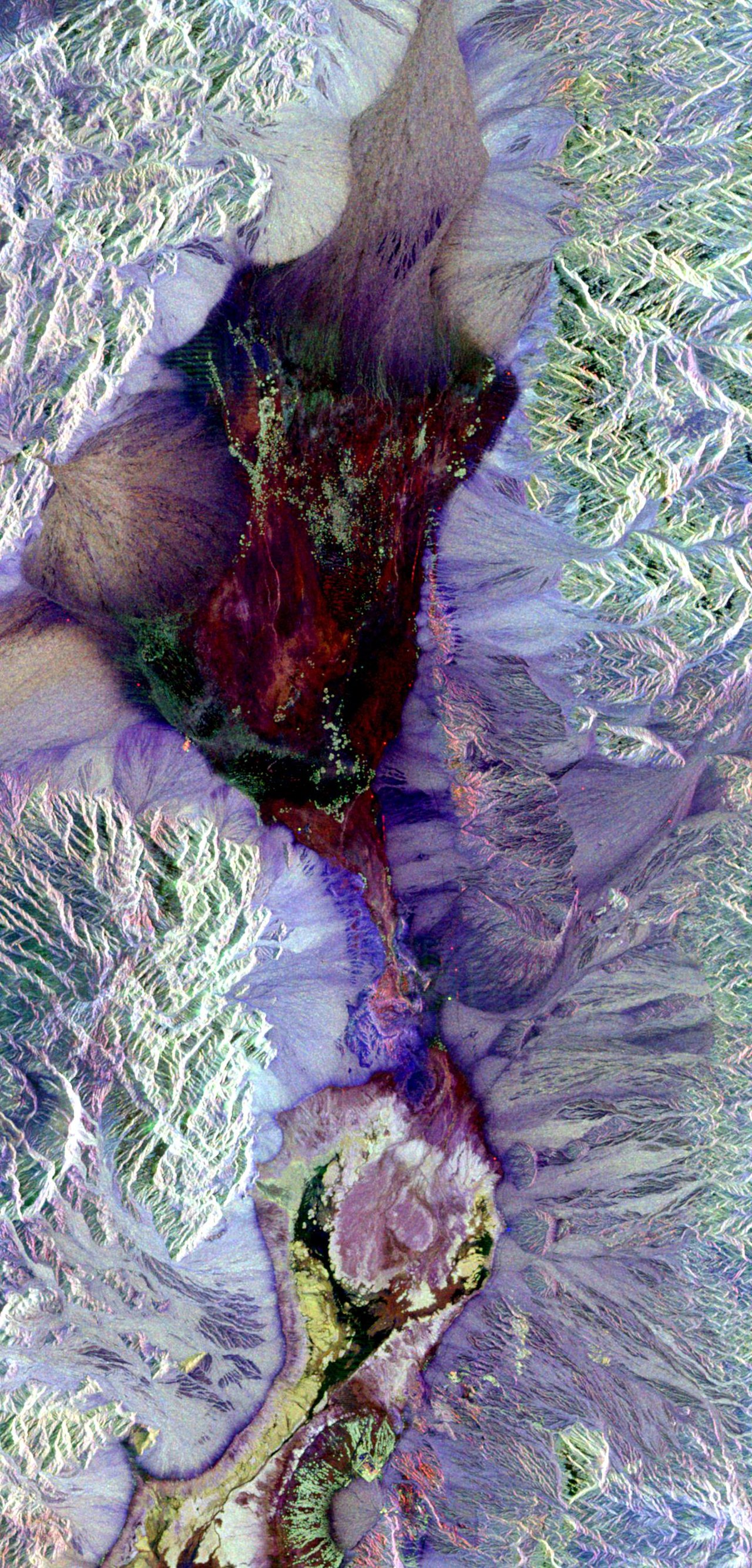
Polarimetry is also used in Remote Sensing to study the properties of the environment and to monitor Climate Change. The use of Polarization Sensitive Instruments has enabled the measurement of the polarization of light reflected from the Earth's surface, providing valuable insights into the properties of the environment. The development of new technologies, such as Hyperspectral Imaging, has also enabled the analysis of the polarization of light in a wide range of applications. By applying polarimetry to remote sensing, scientists can gain a deeper understanding of the environment and develop new technologies and applications.
🔍 Polarimetry in Biomedical Research
In Biomedical Research, polarimetry is used to study the properties of Biological Tissues and to develop new diagnostic tools. The use of Polarization Sensitive OCT has enabled the measurement of the polarization of light in biological tissues, providing valuable insights into the properties of the tissue. The development of new technologies, such as Photoacoustic Imaging, has also enabled the analysis of the polarization of light in a wide range of applications. By applying polarimetry to biomedical research, scientists can gain a deeper understanding of the underlying physics and develop new diagnostic tools and therapies.
💻 Polarimetry in Materials Science
Polarimetry is also used in Materials Science to study the properties of materials and to develop new technologies. The use of Polarization Sensitive Spectroscopy has enabled the measurement of the polarization of light in materials, providing valuable insights into the properties of the material. The development of new technologies, such as Nanostructured Materials, has also enabled the analysis of the polarization of light in a wide range of applications. By applying polarimetry to materials science, scientists can gain a deeper understanding of the underlying physics and develop new materials and technologies.
📈 Future Directions in Polarimetry
As polarimetry continues to evolve, new applications and technologies are emerging. The development of new measurement techniques, such as Polarization Sensitive Detectors, has enabled the measurement of polarization in a wide range of applications. The use of Machine Learning algorithms has also enabled the analysis of large datasets and the extraction of valuable insights. By applying polarimetry to new fields, such as Quantum Communications and Biophotonics, scientists can develop new technologies and applications, and gain a deeper understanding of the underlying physics.
Key Facts
- Year
- 1808
- Origin
- Malus' Law of Polarization
- Category
- Optics and Photonics
- Type
- Scientific Technique
Frequently Asked Questions
What is polarimetry?
Polarimetry is the measurement and interpretation of the polarization of transverse waves, most notably electromagnetic waves, such as radio or light waves. It is a crucial technique in the field of optics and photonics, allowing scientists to gain valuable insights into the properties of materials and objects.
What are the applications of polarimetry?
Polarimetry has a wide range of applications, from optical communications to biomedical research. It is used to characterize the properties of materials and objects, and to develop new technologies and diagnostic tools. Polarimetry is also used in remote sensing to study the properties of the environment and to monitor climate change.
How is polarimetry used in optical communications?
Polarimetry is used in optical communications to characterize the properties of optical fibers and to develop new technologies, such as polarization mode dispersion compensation. It is also used to improve the sensitivity and reliability of optical communication systems.
What is the future of polarimetry?
The future of polarimetry is exciting, with new applications and technologies emerging. The development of new measurement techniques, such as polarization sensitive detectors, has enabled the measurement of polarization in a wide range of applications. The use of machine learning algorithms has also enabled the analysis of large datasets and the extraction of valuable insights.
How is polarimetry used in biomedical research?
Polarimetry is used in biomedical research to study the properties of biological tissues and to develop new diagnostic tools. It is used to measure the polarization of light in biological tissues, providing valuable insights into the properties of the tissue. Polarimetry is also used to develop new therapies and treatments for diseases.
What is the relationship between polarimetry and materials science?
Polarimetry is used in materials science to study the properties of materials and to develop new technologies. It is used to measure the polarization of light in materials, providing valuable insights into the properties of the material. Polarimetry is also used to develop new materials and technologies, such as nanostructured materials.
How is polarimetry used in remote sensing?
Polarimetry is used in remote sensing to study the properties of the environment and to monitor climate change. It is used to measure the polarization of light reflected from the Earth's surface, providing valuable insights into the properties of the environment. Polarimetry is also used to develop new technologies, such as hyperspectral imaging.