
Contents
Overview
Point of care testing (POCT) refers to medical testing conducted at or near the site of patient care, outside of a laboratory setting. This approach has revolutionized healthcare by providing rapid and accurate diagnostic results, enabling healthcare professionals to make informed decisions and take prompt action. POCT has numerous applications, including diagnosing infectious diseases, monitoring chronic conditions, and detecting biomarkers for various health conditions. The use of POCT has improved patient outcomes, reduced healthcare costs, and enhanced the overall quality of care. With advancements in technology, POCT is becoming increasingly sophisticated, with many tests now available for a wide range of medical conditions. As a result, POCT is playing an increasingly important role in modern healthcare, and its impact is expected to continue growing in the coming years.
Introduction to POCT 🏥
Point of care testing (POCT) has become an essential component of modern healthcare, enabling healthcare professionals to provide high-quality care and improve patient outcomes. POCT involves conducting medical tests at or near the site of patient care, using portable and user-friendly devices. This approach has numerous advantages, including rapid results, reduced turnaround times, and enhanced patient satisfaction. POCT has a wide range of applications, including diagnosing infectious diseases, monitoring chronic conditions, and detecting biomarkers for various health conditions. The use of POCT has improved patient outcomes, reduced healthcare costs, and enhanced the overall quality of care. Additionally, POCT has enabled healthcare professionals to provide more personalized care, tailoring treatment plans to individual patient needs.
Types of POCT 🧬
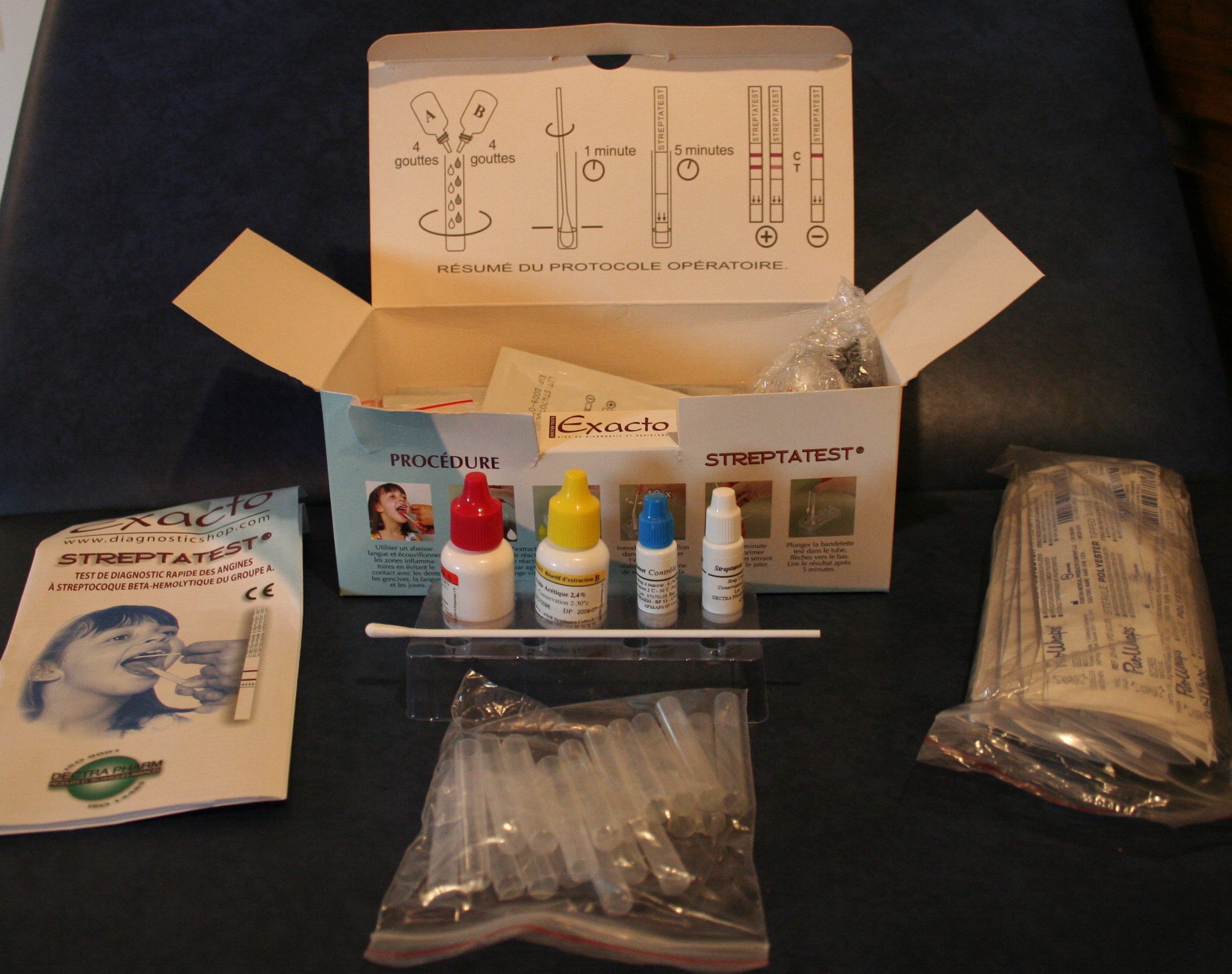
There are several types of POCT, including lateral flow assays, molecular diagnostics, and biosensors. Lateral flow assays are widely used for diagnosing infectious diseases, such as influenza and HIV. Molecular diagnostics, on the other hand, involve the use of nucleic acid amplification tests (NAATs) to detect specific genetic sequences. Biosensors are used to detect biomarkers for various health conditions, such as diabetes and cardiovascular disease. Each type of POCT has its own advantages and limitations, and the choice of test depends on the specific medical condition being diagnosed. Furthermore, POCT devices are becoming increasingly sophisticated, with many tests now available for a wide range of medical conditions.
Applications of POCT 📈
POCT has numerous applications in modern healthcare, including diagnosing infectious diseases, monitoring chronic conditions, and detecting biomarkers for various health conditions. For example, POCT can be used to diagnose respiratory infections, such as pneumonia and tuberculosis. POCT can also be used to monitor chronic conditions, such as diabetes and hypertension. Additionally, POCT can be used to detect biomarkers for various health conditions, such as cancer and cardiovascular disease. The use of POCT has improved patient outcomes, reduced healthcare costs, and enhanced the overall quality of care. Moreover, POCT has enabled healthcare professionals to provide more personalized care, tailoring treatment plans to individual patient needs.
Benefits of POCT 🙌
The benefits of POCT are numerous, including rapid results, reduced turnaround times, and enhanced patient satisfaction. POCT enables healthcare professionals to provide high-quality care and improve patient outcomes. Additionally, POCT has reduced healthcare costs by reducing the need for laboratory tests and minimizing the length of hospital stays. POCT has also enhanced patient satisfaction by providing rapid and accurate diagnostic results, enabling patients to receive prompt treatment and take control of their health. Furthermore, POCT has enabled healthcare professionals to provide more personalized care, tailoring treatment plans to individual patient needs. However, POCT also has some limitations, including the need for training and quality control.
Challenges and Limitations 🚨
Despite the numerous benefits of POCT, there are several challenges and limitations associated with its use. One of the main challenges is the need for training and quality control, as POCT devices require specialized training and maintenance to ensure accurate results. Additionally, POCT devices can be expensive, and the cost of testing can be prohibitive for some patients. Furthermore, POCT has regulatory challenges, as the use of POCT devices is subject to strict regulations and guidelines. However, despite these challenges, POCT is becoming increasingly popular, and its use is expected to continue growing in the coming years. Moreover, advancements in technology are addressing some of the limitations associated with POCT, such as the development of more affordable and user-friendly devices.
Future of POCT 🔮
The future of POCT is promising, with advancements in technology enabling the development of more sophisticated and user-friendly devices. For example, the use of artificial intelligence (AI) and machine learning (ML) is improving the accuracy and speed of POCT devices. Additionally, the development of wearable devices and mobile health (mHealth) technologies is enabling patients to take control of their health and receive personalized care. Furthermore, the use of telemedicine and remote monitoring is expanding the reach of POCT, enabling patients in remote and underserved areas to access high-quality care. However, despite these advancements, POCT still faces regulatory challenges, and the use of POCT devices is subject to strict regulations and guidelines.
Regulatory Framework 📜
The regulatory framework for POCT is complex and subject to strict regulations and guidelines. For example, the use of POCT devices is regulated by the Food and Drug Administration (FDA) in the United States, and the European Medicines Agency (EMA) in Europe. Additionally, POCT devices must meet strict standards for quality and safety, such as the International Organization for Standardization (ISO) and the Clinical and Laboratory Standards Institute (CLSI). Furthermore, the use of POCT devices is subject to guidelines and recommendations from professional organizations, such as the American Medical Association (AMA) and the European Society of Clinical Microbiology and Infectious Diseases (ESCMID). However, despite these regulations, POCT is becoming increasingly popular, and its use is expected to continue growing in the coming years.
Global Market Trends 🌎
The global market for POCT is growing rapidly, driven by the increasing demand for rapid and accurate diagnostic tests. The market is expected to reach $13.5 billion by 2025, growing at a compound annual growth rate (CAGR) of 10.3%. The market is driven by the increasing prevalence of infectious diseases, the growing demand for personalized medicine, and the expanding use of telemedicine and remote monitoring. Additionally, the development of more affordable and user-friendly devices is expanding the reach of POCT, enabling patients in remote and underserved areas to access high-quality care. However, despite the growth of the market, POCT still faces challenges, such as the need for training and quality control, and the regulatory framework for POCT is complex and subject to strict regulations and guidelines.
Key Facts
- Year
- 2022
- Origin
- United States
- Category
- nutrition
- Type
- Medical Technology
Frequently Asked Questions
What is point of care testing?
Point of care testing (POCT) refers to medical testing conducted at or near the site of patient care, outside of a laboratory setting. POCT enables healthcare professionals to provide high-quality care and improve patient outcomes. POCT has numerous applications, including diagnosing infectious diseases, monitoring chronic conditions, and detecting biomarkers for various health conditions.
What are the benefits of POCT?
The benefits of POCT include rapid results, reduced turnaround times, and enhanced patient satisfaction. POCT enables healthcare professionals to provide high-quality care and improve patient outcomes. Additionally, POCT has reduced healthcare costs by reducing the need for laboratory tests and minimizing the length of hospital stays.
What are the challenges and limitations of POCT?
Despite the numerous benefits of POCT, there are several challenges and limitations associated with its use. One of the main challenges is the need for training and quality control, as POCT devices require specialized training and maintenance to ensure accurate results. Additionally, POCT devices can be expensive, and the cost of testing can be prohibitive for some patients.
What is the future of POCT?
The future of POCT is promising, with advancements in technology enabling the development of more sophisticated and user-friendly devices. For example, the use of artificial intelligence (AI) and machine learning (ML) is improving the accuracy and speed of POCT devices. Additionally, the development of wearable devices and mobile health (mHealth) technologies is enabling patients to take control of their health and receive personalized care.
What is the regulatory framework for POCT?
The regulatory framework for POCT is complex and subject to strict regulations and guidelines. For example, the use of POCT devices is regulated by the Food and Drug Administration (FDA) in the United States, and the European Medicines Agency (EMA) in Europe. Additionally, POCT devices must meet strict standards for quality and safety, such as the International Organization for Standardization (ISO) and the Clinical and Laboratory Standards Institute (CLSI).