
Contents
- 🎵 Origins & History
- ⚙️ How It Works
- 📊 Key Facts & Numbers
- 👥 Key People & Organizations
- 🌍 Cultural Impact & Influence
- ⚡ Current State & Latest Developments
- 🤔 Controversies & Debates
- 🔮 Future Outlook & Predictions
- 💡 Practical Applications
- 📚 Related Topics & Deeper Reading
- Frequently Asked Questions
- References
- Related Topics
Overview
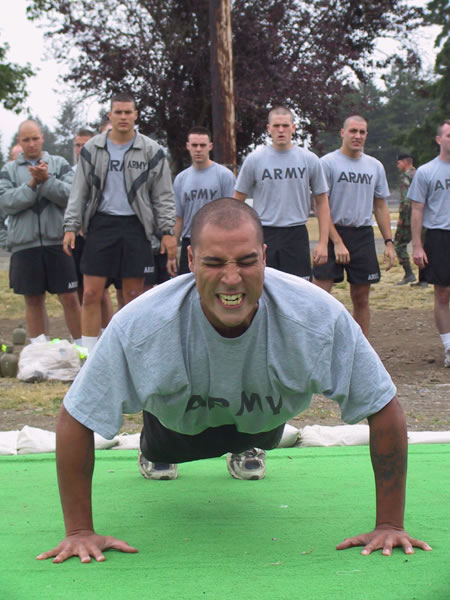
A physical fitness test is a comprehensive assessment of an individual's physical abilities, typically measuring muscular strength, endurance, and cardiovascular respiratory fitness. The most well-known example is the United States Army Physical Fitness Test (APFT), which consists of three events: push-ups, sit-ups, and a two-mile run. Each event is scored from 0 to 100 points, with a minimum score of 60 required to pass. The APFT is a critical component of a soldier's overall fitness evaluation, with active component and Active Guard Reserve (AGR) component soldiers required to take the test at least twice per calendar year. The test has undergone several revisions since its inception, with the current version emphasizing the importance of overall fitness and readiness. According to the American Council on Exercise, regular physical fitness testing can help individuals identify areas for improvement and track progress over time. The World Health Organization also recognizes the importance of physical fitness testing in promoting overall health and well-being. With the rise of wearable technology and fitness tracking, physical fitness testing has become more accessible and convenient than ever before.
🎵 Origins & History
The concept of physical fitness testing dates back to ancient civilizations, with evidence of athletic competitions and military training programs found in ancient Greece and Rome. The modern physical fitness test, however, has its roots in the early 20th century, with the introduction of the United States Army Physical Fitness Test (APFT) in the 1940s. The APFT was designed to measure the muscular strength, endurance, and cardiovascular respiratory fitness of soldiers, with the goal of ensuring that they were physically prepared for combat. Over the years, the test has undergone several revisions, with the current version consisting of three events: push-ups, sit-ups, and a two-mile run. According to WebMD, regular physical activity can help reduce the risk of chronic diseases, such as heart disease and diabetes.
⚙️ How It Works
The physical fitness test is designed to assess an individual's overall fitness level, with a focus on muscular strength, endurance, and cardiovascular respiratory fitness. The test typically consists of a series of exercises, such as push-ups, sit-ups, and running, which are designed to challenge the individual's physical abilities. The test is usually administered by a certified instructor or trainer, who provides guidance and support throughout the testing process. The American Heart Association recommends at least 150 minutes of moderate-intensity aerobic activity per week, which can be achieved through regular physical fitness testing and exercise.
📊 Key Facts & Numbers
The physical fitness test is scored based on the individual's performance in each event, with a minimum score of 60 required to pass. The test is timed, with each event having a specific time limit. For example, the push-up event is timed for 2 minutes, during which time the individual must complete as many push-ups as possible. The sit-up event is also timed for 2 minutes, with the individual required to complete as many sit-ups as possible. The two-mile run is timed, with the individual required to complete the run in under a certain time limit. According to Mayo Clinic, regular exercise can help improve overall physical fitness and reduce the risk of injury.
👥 Key People & Organizations
The physical fitness test is administered by a variety of organizations, including the United States Army, United States Navy, and United States Air Force. The test is also used by law enforcement agencies, fire departments, and other organizations that require a high level of physical fitness. The test is typically administered by a certified instructor or trainer, who provides guidance and support throughout the testing process. The National Institute on Aging recommends regular physical activity for older adults, which can help improve overall health and well-being.
🌍 Cultural Impact & Influence
The physical fitness test has had a significant impact on popular culture, with many people using the test as a benchmark for their own fitness levels. The test has also been featured in various forms of media, including movies and television shows. For example, the movie Full Metal Jacket features a scene in which the characters are required to take a physical fitness test. The test has also been referenced in various forms of music, with many artists using the test as a metaphor for physical and mental toughness. According to Harvard Health Publishing, regular physical activity can help improve overall mental health and well-being.
⚡ Current State & Latest Developments
The physical fitness test is currently undergoing revisions, with a focus on making the test more comprehensive and effective. The test is being updated to include new events and exercises, such as the burpee and the mountain climber. The test is also being modified to include more emphasis on functional fitness, with a focus on exercises that mimic real-world activities. The American Council on Exercise recommends incorporating functional exercises into a regular fitness routine, which can help improve overall physical fitness and reduce the risk of injury.
🤔 Controversies & Debates
The physical fitness test has been the subject of controversy and debate, with some arguing that the test is not an effective measure of overall fitness. Others have argued that the test is too narrow, and that it does not take into account other important aspects of fitness, such as flexibility and balance. Despite these criticisms, the physical fitness test remains a widely used and respected measure of physical fitness. According to The New York Times, regular physical activity can help reduce the risk of chronic diseases, such as heart disease and diabetes.
🔮 Future Outlook & Predictions
The future of the physical fitness test is likely to involve the use of new technologies and methods, such as wearable technology and artificial intelligence. These technologies will allow for more accurate and comprehensive assessments of physical fitness, and will provide individuals with more detailed and personalized feedback. The World Economic Forum recommends incorporating technology into physical fitness testing, which can help improve overall health and well-being.
💡 Practical Applications
The physical fitness test has a variety of practical applications, including its use in the military, law enforcement, and firefighting. The test is also used in various sports and athletic programs, where it is used to assess an individual's fitness level and to provide feedback for improvement. The test is also used in various fitness and wellness programs, where it is used to assess an individual's fitness level and to provide guidance for improvement. According to The American College of Sports Medicine, regular physical activity can help improve overall physical fitness and reduce the risk of injury.
Key Facts
- Year
- 1940s
- Origin
- United States
- Category
- fitness
- Type
- concept
Frequently Asked Questions
What is the purpose of the physical fitness test?
The physical fitness test is designed to assess an individual's overall fitness level, with a focus on muscular strength, endurance, and cardiovascular respiratory fitness. The test is used to evaluate an individual's fitness level and to provide feedback for improvement. According to WebMD, regular physical activity can help reduce the risk of chronic diseases, such as heart disease and diabetes.
How is the physical fitness test scored?
The physical fitness test is scored based on the individual's performance in each event, with a minimum score of 60 required to pass. The test is timed, with each event having a specific time limit. The score is calculated based on the individual's performance in each event, with a higher score indicating a higher level of fitness. The American Heart Association recommends at least 150 minutes of moderate-intensity aerobic activity per week, which can be achieved through regular physical fitness testing and exercise.
What are the benefits of physical fitness testing?
The benefits of physical fitness testing include improved overall fitness level, increased muscular strength and endurance, and enhanced cardiovascular respiratory fitness. The test can also help identify areas for improvement and provide feedback for improvement. According to Mayo Clinic, regular exercise can help improve overall physical fitness and reduce the risk of injury.
How often should I take a physical fitness test?
The frequency of physical fitness testing depends on the individual's fitness goals and level of activity. It is recommended to take a physical fitness test at least once per year, with more frequent testing for individuals who are actively training or competing. The National Institute on Aging recommends regular physical activity for older adults, which can help improve overall health and well-being.
What are the different types of physical fitness tests?
There are several types of physical fitness tests, including the Army Physical Fitness Test (APFT), the Navy Physical Fitness Test, and the Air Force Physical Fitness Test. Each test has its own unique events and scoring system, but all are designed to assess an individual's overall fitness level. The American Council on Exercise recommends incorporating functional exercises into a regular fitness routine, which can help improve overall physical fitness and reduce the risk of injury.
How can I prepare for a physical fitness test?
To prepare for a physical fitness test, it is recommended to engage in regular physical activity, such as cardio and strength training. It is also important to practice the specific events and exercises that will be included in the test, such as push-ups and sit-ups. The World Health Organization recommends at least 150 minutes of moderate-intensity aerobic activity per week, which can be achieved through regular physical fitness testing and exercise.
What are the risks of physical fitness testing?
The risks of physical fitness testing include injury, exhaustion, and dehydration. It is important to listen to your body and to stop if you experience any discomfort or pain during the test. The Mayo Clinic recommends regular exercise, but also emphasizes the importance of proper warm-up and cool-down routines to prevent injury.