
Contents
- 🌎 Introduction to Peacekeeping Missions
- 💪 The History of Peacekeeping: From [[united_nations|United Nations]] to Modern-Day Missions
- 🌈 The Role of Peacekeepers: Protecting Civilians and Maintaining [[international_peace_and_security|International Peace and Security]]
- 🚫 Challenges Faced by Peacekeepers: [[conflict_resolution|Conflict Resolution]] and [[humanitarian_crisis|Humanitarian Crisis]]
- 👥 The Importance of International Cooperation: [[un_security_council|UN Security Council]] and [[regional_organizations|Regional Organizations]]
- 📊 The Cost of Peacekeeping: [[un_peacekeeping_budget|UN Peacekeeping Budget]] and [[financial_contributions|Financial Contributions]]
- 🌍 Case Studies: [[somalia_civil_war|Somalia Civil War]] and [[bosnian_war|Bosnian War]]
- 🔮 The Future of Peacekeeping: [[technology_and_peacekeeping|Technology and Peacekeeping]] and [[sustainable_development|Sustainable Development]]
- 👮 The Role of Women in Peacekeeping: [[women_in_peacekeeping|Women in Peacekeeping]] and [[gender_mainstreaming|Gender Mainstreaming]]
- 📚 Conclusion: The Delicate Balance of Power and Protection in Peacekeeping Missions
- Frequently Asked Questions
- Related Topics
Overview
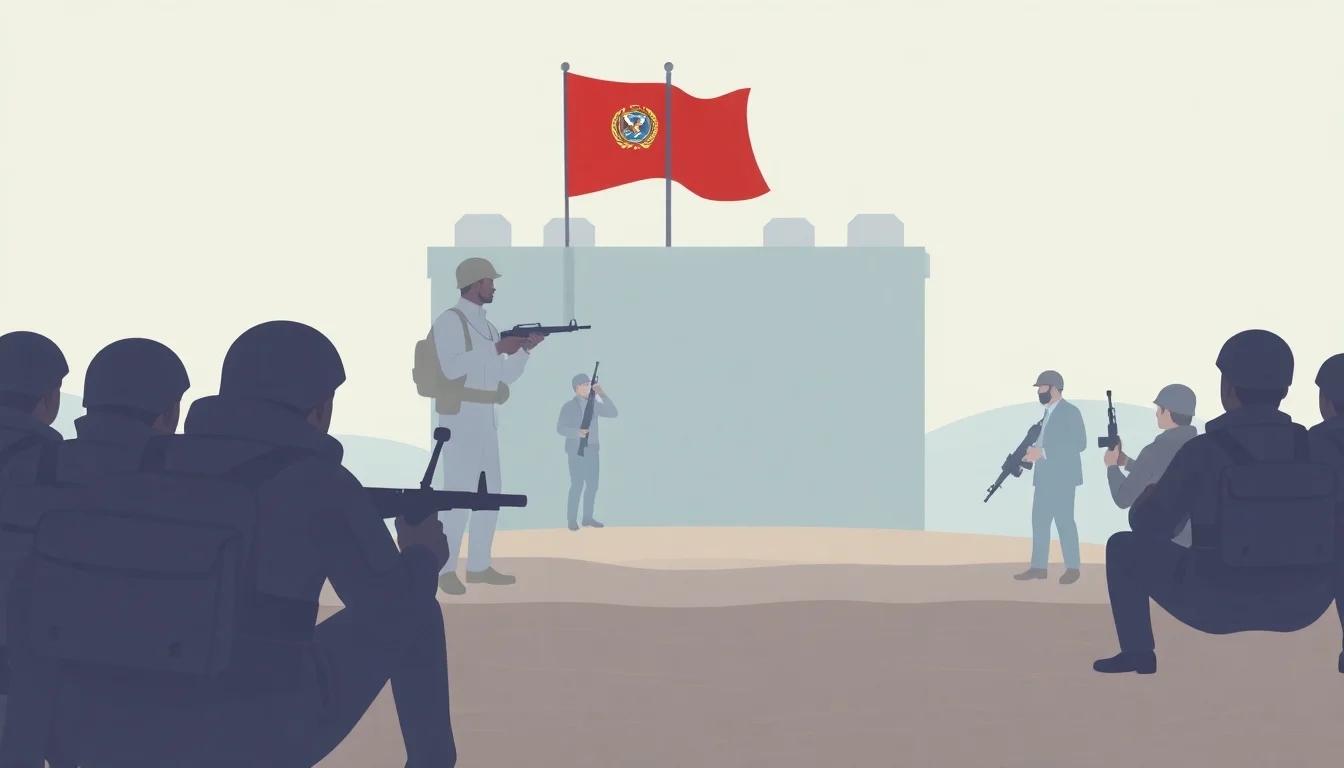
Peacekeeping missions, with a vibe rating of 6, have been a cornerstone of international conflict resolution since the establishment of the United Nations in 1945. The first peacekeeping mission, the United Nations Truce Supervision Organization (UNTSO), was deployed in 1948 to monitor the Arab-Israeli conflict. Since then, over 70 peacekeeping missions have been launched, with the most notable being the United Nations Operation in Somalia (UNOSOM) and the United Nations Mission in Sierra Leone (UNAMSIL). However, peacekeeping missions have also been marred by controversy, including the 1994 Rwandan genocide and the 1995 Srebrenica massacre. The effectiveness of peacekeeping missions is often debated, with some arguing that they are essential for maintaining global stability, while others claim that they are often ineffective and even counterproductive. As the global security landscape continues to evolve, the role of peacekeeping missions will likely remain a critical component of international relations, with key entities such as the UN Department of Peacekeeping Operations and the African Union playing a crucial role in shaping their future.
🌎 Introduction to Peacekeeping Missions
Peacekeeping missions have been a crucial aspect of International Relations for decades, with the primary goal of maintaining International Peace and Security. The United Nations has been at the forefront of these efforts, with a strong commitment to protecting civilians and preventing Humanitarian Crisis. However, peacekeeping missions are often faced with numerous challenges, including Conflict Resolution and Peacebuilding. To address these challenges, it is essential to understand the History of Peacekeeping and the role of UN Security Council in authorizing peacekeeping missions. The UN Peacekeeping Budget is also a critical aspect of peacekeeping, with Financial Contributions from member states playing a vital role in supporting these missions.
💪 The History of Peacekeeping: From [[united_nations|United Nations]] to Modern-Day Missions
The history of peacekeeping dates back to the early days of the United Nations, with the first peacekeeping mission established in 1948. Since then, peacekeeping missions have evolved to address various types of conflicts, including Civil Wars and International Conflicts. The UN Security Council has played a crucial role in authorizing peacekeeping missions, with the council's five permanent members - China, France, Russia, United Kingdom, and United States - having veto power over council decisions. The Regional Organizations also play a vital role in supporting peacekeeping missions, with organizations such as the African Union and European Union providing critical support to peacekeeping efforts.
🌈 The Role of Peacekeepers: Protecting Civilians and Maintaining [[international_peace_and_security|International Peace and Security]]
The role of peacekeepers is multifaceted, with a primary focus on protecting civilians and maintaining International Peace and Security. Peacekeepers are also involved in Humanitarian Assistance, including providing aid to Refugees and Internally Displaced Persons. However, peacekeepers often face numerous challenges, including Conflict Resolution and Humanitarian Crisis. To address these challenges, it is essential to understand the Principles of Peacekeeping and the role of UN Peacekeeping in maintaining international peace and security. The United Nations Development Programme also plays a critical role in supporting peacekeeping efforts, with a focus on Sustainable Development and Poverty Reduction.
🚫 Challenges Faced by Peacekeepers: [[conflict_resolution|Conflict Resolution]] and [[humanitarian_crisis|Humanitarian Crisis]]
Peacekeeping missions are often faced with numerous challenges, including Conflict Resolution and Humanitarian Crisis. To address these challenges, it is essential to understand the Causes of Conflict and the role of Peacebuilding in preventing future conflicts. The UN Security Council also plays a crucial role in addressing these challenges, with the council's ability to authorize peacekeeping missions and impose Sanctions on countries that pose a threat to international peace and security. The International Community also has a critical role to play in supporting peacekeeping efforts, with Civil Society organizations and Non-Governmental Organizations providing vital support to peacekeeping missions.
👥 The Importance of International Cooperation: [[un_security_council|UN Security Council]] and [[regional_organizations|Regional Organizations]]
International cooperation is essential for the success of peacekeeping missions, with the UN Security Council playing a crucial role in authorizing peacekeeping missions. The Regional Organizations also play a vital role in supporting peacekeeping missions, with organizations such as the African Union and European Union providing critical support to peacekeeping efforts. The United Nations also has a number of Specialized Agencies, including the UN High Commissioner for Refugees and the World Food Programme, which provide vital support to peacekeeping missions. The International Community also has a critical role to play in supporting peacekeeping efforts, with Civil Society organizations and Non-Governmental Organizations providing vital support to peacekeeping missions.
📊 The Cost of Peacekeeping: [[un_peacekeeping_budget|UN Peacekeeping Budget]] and [[financial_contributions|Financial Contributions]]
The cost of peacekeeping is significant, with the UN Peacekeeping Budget totaling over $6 billion in 2020. The Financial Contributions from member states are critical to supporting peacekeeping missions, with the top contributors including the United States, China, and Japan. The United Nations also has a number of Funding Mechanisms in place to support peacekeeping missions, including the UN Peacekeeping Fund and the UN Emergency Fund. The International Community also has a critical role to play in supporting peacekeeping efforts, with Civil Society organizations and Non-Governmental Organizations providing vital support to peacekeeping missions.
🌍 Case Studies: [[somalia_civil_war|Somalia Civil War]] and [[bosnian_war|Bosnian War]]
Case studies of peacekeeping missions provide valuable insights into the challenges and successes of these missions. The Somalia Civil War and the Bosnian War are two examples of peacekeeping missions that have been the subject of extensive study. The United Nations played a critical role in both of these conflicts, with the organization's peacekeeping missions helping to maintain International Peace and Security. The UN Security Council also played a crucial role in authorizing peacekeeping missions in both conflicts, with the council's ability to impose Sanctions on countries that pose a threat to international peace and security. The Regional Organizations also played a vital role in supporting peacekeeping efforts in both conflicts, with organizations such as the African Union and European Union providing critical support to peacekeeping missions.
🔮 The Future of Peacekeeping: [[technology_and_peacekeeping|Technology and Peacekeeping]] and [[sustainable_development|Sustainable Development]]
The future of peacekeeping is likely to be shaped by a number of factors, including the increasing use of Technology and Peacekeeping. The United Nations is already using a range of technologies, including Drones and Satellite Imagery, to support peacekeeping missions. The Sustainable Development of peacekeeping missions is also likely to be a key focus area in the future, with the United Nations and other organizations working to ensure that peacekeeping missions are environmentally sustainable and socially responsible. The International Community also has a critical role to play in supporting peacekeeping efforts, with Civil Society organizations and Non-Governmental Organizations providing vital support to peacekeeping missions.
👮 The Role of Women in Peacekeeping: [[women_in_peacekeeping|Women in Peacekeeping]] and [[gender_mainstreaming|Gender Mainstreaming]]
The role of women in peacekeeping is critical, with women playing a vital role in maintaining International Peace and Security. The United Nations has a number of initiatives in place to support the role of women in peacekeeping, including the Women in Peacekeeping initiative. The Gender Mainstreaming of peacekeeping missions is also a key focus area, with the United Nations working to ensure that peacekeeping missions are gender-sensitive and responsive to the needs of women and girls. The International Community also has a critical role to play in supporting the role of women in peacekeeping, with Civil Society organizations and Non-Governmental Organizations providing vital support to peacekeeping missions.
📚 Conclusion: The Delicate Balance of Power and Protection in Peacekeeping Missions
In conclusion, peacekeeping missions are a delicate balance of power and protection, with the primary goal of maintaining International Peace and Security. The United Nations plays a critical role in authorizing and supporting peacekeeping missions, with the UN Security Council and Regional Organizations providing vital support to peacekeeping efforts. The International Community also has a critical role to play in supporting peacekeeping efforts, with Civil Society organizations and Non-Governmental Organizations providing vital support to peacekeeping missions. As the world continues to evolve, it is likely that peacekeeping missions will play an increasingly important role in maintaining international peace and security.
Key Facts
- Year
- 1945
- Origin
- United Nations
- Category
- International Relations
- Type
- International Organization
Frequently Asked Questions
What is the primary goal of peacekeeping missions?
The primary goal of peacekeeping missions is to maintain International Peace and Security. Peacekeeping missions are designed to protect civilians and prevent Humanitarian Crisis. The United Nations plays a critical role in authorizing and supporting peacekeeping missions, with the UN Security Council and Regional Organizations providing vital support to peacekeeping efforts.
What are the challenges faced by peacekeepers?
Peacekeepers face a number of challenges, including Conflict Resolution and Humanitarian Crisis. Peacekeepers must also navigate complex political and social environments, and may face Security Threats and Logistical Challenges. The United Nations and other organizations are working to address these challenges and support the success of peacekeeping missions.
How are peacekeeping missions funded?
Peacekeeping missions are funded through a combination of Financial Contributions from member states and Funding Mechanisms established by the United Nations. The UN Peacekeeping Budget totals over $6 billion, with the top contributors including the United States, China, and Japan.
What is the role of women in peacekeeping?
The role of women in peacekeeping is critical, with women playing a vital role in maintaining International Peace and Security. The United Nations has a number of initiatives in place to support the role of women in peacekeeping, including the Women in Peacekeeping initiative. The Gender Mainstreaming of peacekeeping missions is also a key focus area, with the United Nations working to ensure that peacekeeping missions are gender-sensitive and responsive to the needs of women and girls.
What is the future of peacekeeping?
The future of peacekeeping is likely to be shaped by a number of factors, including the increasing use of Technology and Peacekeeping. The United Nations is already using a range of technologies, including Drones and Satellite Imagery, to support peacekeeping missions. The Sustainable Development of peacekeeping missions is also likely to be a key focus area in the future, with the United Nations and other organizations working to ensure that peacekeeping missions are environmentally sustainable and socially responsible.