
Contents
- 🌎 Introduction to Peacebuilding
- 📈 Theories of Peacebuilding
- 🕊️ Negotiation and Mediation
- 💡 Reconciliation and Transitional Justice
- 🌈 Cultural Sensitivity in Peacebuilding
- 📊 Economic Development and Peacebuilding
- 👥 Civil Society and Peacebuilding
- 🔍 Challenges and Criticisms of Peacebuilding
- 🌐 International Organizations and Peacebuilding
- 📚 Case Studies in Peacebuilding
- 🕒 Future Directions in Peacebuilding
- Frequently Asked Questions
- Related Topics
Overview
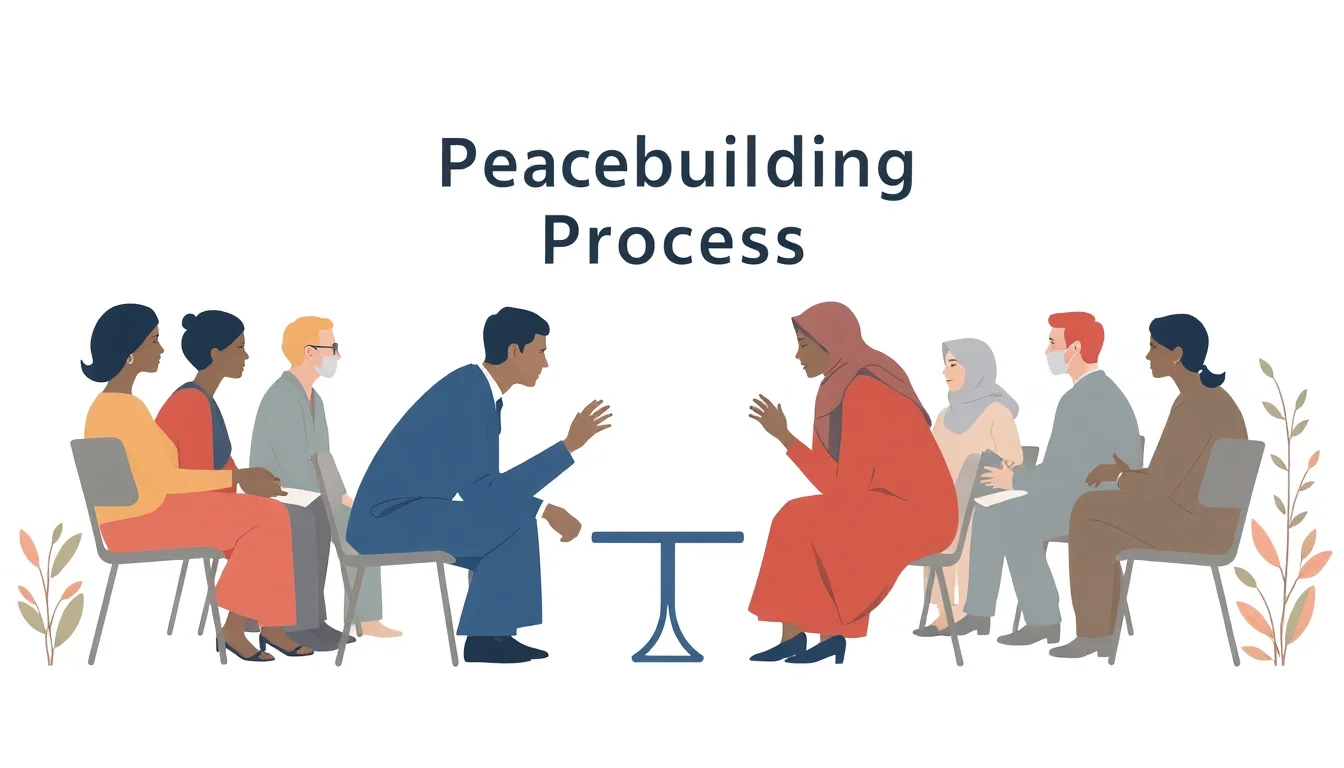
The peacebuilding process is a multifaceted and dynamic endeavor that involves a range of stakeholders, from local communities to international organizations. It encompasses various stages, including conflict assessment, negotiation, and implementation of peace agreements, as well as post-conflict reconstruction and reconciliation. According to the United Nations, successful peacebuilding requires a comprehensive approach that addresses the root causes of conflict, promotes social cohesion, and supports economic development. However, the process is often fraught with challenges, including power imbalances, lack of trust, and limited resources. Despite these obstacles, peacebuilding has been successful in various contexts, such as in Rwanda, where the post-genocide reconstruction efforts have led to significant economic growth and social stability. As noted by peacebuilding expert, John Paul Lederach, the key to successful peacebuilding lies in empowering local communities and fostering a culture of nonviolence and dialogue. With a vibe score of 8, the peacebuilding process is a critical and timely topic that requires continued attention and investment from the international community.
🌎 Introduction to Peacebuilding
The peacebuilding process is a complex and multifaceted field that involves the study of peace and the resolution of conflicts. It requires a deep understanding of the international relations and the global governance structures that shape the world we live in. Peacebuilding is not just about ending wars, but also about creating a sustainable and lasting peace that promotes human rights and social justice. The United Nations has played a crucial role in promoting peacebuilding efforts around the world, particularly through its peacekeeping missions. However, peacebuilding is not just the responsibility of governments and international organizations, but also of civil society and individuals who can contribute to creating a culture of peace.
📈 Theories of Peacebuilding
There are several theories of peace that underpin the peacebuilding process, including the liberal peace theory, the realist peace theory, and the critical peace theory. These theories provide a framework for understanding the complexities of peacebuilding and the various approaches that can be taken to achieve sustainable peace. The peacebuilding process itself involves a range of activities, including negotiation, mediation, and reconciliation. It also requires a deep understanding of the conflict analysis and the conflict transformation processes. The international community has a critical role to play in supporting peacebuilding efforts, particularly through the provision of humanitarian aid and development assistance.
🕊️ Negotiation and Mediation
Negotiation and mediation are critical components of the peacebuilding process, as they provide a platform for parties to engage in conflict resolution and to find mutually acceptable solutions. The Oslo process, for example, was a successful negotiation process that led to the Israeli-Palestinian peace process. However, negotiation and mediation can be challenging, particularly in situations where there are deep-seated conflicts and a lack of trust between parties. The Good Friday Agreement is another example of a successful negotiation process that led to a lasting peace in Northern Ireland. The role of third-party mediation can be crucial in facilitating negotiation and mediation processes, particularly in situations where parties are unable to engage in direct talks.
💡 Reconciliation and Transitional Justice
Reconciliation and transitional justice are essential components of the peacebuilding process, as they provide a means of addressing the legacy of conflict and promoting accountability for human rights abuses. The Truth and Reconciliation Commission in South Africa is an example of a successful transitional justice process that promoted reconciliation and healing. However, reconciliation and transitional justice can be challenging, particularly in situations where there are deep-seated divisions and a lack of political will to address the past. The International Criminal Court has played a crucial role in promoting accountability for human rights abuses and in supporting transitional justice processes around the world.
🌈 Cultural Sensitivity in Peacebuilding
Cultural sensitivity is critical in peacebuilding, as it requires an understanding of the local context and the cultural norms that shape the conflict. The local ownership of peacebuilding processes is essential, as it ensures that peacebuilding efforts are tailored to the specific needs and context of the local community. The role of traditional peacebuilding practices can be crucial in promoting cultural sensitivity and in supporting peacebuilding efforts. However, cultural sensitivity can be challenging, particularly in situations where there are deep-seated cultural divisions and a lack of cultural understanding. The United Nations Development Programme has played a crucial role in promoting cultural sensitivity and in supporting peacebuilding efforts around the world.
📊 Economic Development and Peacebuilding
Economic development is a critical component of peacebuilding, as it provides a means of addressing the root causes of conflict and promoting sustainable development. The Millennium Development Goals and the Sustainable Development Goals have played a crucial role in promoting economic development and in supporting peacebuilding efforts around the world. However, economic development can be challenging, particularly in situations where there are deep-seated economic inequalities and a lack of economic opportunities. The World Bank and the International Monetary Fund have played a crucial role in promoting economic development and in supporting peacebuilding efforts around the world.
👥 Civil Society and Peacebuilding
Civil society has a critical role to play in peacebuilding, as it provides a means of promoting grassroots peacebuilding and supporting community-led initiatives. The non-governmental organizations and the community-based organizations have played a crucial role in promoting peacebuilding efforts around the world. However, civil society can face challenges, particularly in situations where there are deep-seated restrictions on civil society and a lack of political space. The United Nations Civil Society Unit has played a crucial role in promoting civil society engagement and in supporting peacebuilding efforts around the world.
🔍 Challenges and Criticisms of Peacebuilding
The peacebuilding process can face several challenges and criticisms, including the lack of political will, the limited resources, and the inadequate institutional capacity. The international community has a critical role to play in addressing these challenges and in supporting peacebuilding efforts around the world. However, the international community can also face challenges, particularly in situations where there are deep-seated divisions and a lack of cohesion. The United Nations Peacebuilding Commission has played a crucial role in promoting peacebuilding efforts and in addressing the challenges faced by the peacebuilding process.
🌐 International Organizations and Peacebuilding
International organizations have a critical role to play in promoting peacebuilding efforts around the world. The United Nations has played a crucial role in promoting peacebuilding efforts, particularly through its peacekeeping missions and its peacebuilding commission. The European Union and the African Union have also played a crucial role in promoting peacebuilding efforts, particularly in their respective regions. However, international organizations can face challenges, particularly in situations where there are deep-seated divisions and a lack of cohesion. The international community has a critical role to play in supporting the peacebuilding efforts of international organizations and in addressing the challenges faced by these organizations.
📚 Case Studies in Peacebuilding
There are several case studies that demonstrate the effectiveness of peacebuilding efforts, including the Northern Ireland peace process and the South African Truth and Reconciliation Commission. These case studies provide valuable lessons for peacebuilding efforts around the world and demonstrate the importance of local ownership, cultural sensitivity, and international support. However, each case study is unique, and there is no one-size-fits-all approach to peacebuilding. The peacebuilding process must be tailored to the specific needs and context of each situation.
🕒 Future Directions in Peacebuilding
The future of peacebuilding is uncertain, and there are several challenges that must be addressed in order to promote sustainable peace. The climate change and the global economic crisis have created new challenges for peacebuilding efforts, and the international community must be prepared to address these challenges. The United Nations has a critical role to play in promoting peacebuilding efforts and in addressing the challenges faced by the peacebuilding process. However, the United Nations must also be prepared to adapt to changing circumstances and to evolve its approach to peacebuilding in order to remain effective.
Key Facts
- Year
- 2022
- Origin
- United Nations
- Category
- International Relations
- Type
- Concept
Frequently Asked Questions
What is peacebuilding?
Peacebuilding is the process of creating a sustainable and lasting peace that promotes human rights and social justice. It involves a range of activities, including negotiation, mediation, and reconciliation, and requires a deep understanding of the local context and the cultural norms that shape the conflict. The peacebuilding process is complex and multifaceted, and it requires the involvement of governments, international organizations, civil society, and individuals.
What are the key components of peacebuilding?
The key components of peacebuilding include negotiation, mediation, reconciliation, and transitional justice. These components provide a means of addressing the legacy of conflict and promoting accountability for human rights abuses. The peacebuilding process also requires a deep understanding of the local context and the cultural norms that shape the conflict, as well as the involvement of governments, international organizations, civil society, and individuals.
What is the role of international organizations in peacebuilding?
International organizations have a critical role to play in promoting peacebuilding efforts around the world. The United Nations, for example, has played a crucial role in promoting peacebuilding efforts, particularly through its peacekeeping missions and its peacebuilding commission. The European Union and the African Union have also played a crucial role in promoting peacebuilding efforts, particularly in their respective regions.
What are the challenges faced by peacebuilding efforts?
The peacebuilding process can face several challenges, including the lack of political will, the limited resources, and the inadequate institutional capacity. The international community has a critical role to play in addressing these challenges and in supporting peacebuilding efforts around the world. However, the international community can also face challenges, particularly in situations where there are deep-seated divisions and a lack of cohesion.
What is the future of peacebuilding?
The future of peacebuilding is uncertain, and there are several challenges that must be addressed in order to promote sustainable peace. The climate change and the global economic crisis have created new challenges for peacebuilding efforts, and the international community must be prepared to address these challenges. The United Nations has a critical role to play in promoting peacebuilding efforts and in addressing the challenges faced by the peacebuilding process.
How can individuals contribute to peacebuilding efforts?
Individuals can contribute to peacebuilding efforts in a variety of ways, including by supporting local peacebuilding initiatives, advocating for peacebuilding policies, and promoting cultural understanding and exchange. Individuals can also play a critical role in promoting peacebuilding efforts by supporting international organizations and governments in their peacebuilding efforts. The peacebuilding process requires the involvement of individuals, and their contributions can make a significant difference in promoting sustainable peace.
What is the relationship between peacebuilding and human rights?
Peacebuilding and human rights are closely linked, as peacebuilding efforts aim to promote human rights and social justice. The peacebuilding process involves a range of activities, including negotiation, mediation, and reconciliation, which are designed to address the legacy of conflict and promote accountability for human rights abuses. The international community has a critical role to play in promoting peacebuilding efforts and in supporting human rights, particularly in situations where there are deep-seated conflicts and a lack of political will to address human rights abuses.