
Contents
- 🔥 Introduction to Partisan Polarization
- 📊 Understanding Ideological Polarization
- 💔 Affective Polarization: The Emotional Divide
- 🗣️ The Role of Media in Polarization
- 👥 The Impact of Social Media on Politics
- 🏛️ Legislative Gridlock and Polarization
- 📈 The Economics of Polarization
- 🌎 Global Perspectives on Partisan Polarization
- 🤝 Bridging the Divide: Potential Solutions
- 📊 Measuring Polarization: Vibe Scores and Controversy Spectrums
- 🔮 The Future of Partisan Polarization
- Frequently Asked Questions
- Related Topics
Overview
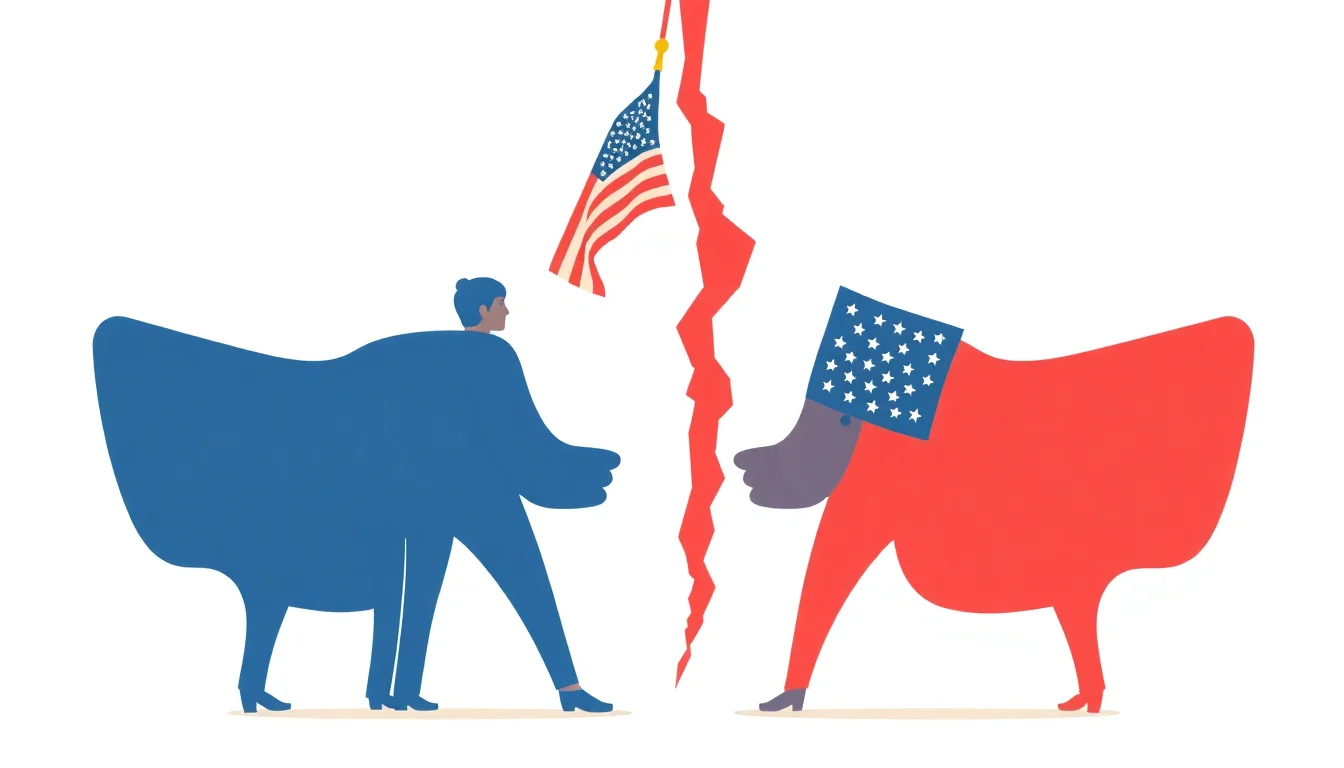
The Great Divide: Partisan Polarization is a phenomenon that has been increasingly evident in modern politics, with partisan polarization being a major contributor to the erosion of civil discourse and the polarization of politics. This trend is characterized by the divergence of political attitudes away from the center, towards ideological extremes, as noted by scholars who distinguish between ideological polarization and affective polarization. The consequences of this divide are far-reaching, affecting not only the political landscape but also social media platforms and civic engagement. As the 2020 United States presidential election demonstrated, the effects of partisan polarization can be intense and divisive, leading to electoral gridlock and legislative stalemate.
📊 Understanding Ideological Polarization
Ideological polarization refers to the increasing divide between individuals with different political ideologies, such as liberalism and conservatism. This type of polarization is often measured by public opinion polls and voting patterns, which reveal a growing gap between the political left and right. As political scientists like Alan Abbott have noted, ideological polarization can lead to legislative polarization, where politicians become more entrenched in their views and less willing to compromise. The Tea Party movement and the Occupy Wall Street movement are examples of ideological polarization in action, with each side advocating for fiscal conservatism and social justice, respectively.
💔 Affective Polarization: The Emotional Divide
Affective polarization, on the other hand, refers to the emotional divide between individuals with different political affiliations, such as Democratic Party and Republican Party. This type of polarization is often characterized by feelings of anger, fear, and disgust towards those with opposing views. As psychologists like Jonathan Haidt have noted, affective polarization can lead to tribalism and group polarization, where individuals become more entrenched in their views and less willing to engage with those who disagree. The 2016 United States presidential election is a prime example of affective polarization, with Donald Trump and Hillary Clinton eliciting strong emotions from their supporters and detractors.
🗣️ The Role of Media in Polarization
The role of mass media in polarization is a topic of ongoing debate, with some arguing that cable news and talk radio have contributed to the erosion of civil discourse and the polarization of politics. As media critics like Noam Chomsky have noted, the 24-hour news cycle and the ratings-driven model of modern media can create an environment in which sensationalism and partisanship thrive. The Fox News and MSNBC channels are often cited as examples of media outlets that cater to specific ideological perspectives, such as conservatism and liberalism.
🏛️ Legislative Gridlock and Polarization
Legislative gridlock and polarization are closely linked, with the increasing divide between Democratic Party and Republican Party lawmakers leading to a decline in bipartisanship and an increase in partisanship. As political scientists like Norman Ornstein have noted, the polarization of politics can lead to legislative stalemate, where lawmakers are unable to pass meaningful legislation due to their differences. The fiscal cliff and the government shutdown are examples of legislative gridlock and polarization in action, with each side advocating for fiscal conservatism and social justice, respectively.
📈 The Economics of Polarization
The economics of polarization is a topic of ongoing research, with some arguing that the polarization of politics can have significant economic consequences, such as inequality and stagnation. As economists like Joseph Stiglitz have noted, the polarization of politics can lead to policy polarization, where lawmakers are unable to pass meaningful legislation due to their differences. The Great Recession and the income inequality are examples of the economic consequences of polarization, with each side advocating for fiscal policy and monetary policy, respectively.
🌎 Global Perspectives on Partisan Polarization
Global perspectives on partisan polarization reveal that this phenomenon is not unique to the United States. As comparative politics scholars like Arend Lijphart have noted, many countries are experiencing similar trends, such as Canada and Australia. The Brexit referendum and the European Union are examples of partisan polarization in action, with each side advocating for nationalism and globalization, respectively. The vibe score of these countries can provide insight into the level of polarization, with higher scores indicating greater polarization.
🤝 Bridging the Divide: Potential Solutions
Bridging the divide between Democratic Party and Republican Party lawmakers requires a willingness to engage in bipartisanship and compromise. As political scientists like Gary Jacobson have noted, the polarization of politics can be addressed through civic engagement and deliberative democracy. The No Labels movement and the Bipartisan Policy Center are examples of organizations working to bridge the divide, with each side advocating for fiscal responsibility and social justice, respectively.
📊 Measuring Polarization: Vibe Scores and Controversy Spectrums
Measuring polarization is a complex task, with various methods and metrics available, such as vibe scores and controversy spectrums. As data analysts like Nate Silver have noted, these metrics can provide insight into the level of polarization, with higher scores indicating greater polarization. The 2016 United States presidential election is a prime example of the use of these metrics, with Donald Trump and Hillary Clinton eliciting strong emotions from their supporters and detractors.
🔮 The Future of Partisan Polarization
The future of partisan polarization is uncertain, with some arguing that it will continue to increase, while others believe that it can be addressed through civic engagement and deliberative democracy. As futurists like Yuval Noah Harari have noted, the polarization of politics can have significant consequences for the future of democracy and global governance. The 2020 United States presidential election is a prime example of the ongoing debate, with each side advocating for fiscal responsibility and social justice, respectively.
Key Facts
- Year
- 2020
- Origin
- United States
- Category
- Politics
- Type
- Social Phenomenon
Frequently Asked Questions
What is partisan polarization?
Partisan polarization refers to the increasing divide between individuals with different political affiliations, such as Democratic Party and Republican Party. This phenomenon is characterized by the divergence of political attitudes away from the center, towards ideological extremes. As political scientists like Alan Abbott have noted, partisan polarization can lead to legislative polarization and electoral gridlock. The 2016 United States presidential election is a prime example of partisan polarization, with Donald Trump and Hillary Clinton eliciting strong emotions from their supporters and detractors.
What is ideological polarization?
Ideological polarization refers to the increasing divide between individuals with different political ideologies, such as liberalism and conservatism. This type of polarization is often measured by public opinion polls and voting patterns, which reveal a growing gap between the political left and right. As political scientists like Norman Ornstein have noted, ideological polarization can lead to legislative polarization and electoral gridlock. The Tea Party movement and the Occupy Wall Street movement are examples of ideological polarization in action, with each side advocating for fiscal conservatism and social justice, respectively.
What is affective polarization?
Affective polarization refers to the emotional divide between individuals with different political affiliations, such as Democratic Party and Republican Party. This type of polarization is often characterized by feelings of anger, fear, and disgust towards those with opposing views. As psychologists like Jonathan Haidt have noted, affective polarization can lead to tribalism and group polarization, where individuals become more entrenched in their views and less willing to engage with those who disagree. The 2016 United States presidential election is a prime example of affective polarization, with Donald Trump and Hillary Clinton eliciting strong emotions from their supporters and detractors.
How can partisan polarization be addressed?
Addressing partisan polarization requires a willingness to engage in bipartisanship and compromise. As political scientists like Gary Jacobson have noted, the polarization of politics can be addressed through civic engagement and deliberative democracy. The No Labels movement and the Bipartisan Policy Center are examples of organizations working to bridge the divide, with each side advocating for fiscal responsibility and social justice, respectively.
What is the future of partisan polarization?
The future of partisan polarization is uncertain, with some arguing that it will continue to increase, while others believe that it can be addressed through civic engagement and deliberative democracy. As futurists like Yuval Noah Harari have noted, the polarization of politics can have significant consequences for the future of democracy and global governance. The 2020 United States presidential election is a prime example of the ongoing debate, with each side advocating for fiscal responsibility and social justice, respectively.
What is the relationship between partisan polarization and social media?
The relationship between partisan polarization and social media is complex, with some arguing that social media platforms like Facebook and Twitter have contributed to the polarization of politics. As social media analysts like Sherry Turkle have noted, social media can create echo chambers and filter bubbles that reinforce existing views and limit exposure to opposing perspectives. The 2016 United States presidential election is a prime example of the impact of social media on politics, with Donald Trump using Twitter to bypass traditional media outlets and connect directly with his supporters.
What is the role of media in partisan polarization?
The role of mass media in partisan polarization is a topic of ongoing debate, with some arguing that cable news and talk radio have contributed to the erosion of civil discourse and the polarization of politics. As media critics like Noam Chomsky have noted, the 24-hour news cycle and the ratings-driven model of modern media can create an environment in which sensationalism and partisanship thrive. The Fox News and MSNBC channels are often cited as examples of media outlets that cater to specific ideological perspectives, such as conservatism and liberalism.