
Contents
- 📦 Introduction to Packaged Goods
- 📈 History of Packaging
- 🎨 The Art of Packaging Design
- 📦 Packaging as a Coordinated System
- 🚚 Logistics and Transportation
- 🛍️ The Role of Packaging in Sales
- 📊 Packaging and Consumer Behavior
- 👥 The Impact of Packaging on Society
- 💡 Sustainable Packaging Solutions
- 📊 The Future of Packaged Goods
- 📈 Conclusion
- Frequently Asked Questions
- Related Topics
Overview
The concept of packaged goods has undergone significant transformations since the Industrial Revolution, with the introduction of new materials, technologies, and consumer preferences. The rise of single-serve packaging in the mid-20th century, led by companies like Coca-Cola and Procter & Gamble, revolutionized the way people consumed goods. However, the environmental impact of packaging waste has become a major concern, with over 8 million tons of plastic waste entering the world's oceans every year. In response, companies like Patagonia and Seventh Generation are adopting sustainable packaging practices, such as biodegradable materials and minimal packaging design. As consumers become increasingly environmentally conscious, the packaged goods industry is shifting towards more eco-friendly and responsible practices. With the global packaging market projected to reach $1.2 trillion by 2025, companies must balance consumer demand with sustainability concerns, paving the way for a new era of innovative and environmentally responsible packaging solutions.
📦 Introduction to Packaged Goods
The evolution of packaged goods has been a long and winding road, with packaging playing a crucial role in the development of modern consumerism. From the early days of mercantile trade to the current era of e-commerce, packaging has been an essential component of the supply chain. The science, art, and technology of packaging have evolved significantly over the years, with advancements in materials, design, and functionality. Today, packaging is a coordinated system that contains, protects, preserves, transports, informs, and sells products, as seen in the consumer goods industry.
📈 History of Packaging
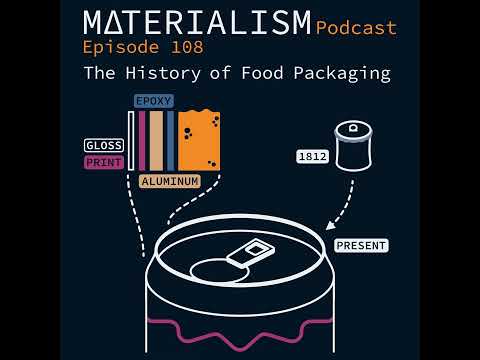
The history of packaging dates back to ancient civilizations, where clay pots and wooden crates were used to store and transport goods. The industrial revolution brought significant changes to packaging, with the introduction of glass bottles and tin cans. The development of plastic and paperboard further expanded the range of packaging materials. The packaging industry has continued to evolve, with a focus on sustainability, convenience, and branding. Companies like Procter & Gamble and Unilever have been at the forefront of packaging innovation, as seen in their use of biodegradable packaging.
🎨 The Art of Packaging Design
The art of packaging design has become a critical aspect of the packaging process, with companies investing heavily in brand identity and marketing strategies. Packaging design must balance aesthetics, functionality, and sustainability. The use of color theory and typography can greatly impact consumer perception, as seen in the Coca Cola brand. The design process involves a range of stakeholders, from product managers to manufacturing engineers. The goal is to create packaging that is both visually appealing and functional, as seen in the Apple product line.
📦 Packaging as a Coordinated System
Packaging is a coordinated system that involves multiple stakeholders, from manufacturers to logistics providers. The system must be designed to contain, protect, and preserve products during transportation and storage. The use of barcodes and RFID tags has improved inventory management and tracking, as seen in the Amazon supply chain. The packaging supply chain is complex, with multiple players involved in the design, production, and distribution of packaging materials. Companies like DuPont and 3M have developed innovative packaging solutions, such as flexible packaging.
🚚 Logistics and Transportation
Logistics and transportation play a critical role in the packaging process, with companies seeking to minimize shipping costs and maximize efficiency. The use of intermodal transportation and containerization has improved the speed and reliability of shipping, as seen in the Maersk shipping line. The logistics industry is highly competitive, with companies like UPS and FedEx offering a range of services, from ground transportation to air freight. The transportation management system is a critical component of the logistics process, as seen in the J.B. Hunt transportation company.
🛍️ The Role of Packaging in Sales
The role of packaging in sales cannot be overstated, with packaging playing a critical role in product differentiation and brand recognition. The use of point of purchase display and shelf-ready packaging has improved product visibility and appeal, as seen in the Pepsi brand. The sales process involves a range of stakeholders, from sales representatives to marketing managers. The goal is to create packaging that is both visually appealing and functional, as seen in the Kellogg's product line.
📊 Packaging and Consumer Behavior
Packaging and consumer behavior are closely linked, with consumers increasingly seeking sustainable packaging and minimal waste. The use of biodegradable materials and recyclable packaging has become more prevalent, as seen in the Patagonia brand. The consumer behavior is influenced by a range of factors, from social media to influencer marketing. Companies like The Body Shop and L'Oréal have developed packaging that is both sustainable and appealing to consumers, as seen in their use of refillable packaging.
👥 The Impact of Packaging on Society
The impact of packaging on society is significant, with packaging playing a critical role in food safety and public health. The use of tamper-evident packaging and child-resistant packaging has improved product safety, as seen in the Johnson & Johnson brand. The packaging industry is subject to a range of regulations, from FDA regulations to EPA regulations. Companies like Monsanto and Dow Chemical have developed packaging solutions that minimize waste and promote sustainability, as seen in their use of biodegradable plastics.
💡 Sustainable Packaging Solutions
Sustainable packaging solutions are becoming increasingly important, with companies seeking to minimize their environmental impact. The use of bioplastics and compostable packaging has become more prevalent, as seen in the Ecover brand. The sustainable packaging movement is driven by consumer demand and regulatory pressure, with companies like Coca Cola and Pepsi developing sustainable packaging solutions. The sustainability reporting process involves a range of stakeholders, from stakeholders to supply chain partners.
📊 The Future of Packaged Goods
The future of packaged goods is uncertain, with companies facing a range of challenges, from sustainability to digital transformation. The use of artificial intelligence and Internet of Things is expected to improve packaging efficiency and reduce waste, as seen in the Siemens company. The packaging industry is expected to continue evolving, with a focus on sustainability, convenience, and branding. Companies like Amazon and Google are developing innovative packaging solutions, such as smart packaging.
📈 Conclusion
In conclusion, the evolution of packaged goods has been a long and winding road, with packaging playing a critical role in the development of modern consumerism. From the early days of mercantile trade to the current era of e-commerce, packaging has been an essential component of the supply chain. As the packaging industry continues to evolve, companies must prioritize sustainability, convenience, and branding to remain competitive. The future of packaged goods is uncertain, but one thing is clear: packaging will continue to play a critical role in shaping the consumer goods industry.
Key Facts
- Year
- 2020
- Origin
- Industrial Revolution
- Category
- Consumer Goods
- Type
- Concept
Frequently Asked Questions
What is the primary function of packaging?
The primary function of packaging is to contain, protect, and preserve products during transportation and storage. Packaging also plays a critical role in sales, with packaging design and functionality influencing consumer behavior. The use of biodegradable packaging and recyclable packaging has become more prevalent, as seen in the Patagonia brand. Companies like The Body Shop and L'Oréal have developed packaging that is both sustainable and appealing to consumers, as seen in their use of refillable packaging.
What are the key trends in packaging design?
The key trends in packaging design include sustainability, convenience, and branding. Companies are seeking to minimize their environmental impact while also creating packaging that is visually appealing and functional. The use of bioplastics and compostable packaging has become more prevalent, as seen in the Ecover brand. The sustainable packaging movement is driven by consumer demand and regulatory pressure, with companies like Coca Cola and Pepsi developing sustainable packaging solutions.
How is technology impacting the packaging industry?
Technology is having a significant impact on the packaging industry, with advancements in artificial intelligence and Internet of Things improving packaging efficiency and reducing waste. The use of digital printing and 3D printing is also becoming more prevalent, as seen in the HP company. Companies like Amazon and Google are developing innovative packaging solutions, such as smart packaging.
What are the key challenges facing the packaging industry?
The key challenges facing the packaging industry include sustainability, regulatory compliance, and digital transformation. Companies must prioritize sustainability and minimize their environmental impact while also complying with regulations and adapting to changing consumer behavior. The packaging industry is subject to a range of regulations, from FDA regulations to EPA regulations. Companies like Monsanto and Dow Chemical have developed packaging solutions that minimize waste and promote sustainability, as seen in their use of biodegradable plastics.
What is the future of packaged goods?
The future of packaged goods is uncertain, but one thing is clear: packaging will continue to play a critical role in shaping the consumer goods industry. Companies must prioritize sustainability, convenience, and branding to remain competitive. The use of bioplastics and compostable packaging is expected to become more prevalent, as seen in the Ecover brand. The sustainable packaging movement is driven by consumer demand and regulatory pressure, with companies like Coca Cola and Pepsi developing sustainable packaging solutions.