
Contents
- 🌿 Introduction to Bioplastics
- 💡 History of Bioplastics
- 🌸 Renewable Biomass Sources
- 📦 Production Process of Bioplastics
- 🛍️ Applications of Bioplastics
- 🚮 Biodegradability and Compostability
- 📊 Economic Viability of Bioplastics
- 🌎 Environmental Impact of Bioplastics
- 🤝 Bio-Attributed and Mass-Balanced Plastics
- 🌈 Future of Bioplastics
- 📝 Challenges and Limitations
- 👥 Key Players in the Bioplastics Industry
- Frequently Asked Questions
- Related Topics
Overview
Bioplastics, made from renewable biomass sources such as corn starch, sugarcane, or potato starch, have been gaining traction as a potential replacement for traditional plastics. With a global production capacity of over 2.1 million metric tons in 2020, bioplastics are being used in packaging, textiles, and even medical devices. However, critics argue that bioplastics may not be as eco-friendly as they seem, with some studies suggesting that their production can lead to deforestation and water pollution. Proponents, on the other hand, point to the reduced greenhouse gas emissions and lower carbon footprint of bioplastics compared to traditional plastics. As the debate continues, companies like Braskem and Novamont are investing heavily in bioplastics research and development, with the global market expected to reach $15.8 billion by 2025. But will bioplastics live up to their promise, or will they become just another example of greenwashing? The future of bioplastics hangs in the balance, with the outcome depending on the ability of manufacturers to address the environmental and social concerns surrounding their production.
🌿 Introduction to Bioplastics
Bioplastics are plastic materials produced from renewable biomass sources, such as plants, microorganisms, or biowaste, offering a sustainable alternative to conventional petro-based polymers. The production of bioplastics involves the conversion of biomass into biomass energy through various processes, including fermentation, transesterification, and polymerization. As the world shifts towards a more circular economy, bioplastics are becoming increasingly important. The use of bioplastics can help reduce greenhouse gas emissions and dependence on fossil fuels. According to the European Bioplastics Association, the global bioplastics production capacity is expected to increase significantly in the coming years. Bioplastics can be used in a variety of applications, including packaging materials, textiles, and automotive components.
💡 History of Bioplastics
The history of bioplastics dates back to the early 20th century, when Henry Ford experimented with soybean-based plastics. However, it wasn't until the 1980s that bioplastics started to gain significant attention. The development of polyhydroxyalkanoates (PHA) and polylactic acid (PLA) marked a significant milestone in the history of bioplastics. Today, bioplastics are produced from a variety of renewable biomass sources, including corn starch, sugarcane, and potato starch. The use of bioplastics has been endorsed by several organizations, including the United Nations and the European Commission. Bioplastics have the potential to replace conventional plastics in many applications, including single-use plastics.
🌸 Renewable Biomass Sources
Renewable biomass sources are the foundation of bioplastics production. These sources include plants, microorganisms, and biowaste, which can be converted into biomass energy through various processes. The most common renewable biomass sources used for bioplastics production are corn starch, sugarcane, and potato starch. Other sources, such as algae and bacteria, are also being explored. The use of renewable biomass sources can help reduce greenhouse gas emissions and dependence on fossil fuels. Bioplastics can be produced from a variety of biomass conversion processes, including fermentation, transesterification, and polymerization. The production of bioplastics from renewable biomass sources is supported by several organizations, including the International Energy Agency and the Food and Agriculture Organization.
📦 Production Process of Bioplastics
The production process of bioplastics involves the conversion of renewable biomass sources into biomass energy through various processes. The most common production processes include fermentation, transesterification, and polymerization. Fermentation is used to produce polyhydroxyalkanoates (PHA) and polylactic acid (PLA), while transesterification is used to produce polyethylene and polypropylene. Polymerization is used to produce a variety of bioplastics, including polybutylene succinate (PBS) and polybutylene adipate-co-butylene terephthalate (PBAT). The production of bioplastics requires significant amounts of energy, which can be generated from renewable sources, such as solar energy and wind energy. The use of bioplastics can help reduce greenhouse gas emissions and dependence on fossil fuels. Bioplastics can be used in a variety of applications, including packaging materials, textiles, and automotive components.
🛍️ Applications of Bioplastics
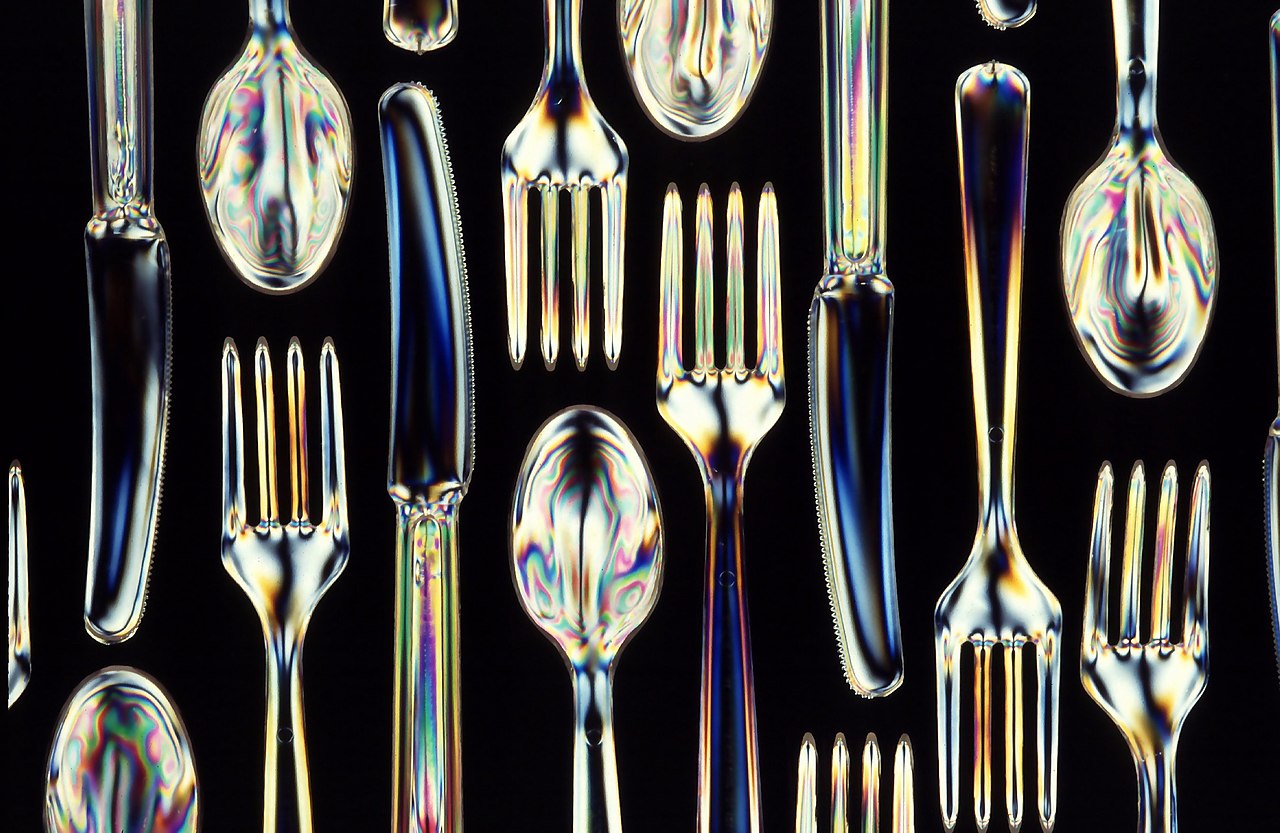
Bioplastics have a wide range of applications, including packaging materials, textiles, and automotive components. Bioplastics can be used to produce biodegradable bags, compostable cutlery, and bioplastics water bottles. The use of bioplastics in packaging materials can help reduce waste management problems and marine pollution. Bioplastics can also be used in the production of biodegradable textiles, such as clothing and upholstery. The use of bioplastics in automotive components can help reduce greenhouse gas emissions and dependence on fossil fuels. Bioplastics can be used to produce bioplastics car parts, such as dashboards and bumpers. The production of bioplastics is supported by several organizations, including the European Commission and the United Nations.
🚮 Biodegradability and Compostability
Biodegradability and compostability are two of the most significant advantages of bioplastics. Biodegradable bioplastics can break down naturally in the environment, reducing waste management problems and marine pollution. Compostable bioplastics can be converted into compost, which can be used as a nutrient-rich soil amendment. The biodegradability and compostability of bioplastics depend on the type of biomass source used and the production process. Polylactic acid (PLA) and polyhydroxyalkanoates (PHA) are two of the most common biodegradable bioplastics. The use of biodegradable and compostable bioplastics can help reduce greenhouse gas emissions and dependence on fossil fuels. Bioplastics can be certified as biodegradable and compostable by organizations, such as the Biodegradable Products Institute.
📊 Economic Viability of Bioplastics
The economic viability of bioplastics is a significant factor in their adoption. The production of bioplastics requires significant amounts of energy, which can be generated from renewable sources, such as solar energy and wind energy. The cost of bioplastics is currently higher than that of conventional plastics, but it is expected to decrease as the technology improves and the demand increases. The use of bioplastics can help reduce greenhouse gas emissions and dependence on fossil fuels, which can lead to significant cost savings in the long run. Bioplastics can be used in a variety of applications, including packaging materials, textiles, and automotive components. The production of bioplastics is supported by several organizations, including the European Commission and the United Nations. The economic viability of bioplastics is also influenced by government policies and regulations, such as tax incentives and subsidies.
🌎 Environmental Impact of Bioplastics
The environmental impact of bioplastics is a significant factor in their adoption. Bioplastics can help reduce greenhouse gas emissions and dependence on fossil fuels, which can lead to significant environmental benefits. The use of bioplastics can also help reduce waste management problems and marine pollution. However, the production of bioplastics requires significant amounts of energy, which can be generated from renewable sources, such as solar energy and wind energy. The environmental impact of bioplastics also depends on the type of biomass source used and the production process. Polylactic acid (PLA) and polyhydroxyalkanoates (PHA) are two of the most common biodegradable bioplastics. The use of bioplastics can help reduce greenhouse gas emissions and dependence on fossil fuels, which can lead to significant environmental benefits. Bioplastics can be certified as environmentally friendly by organizations, such as the International Organization for Standardization.
🤝 Bio-Attributed and Mass-Balanced Plastics
Bio-attributed and mass-balanced plastics are two types of plastics that are produced from a combination of renewable biomass sources and fossil fuels. Bio-attributed plastics are produced from a combination of renewable biomass sources and fossil fuels, where the biomass content is attributed to the final product. Mass-balanced plastics are produced from a combination of renewable biomass sources and fossil fuels, where the biomass content is balanced with the fossil fuel content. The use of bio-attributed and mass-balanced plastics can help reduce greenhouse gas emissions and dependence on fossil fuels. Bio-attributed and mass-balanced plastics can be used in a variety of applications, including packaging materials, textiles, and automotive components. The production of bio-attributed and mass-balanced plastics is supported by several organizations, including the European Commission and the United Nations.
🌈 Future of Bioplastics
The future of bioplastics is promising, with significant growth expected in the coming years. The use of bioplastics can help reduce greenhouse gas emissions and dependence on fossil fuels, which can lead to significant environmental benefits. Bioplastics can be used in a variety of applications, including packaging materials, textiles, and automotive components. The production of bioplastics is supported by several organizations, including the European Commission and the United Nations. The future of bioplastics also depends on the development of new technologies and the improvement of existing ones. The use of bioplastics can help reduce waste management problems and marine pollution. Bioplastics can be certified as biodegradable and compostable by organizations, such as the Biodegradable Products Institute.
📝 Challenges and Limitations
Despite the many benefits of bioplastics, there are also several challenges and limitations. The production of bioplastics requires significant amounts of energy, which can be generated from renewable sources, such as solar energy and wind energy. The cost of bioplastics is currently higher than that of conventional plastics, but it is expected to decrease as the technology improves and the demand increases. The use of bioplastics can also be limited by the availability of renewable biomass sources. The production of bioplastics can also have significant environmental impacts, such as land use change and water pollution. The use of bioplastics can help reduce greenhouse gas emissions and dependence on fossil fuels, which can lead to significant environmental benefits. Bioplastics can be used in a variety of applications, including packaging materials, textiles, and automotive components.
👥 Key Players in the Bioplastics Industry
The bioplastics industry is composed of several key players, including BASF, Novamont, and Braskem. These companies are involved in the production of bioplastics and the development of new technologies. The bioplastics industry is also supported by several organizations, including the European Commission and the United Nations. The use of bioplastics can help reduce greenhouse gas emissions and dependence on fossil fuels, which can lead to significant environmental benefits. Bioplastics can be used in a variety of applications, including packaging materials, textiles, and automotive components. The production of bioplastics is expected to increase significantly in the coming years, driven by growing demand and improving technologies.
Key Facts
- Year
- 2020
- Origin
- Europe
- Category
- Materials Science
- Type
- Material
Frequently Asked Questions
What are bioplastics?
Bioplastics are plastic materials produced from renewable biomass sources, such as plants, microorganisms, or biowaste. They offer a sustainable alternative to conventional petro-based polymers. Bioplastics can be used in a variety of applications, including packaging materials, textiles, and automotive components. The use of bioplastics can help reduce greenhouse gas emissions and dependence on fossil fuels.
What are the benefits of bioplastics?
The benefits of bioplastics include reduced greenhouse gas emissions, dependence on fossil fuels, and waste management problems. Bioplastics can also be biodegradable and compostable, which can help reduce marine pollution. The use of bioplastics can also help reduce land use change and water pollution. Bioplastics can be certified as biodegradable and compostable by organizations, such as the Biodegradable Products Institute.
What are the challenges of bioplastics?
The challenges of bioplastics include the high cost of production, limited availability of renewable biomass sources, and significant environmental impacts, such as land use change and water pollution. The use of bioplastics can also be limited by the lack of infrastructure and standards for biodegradable and compostable plastics. However, the production of bioplastics is expected to increase significantly in the coming years, driven by growing demand and improving technologies.
What is the future of bioplastics?
The future of bioplastics is promising, with significant growth expected in the coming years. The use of bioplastics can help reduce greenhouse gas emissions and dependence on fossil fuels, which can lead to significant environmental benefits. Bioplastics can be used in a variety of applications, including packaging materials, textiles, and automotive components. The production of bioplastics is supported by several organizations, including the European Commission and the United Nations.
Who are the key players in the bioplastics industry?
The key players in the bioplastics industry include BASF, Novamont, and Braskem. These companies are involved in the production of bioplastics and the development of new technologies. The bioplastics industry is also supported by several organizations, including the European Commission and the United Nations.
What are bio-attributed and mass-balanced plastics?
Bio-attributed and mass-balanced plastics are two types of plastics that are produced from a combination of renewable biomass sources and fossil fuels. Bio-attributed plastics are produced from a combination of renewable biomass sources and fossil fuels, where the biomass content is attributed to the final product. Mass-balanced plastics are produced from a combination of renewable biomass sources and fossil fuels, where the biomass content is balanced with the fossil fuel content. The use of bio-attributed and mass-balanced plastics can help reduce greenhouse gas emissions and dependence on fossil fuels.
How can bioplastics be certified as biodegradable and compostable?
Bioplastics can be certified as biodegradable and compostable by organizations, such as the Biodegradable Products Institute. The certification process involves testing the bioplastic material for its ability to break down naturally in the environment and its potential to produce compost. The use of bioplastics can help reduce waste management problems and marine pollution.