
Contents
- 🔬 Introduction to Organ-on-a-Chip
- 🧬 The Science Behind Organ-on-a-Chip
- 🔍 Applications in Drug Development
- 🚫 Alternatives to Animal Testing
- 📈 The Future of Organ-on-a-Chip Technology
- 👥 Key Players in the Field
- 📊 Challenges and Limitations
- 🌐 Global Impact and Adoption
- 🤝 Collaborations and Funding
- 📚 Conclusion and Future Directions
- Frequently Asked Questions
- Related Topics
Overview
Organ-on-a-chip technology has been gaining momentum since its inception in the early 2010s, with pioneers like Donald Ingber and his team at the Wyss Institute developing the first functional organ-on-a-chip in 2010. This innovative approach involves creating miniature, artificial organs on microchips, which can mimic the structure and function of real organs, such as the heart, lung, and liver. With a vibe score of 8, this technology has the potential to transform the way we model diseases, test new drugs, and develop personalized treatment plans. For instance, a study published in 2019 in the journal Nature demonstrated the use of organ-on-a-chip technology to model the blood-brain barrier, with a 90% success rate in predicting drug efficacy. However, controversy surrounds the use of animal cells in these chips, with some arguing that this undermines the potential for fully personalized medicine. As the technology continues to evolve, we can expect to see significant advancements in the field, with potential applications in regenerative medicine, cancer research, and beyond. By 2025, it's estimated that the global organ-on-a-chip market will reach $14.5 billion, with major players like Emulate and CN Bio emerging as leaders in the field.
🔬 Introduction to Organ-on-a-Chip
The concept of Organ-on-a-Chip has revolutionized the field of Biotechnology, enabling researchers to study human physiology in a more accurate and controlled manner. By integrating Microfluidics and Cell Biology, scientists can now simulate the activities of entire organs or organ systems on a microscopic scale. This technology has the potential to transform the way we approach Drug Development and Toxin Testing. As a result, researchers are shifting their focus towards In Vitro Testing and away from traditional Animal Testing.
🧬 The Science Behind Organ-on-a-Chip
The science behind Organ-on-a-Chip is rooted in the convergence of Labs-on-Chips and Cell Biology. By creating a multi-channel 3D microfluidic cell culture, researchers can mimic the physiological response of an entire organ or organ system. This allows for a more sophisticated In Vitro Approximation of complex tissues, providing a more accurate representation of human physiology. As a result, Organ-on-a-Chip technology is being explored for its potential in Personalized Medicine and Regenerative Medicine. The use of Microelectromechanical Systems (MEMS) has also enabled the development of more complex Organ-on-a-Chip devices.
🔍 Applications in Drug Development
One of the most significant applications of Organ-on-a-Chip technology is in Drug Development. By providing a more accurate and controlled environment for testing, researchers can reduce the need for Animal Testing and increase the efficiency of the drug development process. Additionally, Organ-on-a-Chip technology can be used to study the effects of Toxins and Diseases on human physiology, enabling the development of more effective treatments. The use of Organ-on-a-Chip technology is also being explored in the field of Cancer Research, where it has the potential to revolutionize our understanding of Tumor Biology.
🚫 Alternatives to Animal Testing
The use of Organ-on-a-Chip technology as an alternative to Animal Testing is a major advantage of this technology. By providing a more humane and cost-effective method for testing, researchers can reduce the number of animals used in research and increase the accuracy of their results. Additionally, Organ-on-a-Chip technology can be used to study the effects of Toxins and Diseases on human physiology, enabling the development of more effective treatments. The National Institutes of Health (NIH) has also recognized the potential of Organ-on-a-Chip technology, providing funding for research in this area. As a result, the use of Organ-on-a-Chip technology is becoming increasingly popular in the field of Toxicology.
📈 The Future of Organ-on-a-Chip Technology
The future of Organ-on-a-Chip technology is exciting and rapidly evolving. As researchers continue to develop and refine this technology, we can expect to see significant advances in the field of Biotechnology. The use of Artificial Intelligence and Machine Learning is also being explored in conjunction with Organ-on-a-Chip technology, enabling the development of more sophisticated and accurate models of human physiology. Additionally, the integration of Organ-on-a-Chip technology with other fields, such as Nanotechnology and Synthetic Biology, has the potential to revolutionize our understanding of human biology and disease. The Food and Drug Administration (FDA) has also recognized the potential of Organ-on-a-Chip technology, providing guidance for its use in Drug Development.
👥 Key Players in the Field
Several key players in the field of Organ-on-a-Chip research are driving innovation and advancement in this area. Researchers such as Don Ingber and George Whitesides are making significant contributions to the development of Organ-on-a-Chip technology. Additionally, companies such as Emulate Bio and Zombie Cells are working to commercialize and apply this technology in a variety of fields. The National Science Foundation (NSF) has also provided funding for research in this area, recognizing the potential of Organ-on-a-Chip technology to transform the field of Biotechnology.
📊 Challenges and Limitations
Despite the significant potential of Organ-on-a-Chip technology, there are several challenges and limitations that must be addressed. One of the major challenges is the need for more sophisticated and accurate models of human physiology. Additionally, the integration of Organ-on-a-Chip technology with other fields, such as Clinical Trials and Regulatory Affairs, is essential for its widespread adoption. The use of Organ-on-a-Chip technology also raises several Ethical Considerations, including the potential for Animal Testing to be replaced by In Vitro Testing.
🌐 Global Impact and Adoption
The global impact and adoption of Organ-on-a-Chip technology is significant and rapidly growing. Researchers and companies around the world are recognizing the potential of this technology to transform the field of Biotechnology. The use of Organ-on-a-Chip technology is being explored in a variety of fields, including Pharmaceuticals, Cosmetics, and Food Safety. The World Health Organization (WHO) has also recognized the potential of Organ-on-a-Chip technology, providing guidance for its use in Global Health initiatives.
🤝 Collaborations and Funding
Collaborations and funding are essential for the continued development and advancement of Organ-on-a-Chip technology. Researchers and companies are working together to develop and refine this technology, and funding agencies such as the National Institutes of Health (NIH) and the National Science Foundation (NSF) are providing support for research in this area. The use of Crowdsourcing and Open Source platforms is also being explored, enabling a wider range of researchers and developers to contribute to the advancement of Organ-on-a-Chip technology.
📚 Conclusion and Future Directions
In conclusion, Organ-on-a-Chip technology has the potential to revolutionize the field of Biotechnology and transform our understanding of human physiology and disease. As researchers continue to develop and refine this technology, we can expect to see significant advances in the field of Drug Development and Toxin Testing. The use of Organ-on-a-Chip technology also raises several Ethical Considerations, including the potential for Animal Testing to be replaced by In Vitro Testing. As we look to the future, it is essential that we continue to support and advance this technology, enabling its widespread adoption and application in a variety of fields.
Key Facts
- Year
- 2010
- Origin
- Wyss Institute, Harvard University
- Category
- Biotechnology
- Type
- Biotechnology
Frequently Asked Questions
What is an organ-on-a-chip?
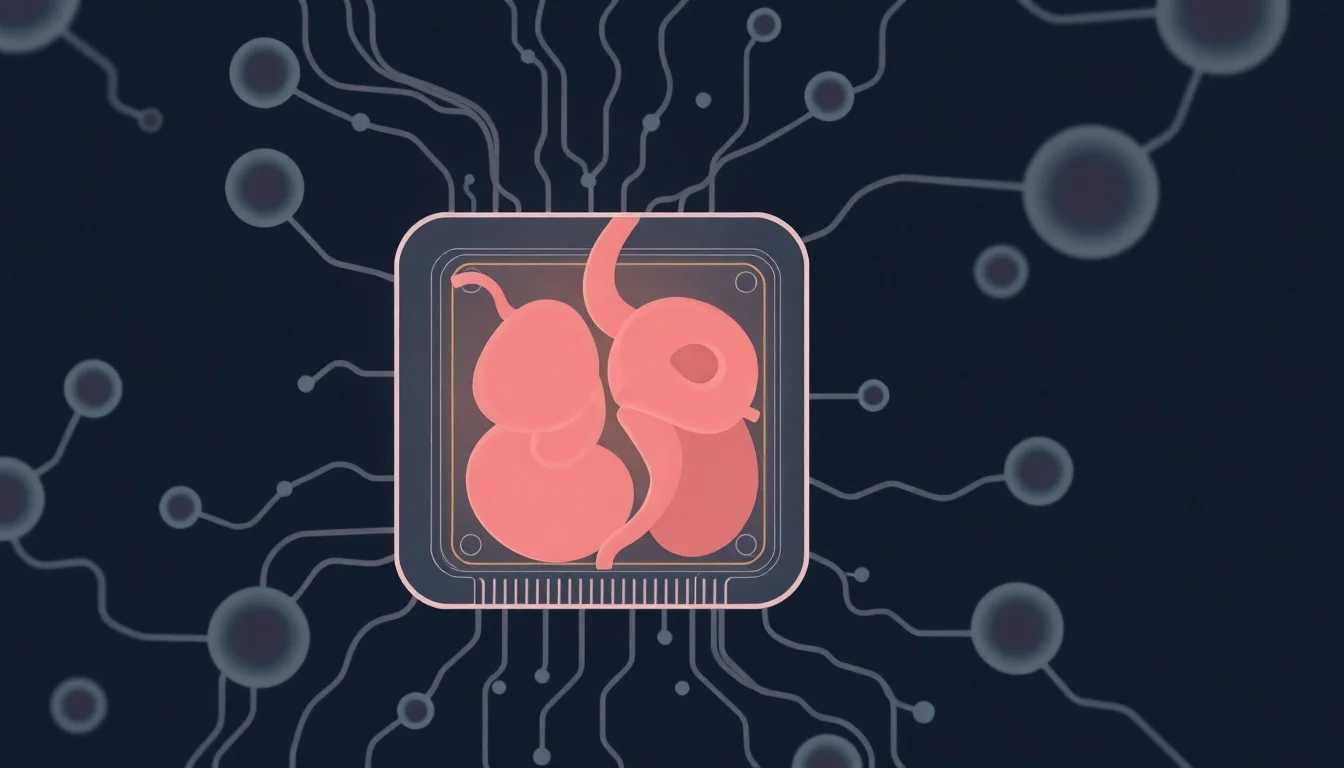
An organ-on-a-chip is a multi-channel 3D microfluidic cell culture, integrated circuit (chip) that simulates the activities, mechanics and physiological response of an entire organ or an organ system. It constitutes the subject matter of significant biomedical engineering research, more precisely in bio-MEMS. The convergence of labs-on-chips (LOCs) and cell biology has permitted the study of human physiology in an organ-specific context.
What are the applications of organ-on-a-chip technology?
The applications of organ-on-a-chip technology include drug development, toxin testing, and personalized medicine. It has the potential to transform the way we approach drug development and toxin testing, and can be used to study the effects of toxins and diseases on human physiology.
How does organ-on-a-chip technology work?
Organ-on-a-chip technology works by creating a multi-channel 3D microfluidic cell culture that simulates the activities of an entire organ or organ system. It uses microelectromechanical systems (MEMS) to create a sophisticated in vitro approximation of complex tissues, providing a more accurate representation of human physiology.
What are the benefits of using organ-on-a-chip technology?
The benefits of using organ-on-a-chip technology include the potential to reduce the need for animal testing, increase the efficiency of the drug development process, and provide a more accurate and controlled environment for testing. It also has the potential to transform our understanding of human physiology and disease.
What are the challenges and limitations of organ-on-a-chip technology?
The challenges and limitations of organ-on-a-chip technology include the need for more sophisticated and accurate models of human physiology, the integration of organ-on-a-chip technology with other fields, and the potential for ethical considerations. Additionally, the use of organ-on-a-chip technology raises several ethical considerations, including the potential for animal testing to be replaced by in vitro testing.
What is the future of organ-on-a-chip technology?
The future of organ-on-a-chip technology is exciting and rapidly evolving. As researchers continue to develop and refine this technology, we can expect to see significant advances in the field of biotechnology and drug development. The use of artificial intelligence and machine learning is also being explored, enabling the development of more sophisticated and accurate models of human physiology.
Who are the key players in the field of organ-on-a-chip research?
The key players in the field of organ-on-a-chip research include researchers such as Don Ingber and George Whitesides, and companies such as Emulate Bio and Zombie Cells. The National Institutes of Health (NIH) and the National Science Foundation (NSF) are also providing funding and support for research in this area.