
Contents
- 📊 Introduction to Ordinary Least Squares (OLS) Regression
- 📈 Linear Regression and OLS: Understanding the Basics
- 📝 The Principle of Least Squares: Minimizing Errors
- 📊 Assumptions of OLS Regression: A Critical Examination
- 📈 Simple and Multiple Linear Regression: Applications of OLS
- 📊 OLS Regression in Practice: Examples and Case Studies
- 📝 Common Challenges and Limitations of OLS Regression
- 📊 Alternatives to OLS Regression: Robust Regression and Beyond
- 📈 Advanced Topics in OLS Regression: Regularization and Shrinkage
- 📊 OLS Regression in Machine Learning: Integration and Applications
- 📝 Future Directions and Emerging Trends in OLS Regression
- 📊 Conclusion: The Enduring Importance of OLS Regression
- Frequently Asked Questions
- Related Topics
Overview
Ordinary Least Squares (OLS) is a widely used statistical method for modeling linear relationships between a dependent variable and one or more independent variables. Developed by Carl Friedrich Gauss and Adrien-Marie Legendre in the early 19th century, OLS aims to find the best-fitting line that minimizes the sum of the squared errors between observed data points and predicted values. With a vibe score of 8, OLS has been a cornerstone of statistical analysis, influencing fields such as economics, finance, and social sciences. However, critics argue that OLS can be sensitive to outliers and assumes a linear relationship, which may not always be the case. Despite these limitations, OLS remains a fundamental tool in data analysis, with applications in forecasting, hypothesis testing, and data visualization. As data science continues to evolve, the importance of OLS will likely endure, with ongoing debates surrounding its strengths and weaknesses.
📊 Introduction to Ordinary Least Squares (OLS) Regression
Ordinary Least Squares (OLS) regression is a fundamental concept in Statistics and Machine Learning, used to model the relationship between a dependent variable and one or more independent variables. OLS is a type of Linear Regression method that chooses the unknown parameters by minimizing the sum of the squares of the differences between the observed dependent variable and the output of the linear function. As noted by Francis Galton, OLS is a powerful tool for analyzing the relationship between variables. For more information on the history of OLS, see History of Statistics.
📈 Linear Regression and OLS: Understanding the Basics
Linear Regression and OLS are often considered synonymous, but it's essential to understand the nuances between them. Linear Regression is a broader term that encompasses various methods for modeling the relationship between variables, while OLS is a specific type of linear regression that uses the principle of least squares to estimate the model parameters. This is closely related to Least Squares Method. To learn more about the differences between OLS and other types of regression, see Regression Analysis.
📝 The Principle of Least Squares: Minimizing Errors
The principle of least squares is a fundamental concept in OLS regression, which aims to minimize the sum of the squared errors between the observed and predicted values. This principle is based on the idea that the best-fitting line is the one that minimizes the sum of the squared residuals. As discussed in Linear Algebra, this principle is closely related to the concept of Orthogonality. For more information on the mathematical underpinnings of OLS, see Mathematical Statistics.
📊 Assumptions of OLS Regression: A Critical Examination
OLS regression is based on several assumptions, including linearity, independence, homoscedasticity, normality, and no multicollinearity. These assumptions are critical to ensure the validity and reliability of the OLS model. However, in practice, these assumptions are often violated, and it's essential to examine the data carefully to determine the appropriateness of OLS regression. This is closely related to Statistical Inference. For more information on the assumptions of OLS, see Assumptions of OLS Regression.
📈 Simple and Multiple Linear Regression: Applications of OLS
Simple and multiple linear regression are two common applications of OLS regression. Simple linear regression involves modeling the relationship between a single independent variable and the dependent variable, while multiple linear regression involves modeling the relationship between multiple independent variables and the dependent variable. OLS regression can be used in various fields, including Economics, Finance, and Social Sciences. For more information on the applications of OLS, see Applications of OLS Regression.
📊 OLS Regression in Practice: Examples and Case Studies
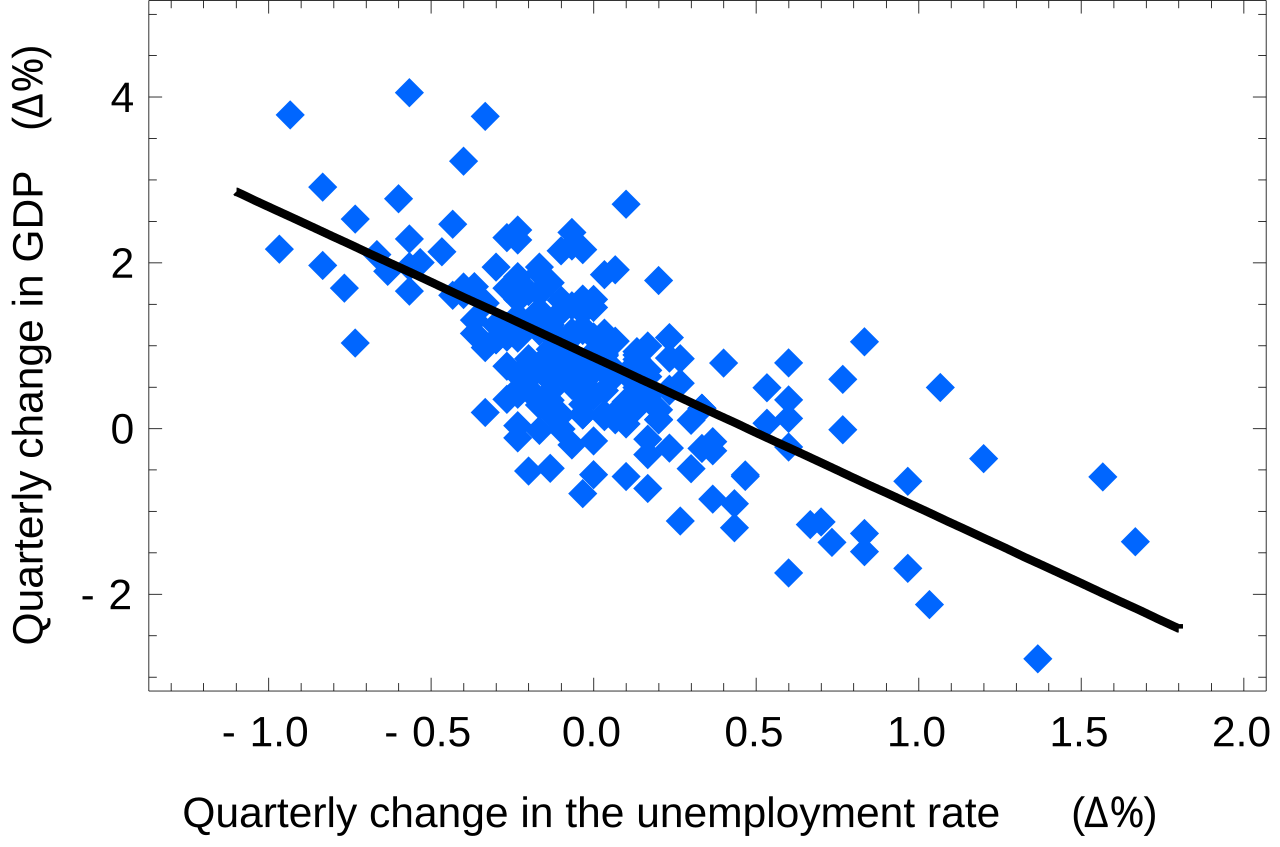
In practice, OLS regression is widely used in various fields, including Data Science and Business Analytics. For example, OLS regression can be used to model the relationship between a company's stock price and various economic indicators, such as Gross Domestic Product and Inflation Rate. This is closely related to Time Series Analysis. For more information on the practical applications of OLS, see Practical Applications of OLS Regression.
📝 Common Challenges and Limitations of OLS Regression
Despite its popularity, OLS regression has several limitations and challenges, including multicollinearity, heteroscedasticity, and non-normality of residuals. These challenges can lead to biased or inefficient estimates of the model parameters, and it's essential to address them using various techniques, such as Data Transformation and Robust Regression. For more information on the limitations of OLS, see Limitations of OLS Regression.
📊 Alternatives to OLS Regression: Robust Regression and Beyond
Alternatives to OLS regression, such as Robust Regression and Regularization techniques, can be used to address the limitations of OLS regression. Robust regression methods, such as the Least Absolute Deviation method, can provide more robust estimates of the model parameters in the presence of outliers and non-normality. This is closely related to Outlier Detection. For more information on alternative methods, see Alternative Methods to OLS Regression.
📈 Advanced Topics in OLS Regression: Regularization and Shrinkage
Advanced topics in OLS regression, such as Regularization and Shrinkage, can be used to improve the performance of the OLS model. Regularization techniques, such as Ridge Regression and Lasso Regression, can be used to reduce the impact of multicollinearity and improve the interpretability of the model. This is closely related to Feature Selection. For more information on advanced topics, see Advanced Topics in OLS Regression.
📊 OLS Regression in Machine Learning: Integration and Applications
OLS regression is widely used in Machine Learning and Data Science applications, including Predictive Modeling and Data Mining. OLS regression can be used as a baseline model for comparison with more complex models, such as Decision Trees and Random Forests. This is closely related to Model Evaluation. For more information on the integration of OLS with machine learning, see Integration of OLS with Machine Learning.
📝 Future Directions and Emerging Trends in OLS Regression
Future directions and emerging trends in OLS regression include the development of new methods and techniques for addressing the limitations of OLS regression, such as Big Data and High-Dimensional Data. Additionally, the integration of OLS regression with other machine learning models and techniques, such as Deep Learning, is an active area of research. This is closely related to Future of Statistics. For more information on future directions, see Future Directions in OLS Regression.
📊 Conclusion: The Enduring Importance of OLS Regression
In conclusion, OLS regression is a fundamental concept in statistics and machine learning, with a wide range of applications in various fields. Despite its limitations, OLS regression remains a popular and widely used method for modeling the relationship between variables. As the field of statistics and machine learning continues to evolve, it's essential to stay up-to-date with the latest developments and advancements in OLS regression. For more information on the current state of OLS regression, see Current State of OLS Regression.
Key Facts
- Year
- 1809
- Origin
- Carl Friedrich Gauss and Adrien-Marie Legendre
- Category
- Statistics and Machine Learning
- Type
- Statistical Method
Frequently Asked Questions
What is the difference between OLS and linear regression?
OLS is a type of linear regression that uses the principle of least squares to estimate the model parameters. While linear regression is a broader term that encompasses various methods for modeling the relationship between variables, OLS is a specific type of linear regression. For more information, see Linear Regression.
What are the assumptions of OLS regression?
The assumptions of OLS regression include linearity, independence, homoscedasticity, normality, and no multicollinearity. These assumptions are critical to ensure the validity and reliability of the OLS model. For more information, see Assumptions of OLS Regression.
What are the limitations of OLS regression?
The limitations of OLS regression include multicollinearity, heteroscedasticity, and non-normality of residuals. These limitations can lead to biased or inefficient estimates of the model parameters, and it's essential to address them using various techniques. For more information, see Limitations of OLS Regression.
What are the alternatives to OLS regression?
Alternatives to OLS regression include robust regression methods, such as the least absolute deviation method, and regularization techniques, such as ridge regression and lasso regression. These alternatives can provide more robust estimates of the model parameters in the presence of outliers and non-normality. For more information, see Alternative Methods to OLS Regression.
What is the future of OLS regression?
The future of OLS regression includes the development of new methods and techniques for addressing the limitations of OLS regression, such as big data and high-dimensional data. Additionally, the integration of OLS regression with other machine learning models and techniques, such as deep learning, is an active area of research. For more information, see Future Directions in OLS Regression.
How is OLS regression used in machine learning?
OLS regression is widely used in machine learning and data science applications, including predictive modeling and data mining. OLS regression can be used as a baseline model for comparison with more complex models, such as decision trees and random forests. For more information, see Integration of OLS with Machine Learning.
What is the relationship between OLS regression and statistical inference?
OLS regression is closely related to statistical inference, as it provides a framework for making inferences about the relationship between variables. Statistical inference is the process of drawing conclusions about a population based on a sample of data, and OLS regression is a key tool in this process. For more information, see Statistical Inference.