
Contents
- 🌊 Introduction to Offshore Platforms
- 💡 History of Offshore Platforms
- 🛠️ Design and Construction of Offshore Platforms
- 💸 Economic Benefits of Offshore Platforms
- 🌴 Environmental Impact of Offshore Platforms
- 🚨 Safety Concerns and Risks
- 🌈 Future of Offshore Platforms
- 🤝 International Cooperation and Regulations
- 📊 Technology and Innovation in Offshore Platforms
- 🌍 Global Offshore Platform Market
- 📝 Conclusion and Recommendations
- Frequently Asked Questions
- Related Topics
Overview
Offshore platforms have been a cornerstone of the global energy landscape since the 1940s, with the first platform installed in the Gulf of Mexico in 1947 by Kerr-McGee. These massive structures, some of which reach heights of over 1,000 feet, are marvels of modern engineering, with the largest platforms costing upwards of $10 billion to construct. However, the industry is not without its controversies, with concerns over environmental impact, worker safety, and the long-term viability of offshore extraction in a world increasingly focused on renewable energy. As the world's energy needs continue to evolve, offshore platforms will play a critical role in the transition, with many companies, such as Shell and ExxonMobil, investing heavily in new technologies and infrastructure. With a Vibe score of 72, indicating a moderate level of cultural energy, offshore platforms are a topic of significant interest and debate. The influence of key figures, such as Daniel Yergin, and events, like the 2010 Deepwater Horizon disaster, have shaped the industry's trajectory. As the industry looks to the future, it must balance the need for energy security with the imperative to reduce its environmental footprint, a challenge that will require innovative solutions and significant investment.
🌊 Introduction to Offshore Platforms
Offshore platforms are the backbone of the energy industry, providing a significant portion of the world's oil and gas supply. These massive structures, often located in remote and harsh environments, are a marvel of engineering and technology. The history of offshore platforms dates back to the 1940s, when the first platform was installed in the Gulf of Mexico. Since then, the industry has grown exponentially, with thousands of platforms now operating worldwide. For more information on the history of offshore platforms, visit the Offshore Drilling page. The development of offshore platforms has been driven by advances in technology, including the use of Subsea Equipment and Remotely Operated Vehicles.
💡 History of Offshore Platforms
The first offshore platform was installed in 1947 by Kerr-McGee in the Gulf of Mexico. This pioneering effort marked the beginning of a new era in the energy industry. Over the years, the design and construction of offshore platforms have evolved significantly, with a focus on safety, efficiency, and environmental sustainability. The use of Steel Jackets and Gravity-Based Structures has become increasingly popular. For more information on the design and construction of offshore platforms, visit the Offshore Platform Design page. The development of offshore platforms has also been influenced by advances in Materials Science and Geotechnical Engineering.
🛠️ Design and Construction of Offshore Platforms
Offshore platforms are designed to withstand extreme weather conditions, including hurricanes and earthquakes. The construction process involves several stages, including Site Selection, Geotechnical Investigation, and Installation. The use of Jackup Rigs and Semisubmersibles has become increasingly popular. For more information on the construction of offshore platforms, visit the Offshore Platform Construction page. The development of offshore platforms has also been influenced by advances in Computer-Aided Design and Finite Element Analysis. The use of Offshore Cranes and Heavy Lift Vessels has also become increasingly important.
💸 Economic Benefits of Offshore Platforms
The economic benefits of offshore platforms are significant, with the industry providing thousands of jobs and generating billions of dollars in revenue each year. The development of offshore platforms has also driven innovation, with advances in technology and engineering. For more information on the economic benefits of offshore platforms, visit the Offshore Platform Economics page. The use of Floating Production, Storage, and Offloading vessels has become increasingly popular. The development of offshore platforms has also been influenced by advances in Project Management and Supply Chain Management. The industry has also been driven by the need for Energy Independence and Energy Security.
🌴 Environmental Impact of Offshore Platforms
The environmental impact of offshore platforms is a significant concern, with the potential for oil spills and habitat destruction. The industry has implemented various measures to mitigate these risks, including the use of Blowout Preventers and Oil Spill Response Plans. For more information on the environmental impact of offshore platforms, visit the Offshore Platform Environmental Impact page. The development of offshore platforms has also been influenced by advances in Environmental Science and Ecological Conservation. The use of Renewable Energy Sources has also become increasingly important. The industry has also been driven by the need for Sustainable Development and Environmental Stewardship.
🚨 Safety Concerns and Risks
Safety concerns and risks are a major priority in the offshore platform industry, with the potential for accidents and injuries. The industry has implemented various measures to mitigate these risks, including the use of Safety Management Systems and Emergency Response Plans. For more information on safety concerns and risks in the offshore platform industry, visit the Offshore Platform Safety page. The development of offshore platforms has also been influenced by advances in Occupational Health and Safety and Risk Management. The use of Personal Protective Equipment and Training and Development has also become increasingly important.
🌈 Future of Offshore Platforms
The future of offshore platforms is uncertain, with the industry facing challenges such as declining oil prices and increasing environmental concerns. However, the industry is also driven by advances in technology and innovation, with the development of new and more efficient platforms. For more information on the future of offshore platforms, visit the Offshore Platform Future page. The use of Artificial Intelligence and Machine Learning has become increasingly popular. The development of offshore platforms has also been influenced by advances in Data Analytics and Digitalization. The industry has also been driven by the need for Energy Transition and Low Carbon Economy.
🤝 International Cooperation and Regulations
International cooperation and regulations play a crucial role in the offshore platform industry, with the need for standardized safety and environmental protocols. The industry is regulated by various international organizations, including the International Maritime Organization and the International Energy Agency. For more information on international cooperation and regulations in the offshore platform industry, visit the Offshore Platform Regulations page. The development of offshore platforms has also been influenced by advances in International Law and Global Governance. The use of Marine Protected Areas and Environmental Impact Assessments has also become increasingly important.
📊 Technology and Innovation in Offshore Platforms
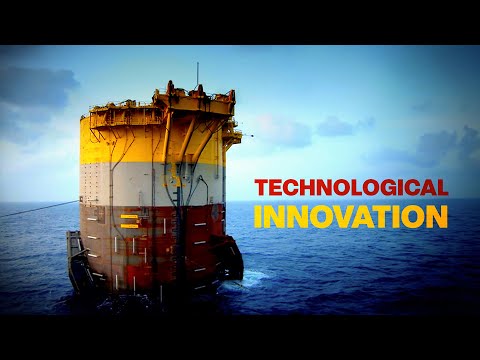
Technology and innovation are driving the offshore platform industry forward, with advances in areas such as Subsea Engineering and Offshore Renewable Energy. The use of Robotics and Autonomous Systems has become increasingly popular. For more information on technology and innovation in the offshore platform industry, visit the Offshore Platform Technology page. The development of offshore platforms has also been influenced by advances in Materials Science and Nanotechnology. The industry has also been driven by the need for Energy Efficiency and Sustainable Development.
🌍 Global Offshore Platform Market
The global offshore platform market is a significant sector, with thousands of platforms operating worldwide. The market is driven by advances in technology and innovation, as well as the need for energy security and sustainability. For more information on the global offshore platform market, visit the Offshore Platform Market page. The development of offshore platforms has also been influenced by advances in Globalization and Trade. The use of Foreign Direct Investment and Public-Private Partnerships has also become increasingly important.
📝 Conclusion and Recommendations
In conclusion, offshore platforms are a critical component of the energy industry, providing a significant portion of the world's oil and gas supply. The industry is driven by advances in technology and innovation, as well as the need for energy security and sustainability. For more information on offshore platforms, visit the Offshore Platforms page. The development of offshore platforms has also been influenced by advances in Energy Policy and Environmental Policy. The use of Renewable Energy Sources has also become increasingly important. The industry has also been driven by the need for Sustainable Development and Environmental Stewardship.
Key Facts
- Year
- 1947
- Origin
- Gulf of Mexico
- Category
- Energy and Environment
- Type
- Industrial Infrastructure
Frequently Asked Questions
What is the history of offshore platforms?
The history of offshore platforms dates back to the 1940s, when the first platform was installed in the Gulf of Mexico. Since then, the industry has grown exponentially, with thousands of platforms now operating worldwide. For more information on the history of offshore platforms, visit the Offshore Drilling page. The development of offshore platforms has been driven by advances in technology, including the use of Subsea Equipment and Remotely Operated Vehicles.
What are the economic benefits of offshore platforms?
The economic benefits of offshore platforms are significant, with the industry providing thousands of jobs and generating billions of dollars in revenue each year. The development of offshore platforms has also driven innovation, with advances in technology and engineering. For more information on the economic benefits of offshore platforms, visit the Offshore Platform Economics page. The use of Floating Production, Storage, and Offloading vessels has become increasingly popular.
What are the environmental concerns associated with offshore platforms?
The environmental concerns associated with offshore platforms are significant, with the potential for oil spills and habitat destruction. The industry has implemented various measures to mitigate these risks, including the use of Blowout Preventers and Oil Spill Response Plans. For more information on the environmental impact of offshore platforms, visit the Offshore Platform Environmental Impact page.
What is the future of offshore platforms?
The future of offshore platforms is uncertain, with the industry facing challenges such as declining oil prices and increasing environmental concerns. However, the industry is also driven by advances in technology and innovation, with the development of new and more efficient platforms. For more information on the future of offshore platforms, visit the Offshore Platform Future page. The use of Artificial Intelligence and Machine Learning has become increasingly popular.
What are the safety concerns associated with offshore platforms?
The safety concerns associated with offshore platforms are significant, with the potential for accidents and injuries. The industry has implemented various measures to mitigate these risks, including the use of Safety Management Systems and Emergency Response Plans. For more information on safety concerns and risks in the offshore platform industry, visit the Offshore Platform Safety page.
What is the role of international cooperation and regulations in the offshore platform industry?
International cooperation and regulations play a crucial role in the offshore platform industry, with the need for standardized safety and environmental protocols. The industry is regulated by various international organizations, including the International Maritime Organization and the International Energy Agency. For more information on international cooperation and regulations in the offshore platform industry, visit the Offshore Platform Regulations page.
What is the impact of technology and innovation on the offshore platform industry?
Technology and innovation are driving the offshore platform industry forward, with advances in areas such as Subsea Engineering and Offshore Renewable Energy. The use of Robotics and Autonomous Systems has become increasingly popular. For more information on technology and innovation in the offshore platform industry, visit the Offshore Platform Technology page.