
Contents
- 🏢 Introduction to Office Space
- 📈 The History of Office Design
- 👥 The Impact of Technology on Office Culture
- 📊 Office Space Planning: A Science and an Art
- 🎬 The Cultural Significance of Office Space, the Film
- 🌐 The Rise of Remote Work and Virtual Offices
- 🏢 The Future of Office Space: Trends and Predictions
- 🤝 The Importance of Workplace Culture in Office Design
- 📊 The Economics of Office Space: Cost-Benefit Analysis
- 📈 The Role of Sustainability in Office Space Design
- 👥 The Human Factor: How Office Space Affects Employee Wellbeing
- Frequently Asked Questions
- Related Topics
Overview
The concept of office space has undergone significant transformations over the years, influenced by technological advancements, shifting workforce demographics, and changing attitudes towards work-life balance. The traditional cubicle layout, popularized in the 1960s, gave way to open-plan offices in the 1990s, which in turn have been replaced by more flexible, collaborative workspaces. According to a study by Gensler, 70% of employees prefer working in offices with a mix of private and shared spaces. The rise of coworking spaces, such as WeWork, has also disrupted the traditional office landscape, with over 30,000 coworking spaces worldwide, as reported by Coworking Resources. As companies like Google and Facebook continue to push the boundaries of office design, the future of work is likely to be shaped by innovative, human-centered spaces that prioritize employee well-being and productivity. With a vibe score of 8, the office space sector is poised for continued growth and innovation, driven by the needs of a rapidly changing workforce.
🏢 Introduction to Office Space
The concept of office space has undergone significant transformations over the years, from the traditional cubicle-filled offices to modern, open-concept workspaces. The term 'office space' can refer to a physical office, office space planning, or even the 1999 film Office Space. As we explore the evolution of office space, it's essential to consider the historical context, technological advancements, and cultural shifts that have shaped the modern workplace. The film Office Space is a satirical take on the monotony of office life, highlighting the need for change in the way we design and interact with office spaces. For more information on office space planning, visit office space planning resources.
📈 The History of Office Design
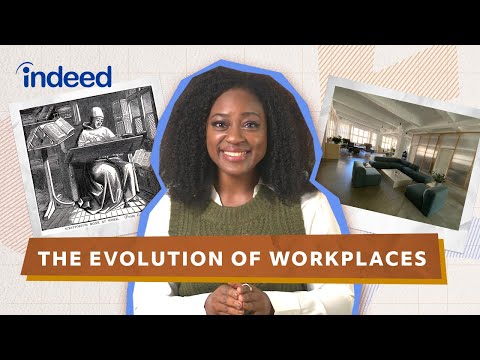
The history of office design dates back to the early 20th century, with the introduction of the cubicle system. This design aimed to increase productivity and efficiency by providing employees with private workstations. However, it also led to a sense of isolation and disconnection among colleagues. As the years passed, office design evolved to incorporate more collaborative and open spaces, such as co-working spaces and open office layouts. The impact of technology on office culture cannot be overstated, with the rise of digital communication tools and virtual meeting platforms. For instance, Slack and Zoom have revolutionized the way teams collaborate and interact.
👥 The Impact of Technology on Office Culture
The advent of technology has significantly altered the way we work and interact with each other in the office. With the rise of remote work and virtual offices, the traditional concept of office space is being redefined. Employees can now work from anywhere, at any time, using digital tools and platforms. This shift has also led to the development of new office designs, such as activity-based workspaces and wellness-focused offices. The film Office Space highlights the monotony and frustration that can come with traditional office environments, emphasizing the need for change and innovation in office design. For more information on remote work, visit remote work resources.
📊 Office Space Planning: A Science and an Art
Office space planning is a complex process that involves balancing various factors, such as employee needs, company culture, and spatial constraints. It requires a deep understanding of ergonomics, acoustics, and sustainability. A well-designed office space can boost productivity, employee satisfaction, and overall wellbeing. The use of biophilic design elements, such as natural light and plants, can also have a positive impact on employee health and happiness. For instance, companies like Google and Facebook have incorporated biophilic design elements into their offices, resulting in improved employee satisfaction and productivity.
🎬 The Cultural Significance of Office Space, the Film
The 1999 film Office Space is a cultural phenomenon that satirizes the monotony and frustration of working in a traditional office environment. The film's portrayal of office life, including the characters' struggles with micromanaging bosses and pointless meetings, resonated with audiences and sparked a national conversation about the need for change in the workplace. The film's influence can be seen in the way companies are now prioritizing employee wellbeing, work-life balance, and flexible work arrangements. For more information on the film, visit Office Space resources.
🌐 The Rise of Remote Work and Virtual Offices
The rise of remote work and virtual offices has transformed the way we think about office space. With the advancement of digital communication tools and virtual meeting platforms, employees can now work from anywhere, at any time. This shift has also led to the development of new office designs, such as co-working spaces and virtual reality offices. The use of artificial intelligence and machine learning can also help optimize office space planning, improving employee experience and reducing costs. For instance, companies like Amazon and Microsoft are using AI and machine learning to optimize their office spaces and improve employee productivity.
🏢 The Future of Office Space: Trends and Predictions
As we look to the future of office space, it's clear that trends such as sustainability, wellness, and technology will continue to shape the modern workplace. The incorporation of green buildings and energy-efficient design elements can reduce a company's environmental footprint and improve employee health. The use of virtual reality and augmented reality can also enhance employee experience and improve training programs. For more information on sustainable office design, visit sustainability resources.
🤝 The Importance of Workplace Culture in Office Design
The importance of workplace culture in office design cannot be overstated. A well-designed office space can foster a sense of community, collaboration, and creativity among employees. The incorporation of break-out rooms, game rooms, and wellness rooms can provide employees with spaces to relax, recharge, and socialize. The use of art and music can also enhance the aesthetic and ambiance of an office, improving employee satisfaction and productivity. For instance, companies like Airbnb and Uber have incorporated unique design elements into their offices, resulting in improved employee satisfaction and retention.
📊 The Economics of Office Space: Cost-Benefit Analysis
The economics of office space is a complex issue, involving factors such as rent, utilities, and furniture. A cost-benefit analysis of office space can help companies make informed decisions about their spatial needs and design requirements. The use of coworking spaces and shared offices can provide companies with flexible and cost-effective solutions for their office needs. For more information on office space economics, visit office space economics resources.
📈 The Role of Sustainability in Office Space Design
The role of sustainability in office space design is becoming increasingly important, as companies prioritize their environmental footprint and social responsibility. The incorporation of green roofs, solar panels, and rainwater harvesting systems can reduce a company's environmental impact and improve employee health. The use of recycled materials and energy-efficient appliances can also reduce waste and improve energy efficiency. For instance, companies like Patagonia and Reuters have incorporated sustainable design elements into their offices, resulting in improved employee satisfaction and reduced environmental impact.
👥 The Human Factor: How Office Space Affects Employee Wellbeing
The human factor is a critical consideration in office space design, as it can significantly impact employee wellbeing, productivity, and job satisfaction. The incorporation of natural light, fresh air, and plants can improve employee health and happiness. The use of ergonomic furniture and acoustic panels can also reduce distractions and improve employee focus. For more information on human-centered design, visit human-centered design resources.
Key Facts
- Year
- 2022
- Origin
- United States
- Category
- Workplace Culture
- Type
- Concept
Frequently Asked Questions
What is office space planning?
Office space planning is the process of designing and optimizing the physical layout of an office to meet the needs of employees and the company. It involves balancing factors such as employee needs, company culture, and spatial constraints to create a productive and efficient work environment. For more information on office space planning, visit office space planning resources.
What is the impact of technology on office culture?
Technology has significantly altered the way we work and interact with each other in the office. With the rise of digital communication tools and virtual meeting platforms, employees can now work from anywhere, at any time. This shift has also led to the development of new office designs, such as co-working spaces and virtual reality offices. For instance, companies like Google and Facebook have incorporated technology into their offices, resulting in improved employee satisfaction and productivity.
What is the importance of workplace culture in office design?
Workplace culture is a critical consideration in office design, as it can significantly impact employee wellbeing, productivity, and job satisfaction. A well-designed office space can foster a sense of community, collaboration, and creativity among employees. The incorporation of break-out rooms, game rooms, and wellness rooms can provide employees with spaces to relax, recharge, and socialize. For more information on workplace culture, visit workplace culture resources.
What is the role of sustainability in office space design?
Sustainability is becoming increasingly important in office space design, as companies prioritize their environmental footprint and social responsibility. The incorporation of green roofs, solar panels, and rainwater harvesting systems can reduce a company's environmental impact and improve employee health. The use of recycled materials and energy-efficient appliances can also reduce waste and improve energy efficiency. For instance, companies like Patagonia and Reuters have incorporated sustainable design elements into their offices, resulting in improved employee satisfaction and reduced environmental impact.
What is the future of office space?
The future of office space is likely to be shaped by trends such as sustainability, wellness, and technology. The incorporation of green buildings and energy-efficient design elements can reduce a company's environmental footprint and improve employee health. The use of virtual reality and augmented reality can also enhance employee experience and improve training programs. For more information on the future of office space, visit future of office space resources.
What is the impact of remote work on office space?
Remote work has significantly altered the way we think about office space, with the rise of co-working spaces and virtual offices. Employees can now work from anywhere, at any time, using digital tools and platforms. This shift has also led to the development of new office designs, such as activity-based workspaces and wellness-focused offices. For instance, companies like Amazon and Microsoft are using remote work to improve employee satisfaction and productivity.
What is the importance of human-centered design in office space?
Human-centered design is a critical consideration in office space design, as it can significantly impact employee wellbeing, productivity, and job satisfaction. The incorporation of natural light, fresh air, and plants can improve employee health and happiness. The use of ergonomic furniture and acoustic panels can also reduce distractions and improve employee focus. For more information on human-centered design, visit human-centered design resources.