
Contents
- 🌟 Introduction to Next Generation Sequencing
- 🧬 The History of NGS: From Sanger Sequencing to Modern Technologies
- 🔬 How NGS Works: Library Preparation, Sequencing, and Data Analysis
- 📊 NGS Data Analysis: Challenges and Opportunities
- 👥 Applications of NGS: From Research to Clinical Diagnostics
- 💻 Bioinformatics Tools for NGS Data Analysis
- 📈 The Future of NGS: Emerging Trends and Technologies
- 🚀 NGS in Precision Medicine: Personalized Treatment and Targeted Therapies
- 🌎 Global Impact of NGS: Economic, Social, and Ethical Implications
- 📊 NGS and Genomic Medicine: A New Era of Healthcare
- 🔍 NGS and Cancer Research: Understanding the Genetic Basis of Cancer
- 👥 The Role of NGS in Infectious Disease Research and Surveillance
- Frequently Asked Questions
- Related Topics
Overview
Next Generation Sequencing (NGS) has revolutionized the field of genomics, enabling researchers to sequence entire genomes quickly and affordably. Genomics is the study of the structure, function, and evolution of genomes, and NGS has been instrumental in advancing our understanding of the genetic basis of disease. The development of NGS technologies has been driven by advances in Biotechnology and Bioinformatics. Today, NGS is used in a wide range of applications, from Cancer Research to Infectious Disease Research. As the cost of sequencing continues to decrease, we can expect to see even more innovative applications of NGS in the future. With the help of Precision Medicine, NGS is changing the way we approach healthcare. The use of NGS in Clinical Diagnostics is also becoming more prevalent, enabling healthcare professionals to diagnose and treat diseases more effectively.
🧬 The History of NGS: From Sanger Sequencing to Modern Technologies
The history of NGS is a story of rapid innovation and advancement. Sanger Sequencing, developed in the 1970s, was the first method for sequencing DNA. However, it was time-consuming and expensive, making it impractical for large-scale sequencing projects. The development of Pyrosequencing and Illumina Sequencing in the 2000s marked the beginning of the NGS era. These technologies enabled researchers to sequence entire genomes quickly and affordably, revolutionizing the field of Genomics. Today, NGS is used in a wide range of applications, from Agricultural Research to Forensic Science. The use of NGS in Synthetic Biology is also becoming more prevalent, enabling researchers to design and construct new biological systems. As the field of NGS continues to evolve, we can expect to see even more innovative applications of this technology.
🔬 How NGS Works: Library Preparation, Sequencing, and Data Analysis
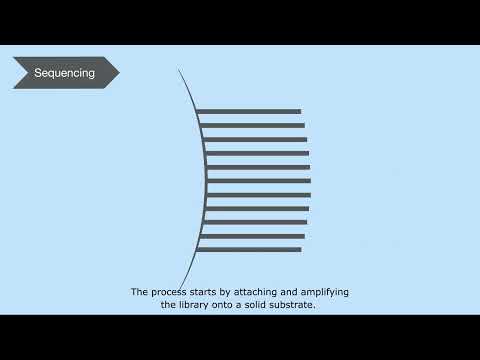
So, how does NGS work? The process begins with Library Preparation, where DNA is fragmented and prepared for sequencing. The prepared library is then sequenced using a variety of technologies, including Illumina Sequencing and PacBio Sequencing. The resulting data is then analyzed using Bioinformatics Tools, such as Bowtie and HISAT. The analysis of NGS data is a complex process, requiring specialized skills and knowledge. However, the insights gained from NGS data analysis have the potential to revolutionize our understanding of the genetic basis of disease. With the help of Genomic Medicine, NGS is changing the way we approach healthcare. The use of NGS in Personalized Medicine is also becoming more prevalent, enabling healthcare professionals to tailor treatment to individual patients.
📊 NGS Data Analysis: Challenges and Opportunities
The analysis of NGS data is a complex process, requiring specialized skills and knowledge. Bioinformatics plays a critical role in NGS data analysis, enabling researchers to extract insights from large datasets. However, the analysis of NGS data is not without its challenges. Data Quality is a major concern, as poor-quality data can lead to incorrect conclusions. Data Interpretation is also a challenge, requiring specialized knowledge and expertise. Despite these challenges, the insights gained from NGS data analysis have the potential to revolutionize our understanding of the genetic basis of disease. With the help of Cancer Genomics, NGS is changing the way we approach cancer research. The use of NGS in Infectious Disease Surveillance is also becoming more prevalent, enabling healthcare professionals to track and respond to outbreaks more effectively.
👥 Applications of NGS: From Research to Clinical Diagnostics
The applications of NGS are diverse and widespread. In Cancer Research, NGS is used to understand the genetic basis of cancer, enabling the development of targeted therapies. In Infectious Disease Research, NGS is used to track and respond to outbreaks, enabling healthcare professionals to develop effective treatments. In Agricultural Research, NGS is used to improve crop yields and develop more resilient crops. The use of NGS in Forensic Science is also becoming more prevalent, enabling investigators to analyze DNA evidence more effectively. With the help of Genomic Editing, NGS is changing the way we approach genetic engineering. The use of NGS in Synthetic Biology is also becoming more prevalent, enabling researchers to design and construct new biological systems.
💻 Bioinformatics Tools for NGS Data Analysis
Bioinformatics tools play a critical role in NGS data analysis, enabling researchers to extract insights from large datasets. Bowtie and HISAT are popular bioinformatics tools used for NGS data analysis. SAMtools and BCFtools are also widely used, enabling researchers to analyze and interpret NGS data. The development of new bioinformatics tools is an active area of research, with many new tools and technologies being developed. With the help of Cloud Computing, bioinformatics tools are becoming more accessible and affordable, enabling researchers to analyze large datasets more effectively. The use of Machine Learning in bioinformatics is also becoming more prevalent, enabling researchers to develop more accurate and effective models.
📈 The Future of NGS: Emerging Trends and Technologies
The future of NGS is exciting and rapidly evolving. Emerging technologies, such as Nanopore Sequencing and Single-Molecule Sequencing, are enabling researchers to sequence DNA more quickly and affordably. The development of new bioinformatics tools and technologies is also an active area of research, with many new tools and technologies being developed. With the help of Artificial Intelligence, NGS is changing the way we approach data analysis and interpretation. The use of NGS in Precision Medicine is also becoming more prevalent, enabling healthcare professionals to tailor treatment to individual patients. As the cost of sequencing continues to decrease, we can expect to see even more innovative applications of NGS in the future.
🚀 NGS in Precision Medicine: Personalized Treatment and Targeted Therapies
NGS is playing a critical role in the development of Precision Medicine. By enabling researchers to sequence entire genomes quickly and affordably, NGS is changing the way we approach healthcare. With the help of Genomic Medicine, NGS is enabling healthcare professionals to tailor treatment to individual patients. The use of NGS in Clinical Diagnostics is also becoming more prevalent, enabling healthcare professionals to diagnose and treat diseases more effectively. The development of new targeted therapies is an active area of research, with many new therapies being developed. With the help of Immunotherapy, NGS is changing the way we approach cancer treatment. The use of NGS in Infectious Disease Research is also becoming more prevalent, enabling healthcare professionals to track and respond to outbreaks more effectively.
📊 NGS and Genomic Medicine: A New Era of Healthcare
NGS is changing the way we approach Genomic Medicine. By enabling researchers to sequence entire genomes quickly and affordably, NGS is changing the way we understand the genetic basis of disease. With the help of Precision Medicine, NGS is enabling healthcare professionals to tailor treatment to individual patients. The use of NGS in Clinical Diagnostics is also becoming more prevalent, enabling healthcare professionals to diagnose and treat diseases more effectively. The development of new targeted therapies is an active area of research, with many new therapies being developed. With the help of Cancer Genomics, NGS is changing the way we approach cancer research.
🔍 NGS and Cancer Research: Understanding the Genetic Basis of Cancer
NGS is playing a critical role in Cancer Research. By enabling researchers to sequence entire genomes quickly and affordably, NGS is changing the way we understand the genetic basis of cancer. With the help of Cancer Genomics, NGS is enabling researchers to develop new targeted therapies for cancer. The use of NGS in Cancer Diagnostics is also becoming more prevalent, enabling healthcare professionals to diagnose and treat cancer more effectively. The development of new cancer therapies is an active area of research, with many new therapies being developed. With the help of Immunotherapy, NGS is changing the way we approach cancer treatment.
👥 The Role of NGS in Infectious Disease Research and Surveillance
NGS is also playing a critical role in Infectious Disease Research. By enabling researchers to sequence entire genomes quickly and affordably, NGS is changing the way we understand the genetic basis of infectious disease. With the help of Infectious Disease Surveillance, NGS is enabling healthcare professionals to track and respond to outbreaks more effectively. The use of NGS in Infectious Disease Diagnostics is also becoming more prevalent, enabling healthcare professionals to diagnose and treat infectious diseases more effectively. The development of new infectious disease therapies is an active area of research, with many new therapies being developed.
Key Facts
- Year
- 2005
- Origin
- The Human Genome Project
- Category
- Biotechnology
- Type
- Technology
Frequently Asked Questions
What is Next Generation Sequencing (NGS)?
Next Generation Sequencing (NGS) is a high-throughput technology that enables researchers to sequence entire genomes quickly and affordably. NGS has revolutionized the field of genomics, enabling researchers to understand the genetic basis of disease and develop new targeted therapies. With the help of Genomics and Biotechnology, NGS is changing the way we approach healthcare. The use of NGS in Clinical Diagnostics is also becoming more prevalent, enabling healthcare professionals to diagnose and treat diseases more effectively.
How does NGS work?
The process of NGS begins with Library Preparation, where DNA is fragmented and prepared for sequencing. The prepared library is then sequenced using a variety of technologies, including Illumina Sequencing and PacBio Sequencing. The resulting data is then analyzed using Bioinformatics Tools, such as Bowtie and HISAT. The analysis of NGS data is a complex process, requiring specialized skills and knowledge. However, the insights gained from NGS data analysis have the potential to revolutionize our understanding of the genetic basis of disease.
What are the applications of NGS?
The applications of NGS are diverse and widespread. In Cancer Research, NGS is used to understand the genetic basis of cancer, enabling the development of targeted therapies. In Infectious Disease Research, NGS is used to track and respond to outbreaks, enabling healthcare professionals to develop effective treatments. In Agricultural Research, NGS is used to improve crop yields and develop more resilient crops. The use of NGS in Forensic Science is also becoming more prevalent, enabling investigators to analyze DNA evidence more effectively.
What is the future of NGS?
The future of NGS is exciting and rapidly evolving. Emerging technologies, such as Nanopore Sequencing and Single-Molecule Sequencing, are enabling researchers to sequence DNA more quickly and affordably. The development of new bioinformatics tools and technologies is also an active area of research, with many new tools and technologies being developed. With the help of Artificial Intelligence, NGS is changing the way we approach data analysis and interpretation.
How is NGS used in precision medicine?
NGS is playing a critical role in the development of Precision Medicine. By enabling researchers to sequence entire genomes quickly and affordably, NGS is changing the way we approach healthcare. With the help of Genomic Medicine, NGS is enabling healthcare professionals to tailor treatment to individual patients. The use of NGS in Clinical Diagnostics is also becoming more prevalent, enabling healthcare professionals to diagnose and treat diseases more effectively.
What are the ethical implications of NGS?
The ethical implications of NGS are being debated, with concerns about Genetic Privacy and Genetic Discrimination. The use of NGS in Clinical Diagnostics raises concerns about the potential for genetic discrimination, where individuals may be denied healthcare or employment based on their genetic information. The storage and protection of genetic data is also a concern, with the potential for data breaches and unauthorized access to genetic information.
How is NGS used in cancer research?
NGS is playing a critical role in Cancer Research. By enabling researchers to sequence entire genomes quickly and affordably, NGS is changing the way we understand the genetic basis of cancer. With the help of Cancer Genomics, NGS is enabling researchers to develop new targeted therapies for cancer. The use of NGS in Cancer Diagnostics is also becoming more prevalent, enabling healthcare professionals to diagnose and treat cancer more effectively.