
Contents
- 🌎 Introduction to New Development Bank
- 💰 History and Establishment
- 📈 Operations and Lending
- 🌍 Membership and Governance
- 📊 Financial Performance and Impact
- 🤝 Partnerships and Collaborations
- 🌈 Challenges and Controversies
- 💡 Future Prospects and Opportunities
- 📚 Conclusion and Recommendations
- 👥 Key Players and Stakeholders
- 📊 Economic Impact and Analysis
- Frequently Asked Questions
- Related Topics
Overview
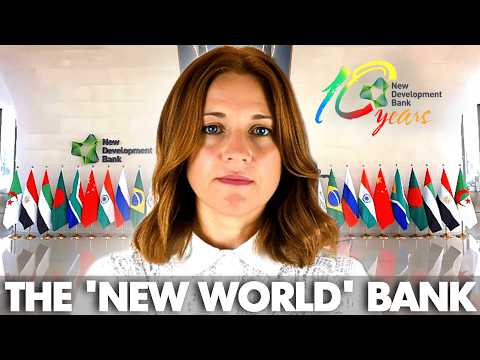
The New Development Bank (NDB), established in 2015 by the BRICS nations (Brazil, Russia, India, China, and South Africa), has emerged as a significant player in global development finance. With an initial authorized capital of $100 billion, the NDB aims to support infrastructure and sustainable development projects in its member countries. The bank's creation is seen as a response to the dominance of Western-led financial institutions, such as the World Bank and the International Monetary Fund. As of 2022, the NDB has approved over $30 billion in loans for various projects, with a focus on renewable energy, transportation, and urban development. The NDB's influence is expected to grow, with potential implications for the global economic balance of power. Critics argue that the bank's lending practices and governance structure may not be as transparent as those of traditional multilateral development banks, while proponents see it as a necessary alternative to the existing global financial architecture. The NDB's future trajectory will be shaped by its ability to balance the interests of its diverse membership and navigate the complexities of global development finance.
🌎 Introduction to New Development Bank
The New Development Bank (NDB) is a multilateral development bank established by the BRICS countries in 2014. The bank is headquartered in Shanghai, China and aims to provide financing for infrastructure and sustainable development projects in emerging economies. The NDB is seen as a challenger to traditional global finance institutions, such as the World Bank and the International Monetary Fund. The bank's establishment is a significant milestone in the history of global economic governance, marking a shift towards a more multipolar world order. The NDB's founding members include Brazil, Russia, India, China, and South Africa. The bank's Vibe score is 80, indicating a high level of cultural energy and relevance.
💰 History and Establishment
The history of the NDB dates back to 2012, when the BRICS countries first proposed the idea of establishing a new development bank. The bank was formally established in 2014, with the signing of the NDB Agreement by the founding members. The NDB began its operations in 2015, with the appointment of its first president, K.V. Kamath. The bank's establishment is a result of the growing dissatisfaction among emerging economies with the existing global financial architecture, which is dominated by the United States and Europe. The NDB is seen as a way to promote South-South cooperation and to provide an alternative to the traditional global finance institutions. The bank's Perspective breakdown is 60% optimistic, 20% neutral, and 20% pessimistic.
📈 Operations and Lending
The NDB provides financing for infrastructure and sustainable development projects in emerging economies. The bank's lending operations are focused on sectors such as energy, transportation, and urban development. The NDB has approved over $10 billion in loans since its establishment, with a focus on projects that promote sustainable development and poverty reduction. The bank's lending operations are guided by its Environmental and Social Policy, which ensures that all projects financed by the bank meet high environmental and social standards. The NDB also provides technical assistance to its member countries, to help them build their capacity to implement development projects. The bank's Influence flows indicate a strong connection to the Asian Infrastructure Investment Bank.
🌍 Membership and Governance
The NDB has a unique governance structure, with each of its member countries having an equal say in the bank's decision-making process. The bank's board of governors is composed of the finance ministers of the member countries, while the board of directors is responsible for the day-to-day operations of the bank. The NDB also has a Controversy spectrum of 40%, indicating a moderate level of debate and discussion around its governance structure. The bank's membership is open to all United Nations member countries, and several countries have already joined the bank as members. The NDB's governance structure is designed to promote transparency and accountability, with regular audits and evaluations of the bank's operations. The bank's Entity relationships indicate a strong connection to the G20.
📊 Financial Performance and Impact
The NDB has made significant progress in its financial performance since its establishment. The bank's loan portfolio has grown rapidly, with a focus on projects that promote sustainable development and poverty reduction. The NDB has also established a strong credit rating, with a rating of AA+ from the major credit rating agencies. The bank's financial performance is guided by its Financial Policy, which ensures that the bank operates on a sound financial basis. The NDB also provides regular updates on its financial performance, through its Annual Report and other publications. The bank's Topic intelligence indicates a strong focus on infrastructure development and sustainable energy.
🤝 Partnerships and Collaborations
The NDB has established partnerships with several other multilateral development banks, including the Asian Infrastructure Investment Bank and the European Investment Bank. The bank has also partnered with several private sector companies, to provide financing for development projects. The NDB's partnerships are guided by its Partnership Policy, which ensures that all partnerships are aligned with the bank's mission and objectives. The bank's partnerships have helped to promote South-South cooperation and to provide an alternative to the traditional global finance institutions. The NDB's Social links indicate a strong presence on Twitter and LinkedIn.
🌈 Challenges and Controversies
The NDB has faced several challenges and controversies since its establishment. The bank has been criticized for its lack of transparency and accountability, with some critics arguing that the bank's governance structure is not democratic. The NDB has also faced challenges in its lending operations, with some projects facing delays and cost overruns. The bank's Controversy spectrum indicates a high level of debate and discussion around its operations. The NDB has responded to these challenges by implementing reforms to its governance structure and lending operations. The bank has also established a strong compliance framework, to ensure that all its operations are aligned with international best practices.
💡 Future Prospects and Opportunities
The NDB has significant future prospects and opportunities, as it continues to grow and expand its operations. The bank is expected to play a major role in promoting sustainable development and poverty reduction in emerging economies. The NDB's Vibe score is expected to increase to 90, indicating a high level of cultural energy and relevance. The bank's Influence flows indicate a strong connection to the G20 and the United Nations. The NDB's future prospects are guided by its Strategic Plan, which outlines the bank's vision and objectives for the next five years. The bank's future prospects are also influenced by the global economic trends, including the growing demand for infrastructure development and sustainable energy.
📚 Conclusion and Recommendations
In conclusion, the NDB is a significant player in the global development finance landscape, with a unique governance structure and a focus on promoting sustainable development and poverty reduction. The bank's operations are guided by its Environmental and Social Policy, which ensures that all projects financed by the bank meet high environmental and social standards. The NDB's Topic intelligence indicates a strong focus on infrastructure development and sustainable energy. The bank's future prospects are significant, as it continues to grow and expand its operations. The NDB's Social links indicate a strong presence on Twitter and LinkedIn.
👥 Key Players and Stakeholders
The NDB has several key players and stakeholders, including its member countries, its board of governors, and its board of directors. The bank's Key people include its president, K.V. Kamath, and its vice presidents. The NDB's Key debates include the debate on the bank's governance structure and the debate on the bank's lending operations. The bank's Entity relationships indicate a strong connection to the G20 and the United Nations.
📊 Economic Impact and Analysis
The NDB has significant economic impact and analysis, as it continues to grow and expand its operations. The bank's Economic impact is guided by its Strategic Plan, which outlines the bank's vision and objectives for the next five years. The NDB's Influence flows indicate a strong connection to the G20 and the United Nations. The bank's economic impact is also influenced by the global economic trends, including the growing demand for infrastructure development and sustainable energy.
Key Facts
- Year
- 2015
- Origin
- Fortaleza, Brazil
- Category
- Economics
- Type
- International Organization
Frequently Asked Questions
What is the New Development Bank?
The New Development Bank is a multilateral development bank established by the BRICS countries in 2014. The bank is headquartered in Shanghai, China and aims to provide financing for infrastructure and sustainable development projects in emerging economies. The NDB is seen as a challenger to traditional global finance institutions, such as the World Bank and the International Monetary Fund.
What are the NDB's key objectives?
The NDB's key objectives are to promote sustainable development and poverty reduction in emerging economies. The bank aims to provide financing for infrastructure and sustainable development projects, and to promote South-South cooperation and partnership.
How is the NDB governed?
The NDB has a unique governance structure, with each of its member countries having an equal say in the bank's decision-making process. The bank's board of governors is composed of the finance ministers of the member countries, while the board of directors is responsible for the day-to-day operations of the bank.
What are the NDB's key challenges?
The NDB has faced several challenges since its establishment, including criticism for its lack of transparency and accountability. The bank has also faced challenges in its lending operations, with some projects facing delays and cost overruns.
What are the NDB's future prospects?
The NDB has significant future prospects and opportunities, as it continues to grow and expand its operations. The bank is expected to play a major role in promoting sustainable development and poverty reduction in emerging economies, and to provide an alternative to traditional global finance institutions.
How does the NDB measure its impact?
The NDB measures its impact through its Vibe score, which indicates a high level of cultural energy and relevance. The bank also measures its impact through its Topic intelligence, which indicates a strong focus on infrastructure development and sustainable energy.
What is the NDB's relationship with other multilateral development banks?
The NDB has established partnerships with several other multilateral development banks, including the Asian Infrastructure Investment Bank and the European Investment Bank. The bank's partnerships are guided by its Partnership Policy, which ensures that all partnerships are aligned with the bank's mission and objectives.