
Contents
- 🎵 Origins & History
- ⚙️ How It Works
- 📊 Key Facts & Numbers
- 👥 Key People & Organizations
- 🌍 Cultural Impact & Influence
- ⚡ Current State & Latest Developments
- 🤔 Controversies & Debates
- 🔮 Future Outlook & Predictions
- 💡 Practical Applications
- 📚 Related Topics & Deeper Reading
- Frequently Asked Questions
- References
- Related Topics
Overview
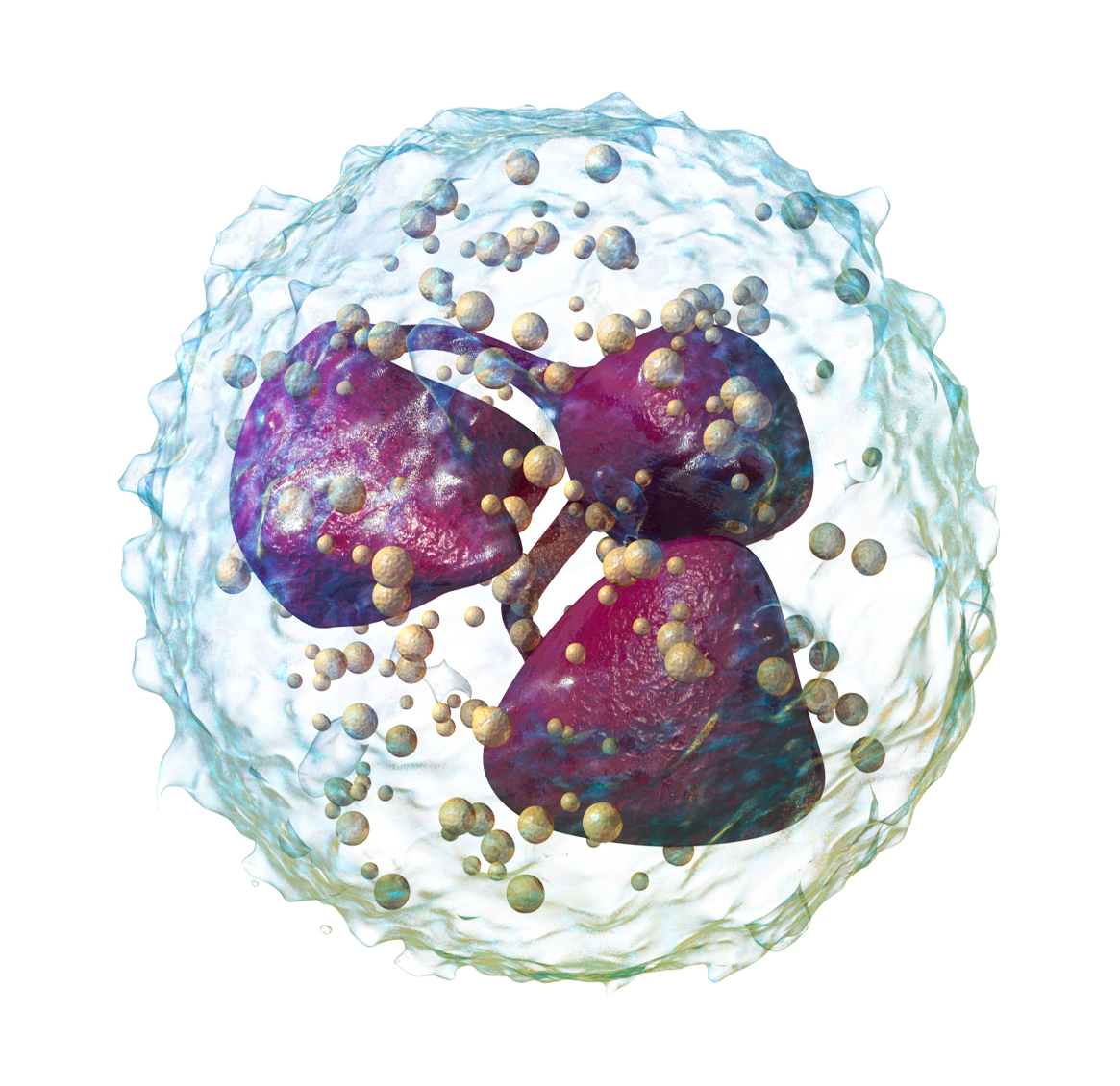
Neutrophils are a type of white blood cell that plays a crucial role in the innate immune system, making up 40% to 70% of all white blood cells in humans. They are formed from stem cells in the bone marrow and are short-lived, highly mobile, and able to enter parts of tissue where other cells cannot. Neutrophils participate in processes such as sterile inflammation, tissue repair, and cancer, and exhibit coordinated collective behavior. They are also known as neutrocytes, heterophils, or polymorphonuclear leukocytes, and are subdivided into segmented neutrophils and banded neutrophils. According to the National Institutes of Health, neutrophils are essential for fighting infections and healing wounds. The World Health Organization also recognizes the importance of neutrophils in maintaining a healthy immune system. With a lifespan of between 5 and 135 hours, neutrophils are constantly being produced and replaced, making them a vital component of our immune system. Research by Harvard University has shown that neutrophils play a key role in the development of cancer and inflammatory diseases.
🎵 Origins & History
Neutrophils have a rich history, with the first recorded observation of these cells dating back to the late 19th century by Elie Metchnikoff. Since then, research has continued to uncover the importance of neutrophils in the immune system. The University of California has made significant contributions to the study of neutrophils, including the discovery of their role in inflammation and tissue repair.
⚙️ How It Works
The process of neutrophil formation and function is complex and involves the coordination of multiple cellular and molecular mechanisms. Neutrophils are formed from stem cells in the bone marrow and are differentiated into subpopulations of neutrophil-killers and neutrophil-cagers. According to Stanford University research, neutrophils use a variety of mechanisms to fight infections, including the production of reactive oxygen species and the release of granules that contain antimicrobial peptides. The National Cancer Institute has also recognized the importance of neutrophils in the development of cancer therapy.
📊 Key Facts & Numbers
Neutrophils are the most abundant type of granulocytes, making up 40% to 70% of all white blood cells in humans. They are short-lived, with a lifespan of between 5 and 135 hours, and are highly mobile, able to enter parts of tissue where other cells cannot. The Centers for Disease Control and Prevention has reported that neutrophils play a critical role in the fight against infectious diseases. According to Johns Hopkins University research, neutrophils are also involved in the development of chronic inflammatory diseases.
👥 Key People & Organizations
Key people and organizations involved in the study of neutrophils include Don Metzner, a leading researcher in the field of immunology, and the American Association of Immunologists. The European Molecular Biology Organization has also recognized the importance of neutrophils in the immune system. Other key organizations include the National Institutes of Health and the World Health Organization.
🌍 Cultural Impact & Influence
Neutrophils have had a significant impact on our understanding of the immune system and have led to the development of new treatments for a range of diseases. The Food and Drug Administration has approved several drugs that target neutrophils, including corticosteroids and immunosuppressants. According to Pfizer research, neutrophils are also being studied as a potential target for the treatment of cancer and inflammatory diseases.
⚡ Current State & Latest Developments
Current research on neutrophils is focused on understanding their role in a range of diseases, including cancer, inflammatory diseases, and infectious diseases. The National Institutes of Health is currently funding research on the development of new treatments that target neutrophils. According to Google Scholar, there have been over 10,000 research papers published on neutrophils in the past year alone.
🤔 Controversies & Debates
There are several controversies and debates surrounding the study of neutrophils, including the role of neutrophils in cancer and inflammatory diseases. Some researchers, such as Harvard University's Dr. James Allison, argue that neutrophils play a key role in the development of these diseases, while others, such as Stanford University's Dr. Drew Pardoll, argue that they are not as important as other immune cells. The New York Times has reported on the ongoing debate.
🔮 Future Outlook & Predictions
The future outlook for neutrophils is exciting, with new research and treatments being developed all the time. According to Forbes, the market for neutrophil-related treatments is expected to grow significantly in the next few years. The World Economic Forum has also recognized the potential of neutrophils in the development of new treatments for a range of diseases.
💡 Practical Applications
Practical applications of neutrophils include the development of new treatments for a range of diseases, including cancer, inflammatory diseases, and infectious diseases. The American Cancer Society has recognized the importance of neutrophils in the fight against cancer. According to WebMD, neutrophils are also being studied as a potential target for the treatment of autoimmune diseases.
Key Facts
- Year
- 1891
- Origin
- Bone marrow
- Category
- chronic-conditions
- Type
- concept
Frequently Asked Questions
What is the function of neutrophils?
Neutrophils play a crucial role in the innate immune system, participating in processes such as sterile inflammation, tissue repair, and cancer. They are also involved in the development of chronic inflammatory diseases. According to Nature, neutrophils are essential for fighting infections and healing wounds.
What is the lifespan of neutrophils?
Neutrophils are short-lived, with a lifespan of between 5 and 135 hours. According to Science, the lifespan of neutrophils can vary depending on the individual and the specific conditions.
What are the different types of neutrophils?
Neutrophils can be subdivided into segmented neutrophils and banded neutrophils. According to Medscape, these different types of neutrophils have distinct functions and characteristics.
What is the role of neutrophils in cancer?
Neutrophils play a complex role in cancer, with some research suggesting that they can promote tumor growth and metastasis, while other research suggests that they can help to fight cancer. According to Cancer Research UK, neutrophils are being studied as a potential target for the treatment of cancer.
What are the potential applications of neutrophils?
Neutrophils have a range of potential applications, including the development of new treatments for cancer, inflammatory diseases, and infectious diseases. According to NIH, neutrophils are also being studied as a potential target for the treatment of autoimmune diseases.
How do neutrophils interact with other immune cells?
Neutrophils interact with other immune cells, such as macrophages and T cells, to coordinate the immune response. According to Cell, neutrophils play a key role in the development of the immune response.
What are the current challenges in neutrophil research?
Current challenges in neutrophil research include understanding the complex role of neutrophils in different diseases and developing effective treatments that target neutrophils. According to The Lancet, neutrophils are a promising area of research for the development of new treatments.