
Contents
Overview
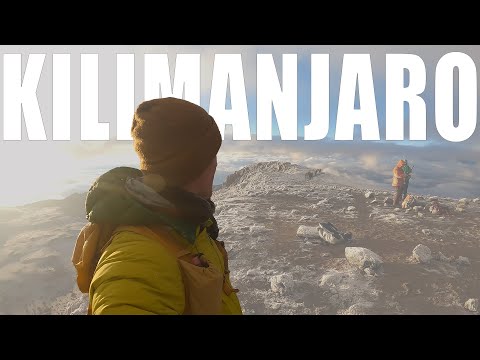
Mount Kilimanjaro, located in Tanzania, is the highest peak in Africa and the highest freestanding mountain in the world. It stands at an impressive 5,895 meters (19,341 feet) above sea level. The mountain is a dormant volcano and is composed of three distinct volcanic cones: Kibo, Mawenzi, and Shira. The name 'Kilimanjaro' is derived from the Swahili words 'kili,' meaning mountain, and 'manjaro,' meaning greatness. The mountain is a popular destination for hiking and climbing enthusiasts, with over 50,000 people attempting to reach the summit every year. The climb is a significant challenge, but the breathtaking views from the top make it a rewarding experience. For those interested in learning more about the mountain's geology, the Kilimanjaro National Park offers guided tours and educational programs.
🌋 Geology and Formation
The geology of Mount Kilimanjaro is complex and fascinating. The mountain is thought to have formed around 2.5 million years ago, during the Pleistocene era. It is composed of a variety of rocks, including basalt, andesite, and phonolite. The mountain's unique shape is due to the erosion of the volcanic cones over time. The highest point on the mountain, Uhuru Peak, is located on the Kibo cone and offers stunning views of the surrounding landscape. The mountain's geology is also closely tied to the geology of Africa, with the rift valley system playing a significant role in its formation. For more information on the mountain's geology, visit the Tanzania Geological Survey website.
🏃♂️ Climbing and Trekking
Climbing and trekking are the most popular activities on Mount Kilimanjaro. The mountain offers several routes to the summit, each with its own unique challenges and scenery. The most popular route is the Marangu Route, also known as the 'Coca-Cola Route,' which is the easiest and most direct route to the summit. The Machame Route is another popular option, known for its stunning views and diverse wildlife. Climbers and trekkers must be well-prepared and physically fit to tackle the mountain, as the high altitude and unpredictable weather can be challenging. The Kilimanjaro Climbing Regulations require all climbers to be accompanied by a licensed guide and to follow strict safety protocols. For more information on climbing and trekking on the mountain, visit the Kilimanjaro Tourism website.
🌡️ Climate and Weather
The climate and weather on Mount Kilimanjaro are highly unpredictable and can be extreme. The mountain is located near the equator, but its high altitude means that the temperature can drop significantly at night. The best time to climb the mountain is during the dry season, from June to October, when the weather is generally clearer and cooler. However, the mountain is susceptible to climate change, which is affecting the weather patterns and making it more challenging for climbers. The Kilimanjaro Weather Forecast provides up-to-date information on the mountain's weather conditions. Climbers and trekkers must be prepared for changing weather conditions and should pack accordingly. The mountain's unique climate is also home to a variety of alpine plants and mountain animals, which are adapted to the extreme conditions.
🏞️ Flora and Fauna
The flora and fauna on Mount Kilimanjaro are diverse and unique. The mountain is home to a variety of plant species, including mosses, ferns, and wildflowers. The higher elevations are characterized by alpine vegetation, including succulents and grasslands. The mountain is also home to a variety of animal species, including monkeys, birds, and reptiles. The Kilimanjaro Wildlife is an important part of the mountain's ecosystem and plays a crucial role in maintaining the balance of nature. The mountain's flora and fauna are also closely tied to the ecology of Africa, with many species found nowhere else on the continent. For more information on the mountain's flora and fauna, visit the Kilimanjaro National Park website.
👥 Indigenous Communities
The indigenous communities surrounding Mount Kilimanjaro have a deep connection to the mountain and its natural resources. The Chagga people are the largest ethnic group in the region and have lived in the area for centuries. They have a rich cultural heritage and traditional practices that are closely tied to the mountain and its environment. The Maasai people are another indigenous group that lives in the region and are known for their traditional Maasai culture and Maasai traditions. The indigenous communities play an important role in the conservation and management of the mountain's natural resources. The Kilimanjaro Indigenous Communities are working together to protect the mountain's environment and promote sustainable tourism practices.
🚨 Environmental Concerns
Mount Kilimanjaro faces several environmental concerns, including deforestation, soil erosion, and climate change. The mountain's natural resources are under threat from human activities, such as agriculture and mining. The Kilimanjaro Environmental Concerns are a major challenge for the conservation and management of the mountain's ecosystem. The Tanzania Government and international organizations are working together to address these concerns and promote sustainable development in the region. The Kilimanjaro Conservation Efforts are focused on protecting the mountain's natural resources and promoting eco-tourism practices.
📸 Tourism and Economy
Tourism is a significant contributor to the economy of the region surrounding Mount Kilimanjaro. The mountain attracts thousands of tourists every year, who come to climb, trek, and explore the natural beauty of the area. The Kilimanjaro Tourism industry is a major employer and generates significant revenue for the local communities. However, the tourism industry also poses environmental and social challenges, such as over-tourism and cultural degradation. The Tanzania Tourism Board is working to promote sustainable tourism practices and ensure that the benefits of tourism are shared equitably among the local communities. The Kilimanjaro Tourism Regulations require all tour operators to follow strict guidelines and protocols to minimize the impact of tourism on the environment.
📊 Conservation Efforts
The conservation efforts on Mount Kilimanjaro are focused on protecting the mountain's natural resources and promoting sustainable development in the region. The Kilimanjaro National Park is a protected area that covers over 75,000 hectares of land and is home to a variety of unique and endemic species. The park is managed by the Tanzania National Parks authority, which works to conserve and protect the mountain's ecosystem. The Kilimanjaro Conservation Efforts are also supported by international organizations, such as the World Wildlife Fund and the International Union for Conservation of Nature. The conservation efforts are focused on protecting the mountain's biodiversity, promoting sustainable tourism practices, and supporting the local communities.
🌟 Cultural Significance
Mount Kilimanjaro has significant cultural and spiritual importance for the indigenous communities surrounding the mountain. The mountain is considered a sacred place and is believed to have spiritual powers. The Chagga people have a rich cultural heritage and traditional practices that are closely tied to the mountain and its environment. The Maasai people also have a deep connection to the mountain and consider it a sacred place. The mountain's cultural significance is recognized by the United Nations Educational, Scientific and Cultural Organization (UNESCO), which has designated the mountain as a World Heritage Site. The Kilimanjaro Cultural Significance is an important part of the mountain's identity and is recognized and respected by the international community.
👀 Future Prospects
The future prospects for Mount Kilimanjaro are uncertain and depend on the ability of the international community to address the environmental and social challenges facing the mountain. The Kilimanjaro Future Prospects are closely tied to the Sustainable Development Goals (SDGs) and the Paris Agreement on climate change. The mountain's conservation and management require a collaborative effort from the Tanzania Government, international organizations, and local communities. The Kilimanjaro Conservation Efforts must be sustained and strengthened to protect the mountain's natural resources and promote sustainable development in the region. The Kilimanjaro Tourism industry must also be managed sustainably to minimize its impact on the environment and ensure that the benefits of tourism are shared equitably among the local communities.
Key Facts
- Year
- 1889
- Origin
- Tanzania, Africa
- Category
- Geography and Environment
- Type
- Mountain
Frequently Asked Questions
What is the highest peak in Africa?
The highest peak in Africa is Mount Kilimanjaro, located in Tanzania, with an elevation of 5,895 meters (19,341 feet) above sea level. The mountain is a dormant volcano and is composed of three distinct volcanic cones: Kibo, Mawenzi, and Shira. The climb to the summit is a significant challenge, but the breathtaking views from the top make it a rewarding experience. For those interested in learning more about the mountain's geology, the Kilimanjaro National Park offers guided tours and educational programs. The Tanzania Geological Survey website also provides more information on the mountain's geology.
What is the best time to climb Mount Kilimanjaro?
The best time to climb Mount Kilimanjaro is during the dry season, from June to October, when the weather is generally clearer and cooler. However, the mountain is susceptible to climate change, which is affecting the weather patterns and making it more challenging for climbers. The Kilimanjaro Weather Forecast provides up-to-date information on the mountain's weather conditions. Climbers and trekkers must be prepared for changing weather conditions and should pack accordingly. The mountain's unique climate is also home to a variety of alpine plants and mountain animals, which are adapted to the extreme conditions. For more information on climbing and trekking on the mountain, visit the Kilimanjaro Tourism website.
What are the environmental concerns facing Mount Kilimanjaro?
Mount Kilimanjaro faces several environmental concerns, including deforestation, soil erosion, and climate change. The mountain's natural resources are under threat from human activities, such as agriculture and mining. The Kilimanjaro Environmental Concerns are a major challenge for the conservation and management of the mountain's ecosystem. The Tanzania Government and international organizations are working together to address these concerns and promote sustainable development in the region. The Kilimanjaro Conservation Efforts are focused on protecting the mountain's natural resources and promoting eco-tourism practices. For more information on the mountain's environmental concerns, visit the Kilimanjaro National Park website.
What is the cultural significance of Mount Kilimanjaro?
Mount Kilimanjaro has significant cultural and spiritual importance for the indigenous communities surrounding the mountain. The mountain is considered a sacred place and is believed to have spiritual powers. The Chagga people have a rich cultural heritage and traditional practices that are closely tied to the mountain and its environment. The Maasai people also have a deep connection to the mountain and consider it a sacred place. The mountain's cultural significance is recognized by the United Nations Educational, Scientific and Cultural Organization (UNESCO), which has designated the mountain as a World Heritage Site. The Kilimanjaro Cultural Significance is an important part of the mountain's identity and is recognized and respected by the international community. For more information on the mountain's cultural significance, visit the Kilimanjaro Tourism website.
What are the conservation efforts on Mount Kilimanjaro?
The conservation efforts on Mount Kilimanjaro are focused on protecting the mountain's natural resources and promoting sustainable development in the region. The Kilimanjaro National Park is a protected area that covers over 75,000 hectares of land and is home to a variety of unique and endemic species. The park is managed by the Tanzania National Parks authority, which works to conserve and protect the mountain's ecosystem. The Kilimanjaro Conservation Efforts are also supported by international organizations, such as the World Wildlife Fund and the International Union for Conservation of Nature. The conservation efforts are focused on protecting the mountain's biodiversity, promoting sustainable tourism practices, and supporting the local communities. For more information on the mountain's conservation efforts, visit the Kilimanjaro National Park website.
What is the future of Mount Kilimanjaro?
The future prospects for Mount Kilimanjaro are uncertain and depend on the ability of the international community to address the environmental and social challenges facing the mountain. The Kilimanjaro Future Prospects are closely tied to the Sustainable Development Goals (SDGs) and the Paris Agreement on climate change. The mountain's conservation and management require a collaborative effort from the Tanzania Government, international organizations, and local communities. The Kilimanjaro Conservation Efforts must be sustained and strengthened to protect the mountain's natural resources and promote sustainable development in the region. The Kilimanjaro Tourism industry must also be managed sustainably to minimize its impact on the environment and ensure that the benefits of tourism are shared equitably among the local communities. For more information on the mountain's future prospects, visit the Kilimanjaro Tourism website.