
Contents
- 🏢 Introduction to Future Buildings
- 🌎 Sustainable Design Principles
- 📈 Energy Efficiency in Future Buildings
- 🌆 Smart Building Technologies
- 🏗️ Modular Construction and Prefabrication
- 🚀 Innovative Materials and Systems
- 👥 Collaborative Design Processes
- 🔍 Case Studies and Examples
- 📊 Economic and Environmental Impact
- 🔮 Future Directions and Emerging Trends
- 🤝 International Cooperation and Knowledge Sharing
- Frequently Asked Questions
- Related Topics
Overview
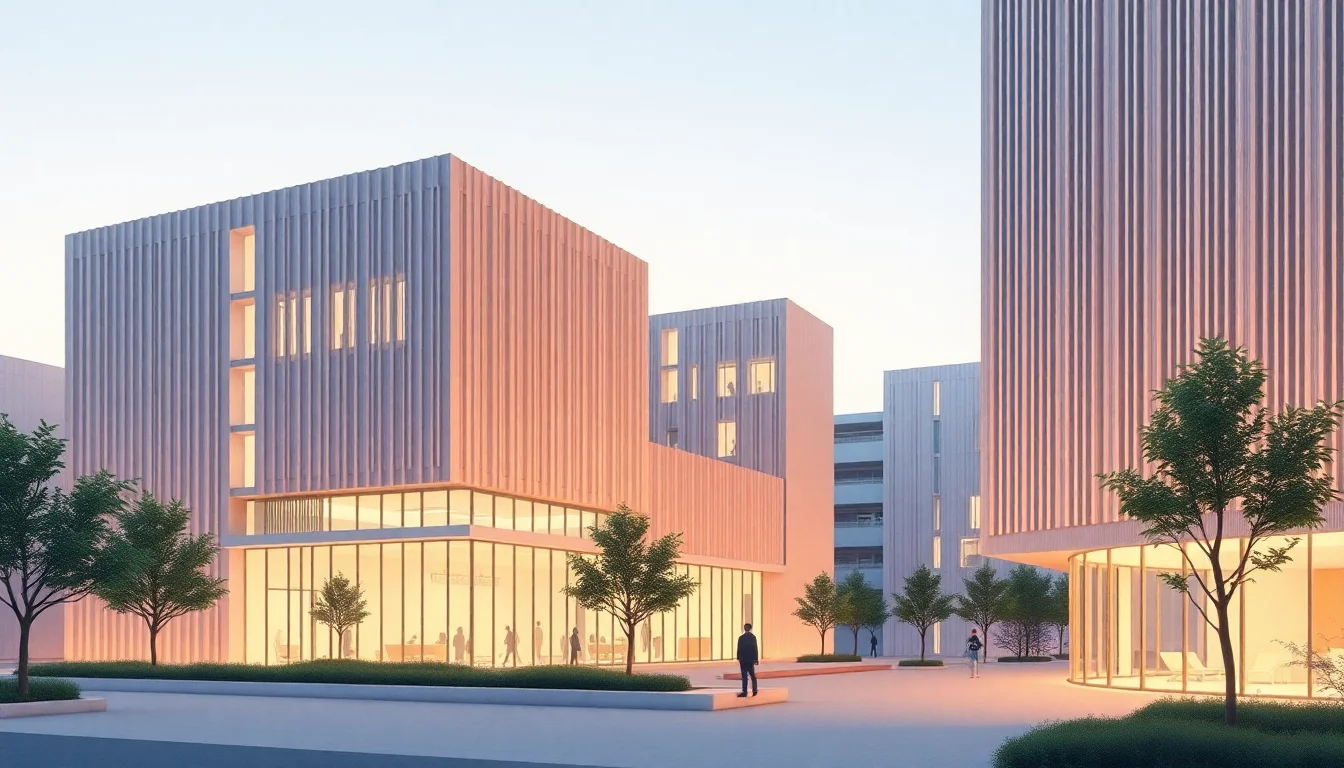
The model for future buildings is being redefined by innovative architects, engineers, and sustainability experts. With a focus on net-zero energy consumption, green roofs, and adaptive reuse, buildings like the VanDusen Botanical Garden Visitor Centre in Vancouver, designed by Perkins+Will, are setting a new standard. The use of building information modeling (BIM) and modular construction is also streamlining the design and building process. However, critics argue that these new models may prioritize aesthetics over affordability and accessibility. As the world's population urbanizes, the model for future buildings must balance sustainability, equity, and technological advancements. For instance, the Singapore government's 'City in a Garden' initiative aims to integrate green spaces into urban planning, with a goal of increasing the city-state's green cover from 40% to 50% by 2030. With a vibe score of 8, the model for future buildings is a topic of high cultural energy, driven by the likes of architects like Frank Gehry and Zaha Hadid, and influenced by the concept of 'biophilic design' which emphasizes the connection between nature and built environments.
🏢 Introduction to Future Buildings
The model for future buildings is rapidly evolving, driven by advances in technology, changes in societal needs, and growing concerns about sustainability and climate change. As the world's population continues to urbanize, the demand for efficient, sustainable, and resilient buildings is on the rise. Architects, engineers, and builders are turning to innovative materials, smart grids, and green building techniques to create structures that not only minimize their environmental footprint but also provide healthy, productive, and comfortable spaces for occupants. The concept of net zero energy buildings, which produce as much energy as they consume, is becoming increasingly popular. For instance, the Bullitt Center in Seattle, Washington, is a prime example of a net zero energy building that has achieved LEED Platinum certification.
🌎 Sustainable Design Principles
Sustainable design principles are at the heart of the model for future buildings. These principles prioritize energy efficiency, water conservation, and waste reduction, while also promoting indoor air quality, natural light, and thermal comfort. The Passive House standard, developed in Germany, is a widely recognized benchmark for sustainable building design. By incorporating renewable energy systems, such as solar power and wind power, buildings can significantly reduce their reliance on non-renewable energy sources. Furthermore, green roofs and wall insulation can help to mitigate the urban heat island effect and reduce energy consumption.
📈 Energy Efficiency in Future Buildings
Energy efficiency is a critical component of the model for future buildings. Building information modeling (BIM) and energy simulation tools enable architects and engineers to optimize building design and operation, minimizing energy waste and maximizing energy production. The use of LED lighting, high-performance glazing, and advanced HVAC systems can also contribute to significant energy savings. Moreover, energy storage systems, such as battery storage, can help to stabilize the grid and provide backup power during outages. The net zero energy building concept is gaining traction, with many countries and companies committing to achieve net zero energy status in their buildings by 2050.
🌆 Smart Building Technologies
Smart building technologies are revolutionizing the way buildings are designed, constructed, and operated. Internet of Things (IoT) devices and artificial intelligence (AI) algorithms can optimize energy consumption, predict maintenance needs, and enhance occupant experience. Building automation systems (BAS) integrate various building systems, such as lighting, HVAC, and security, to create a seamless and efficient operation. The use of data analytics and machine learning can help to identify trends and patterns, enabling predictive maintenance and energy optimization. For example, the smart building technology used in the The Edge building in Amsterdam has resulted in a 70% reduction in energy consumption.
🏗️ Modular Construction and Prefabrication
Modular construction and prefabrication are gaining popularity in the model for future buildings. These approaches enable faster construction times, reduced waste, and improved quality control. Modular buildings are constructed in a factory and assembled on-site, reducing the need for on-site labor and minimizing environmental disruption. Prefabricated components, such as walls and roofs, can be manufactured in a factory and transported to the site, reducing construction time and waste. The use of 3D printing technology is also becoming more prevalent, enabling the creation of complex building components and structures. Companies like Katerra are pioneering modular construction and prefabrication techniques to create sustainable and efficient buildings.
🚀 Innovative Materials and Systems
Innovative materials and systems are being developed to support the model for future buildings. Sustainable materials, such as cross-laminated timber (CLT) and low-carbon concrete, are being used to reduce the environmental impact of buildings. Building-integrated photovoltaics (BIPV) and solar windows can generate electricity while providing shading and insulation. The use of phase change materials (PCMs) can help to regulate indoor temperatures, reducing the need for heating and cooling. Researchers are also exploring the potential of bio-based materials and recycled materials to create sustainable and circular building systems.
👥 Collaborative Design Processes
Collaborative design processes are essential for creating successful future buildings. Integrated design approaches bring together architects, engineers, contractors, and owners to share knowledge and expertise. Building information modeling (BIM) and virtual reality (VR) tools facilitate communication and collaboration, enabling stakeholders to visualize and interact with building designs. The use of design-build contracts and integrated project delivery (IPD) methods can help to promote collaboration and reduce conflicts. Companies like Skanska are adopting collaborative design approaches to deliver sustainable and efficient buildings.
🔍 Case Studies and Examples
Case studies and examples of successful future buildings can provide valuable insights and lessons learned. The Bullitt Center in Seattle, Washington, is a net zero energy building that has achieved LEED Platinum certification. The One Bryant Park building in New York City is a LEED Platinum certified skyscraper that features a green roof and solar panels. The Solar Ark building in Japan is a solar power generation facility that showcases innovative building design and technology. These examples demonstrate the potential for sustainable and efficient building design to reduce environmental impact and improve occupant experience.
📊 Economic and Environmental Impact
The economic and environmental impact of future buildings is a critical consideration. The use of sustainable materials and energy-efficient systems can reduce the environmental footprint of buildings, while also providing cost savings and improved occupant health. The cost-benefit analysis of sustainable building design can help to identify the most effective strategies for reducing environmental impact and improving economic performance. The life cycle assessment (LCA) of buildings can provide a comprehensive evaluation of the environmental impacts associated with building design, construction, and operation. Companies like Interface are using LCA to develop sustainable and environmentally responsible building products.
🔮 Future Directions and Emerging Trends
The future directions and emerging trends in the model for future buildings are focused on sustainability, efficiency, and innovation. The use of artificial intelligence (AI) and Internet of Things (IoT) devices will continue to transform the built environment, enabling predictive maintenance, energy optimization, and enhanced occupant experience. The development of new materials and building technologies will support the creation of sustainable and efficient buildings. The growth of urban agriculture and green infrastructure will help to mitigate the urban heat island effect and improve air quality. The circular economy principles will become increasingly important in the design and operation of future buildings.
🤝 International Cooperation and Knowledge Sharing
International cooperation and knowledge sharing are essential for advancing the model for future buildings. The United Nations (UN) has established the Sustainable Development Goals (SDGs), which include targets for sustainable buildings and cities. The International Energy Agency (IEA) is working to promote energy efficiency and renewable energy in buildings. The World Green Building Council (WGBC) is a global network of organizations that are working to advance sustainable building practices. Companies like Siemens are partnering with governments and organizations to develop sustainable and efficient building solutions.
Key Facts
- Year
- 2020
- Origin
- International Union of Architects
- Category
- Architecture and Design
- Type
- Concept
Frequently Asked Questions
What is the model for future buildings?
The model for future buildings is a framework for designing and constructing buildings that are sustainable, efficient, and resilient. It incorporates principles of sustainable design, energy efficiency, and innovative materials and systems. The model for future buildings is focused on reducing environmental impact, improving occupant health and productivity, and providing cost savings and economic benefits. Companies like Google and Microsoft are already adopting this model in their building designs.
What are the benefits of sustainable building design?
The benefits of sustainable building design include reduced environmental impact, improved occupant health and productivity, and cost savings. Sustainable building design can also provide economic benefits, such as increased property values and reduced energy costs. The use of sustainable materials and energy-efficient systems can reduce the environmental footprint of buildings, while also providing cost savings and improved occupant health. For example, the LEED certification program has been shown to provide a significant return on investment for building owners.
What is the role of technology in the model for future buildings?
Technology plays a critical role in the model for future buildings, enabling the design, construction, and operation of sustainable and efficient buildings. Building information modeling (BIM) and virtual reality (VR) tools facilitate communication and collaboration, while Internet of Things (IoT) devices and artificial intelligence (AI) algorithms optimize energy consumption, predict maintenance needs, and enhance occupant experience. Companies like IBM are developing AI-powered building management systems to optimize energy efficiency and occupant comfort.
What are the challenges and limitations of the model for future buildings?
The challenges and limitations of the model for future buildings include the high upfront costs of sustainable building design and technology, the lack of standardization and regulation, and the need for education and training. Additionally, the model for future buildings requires a collaborative and integrated approach, which can be challenging to implement in practice. However, the benefits of sustainable building design and the model for future buildings far outweigh the challenges and limitations. For example, the green building market is expected to continue growing in the coming years, driven by increasing demand for sustainable and energy-efficient buildings.
What is the future of the model for future buildings?
The future of the model for future buildings is focused on sustainability, efficiency, and innovation. The use of artificial intelligence (AI) and Internet of Things (IoT) devices will continue to transform the built environment, enabling predictive maintenance, energy optimization, and enhanced occupant experience. The development of new materials and building technologies will support the creation of sustainable and efficient buildings. The growth of urban agriculture and green infrastructure will help to mitigate the urban heat island effect and improve air quality. Companies like Amazon are investing in sustainable building technologies and practices to reduce their environmental footprint.
How can I get involved in the model for future buildings?
You can get involved in the model for future buildings by learning about sustainable building design and technology, participating in industry events and conferences, and joining professional organizations and networks. You can also explore career opportunities in sustainable building design, construction, and operation. Additionally, you can support companies and organizations that are working to advance sustainable building practices and technologies. For example, the USGBC offers a variety of educational resources and certification programs for professionals in the sustainable building industry.
What are the key principles of the model for future buildings?
The key principles of the model for future buildings include sustainability, efficiency, and innovation. The model prioritizes the use of sustainable materials, energy-efficient systems, and renewable energy sources. It also emphasizes the importance of collaborative design and integrated project delivery (IPD) methods. The model for future buildings is focused on reducing environmental impact, improving occupant health and productivity, and providing cost savings and economic benefits. Companies like Cisco are adopting these principles in their building designs to create sustainable and efficient workspaces.