
Contents
- 🌟 Introduction to Mobile Phase
- 💡 Principles of Chromatography
- 🧬 Role of Mobile Phase in Chromatography
- 📊 Types of Mobile Phases
- 🔬 Preparation of Mobile Phases
- 🎯 Optimization of Mobile Phase Composition
- 📈 Factors Affecting Mobile Phase Performance
- 🔍 Troubleshooting Mobile Phase Issues
- 📊 Applications of Mobile Phase in Chromatography
- 🔮 Future Directions in Mobile Phase Research
- Frequently Asked Questions
- Related Topics
Overview
The mobile phase is a crucial component in chromatography, responsible for separating and transporting analytes through a stationary phase. With a vibe rating of 8, the mobile phase has been a subject of interest since the 1900s, when Russian botanist Mikhail Tsvet first used it in his experiments. The choice of mobile phase can significantly impact the efficiency and accuracy of chromatographic separations, with solvents like water, methanol, and acetonitrile being commonly used. However, the selection of an optimal mobile phase is often a topic of debate, with some arguing for the use of green solvents to reduce environmental impact. As of 2022, researchers continue to explore new mobile phase compositions and techniques, such as supercritical fluid chromatography, to improve separation efficiency and reduce analysis time. With its rich history, ongoing research, and significant applications, the mobile phase is an essential aspect of modern chemistry, influencing fields like pharmaceuticals, biotechnology, and environmental monitoring.
🌟 Introduction to Mobile Phase
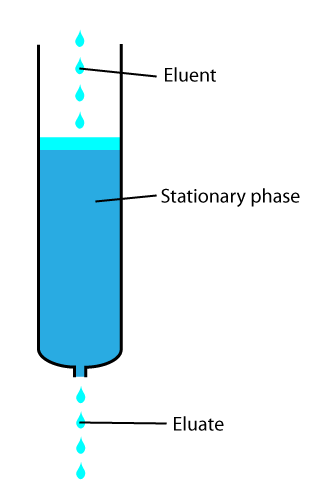
The mobile phase is a crucial component in chromatography, playing a vital role in the separation and analysis of mixtures. In Chromatography, the mobile phase is the solvent that flows through the column, interacting with the stationary phase and the analytes. The mobile phase is responsible for Elution, which is the process of extracting one material from another by washing with a solvent. This process is essential in Analytical Chemistry and Organic Chemistry. The mobile phase can be a liquid or a gas, and its composition can be tailored to suit specific applications. For example, in High-Performance Liquid Chromatography (HPLC), the mobile phase is typically a mixture of water and organic solvents.
💡 Principles of Chromatography
Chromatography is a powerful analytical technique that relies on the interactions between the mobile phase, the stationary phase, and the analytes. The Principles of Chromatography are based on the concept of Partition Chromatography, where the analytes are distributed between the mobile phase and the stationary phase. The mobile phase plays a critical role in this process, as it determines the Retention Time of the analytes. The retention time is the time it takes for an analyte to pass through the column, and it is influenced by the Polarity of the mobile phase. For example, in Gas Chromatography, the mobile phase is typically an inert gas, such as helium or nitrogen.
🧬 Role of Mobile Phase in Chromatography
The mobile phase is the unsung hero of chromatography, as it is often overlooked despite its critical role in the separation and analysis of mixtures. The Role of Mobile Phase in chromatography is multifaceted, as it not only facilitates the elution of analytes but also influences the Selectivity of the separation. The mobile phase can be optimized to improve the Resolution of the separation, which is the ability to distinguish between two or more analytes. For example, in Liquid Chromatography, the mobile phase can be optimized by adjusting the pH or the Ionic Strength. This can be achieved by using Buffer Solutions or Ion Pairing Agents.
📊 Types of Mobile Phases
There are several types of mobile phases that can be used in chromatography, each with its own advantages and disadvantages. The Types of Mobile Phases include aqueous mobile phases, organic mobile phases, and hybrid mobile phases. Aqueous mobile phases are commonly used in Ion Chromatography and Size Exclusion Chromatography. Organic mobile phases are commonly used in Normal Phase Chromatography and Reversed Phase Chromatography. Hybrid mobile phases are a combination of aqueous and organic solvents and are commonly used in Hydrophilic Interaction Liquid Chromatography (HILIC). For example, in Supercritical Fluid Chromatography, the mobile phase is typically a mixture of carbon dioxide and an organic solvent.
🔬 Preparation of Mobile Phases
The preparation of mobile phases is a critical step in chromatography, as it can affect the quality of the separation and the accuracy of the results. The Preparation of Mobile Phases involves the selection of the solvents, the adjustment of the pH and ionic strength, and the filtration of the mobile phase. The mobile phase can be prepared using a variety of techniques, including Solvent Mixing and Buffer Preparation. For example, in Capillary Electrophoresis, the mobile phase is typically a buffer solution that is prepared by mixing a buffer salt with water. The mobile phase can also be prepared using Ultra Pure Water and High Purity Solvents.
🎯 Optimization of Mobile Phase Composition
The optimization of mobile phase composition is a critical step in chromatography, as it can affect the quality of the separation and the accuracy of the results. The Optimization of Mobile Phase Composition involves the adjustment of the pH, ionic strength, and solvent composition to achieve the desired separation. The mobile phase can be optimized using a variety of techniques, including Design of Experiments and Response Surface Methodology. For example, in Chiral Chromatography, the mobile phase can be optimized by adjusting the Chiral Selector and the Organic Modifier. This can be achieved by using Chiral Stationary Phases and Chiral Mobile Phases.
📈 Factors Affecting Mobile Phase Performance
Several factors can affect the performance of the mobile phase in chromatography, including the pH, ionic strength, and solvent composition. The Factors Affecting Mobile Phase Performance can be optimized to achieve the desired separation. The mobile phase can be affected by the Temperature and the Pressure of the system, as well as the Flow Rate of the mobile phase. For example, in Fast Chromatography, the mobile phase can be affected by the high flow rates and pressures used in the system. The mobile phase can also be affected by the Stationary Phase and the Sample Matrix.
🔍 Troubleshooting Mobile Phase Issues
Troubleshooting mobile phase issues is a critical step in chromatography, as it can affect the quality of the separation and the accuracy of the results. The Troubleshooting Mobile Phase Issues involves the identification of the problem and the implementation of a solution. The mobile phase can be affected by a variety of issues, including Bubble Formation and Column Clogging. For example, in Liquid Chromatography Mass Spectrometry (LC-MS), the mobile phase can be affected by the Ionization Source and the Mass Analyzer. The mobile phase can be optimized by using Mobile Phase Additives and Column Washing.
📊 Applications of Mobile Phase in Chromatography
The mobile phase has a wide range of applications in chromatography, including the analysis of pharmaceuticals, biologics, and environmental samples. The Applications of Mobile Phase in chromatography are diverse and continue to expand as new technologies and techniques are developed. The mobile phase can be used in a variety of chromatographic techniques, including Gas Chromatography Mass Spectrometry (GC-MS) and Liquid Chromatography Nuclear Magnetic Resonance (LC-NMR). For example, in Proteomics, the mobile phase can be used to analyze proteins and peptides. The mobile phase can also be used in Metabolomics and Genomics.
🔮 Future Directions in Mobile Phase Research
The future of mobile phase research is exciting and dynamic, with new technologies and techniques being developed to improve the quality and efficiency of chromatographic separations. The Future Directions in Mobile Phase Research include the development of new solvents and additives, as well as the use of alternative chromatographic techniques, such as Capillary Chromatography and Micro Chromatography. The mobile phase will continue to play a critical role in the development of new chromatographic techniques and applications. For example, in Single Cell Analysis, the mobile phase can be used to analyze the contents of individual cells. The mobile phase can also be used in Point of Care Diagnosis and Personalized Medicine.
Key Facts
- Year
- 1900
- Origin
- Russia
- Category
- Chemistry
- Type
- Scientific Concept
Frequently Asked Questions
What is the role of the mobile phase in chromatography?
The mobile phase plays a critical role in chromatography, as it facilitates the elution of analytes and influences the selectivity of the separation. The mobile phase can be optimized to improve the resolution of the separation and to achieve the desired separation. For example, in Liquid Chromatography, the mobile phase can be optimized by adjusting the pH or the Ionic Strength. This can be achieved by using Buffer Solutions or Ion Pairing Agents.
What are the different types of mobile phases?
There are several types of mobile phases that can be used in chromatography, including aqueous mobile phases, organic mobile phases, and hybrid mobile phases. Aqueous mobile phases are commonly used in Ion Chromatography and Size Exclusion Chromatography. Organic mobile phases are commonly used in Normal Phase Chromatography and Reversed Phase Chromatography. Hybrid mobile phases are a combination of aqueous and organic solvents and are commonly used in Hydrophilic Interaction Liquid Chromatography (HILIC).
How is the mobile phase prepared?
The preparation of the mobile phase is a critical step in chromatography, as it can affect the quality of the separation and the accuracy of the results. The mobile phase can be prepared using a variety of techniques, including Solvent Mixing and Buffer Preparation. The mobile phase can be prepared by mixing a solvent with a buffer salt or an organic solvent. For example, in Capillary Electrophoresis, the mobile phase is typically a buffer solution that is prepared by mixing a buffer salt with water.
What factors affect the performance of the mobile phase?
Several factors can affect the performance of the mobile phase in chromatography, including the pH, ionic strength, and solvent composition. The mobile phase can be affected by the Temperature and the Pressure of the system, as well as the Flow Rate of the mobile phase. For example, in Fast Chromatography, the mobile phase can be affected by the high flow rates and pressures used in the system. The mobile phase can also be affected by the Stationary Phase and the Sample Matrix.
What are the applications of the mobile phase in chromatography?
The mobile phase has a wide range of applications in chromatography, including the analysis of pharmaceuticals, biologics, and environmental samples. The mobile phase can be used in a variety of chromatographic techniques, including Gas Chromatography Mass Spectrometry (GC-MS) and Liquid Chromatography Nuclear Magnetic Resonance (LC-NMR). For example, in Proteomics, the mobile phase can be used to analyze proteins and peptides. The mobile phase can also be used in Metabolomics and Genomics.
What is the future of mobile phase research?
The future of mobile phase research is exciting and dynamic, with new technologies and techniques being developed to improve the quality and efficiency of chromatographic separations. The mobile phase will continue to play a critical role in the development of new chromatographic techniques and applications. For example, in Single Cell Analysis, the mobile phase can be used to analyze the contents of individual cells. The mobile phase can also be used in Point of Care Diagnosis and Personalized Medicine.
How can the mobile phase be optimized?
The mobile phase can be optimized by adjusting the pH, ionic strength, and solvent composition to achieve the desired separation. The mobile phase can be optimized using a variety of techniques, including Design of Experiments and Response Surface Methodology. For example, in Chiral Chromatography, the mobile phase can be optimized by adjusting the Chiral Selector and the Organic Modifier. This can be achieved by using Chiral Stationary Phases and Chiral Mobile Phases.