
Contents
- 🏞️ Introduction to Minnesota
- 🌊 The Land of 10,000 Lakes
- 🏙️ The Twin Cities: Minneapolis–Saint Paul
- 🌄 Geography and Climate
- 🏞️ Forests, Prairies, and Farmland
- 📊 Demographics and Population
- 📈 Economy and Industry
- 🎨 Culture and Arts
- 🏛️ History and Politics
- 📚 Education and Research
- 👥 Community and Tourism
- Frequently Asked Questions
- Related Topics
Overview
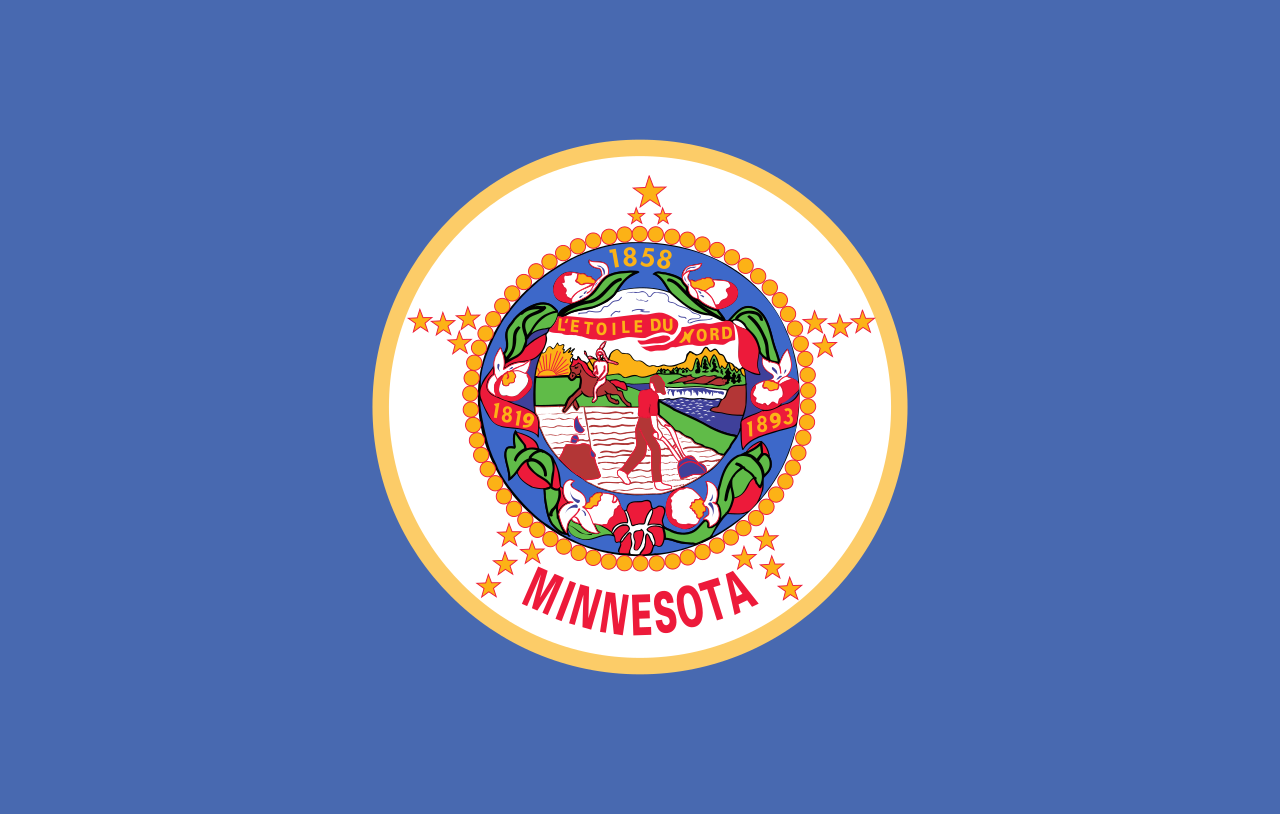
Minnesota, known as the North Star State, is a vibrant and diverse region in the American Midwest. With a rich history dating back to the indigenous peoples and early European settlers, Minnesota has evolved into a thriving economic and cultural hub. The state is home to numerous Fortune 500 companies, including Target and 3M, and boasts a strong presence of arts and culture, with institutions like the Walker Art Center and the Minneapolis Institute of Art. Minnesota's natural beauty, from the Mississippi River to the Boundary Waters Canoe Area Wilderness, attracts millions of tourists each year. However, the state also faces challenges such as economic inequality and environmental concerns, including the impact of climate change on its agriculture and natural resources. As the state continues to grow and develop, it must balance its economic and cultural aspirations with the need to protect its unique environment and promote social justice. With a Vibe score of 82, Minnesota is a place where tradition and innovation coexist, and its future is likely to be shaped by the complex interplay of these forces.
🏞️ Introduction to Minnesota
Minnesota, known as the North Star State, is a state in the Upper Midwestern region of the United States. It is bordered by the Canadian provinces of Manitoba and Ontario to the north and east and by the U.S. states of Wisconsin to the east, Iowa to the south, and North Dakota and South Dakota to the west. The northeast corner has a water boundary with Michigan. Minnesota is the 12th-largest U.S. state in area and the 22nd-most populous, with about 5.8 million residents. The state is home to a diverse range of landscapes, including forests, prairies, and over 14,000 bodies of fresh water, earning it the nickname the Land of 10,000 Lakes. For more information on Minnesota's geography, visit the United States Geological Survey website.
🌊 The Land of 10,000 Lakes
The Land of 10,000 Lakes is a unique and fascinating place, with over 14,420 bodies of fresh water covering at least ten acres each. This abundance of water has made Minnesota a popular destination for outdoor enthusiasts, with plenty of opportunities for fishing, boating, and other water sports. The state's many lakes and rivers are also home to a wide variety of aquatic life, including fish, birds, and other wildlife. To learn more about Minnesota's lakes and rivers, visit the Minnesota Department of Natural Resources website. Additionally, the state's natural beauty has inspired many artists and writers, including Henry David Thoreau, who wrote about his experiences in the state's wilderness.
🏙️ The Twin Cities: Minneapolis–Saint Paul
The Minneapolis–Saint Paul metropolitan area, known as the Twin Cities, is Minnesota's main political, economic, and cultural hub. With a population of over 3.5 million people, it is the 16th-largest metropolitan area in the U.S. The Twin Cities are home to a wide range of cultural attractions, including the Walker Art Center, the Minneapolis Institute of Art, and the Ordway Center for the Performing Arts. The area is also home to many major corporations, including 3M, Target, and UnitedHealth Group. For more information on the Twin Cities, visit the Metropolitan Council website.
🌄 Geography and Climate
Minnesota's geography is characterized by its many lakes, rivers, and wetlands, as well as its rolling hills and prairies. The state's climate is continental, with cold winters and warm summers. The northern part of the state is home to the Boundary Waters Canoe Area Wilderness, a vast and remote area of wilderness that is popular with outdoor enthusiasts. The state is also home to many other natural attractions, including the Voyageurs National Park and the North Shore of Lake Superior. To learn more about Minnesota's geography and climate, visit the National Park Service website. Additionally, the state's natural beauty has been recognized by many organizations, including the Sierra Club.
🏞️ Forests, Prairies, and Farmland
Roughly a third of Minnesota is forested, with many different types of trees, including pine, spruce, and fir. The state's forests are an important part of its ecosystem, providing habitat for many different species of plants and animals. The remainder of the state is primarily prairie and farmland, with many farms producing crops such as corn, soybeans, and wheat. The state is also home to many other types of agriculture, including dairy farming and livestock production. For more information on Minnesota's agriculture, visit the University of Minnesota Extension website. Additionally, the state's agricultural industry has been supported by many organizations, including the Minnesota Farmers Union.
📊 Demographics and Population
More than 60% of Minnesotans live in the Twin Cities metropolitan area, which is the state's main population center. The state's population is diverse, with people from many different ethnic and cultural backgrounds. The median household income in Minnesota is around $70,000, which is higher than the national average. The state is also home to many highly rated schools and universities, including the University of Minnesota and Carleton College. To learn more about Minnesota's demographics, visit the United States Census Bureau website. Additionally, the state's education system has been recognized by many organizations, including the National Education Association.
📈 Economy and Industry
Minnesota's economy is diverse, with major industries including healthcare, technology, and manufacturing. The state is home to many major corporations, including UnitedHealth Group, 3M, and Target. The state is also a major producer of agricultural products, including corn, soybeans, and wheat. The state's natural resources, including its many lakes and rivers, also make it a popular destination for tourism. For more information on Minnesota's economy, visit the Minnesota Department of Employment and Economic Development website. Additionally, the state's economy has been supported by many organizations, including the Minnesota Chamber of Commerce.
🎨 Culture and Arts
Minnesota has a rich cultural scene, with many museums, theaters, and music venues. The state is home to many famous artists and writers, including F. Scott Fitzgerald and Bob Dylan. The state is also home to many festivals and events, including the Minnesota State Fair and the Twin Cities Jazz Festival. The state's many lakes and rivers also make it a popular destination for outdoor enthusiasts, with plenty of opportunities for fishing, boating, and other water sports. To learn more about Minnesota's culture, visit the Minnesota Historical Society website. Additionally, the state's cultural scene has been recognized by many organizations, including the National Endowment for the Arts.
🏛️ History and Politics
Minnesota has a long and complex history, with many different cultures and peoples having lived in the state over the years. The state was originally inhabited by many different Native American tribes, including the Dakota and Ojibwe. The state was later settled by European-Americans, who established many different towns and cities. The state played an important role in the American Civil War, with many Minnesotans fighting for the Union. For more information on Minnesota's history, visit the Minnesota Historical Society website. Additionally, the state's history has been recognized by many organizations, including the National Park Service.
📚 Education and Research
Minnesota is home to many highly rated schools and universities, including the University of Minnesota and Carleton College. The state is also home to many research institutions, including the University of Minnesota Medical School and the Mayo Clinic. The state's education system is highly regarded, with many schools and universities ranking highly in national rankings. To learn more about Minnesota's education system, visit the Minnesota Department of Education website. Additionally, the state's education system has been recognized by many organizations, including the National Education Association.
👥 Community and Tourism
Minnesota is a popular destination for tourists, with many different attractions and activities to enjoy. The state's many lakes and rivers make it a popular destination for outdoor enthusiasts, with plenty of opportunities for fishing, boating, and other water sports. The state is also home to many cultural attractions, including the Walker Art Center and the Minneapolis Institute of Art. The state's many festivals and events, including the Minnesota State Fair and the Twin Cities Jazz Festival, also make it a popular destination for visitors. For more information on Minnesota's tourism industry, visit the Explore Minnesota website.
Key Facts
- Year
- 1858
- Origin
- Named after the Dakota word 'mni' meaning water and 'sota' meaning smooth, rocky, or cloudy
- Category
- Geography, Culture, Economy
- Type
- State
Frequently Asked Questions
What is the capital of Minnesota?
The capital of Minnesota is Saint Paul. Saint Paul is the second-most populous city in the state, after Minneapolis. The city is located on the east bank of the Mississippi River and is home to many different attractions, including the Minnesota State Capitol and the Science Museum of Minnesota. For more information on Saint Paul, visit the City of Saint Paul website.
What is the largest city in Minnesota?
The largest city in Minnesota is Minneapolis. Minneapolis is the most populous city in the state and is located on the west bank of the Mississippi River. The city is home to many different attractions, including the Walker Art Center and the Minneapolis Institute of Art. For more information on Minneapolis, visit the City of Minneapolis website.
What is the population of Minnesota?
The population of Minnesota is approximately 5.8 million people. The state is the 22nd-most populous state in the U.S. and has a diverse population with people from many different ethnic and cultural backgrounds. For more information on Minnesota's population, visit the United States Census Bureau website.
What is the economy of Minnesota like?
The economy of Minnesota is diverse, with major industries including healthcare, technology, and manufacturing. The state is home to many major corporations, including UnitedHealth Group, 3M, and Target. The state is also a major producer of agricultural products, including corn, soybeans, and wheat. For more information on Minnesota's economy, visit the Minnesota Department of Employment and Economic Development website.
What are some popular tourist attractions in Minnesota?
Some popular tourist attractions in Minnesota include the Voyageurs National Park, the Boundary Waters Canoe Area Wilderness, and the Twin Cities. The state is also home to many cultural attractions, including the Walker Art Center and the Minneapolis Institute of Art. For more information on Minnesota's tourist attractions, visit the Explore Minnesota website.
What is the geography of Minnesota like?
The geography of Minnesota is characterized by its many lakes, rivers, and wetlands, as well as its rolling hills and prairies. The state is home to many different types of landscapes, including forests, grasslands, and badlands. The state's natural resources, including its many lakes and rivers, make it a popular destination for outdoor enthusiasts. For more information on Minnesota's geography, visit the United States Geological Survey website.
What is the climate of Minnesota like?
The climate of Minnesota is continental, with cold winters and warm summers. The state experiences a wide range of temperatures throughout the year, with average temperatures ranging from -20°F in the winter to 80°F in the summer. The state also experiences a significant amount of precipitation, with an average annual rainfall of around 30 inches. For more information on Minnesota's climate, visit the National Weather Service website.