
Contents
Overview
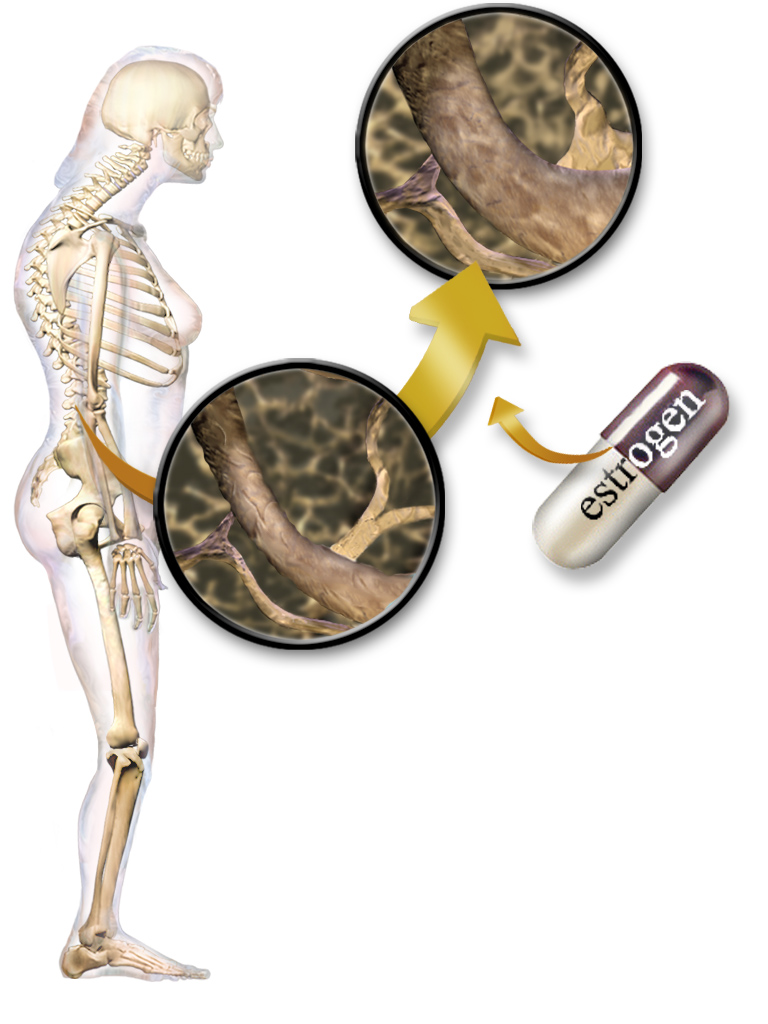
Menopause hormone therapy, also known as hormone replacement therapy (HRT), is a treatment used to alleviate symptoms associated with menopause, but it comes with potential risks and side effects. The therapy involves the use of estrogens and progestogens to treat symptoms such as hot flashes, vaginal dryness, and osteoporosis. However, the risks of HRT include an increased chance of blood clots, stroke, and certain types of cancer. It is essential for women to discuss the benefits and risks of HRT with their healthcare provider to determine the best course of treatment for their individual needs.
🔍 Introduction to Menopause Hormone Therapy
Menopause hormone therapy, also known as hormone replacement therapy (HRT), is a treatment used to alleviate symptoms associated with menopause, such as hot flashes, vaginal dryness, and osteoporosis. According to the Mayo Clinic, HRT involves the use of estrogens and progestogens to treat these symptoms. However, the therapy comes with potential risks and side effects, including an increased chance of blood clots, stroke, and certain types of cancer, as reported by the National Institutes of Health.
⚠️ Risks and Side Effects of HRT
The risks of HRT are a significant concern for women considering this treatment option. The American College of Obstetricians and Gynecologists (ACOG) recommends that women discuss the benefits and risks of HRT with their healthcare provider to determine the best course of treatment for their individual needs. Additionally, the Food and Drug Administration (FDA) regulates HRT medications and provides guidance on their safe use. Women can also consult online resources, such as the WebMD website, to learn more about HRT and its potential risks and benefits.
👩⚕️ Benefits of HRT
Despite the risks, HRT can be an effective treatment option for women experiencing severe menopause symptoms. The North American Menopause Society (NAMS) provides guidance on the use of HRT and recommends that women consider alternative treatments, such as bioidentical hormone therapy, before starting HRT. Furthermore, women can also explore lifestyle changes, such as diet and exercise, to alleviate menopause symptoms, as suggested by the Academy of Nutrition and Dietetics.
📊 Alternatives to HRT
In recent years, there has been an increased focus on the development of alternative treatments for menopause symptoms. The National Center for Complementary and Integrative Health (NCCIH) has conducted research on the effectiveness of alternative therapies, such as acupuncture and yoga, in alleviating menopause symptoms. Women can also consider consulting with a healthcare provider who specializes in integrative medicine to explore these alternative treatment options.
Key Facts
- Year
- 2002
- Origin
- United States
- Category
- chronic-conditions
- Type
- concept
Frequently Asked Questions
What are the risks of menopause hormone therapy?
The risks of menopause hormone therapy include an increased chance of blood clots, stroke, and certain types of cancer, as reported by the National Institutes of Health. Women should discuss the benefits and risks of HRT with their healthcare provider to determine the best course of treatment for their individual needs.
What are the benefits of menopause hormone therapy?
The benefits of menopause hormone therapy include the alleviation of menopause symptoms, such as hot flashes, vaginal dryness, and osteoporosis. According to the Mayo Clinic, HRT can also help to improve sleep quality and reduce the risk of fractures.
What are the alternative treatments for menopause symptoms?
Alternative treatments for menopause symptoms include lifestyle changes, such as diet and exercise, as well as alternative therapies, such as acupuncture and yoga. Women can also consider consulting with a healthcare provider who specializes in integrative medicine to explore these alternative treatment options.
How can women reduce their risk of menopause symptoms?
Women can reduce their risk of menopause symptoms by maintaining a healthy lifestyle, including a balanced diet and regular exercise. According to the Academy of Nutrition and Dietetics, women can also consider taking supplements, such as omega-3 fatty acids and calcium, to support their overall health and well-being.
What is the role of estrogen therapy in menopause hormone therapy?
Estrogen therapy is a type of hormone replacement therapy that involves the use of estrogens to treat menopause symptoms. According to the American College of Obstetricians and Gynecologists (ACOG), estrogen therapy can be an effective treatment option for women experiencing severe menopause symptoms, but it should be used under the guidance of a healthcare provider.