
Contents
- 🏯 Introduction to Medieval Worldview
- 📜 The Role of Faith in Medieval Society
- 🔍 The Emergence of Scholasticism
- 📚 The Influence of Aristotle on Medieval Thought
- 👑 The Power of the Church in Medieval Europe
- 🤝 The Intersection of Faith and Reason
- 📊 The Development of Medieval Science
- 📜 The Impact of Medieval Worldview on Art and Literature
- 🌎 The Legacy of Medieval Worldview in Modern Times
- 📝 Conclusion: The Enduring Complexity of Medieval Worldview
- Frequently Asked Questions
- Related Topics
Overview
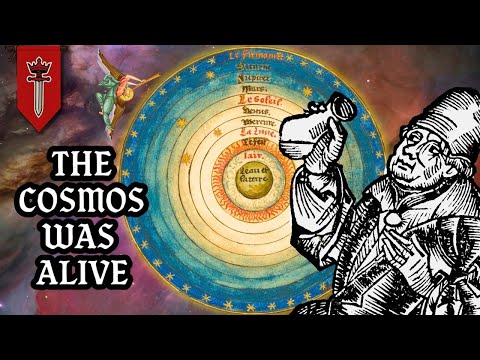
The medieval worldview, spanning from the 5th to the 15th century, was a rich and complex paradigm that intertwined faith, reason, and observation. This era saw the rise of scholasticism, with figures like Thomas Aquinas attempting to reconcile Aristotelian philosophy with Christian theology. The geocentric model of the universe, with Earth at its center, was widely accepted, influencing not only astronomy but also the understanding of humanity's place in the cosmos. The medieval worldview was also marked by a deep-seated belief in the supernatural and the divine right of kings, shaping political and social structures. Despite its limitations, this worldview laid the groundwork for later scientific and philosophical advancements, such as the Renaissance and the Enlightenment. With a Vibe score of 8, indicating a significant cultural energy, the medieval worldview continues to fascinate and influence contemporary thought, from historical reenactments to fantasy literature and art, with notable influences including the works of J.R.R. Tolkien and C.S. Lewis.
🏯 Introduction to Medieval Worldview
The medieval worldview was a complex and multifaceted phenomenon that shaped the intellectual, cultural, and spiritual landscape of Europe during the Middle Ages. At its heart was the Christian faith, which played a central role in the daily lives of medieval people. The Catholic Church was the dominant institution in medieval society, and its teachings and practices influenced every aspect of life, from politics and economy to art and literature. As the medieval period progressed, the rise of scholasticism led to a renewed focus on philosophy and theology, with thinkers like Thomas Aquinas seeking to reconcile faith and reason.
📜 The Role of Faith in Medieval Society
Faith was the cornerstone of medieval society, with the Catholic Church playing a dominant role in shaping the spiritual and intellectual landscape of Europe. The Church's teachings on salvation, sin, and redemption influenced every aspect of medieval life, from the monastic movement to the Crusades. The Bible was the central text of medieval Christianity, and its interpretation and exegesis were crucial to the development of medieval theology. The works of Augustine of Hippo and Jerome were particularly influential in shaping the medieval understanding of scripture and tradition. As the medieval period progressed, the rise of mysticism and spirituality led to a renewed focus on personal devotion and contemplation.
🔍 The Emergence of Scholasticism
The emergence of scholasticism in the 12th century marked a significant turning point in the development of medieval thought. Scholasticism was a philosophical and theological movement that sought to reconcile faith and reason through the use of Aristotelian logic and dialectic. Thinkers like Peter Abelard and Thomas Aquinas used scholastic methods to explore the nature of reality, knowledge, and truth. The works of Aristotle were particularly influential in shaping the scholastic movement, with his ideas on metaphysics, ethics, and biology being widely studied and debated. As the medieval period progressed, the rise of universities led to a renewed focus on education and intellectual inquiry.
📚 The Influence of Aristotle on Medieval Thought
The influence of Aristotle on medieval thought was profound and far-reaching. His ideas on metaphysics, ethics, and biology were widely studied and debated by medieval thinkers, who sought to reconcile his philosophy with the teachings of the Catholic Church. The works of Thomas Aquinas were particularly influential in shaping the medieval understanding of Aristotelianism, with his synthesis of faith and reason being widely admired and emulated. The Aristotelian concept of causality was also central to medieval thought, with thinkers like Duns Scotus and William of Ockham exploring its implications for theology and philosophy. As the medieval period progressed, the rise of humanism led to a renewed focus on classical studies and the works of ancient Greece and Rome.
👑 The Power of the Church in Medieval Europe
The Catholic Church was the dominant institution in medieval Europe, with its teachings and practices influencing every aspect of life. The Church's hierarchy was complex and multifaceted, with the Pope at its head and a network of bishops, priests, and monks below him. The Church's doctrine was shaped by the councils of Nicaea and Chalcedon, which established the orthodoxy of the Church and defined its teachings on Christology and Trinity. The Church's Inquisition was also a powerful force in medieval society, with its tribunals and inquisitors seeking to root out heresy and witchcraft. As the medieval period progressed, the rise of Protestantism led to a renewed focus on reform and critique of the Church's abuses and excesses.
🤝 The Intersection of Faith and Reason
The intersection of faith and reason was a central theme in medieval thought, with thinkers like Thomas Aquinas seeking to reconcile the two. The scholastic movement was characterized by its use of Aristotelian logic and dialectic to explore the nature of reality, knowledge, and truth. The works of Aristotle were particularly influential in shaping the medieval understanding of philosophy and science. The Catholic Church also played a significant role in shaping the medieval understanding of faith and reason, with its teachings on theology and philosophy influencing every aspect of medieval life. As the medieval period progressed, the rise of humanism led to a renewed focus on classical studies and the works of ancient Greece and Rome.
📊 The Development of Medieval Science
The development of medieval science was shaped by the intersection of faith and reason. Thinkers like Roger Bacon and Robert Grosseteste used Aristotelian methods to explore the natural world and develop new theories of physics and biology. The works of Euclid and Ptolemy were also widely studied and debated, with their ideas on mathematics and astronomy influencing the development of medieval science. The universities of Oxford and Paris were centers of learning and intellectual inquiry, with scholars like Thomas Bradwardine and Richard Swineshead making significant contributions to the development of medieval science. As the medieval period progressed, the rise of empiricism led to a renewed focus on experiment and observation.
📜 The Impact of Medieval Worldview on Art and Literature
The impact of medieval worldview on art and literature was profound and far-reaching. The Catholic Church was a major patron of the arts, with its cathedrals and monasteries being centers of artistic and literary production. The works of Dante Alighieri and Geoffrey Chaucer were particularly influential in shaping the medieval understanding of literature and poetry. The romance genre was also popular in medieval literature, with works like Tristan and Isolde and Lancelot and Guinevere exploring themes of love and chivalry. As the medieval period progressed, the rise of humanism led to a renewed focus on classical studies and the works of ancient Greece and Rome.
🌎 The Legacy of Medieval Worldview in Modern Times
The legacy of medieval worldview in modern times is complex and multifaceted. The Catholic Church continues to play a significant role in shaping the spiritual and intellectual landscape of the modern world, with its teachings on faith and morality influencing every aspect of modern life. The universities of Oxford and Paris remain centers of learning and intellectual inquiry, with scholars like Richard Dawkins and Alister McGrath making significant contributions to the development of modern science and philosophy. The works of J.R.R. Tolkien and C.S. Lewis were also influenced by the medieval worldview, with their stories of Middle-earth and Narnia exploring themes of faith, morality, and redemption. As the modern world continues to evolve and change, the legacy of medieval worldview remains a powerful and enduring force, shaping our understanding of faith, reason, and the human condition.
📝 Conclusion: The Enduring Complexity of Medieval Worldview
In conclusion, the medieval worldview was a complex and multifaceted phenomenon that shaped the intellectual, cultural, and spiritual landscape of Europe during the Middle Ages. The intersection of faith and reason was a central theme in medieval thought, with thinkers like Thomas Aquinas seeking to reconcile the two. The Catholic Church played a dominant role in shaping the medieval understanding of faith and morality, with its teachings on theology and philosophy influencing every aspect of medieval life. As the modern world continues to evolve and change, the legacy of medieval worldview remains a powerful and enduring force, shaping our understanding of faith, reason, and the human condition.
Key Facts
- Year
- 500
- Origin
- Europe
- Category
- History of Ideas
- Type
- Historical Concept
Frequently Asked Questions
What was the central role of the Catholic Church in medieval society?
The Catholic Church played a dominant role in shaping the spiritual and intellectual landscape of medieval Europe, with its teachings on faith and morality influencing every aspect of medieval life. The Church's hierarchy was complex and multifaceted, with the Pope at its head and a network of bishops, priests, and monks below him. The Church's doctrine was shaped by the councils of Nicaea and Chalcedon, which established the orthodoxy of the Church and defined its teachings on Christology and Trinity.
How did the emergence of scholasticism shape medieval thought?
The emergence of scholasticism in the 12th century marked a significant turning point in the development of medieval thought. Scholasticism was a philosophical and theological movement that sought to reconcile faith and reason through the use of Aristotelian logic and dialectic. Thinkers like Peter Abelard and Thomas Aquinas used scholastic methods to explore the nature of reality, knowledge, and truth. The works of Aristotle were particularly influential in shaping the scholastic movement, with his ideas on metaphysics, ethics, and biology being widely studied and debated.
What was the impact of medieval worldview on art and literature?
The impact of medieval worldview on art and literature was profound and far-reaching. The Catholic Church was a major patron of the arts, with its cathedrals and monasteries being centers of artistic and literary production. The works of Dante Alighieri and Geoffrey Chaucer were particularly influential in shaping the medieval understanding of literature and poetry. The romance genre was also popular in medieval literature, with works like Tristan and Isolde and Lancelot and Guinevere exploring themes of love and chivalry.
How did the legacy of medieval worldview shape modern thought?
The legacy of medieval worldview continues to shape modern thought, with its teachings on faith and morality influencing every aspect of modern life. The universities of Oxford and Paris remain centers of learning and intellectual inquiry, with scholars like Richard Dawkins and Alister McGrath making significant contributions to the development of modern science and philosophy. The works of J.R.R. Tolkien and C.S. Lewis were also influenced by the medieval worldview, with their stories of Middle-earth and Narnia exploring themes of faith, morality, and redemption.
What is the significance of the medieval worldview in modern times?
The medieval worldview remains a powerful and enduring force in modern times, shaping our understanding of faith, reason, and the human condition. The intersection of faith and reason was a central theme in medieval thought, with thinkers like Thomas Aquinas seeking to reconcile the two. The Catholic Church continues to play a significant role in shaping the spiritual and intellectual landscape of the modern world, with its teachings on faith and morality influencing every aspect of modern life.