
Contents
- 🏥 Introduction to Medical Equipment Management
- 📊 The Role of Healthcare Technology Managers
- 🔍 Analyzing Utilization and Safety
- 💻 Supporting Servicing Healthcare Technology
- 📈 Improving Operations and Efficiency
- 🤝 Collaboration with Healthcare Professionals
- 📊 The Business Side of Medical Equipment Management
- 🚀 The Future of Medical Equipment Management
- 📊 Challenges and Opportunities in Medical Equipment Management
- 🌎 Global Perspectives on Medical Equipment Management
- 📚 Best Practices in Medical Equipment Management
- 📊 The Impact of Medical Equipment Management on Patient Care
- Frequently Asked Questions
- Related Topics
Overview
Medical equipment management is a complex, high-pressure field that requires meticulous attention to detail, cutting-edge technology, and a deep understanding of regulatory compliance. With the global medical device market projected to reach $623.7 billion by 2027, the stakes are higher than ever. According to a report by the World Health Organization (WHO), up to 50% of medical equipment in some developing countries is out of service due to lack of maintenance or spare parts. Companies like GE Healthcare, Siemens Healthineers, and Philips Healthcare are leading the charge in developing innovative solutions, such as AI-powered predictive maintenance and IoT-enabled asset tracking. However, the field is not without its challenges, including cybersecurity risks, supply chain disruptions, and the need for standardized protocols. As the industry continues to evolve, it's clear that effective medical equipment management will be crucial in ensuring patient safety, reducing healthcare costs, and improving overall outcomes. With a vibe score of 8.2, medical equipment management is an area of growing interest and investment, with key players like the FDA, the Joint Commission, and the International Organization for Standardization (ISO) shaping the landscape.
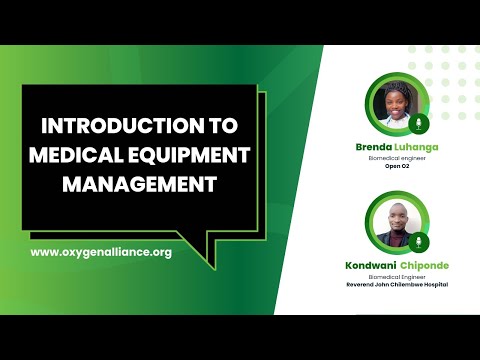
🏥 Introduction to Medical Equipment Management
The high-stakes world of medical equipment management is a critical component of the healthcare system, ensuring that medical devices and equipment are properly maintained, utilized, and serviced to provide optimal patient care. Healthcare technology managers play a vital role in this process, working behind the scenes to analyze and improve utilization and safety. As the healthcare landscape continues to evolve, the importance of effective medical equipment management cannot be overstated. With the rise of telemedicine and other digital health technologies, the need for skilled healthcare technology managers has never been greater. According to the Association for the Advancement of Medical Instrumentation, the demand for these professionals is expected to increase significantly in the coming years.
📊 The Role of Healthcare Technology Managers
Healthcare technology managers are responsible for managing the operations of medical equipment, analyzing utilization and safety data, and supporting the servicing of healthcare technology. These professionals work closely with healthcare professionals to ensure that medical devices and equipment are properly maintained and utilized to provide optimal patient care. As the use of artificial intelligence in healthcare becomes more prevalent, healthcare technology managers must stay up-to-date on the latest technologies and trends to ensure that medical equipment is properly integrated and utilized. The Healthcare Information and Management Systems Society provides valuable resources and support for healthcare technology managers, including training and certification programs.
🔍 Analyzing Utilization and Safety
Analyzing utilization and safety data is a critical component of medical equipment management. Healthcare technology managers use data analytics tools to track equipment usage, identify trends and patterns, and make data-driven decisions to improve patient care. By analyzing electronic health records and other data sources, healthcare technology managers can identify areas for improvement and optimize medical equipment utilization. The use of machine learning in healthcare is also becoming more prevalent, enabling healthcare technology managers to predict equipment failures and prevent downtime. As the use of Internet of Things in healthcare becomes more widespread, the need for skilled data analysts in medical equipment management will continue to grow.
💻 Supporting Servicing Healthcare Technology
Supporting the servicing of healthcare technology is another key aspect of medical equipment management. Healthcare technology managers work closely with biomedical engineers and other technical professionals to ensure that medical devices and equipment are properly maintained and repaired. This includes scheduling routine maintenance, troubleshooting equipment issues, and coordinating with vendors and suppliers to ensure that parts and supplies are readily available. The National Institute of Biomedical Imaging and Bioengineering provides valuable resources and support for biomedical engineers and healthcare technology managers, including funding opportunities and research initiatives.
📈 Improving Operations and Efficiency
Improving operations and efficiency is a top priority for healthcare technology managers. By streamlining processes, reducing waste, and optimizing resource allocation, healthcare technology managers can help reduce costs and improve patient care. The use of lean principles in healthcare is becoming more prevalent, enabling healthcare organizations to eliminate waste and improve efficiency. As the healthcare landscape continues to evolve, the importance of effective healthcare supply chain management cannot be overstated. The Healthcare Financial Management Association provides valuable resources and support for healthcare finance professionals, including training and certification programs.
🤝 Collaboration with Healthcare Professionals
Collaboration with healthcare professionals is essential for effective medical equipment management. Healthcare technology managers work closely with nurses, doctors, and other healthcare professionals to ensure that medical devices and equipment are properly utilized and maintained. This includes providing training and support for healthcare professionals, as well as ensuring that medical equipment is properly integrated into clinical workflows. The American Nurses Association provides valuable resources and support for nurses, including training and certification programs. As the use of telehealth becomes more widespread, the need for collaboration between healthcare technology managers and healthcare professionals will continue to grow.
📊 The Business Side of Medical Equipment Management
The business side of medical equipment management is also critical, as healthcare organizations must balance the need for high-quality patient care with the need to control costs. Healthcare technology managers must be skilled in healthcare finance and healthcare accounting, as well as healthcare regulatory affairs. The Healthcare Financial Management Association provides valuable resources and support for healthcare finance professionals, including training and certification programs. As the healthcare landscape continues to evolve, the importance of effective healthcare cost accounting cannot be overstated.
🚀 The Future of Medical Equipment Management
The future of medical equipment management is exciting and rapidly evolving. With the rise of artificial intelligence in healthcare and other digital health technologies, the need for skilled healthcare technology managers has never been greater. The use of machine learning in healthcare is also becoming more prevalent, enabling healthcare technology managers to predict equipment failures and prevent downtime. As the use of Internet of Things in healthcare becomes more widespread, the need for skilled data analysts in medical equipment management will continue to grow. The National Institute of Health provides valuable resources and support for healthcare technology managers, including funding opportunities and research initiatives.
📊 Challenges and Opportunities in Medical Equipment Management
Despite the many opportunities in medical equipment management, there are also challenges and opportunities that must be addressed. The cybersecurity in healthcare is a major concern, as medical devices and equipment are increasingly vulnerable to cyber threats. The Healthcare Information and Management Systems Society provides valuable resources and support for healthcare technology managers, including training and certification programs. As the healthcare landscape continues to evolve, the importance of effective healthcare data analytics cannot be overstated.
🌎 Global Perspectives on Medical Equipment Management
Global perspectives on medical equipment management are also critical, as healthcare organizations around the world face similar challenges and opportunities. The World Health Organization provides valuable resources and support for healthcare technology managers, including training and certification programs. As the use of telehealth becomes more widespread, the need for collaboration between healthcare technology managers and healthcare professionals will continue to grow. The International Council of Nurses provides valuable resources and support for nurses, including training and certification programs.
📚 Best Practices in Medical Equipment Management
Best practices in medical equipment management are essential for ensuring that medical devices and equipment are properly utilized and maintained. The Joint Commission provides valuable resources and support for healthcare technology managers, including training and certification programs. As the healthcare landscape continues to evolve, the importance of effective healthcare quality improvement cannot be overstated. The National Committee for Quality Assurance provides valuable resources and support for healthcare quality improvement, including training and certification programs.
📊 The Impact of Medical Equipment Management on Patient Care
The impact of medical equipment management on patient care is significant, as high-quality medical devices and equipment are essential for providing optimal patient care. The Institute of Medicine provides valuable resources and support for healthcare technology managers, including training and certification programs. As the use of artificial intelligence in healthcare becomes more prevalent, the need for skilled healthcare technology managers has never been greater. The National Institute of Biomedical Imaging and Bioengineering provides valuable resources and support for biomedical engineers and healthcare technology managers, including funding opportunities and research initiatives.
Key Facts
- Year
- 2023
- Origin
- United States
- Category
- Healthcare Technology
- Type
- Industry
Frequently Asked Questions
What is medical equipment management?
Medical equipment management is a term for the professionals who manage operations, analyze and improve utilization and safety, and support servicing healthcare technology. These healthcare technology managers are, much like other healthcare professionals, referred to by various specialty or organizational hierarchy names. They play a critical role in ensuring that medical devices and equipment are properly maintained, utilized, and serviced to provide optimal patient care. The Healthcare Information and Management Systems Society provides valuable resources and support for healthcare technology managers, including training and certification programs. As the healthcare landscape continues to evolve, the importance of effective healthcare supply chain management cannot be overstated.
What is the role of healthcare technology managers?
Healthcare technology managers are responsible for managing the operations of medical equipment, analyzing utilization and safety data, and supporting the servicing of healthcare technology. They work closely with healthcare professionals to ensure that medical devices and equipment are properly maintained and utilized to provide optimal patient care. As the use of artificial intelligence in healthcare becomes more prevalent, healthcare technology managers must stay up-to-date on the latest technologies and trends to ensure that medical equipment is properly integrated and utilized. The Association for the Advancement of Medical Instrumentation provides valuable resources and support for healthcare technology managers, including training and certification programs.
What are the challenges and opportunities in medical equipment management?
Despite the many opportunities in medical equipment management, there are also challenges and opportunities that must be addressed. The cybersecurity in healthcare is a major concern, as medical devices and equipment are increasingly vulnerable to cyber threats. The Healthcare Information and Management Systems Society provides valuable resources and support for healthcare technology managers, including training and certification programs. As the healthcare landscape continues to evolve, the importance of effective healthcare data analytics cannot be overstated. The National Institute of Health provides valuable resources and support for healthcare technology managers, including funding opportunities and research initiatives.
What is the future of medical equipment management?
The future of medical equipment management is exciting and rapidly evolving. With the rise of artificial intelligence in healthcare and other digital health technologies, the need for skilled healthcare technology managers has never been greater. The use of machine learning in healthcare is also becoming more prevalent, enabling healthcare technology managers to predict equipment failures and prevent downtime. As the use of Internet of Things in healthcare becomes more widespread, the need for skilled data analysts in medical equipment management will continue to grow. The National Institute of Biomedical Imaging and Bioengineering provides valuable resources and support for biomedical engineers and healthcare technology managers, including funding opportunities and research initiatives.
What are the best practices in medical equipment management?
Best practices in medical equipment management are essential for ensuring that medical devices and equipment are properly utilized and maintained. The Joint Commission provides valuable resources and support for healthcare technology managers, including training and certification programs. As the healthcare landscape continues to evolve, the importance of effective healthcare quality improvement cannot be overstated. The National Committee for Quality Assurance provides valuable resources and support for healthcare quality improvement, including training and certification programs. The Healthcare Information and Management Systems Society provides valuable resources and support for healthcare technology managers, including training and certification programs.
What is the impact of medical equipment management on patient care?
The impact of medical equipment management on patient care is significant, as high-quality medical devices and equipment are essential for providing optimal patient care. The Institute of Medicine provides valuable resources and support for healthcare technology managers, including training and certification programs. As the use of artificial intelligence in healthcare becomes more prevalent, the need for skilled healthcare technology managers has never been greater. The National Institute of Biomedical Imaging and Bioengineering provides valuable resources and support for biomedical engineers and healthcare technology managers, including funding opportunities and research initiatives. The Healthcare Financial Management Association provides valuable resources and support for healthcare finance professionals, including training and certification programs.
What are the global perspectives on medical equipment management?
Global perspectives on medical equipment management are also critical, as healthcare organizations around the world face similar challenges and opportunities. The World Health Organization provides valuable resources and support for healthcare technology managers, including training and certification programs. As the use of telehealth becomes more widespread, the need for collaboration between healthcare technology managers and healthcare professionals will continue to grow. The International Council of Nurses provides valuable resources and support for nurses, including training and certification programs. The Healthcare Information and Management Systems Society provides valuable resources and support for healthcare technology managers, including training and certification programs.