
Contents
- 📊 Introduction to Marginal Analysis
- 💡 The Concept of Marginal Utility
- 📈 The Law of Diminishing Marginal Utility
- 📊 Marginal Analysis in Decision-Making
- 📝 The Diamond-Water Paradox
- 📊 Marginal Cost and Marginal Revenue
- 📈 Applications of Marginal Analysis
- 🤔 Criticisms and Limitations
- 📊 Marginal Analysis in Real-World Scenarios
- 📈 The Future of Marginal Analysis
- Frequently Asked Questions
- Related Topics
Overview
Marginal analysis, a cornerstone of economic theory, examines the additional benefits and costs of a particular action or decision. Developed by the likes of Carl Menger, Léon Walras, and Alfred Marshall in the late 19th century, this framework has been pivotal in understanding consumer behavior, production levels, and market equilibrium. The concept hinges on the marginal utility theory, which posits that the value of a product or service decreases as its supply increases. This principle guides businesses and individuals in making informed decisions about resource allocation, pricing, and investment. With a vibe score of 8, marginal analysis is a widely applied and debated concept, influencing fields beyond economics, such as finance, marketing, and policy-making. As the global economy continues to evolve, the relevance of marginal analysis in strategic decision-making will only continue to grow, with key figures like Janet Yellen and Nouriel Roubini weighing in on its applications and limitations.
📊 Introduction to Marginal Analysis
Marginal analysis is a fundamental concept in economics that helps us understand how individuals and businesses make decisions. It is based on the idea that the value of a good or service is determined by its marginal utility, which is the additional satisfaction or benefit gained from consuming one more unit of the good or service. As explained by Economics theories, marginal analysis is a crucial tool for understanding how people make choices. The concept of marginal utility was first introduced by Carl Menger, an Austrian economist, in the late 19th century. Since then, it has become a cornerstone of Microeconomics and has been widely applied in various fields, including Business and Finance.
💡 The Concept of Marginal Utility
The concept of marginal utility is central to marginal analysis. It refers to the additional satisfaction or benefit gained from consuming one more unit of a good or service. For example, the first slice of pizza may give you a lot of satisfaction, but the fifth slice may give you less satisfaction. This is because the marginal utility of the pizza decreases as you consume more of it. As discussed in Consumer Behavior, understanding marginal utility is essential for businesses to develop effective marketing strategies. The concept of marginal utility is closely related to the Law of Diminishing Returns, which states that as the quantity of a variable input increases, the marginal product of that input will eventually decrease.
📈 The Law of Diminishing Marginal Utility
The law of diminishing marginal utility states that as the quantity of a good or service consumed increases, the marginal utility of each additional unit decreases. This means that the more you consume of a good or service, the less satisfaction you will gain from each additional unit. For instance, the first glass of water may quench your thirst, but the tenth glass may not give you as much satisfaction. This concept is essential in understanding how people make decisions about how much of a good or service to consume. As explained in Microeconomics theories, the law of diminishing marginal utility is a fundamental principle of Rational Choice Theory. The concept of marginal utility is also closely related to the Opportunity Cost of a decision.
📊 Marginal Analysis in Decision-Making
Marginal analysis is a powerful tool for decision-making. It helps individuals and businesses evaluate the costs and benefits of a particular decision. By analyzing the marginal utility of a good or service, decision-makers can determine whether the additional benefit is worth the additional cost. For example, a company may use marginal analysis to decide whether to produce one more unit of a product. If the marginal revenue from selling the additional unit is greater than the marginal cost of producing it, then the company will produce the additional unit. As discussed in Managerial Economics, marginal analysis is essential for businesses to make informed decisions about production and pricing. The concept of marginal analysis is also closely related to the Theory of the Firm.
📝 The Diamond-Water Paradox
The diamond-water paradox is a famous example of how marginal analysis can help explain the discrepancy in the value of goods and services. The paradox states that diamonds are more valuable than water, even though water is essential for human survival. The explanation for this paradox lies in the concept of marginal utility. While water has a higher total utility, diamonds have a higher marginal utility. This means that the additional satisfaction gained from consuming one more diamond is greater than the additional satisfaction gained from consuming one more unit of water. As explained by Alfred Marshall, the diamond-water paradox is a classic example of how marginal analysis can help us understand the value of goods and services. The concept of marginal utility is also closely related to the Paradox of Value.
📊 Marginal Cost and Marginal Revenue
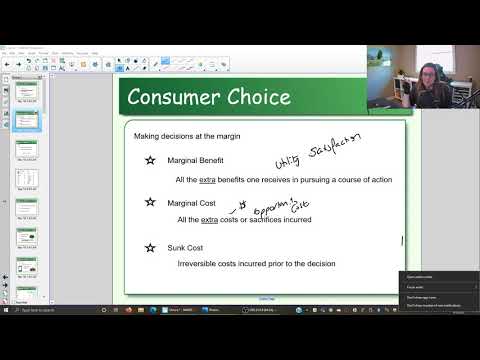
Marginal cost and marginal revenue are two important concepts in marginal analysis. Marginal cost refers to the additional cost of producing one more unit of a good or service, while marginal revenue refers to the additional revenue gained from selling one more unit. By analyzing the marginal cost and marginal revenue, businesses can determine the optimal quantity of a good or service to produce. For example, if the marginal revenue from selling an additional unit is greater than the marginal cost of producing it, then the business will produce the additional unit. As discussed in Cost-Benefit Analysis, understanding marginal cost and marginal revenue is essential for businesses to make informed decisions about production and pricing. The concept of marginal cost is also closely related to the Theory of Production.
📈 Applications of Marginal Analysis
Marginal analysis has numerous applications in various fields, including business, finance, and economics. It is used to evaluate the costs and benefits of different decisions, such as whether to produce more of a good or service, or whether to invest in a new project. Marginal analysis is also used to determine the optimal price of a good or service, by analyzing the marginal revenue and marginal cost. As explained in Econometrics, marginal analysis is a powerful tool for understanding the behavior of economic systems. The concept of marginal analysis is also closely related to the Theory of General Equilibrium.
🤔 Criticisms and Limitations
Despite its importance, marginal analysis has several limitations and criticisms. One of the main criticisms is that it assumes that people make rational decisions, which may not always be the case. Additionally, marginal analysis may not take into account external factors, such as environmental or social costs, which can affect the decision-making process. As discussed in Behavioral Economics, understanding the limitations of marginal analysis is essential for developing more realistic models of human behavior. The concept of marginal analysis is also closely related to the Theory of Bounded Rationality.
📊 Marginal Analysis in Real-World Scenarios
Marginal analysis is widely used in real-world scenarios, such as in business and finance. For example, a company may use marginal analysis to determine the optimal price of a new product, or to evaluate the costs and benefits of investing in a new project. As explained in Financial Management, understanding marginal analysis is essential for businesses to make informed decisions about investment and financing. The concept of marginal analysis is also closely related to the Capital Asset Pricing Model.
📈 The Future of Marginal Analysis
The future of marginal analysis is likely to be shaped by advances in technology and changes in the global economy. As new technologies emerge, such as artificial intelligence and machine learning, marginal analysis may become even more powerful and sophisticated. Additionally, changes in the global economy, such as shifts in trade policies and environmental regulations, may require new applications of marginal analysis. As discussed in Futures Studies, understanding the future of marginal analysis is essential for developing more effective decision-making tools. The concept of marginal analysis is also closely related to the Theory of Complexity.
Key Facts
- Year
- 1871
- Origin
- Austria, France, England
- Category
- Economics
- Type
- Concept
Frequently Asked Questions
What is marginal analysis?
Marginal analysis is a fundamental concept in economics that helps us understand how individuals and businesses make decisions. It is based on the idea that the value of a good or service is determined by its marginal utility, which is the additional satisfaction or benefit gained from consuming one more unit of the good or service. As explained by Economics theories, marginal analysis is a crucial tool for understanding how people make choices. The concept of marginal utility was first introduced by Carl Menger, an Austrian economist, in the late 19th century.
What is the law of diminishing marginal utility?
The law of diminishing marginal utility states that as the quantity of a good or service consumed increases, the marginal utility of each additional unit decreases. This means that the more you consume of a good or service, the less satisfaction you will gain from each additional unit. For instance, the first glass of water may quench your thirst, but the tenth glass may not give you as much satisfaction. As explained in Microeconomics theories, the law of diminishing marginal utility is a fundamental principle of Rational Choice Theory.
What is the diamond-water paradox?
The diamond-water paradox is a famous example of how marginal analysis can help explain the discrepancy in the value of goods and services. The paradox states that diamonds are more valuable than water, even though water is essential for human survival. The explanation for this paradox lies in the concept of marginal utility. While water has a higher total utility, diamonds have a higher marginal utility. This means that the additional satisfaction gained from consuming one more diamond is greater than the additional satisfaction gained from consuming one more unit of water. As explained by Alfred Marshall, the diamond-water paradox is a classic example of how marginal analysis can help us understand the value of goods and services.
What are the limitations of marginal analysis?
Despite its importance, marginal analysis has several limitations and criticisms. One of the main criticisms is that it assumes that people make rational decisions, which may not always be the case. Additionally, marginal analysis may not take into account external factors, such as environmental or social costs, which can affect the decision-making process. As discussed in Behavioral Economics, understanding the limitations of marginal analysis is essential for developing more realistic models of human behavior.
How is marginal analysis used in real-world scenarios?
Marginal analysis is widely used in real-world scenarios, such as in business and finance. For example, a company may use marginal analysis to determine the optimal price of a new product, or to evaluate the costs and benefits of investing in a new project. As explained in Financial Management, understanding marginal analysis is essential for businesses to make informed decisions about investment and financing.
What is the future of marginal analysis?
The future of marginal analysis is likely to be shaped by advances in technology and changes in the global economy. As new technologies emerge, such as artificial intelligence and machine learning, marginal analysis may become even more powerful and sophisticated. Additionally, changes in the global economy, such as shifts in trade policies and environmental regulations, may require new applications of marginal analysis. As discussed in Futures Studies, understanding the future of marginal analysis is essential for developing more effective decision-making tools.
How does marginal analysis relate to other economic concepts?
Marginal analysis is closely related to other economic concepts, such as Opportunity Cost, Theory of the Firm, and Capital Asset Pricing Model. Understanding these relationships is essential for developing a deeper understanding of marginal analysis and its applications in economics and finance.