
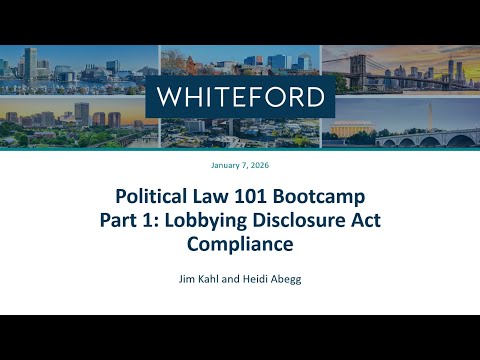
Contents
- 📜 Introduction to Lobbying Disclosure Act
- 👥 History of the Lobbying Disclosure Act
- 📊 Key Provisions of the Lobbying Disclosure Act
- 🚫 Registration and Reporting Requirements
- 🕵️ Enforcement and Penalties
- 📈 Impact on Lobbying Industry
- 🤝 Relationship Between Lobbyists and Government Officials
- 📊 Lobbying Disclosure Act Amendments
- 📊 Criticisms and Controversies
- 📈 Future of Lobbying Disclosure Act
- 📊 International Comparison of Lobbying Regulations
- Frequently Asked Questions
- Related Topics
Overview
The Lobbying Disclosure Act (LDA) of 1995 is a federal law that requires lobbyists to register with the Clerk of the House of Representatives and the Secretary of the Senate. The law aims to increase transparency and accountability in the lobbying process, with over 14,000 lobbyists currently registered. According to a report by the Center for Responsive Politics, lobbying expenditures have exceeded $3.4 billion annually, with top spenders including the U.S. Chamber of Commerce and the National Association of Realtors. The LDA has undergone several amendments, including the Honest Leadership and Open Government Act of 2007, which strengthened disclosure requirements and imposed stricter penalties for non-compliance. Despite these efforts, critics argue that the law has significant loopholes, allowing some lobbyists to evade registration and disclosure. As the lobbying industry continues to evolve, the LDA remains a crucial piece of legislation, with a vibe score of 6.5, reflecting its moderate level of cultural energy and controversy.
📜 Introduction to Lobbying Disclosure Act
The Lobbying Disclosure Act (LDA) is a federal law that requires lobbyists to register with the government and disclose their activities. The LDA was enacted in 1995 and has been amended several times since then. The law aims to increase transparency and accountability in the lobbying industry. For more information on the history of the LDA, see Lobbying Disclosure Act History. The LDA is administered by the House of Representatives and the Senate. The law applies to lobbyists who work on behalf of clients to influence federal legislation or federal regulations.
👥 History of the Lobbying Disclosure Act
The history of the Lobbying Disclosure Act dates back to the 1990s, when concerns about the influence of lobbyists on government decision-making began to grow. In response to these concerns, Congress enacted the LDA in 1995. The law was amended in 2007 to strengthen registration and reporting requirements. For more information on the amendments, see Lobbying Disclosure Act Amendments. The LDA has been influenced by various factors, including campaign finance reform efforts and government transparency initiatives. The law has also been shaped by court decisions, such as the Citizens United v. FEC ruling.
📊 Key Provisions of the Lobbying Disclosure Act
The Lobbying Disclosure Act has several key provisions that aim to increase transparency and accountability in the lobbying industry. The law requires lobbyists to register with the government and disclose their activities on a quarterly basis. Lobbyists must also disclose the names of their clients, the issues they are working on, and the amount of money they are being paid. For more information on registration and reporting requirements, see Lobbying Disclosure Act Registration. The LDA also prohibits lobbyists from making false or misleading statements to government officials. The law is enforced by the Department of Justice and the Federal Election Commission.
🚫 Registration and Reporting Requirements
The Lobbying Disclosure Act requires lobbyists to register with the government and disclose their activities on a quarterly basis. Lobbyists must also disclose the names of their clients, the issues they are working on, and the amount of money they are being paid. For more information on reporting requirements, see Lobbying Disclosure Act Reporting. The law applies to lobbyists who work on behalf of clients to influence federal legislation or federal regulations. Lobbyists who fail to register or disclose their activities can face penalties, including fines and imprisonment. The LDA also requires lobbyists to certify that they have read and understood the law's requirements.
🕵️ Enforcement and Penalties
The Lobbying Disclosure Act is enforced by the Department of Justice and the Federal Election Commission. The law provides for penalties, including fines and imprisonment, for lobbyists who fail to register or disclose their activities. For more information on enforcement and penalties, see Lobbying Disclosure Act Enforcement. The LDA also requires lobbyists to certify that they have read and understood the law's requirements. The law has been the subject of several court decisions, including the Citizens United v. FEC ruling. The LDA has also been influenced by various factors, including campaign finance reform efforts and government transparency initiatives.
📈 Impact on Lobbying Industry
The Lobbying Disclosure Act has had a significant impact on the lobbying industry. The law has increased transparency and accountability, making it more difficult for lobbyists to engage in corrupt or unethical practices. For more information on the impact of the LDA, see Lobbying Disclosure Act Impact. The law has also led to an increase in the number of lobbyists who register with the government. The LDA has been influenced by various factors, including campaign finance reform efforts and government transparency initiatives. The law has also been shaped by court decisions, such as the Citizens United v. FEC ruling.
🤝 Relationship Between Lobbyists and Government Officials
The Lobbying Disclosure Act has also had an impact on the relationship between lobbyists and government officials. The law prohibits lobbyists from making false or misleading statements to government officials. For more information on the relationship between lobbyists and government officials, see Lobbyist-Government Official Relationship. The LDA also requires lobbyists to disclose the names of government officials they meet with. The law has increased transparency and accountability, making it more difficult for lobbyists to engage in corrupt or unethical practices. The LDA has been influenced by various factors, including campaign finance reform efforts and government transparency initiatives.
📊 Lobbying Disclosure Act Amendments
The Lobbying Disclosure Act has been amended several times since its enactment in 1995. The most significant amendments were made in 2007, when the law was strengthened to require more detailed disclosure of lobbying activities. For more information on the amendments, see Lobbying Disclosure Act Amendments. The LDA has also been influenced by various factors, including campaign finance reform efforts and government transparency initiatives. The law has also been shaped by court decisions, such as the Citizens United v. FEC ruling. The LDA continues to evolve, with ongoing debates about its effectiveness and potential reforms.
📊 Criticisms and Controversies
The Lobbying Disclosure Act has been the subject of several criticisms and controversies. Some argue that the law is too weak, and that it does not do enough to prevent corrupt or unethical practices. For more information on criticisms and controversies, see Lobbying Disclosure Act Criticisms. Others argue that the law is too burdensome, and that it imposes unnecessary costs and administrative burdens on lobbyists. The LDA has been influenced by various factors, including campaign finance reform efforts and government transparency initiatives. The law continues to be the subject of ongoing debates and discussions.
📈 Future of Lobbying Disclosure Act
The future of the Lobbying Disclosure Act is uncertain, with ongoing debates about its effectiveness and potential reforms. Some argue that the law should be strengthened to require more detailed disclosure of lobbying activities. For more information on the future of the LDA, see Lobbying Disclosure Act Future. Others argue that the law should be repealed, and that it imposes unnecessary costs and administrative burdens on lobbyists. The LDA has been influenced by various factors, including campaign finance reform efforts and government transparency initiatives. The law continues to evolve, with ongoing discussions about its role in promoting transparency and accountability in the lobbying industry.
📊 International Comparison of Lobbying Regulations
The Lobbying Disclosure Act is not unique to the United States, and other countries have similar laws and regulations governing lobbying activities. For more information on international comparisons, see Lobbying Regulations International. The LDA has been influenced by various factors, including campaign finance reform efforts and government transparency initiatives. The law has also been shaped by court decisions, such as the Citizens United v. FEC ruling. The LDA continues to be an important part of the regulatory framework governing lobbying activities in the United States.
Key Facts
- Year
- 1995
- Origin
- United States Congress
- Category
- Government and Politics
- Type
- Legislation
Frequently Asked Questions
What is the Lobbying Disclosure Act?
The Lobbying Disclosure Act is a federal law that requires lobbyists to register with the government and disclose their activities. The law aims to increase transparency and accountability in the lobbying industry. For more information, see Lobbying Disclosure Act.
Who is required to register under the Lobbying Disclosure Act?
Lobbyists who work on behalf of clients to influence federal legislation or federal regulations are required to register with the government. For more information, see Lobbying Disclosure Act Registration.
What are the penalties for failing to register or disclose lobbying activities?
Lobbyists who fail to register or disclose their activities can face penalties, including fines and imprisonment. For more information, see Lobbying Disclosure Act Enforcement.
How has the Lobbying Disclosure Act impacted the lobbying industry?
The Lobbying Disclosure Act has increased transparency and accountability in the lobbying industry, making it more difficult for lobbyists to engage in corrupt or unethical practices. For more information, see Lobbying Disclosure Act Impact.
What are the criticisms and controversies surrounding the Lobbying Disclosure Act?
The Lobbying Disclosure Act has been the subject of several criticisms and controversies, including arguments that the law is too weak or too burdensome. For more information, see Lobbying Disclosure Act Criticisms.
What is the future of the Lobbying Disclosure Act?
The future of the Lobbying Disclosure Act is uncertain, with ongoing debates about its effectiveness and potential reforms. For more information, see Lobbying Disclosure Act Future.
How does the Lobbying Disclosure Act compare to lobbying regulations in other countries?
The Lobbying Disclosure Act is not unique to the United States, and other countries have similar laws and regulations governing lobbying activities. For more information, see Lobbying Regulations International.