
Contents
- 🔋 Introduction to Lithium Ion Batteries
- 📈 History of Lithium Ion Development
- 💡 How Lithium Ion Batteries Work
- 🔍 Advantages of Lithium Ion Batteries
- 📊 Lithium Ion Battery Market and Demand
- 🔋 Applications of Lithium Ion Batteries
- 🚀 Future of Lithium Ion Technology
- 🌎 Environmental Impact of Lithium Ion Batteries
- 💻 Lithium Ion Battery Manufacturing Process
- 🔩 Challenges and Limitations of Lithium Ion Batteries
- 📚 Conclusion and Future Outlook
- Frequently Asked Questions
- Related Topics
Overview
Lithium ion batteries, developed by Sony in 1991, have become the backbone of modern portable electronics, from smartphones to electric vehicles. With a global market projected to reach $129.3 billion by 2027, lithium ion technology has sparked intense debate over its environmental impact, with concerns over lithium mining, battery waste, and the carbon footprint of production. Despite these challenges, researchers like John Goodenough, M. Stanley Whittingham, and Akira Yoshino, who were awarded the 2019 Nobel Prize in Chemistry, continue to push the boundaries of lithium ion innovation. As the world shifts towards renewable energy sources, lithium ion batteries will play a crucial role in storing excess energy, with companies like Tesla, LG Chem, and Contemporary Amperex Technology (CATL) leading the charge. However, the rise of alternative battery technologies, such as solid-state batteries and sodium-ion batteries, threatens to disrupt the lithium ion dominance. With the global energy landscape evolving rapidly, one thing is certain: the future of lithium ion batteries will be shaped by the interplay between technological innovation, environmental concerns, and economic pressures.
🔋 Introduction to Lithium Ion Batteries
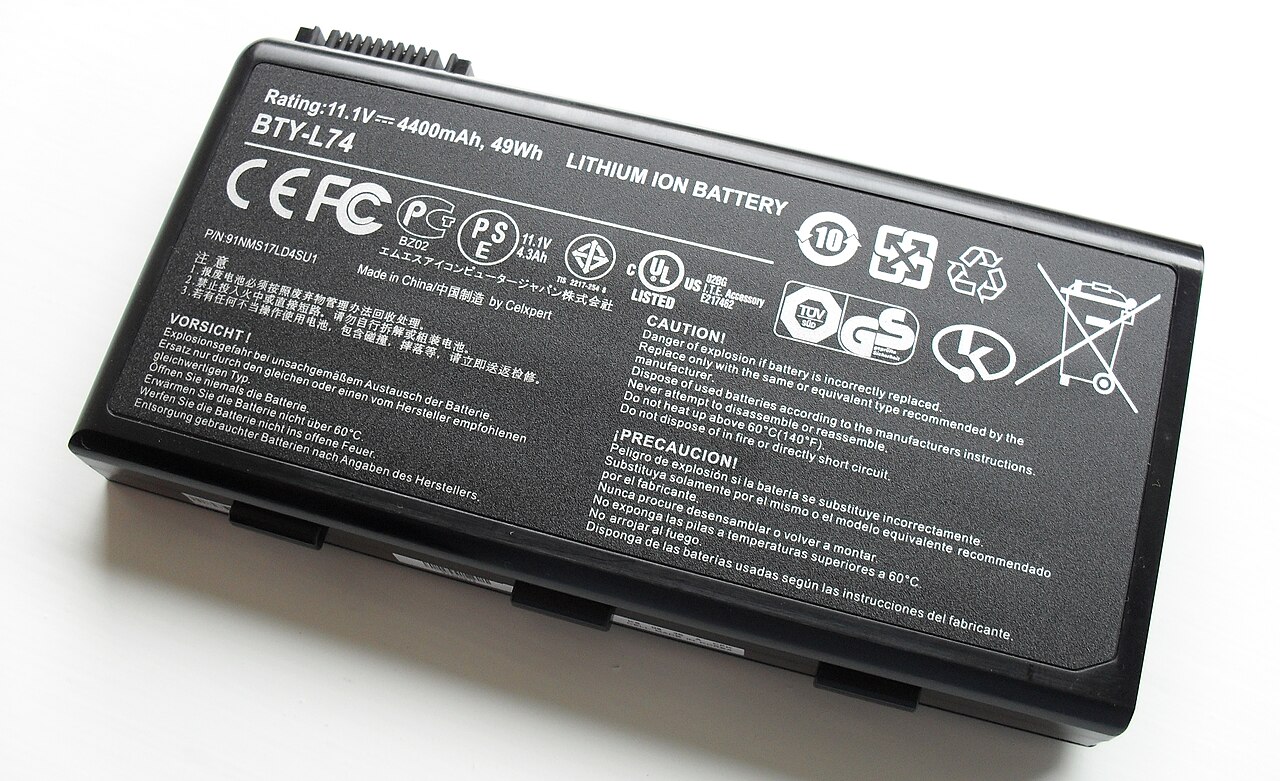
The lithium-ion battery, also known as the Li-ion battery, is a type of rechargeable battery that has revolutionized the way we store energy. With its high specific energy, energy density, and energy efficiency, it has become the go-to choice for many applications, from Electric Vehicles to Portable Electronics. The development of lithium-ion batteries is a testament to human innovation and the relentless pursuit of better technology. As we continue to push the boundaries of what is possible, it's essential to understand the history and science behind these incredible devices. For more information on the basics of lithium-ion batteries, visit the Lithium Ion Battery page.
📈 History of Lithium Ion Development
The history of lithium-ion battery development is a fascinating story that spans several decades. The first lithium-ion batteries were sold in 1991, and since then, they have undergone significant improvements in terms of energy density and cost. According to John Goodenough, a pioneer in the field of lithium-ion batteries, the key to their success lies in the reversible intercalation of Li+ ions into electronically conducting solids. This process allows for the efficient storage and release of energy, making lithium-ion batteries an ideal choice for many applications. To learn more about the history of lithium-ion batteries, check out the History of Lithium Ion Batteries page.
💡 How Lithium Ion Batteries Work
So, how do lithium-ion batteries work? In simple terms, they use the reversible intercalation of Li+ ions into electronically conducting solids to store energy. This process involves the movement of lithium ions between two electrodes, a positive cathode and a negative anode, through an electrolyte. The Electrochemistry behind this process is complex, but it allows for the efficient storage and release of energy. For a more in-depth explanation, visit the Lithium Ion Battery Chemistry page. Additionally, you can explore the Battery Management Systems used to optimize lithium-ion battery performance.
🔍 Advantages of Lithium Ion Batteries
One of the significant advantages of lithium-ion batteries is their high energy density. This means that they can store a lot of energy relative to their size and weight, making them ideal for applications where space is limited. They also have a long cycle life and calendar life, which means they can be charged and discharged many times without losing their capacity. According to Stanford University research, lithium-ion batteries have a higher energy density than other types of rechargeable batteries, such as Nickel-Cadmium Batteries and Lead-Acid Batteries. To learn more about the advantages of lithium-ion batteries, check out the Lithium Ion Battery Advantages page.
📊 Lithium Ion Battery Market and Demand
The market demand for lithium-ion batteries has been increasing rapidly in recent years. In late 2024, global demand passed 1 terawatt-hour per year, while production capacity was more than twice that. This growth is driven by the increasing adoption of Electric Vehicles and Renewable Energy Systems. As the world continues to transition towards a more sustainable and environmentally friendly energy mix, the demand for lithium-ion batteries is likely to continue growing. For more information on the market trends and demand for lithium-ion batteries, visit the Lithium Ion Battery Market page. You can also explore the Energy Storage Systems that rely on lithium-ion batteries.
🔋 Applications of Lithium Ion Batteries
Lithium-ion batteries have a wide range of applications, from Consumer Electronics to Industrial Power Systems. They are used in Electric Vehicles, Hybrid Vehicles, and Renewable Energy Systems. They are also used in Portable Electronics, such as laptops and smartphones. According to Tesla, lithium-ion batteries are a crucial component of their electric vehicles, and they have developed advanced Battery Management Systems to optimize their performance. To learn more about the applications of lithium-ion batteries, check out the Lithium Ion Battery Applications page.
🚀 Future of Lithium Ion Technology
As we look to the future, it's clear that lithium-ion technology will continue to play a major role in the transition to a more sustainable energy mix. Researchers are working on developing new materials and technologies that can improve the performance and efficiency of lithium-ion batteries. For example, Solid-State Batteries are being developed to replace the liquid electrolyte in traditional lithium-ion batteries, which can improve safety and energy density. To learn more about the future of lithium-ion technology, visit the Future of Lithium Ion page. You can also explore the Sustainable Energy initiatives that rely on lithium-ion batteries.
🌎 Environmental Impact of Lithium Ion Batteries
However, the production and disposal of lithium-ion batteries also have environmental impacts that need to be considered. The extraction of lithium and other materials used in lithium-ion batteries can have negative effects on the environment, and the disposal of spent batteries can pose a risk to human health and the environment. According to Environmental Protection Agency, it's essential to develop sustainable and responsible practices for the production and disposal of lithium-ion batteries. To learn more about the environmental impact of lithium-ion batteries, check out the Lithium Ion Battery Environmental Impact page. You can also explore the Recycling Technologies for lithium-ion batteries.
💻 Lithium Ion Battery Manufacturing Process
The manufacturing process of lithium-ion batteries involves several stages, from the production of the electrodes and electrolyte to the assembly of the battery cells. The process requires careful control of the materials and conditions to ensure the quality and performance of the batteries. According to LG Chem, a leading manufacturer of lithium-ion batteries, the development of advanced manufacturing technologies is crucial for improving the efficiency and reducing the cost of lithium-ion batteries. To learn more about the manufacturing process of lithium-ion batteries, visit the Lithium Ion Battery Manufacturing page. You can also explore the Quality Control Measures used in lithium-ion battery production.
🔩 Challenges and Limitations of Lithium Ion Batteries
Despite the many advantages of lithium-ion batteries, there are also challenges and limitations that need to be addressed. One of the major challenges is the high cost of production, which can make them less competitive with other types of batteries. Additionally, lithium-ion batteries can be prone to overheating and explosions if not designed and manufactured properly. According to National Institute of Standards and Technology, it's essential to develop advanced safety features and testing protocols to ensure the safe use of lithium-ion batteries. To learn more about the challenges and limitations of lithium-ion batteries, check out the Lithium Ion Battery Challenges page.
📚 Conclusion and Future Outlook
In conclusion, lithium-ion batteries have revolutionized the way we store energy and have played a major role in the transition to a more sustainable energy mix. As we look to the future, it's clear that lithium-ion technology will continue to evolve and improve, with new materials and technologies being developed to improve their performance and efficiency. However, it's also essential to address the environmental impacts and challenges associated with the production and disposal of lithium-ion batteries. For more information on the future of lithium-ion batteries, visit the Future of Energy Storage page. You can also explore the Energy Storage Technologies that are being developed to support a sustainable energy mix.
Key Facts
- Year
- 1991
- Origin
- Japan
- Category
- Energy and Technology
- Type
- Technology
Frequently Asked Questions
What is a lithium-ion battery?
A lithium-ion battery is a type of rechargeable battery that uses the reversible intercalation of Li+ ions into electronically conducting solids to store energy. They have a high energy density, long cycle life, and calendar life, making them ideal for many applications. For more information, visit the Lithium Ion Battery page.
What are the advantages of lithium-ion batteries?
Lithium-ion batteries have several advantages, including high energy density, long cycle life, and calendar life. They also have a high energy efficiency and a relatively low self-discharge rate. According to Stanford University research, lithium-ion batteries have a higher energy density than other types of rechargeable batteries. To learn more, check out the Lithium Ion Battery Advantages page.
What are the applications of lithium-ion batteries?
Lithium-ion batteries have a wide range of applications, from Consumer Electronics to Industrial Power Systems. They are used in Electric Vehicles, Hybrid Vehicles, and Renewable Energy Systems. To learn more, visit the Lithium Ion Battery Applications page.
What are the environmental impacts of lithium-ion batteries?
The production and disposal of lithium-ion batteries can have environmental impacts, including the extraction of lithium and other materials, and the disposal of spent batteries. According to Environmental Protection Agency, it's essential to develop sustainable and responsible practices for the production and disposal of lithium-ion batteries. To learn more, check out the Lithium Ion Battery Environmental Impact page.
What is the future of lithium-ion technology?
The future of lithium-ion technology is promising, with researchers working on developing new materials and technologies to improve the performance and efficiency of lithium-ion batteries. According to Solid-State Battery research, these new technologies have the potential to improve safety, energy density, and charging speeds. To learn more, visit the Future of Lithium Ion page.
How are lithium-ion batteries manufactured?
The manufacturing process of lithium-ion batteries involves several stages, from the production of the electrodes and electrolyte to the assembly of the battery cells. The process requires careful control of the materials and conditions to ensure the quality and performance of the batteries. According to LG Chem, a leading manufacturer of lithium-ion batteries, the development of advanced manufacturing technologies is crucial for improving the efficiency and reducing the cost of lithium-ion batteries. To learn more, visit the Lithium Ion Battery Manufacturing page.
What are the challenges and limitations of lithium-ion batteries?
Despite the many advantages of lithium-ion batteries, there are also challenges and limitations that need to be addressed. One of the major challenges is the high cost of production, which can make them less competitive with other types of batteries. Additionally, lithium-ion batteries can be prone to overheating and explosions if not designed and manufactured properly. According to National Institute of Standards and Technology, it's essential to develop advanced safety features and testing protocols to ensure the safe use of lithium-ion batteries. To learn more, check out the Lithium Ion Battery Challenges page.