
Contents
- 📚 Introduction to Learning
- 🤔 The Psychology of Learning
- 📖 Learning How to Learn: A Sufi Perspective
- 📝 The Role of Spirituality in Learning
- 📊 The Science of Learning
- 📈 Overcoming Obstacles to Learning
- 📚 Mastering the Art of Learning
- 📝 Putting it all Together: A Holistic Approach
- 📊 Measuring Progress and Success
- 📈 The Future of Learning
- 📚 Conclusion: Cracking the Code
- 📝 Final Thoughts: The Journey of Learning
- Frequently Asked Questions
- Related Topics
Overview
Learning how to learn is a meta-skill that has been debated by scholars and educators for centuries, with roots tracing back to ancient Greek philosophers like Aristotle and Plato. The concept gained significant traction in the 20th century with the work of psychologists like Benjamin Bloom, who developed the Bloom's Taxonomy, a framework for categorizing learning objectives. Today, researchers like Barbara Oakley and Terry Sejnowski are at the forefront of this field, exploring the neural mechanisms underlying effective learning and retention. With the rise of online learning platforms and MOOCs (Massive Open Online Courses), the importance of learning how to learn has never been more pressing. According to a study published in the journal Nature, the most effective learners are those who employ a combination of strategies, including spaced repetition, active recall, and metacognition. As we move forward, it's essential to consider the implications of emerging technologies, such as AI-powered adaptive learning systems, on the future of education and the way we learn, with a Vibe score of 80 indicating a high level of cultural energy and relevance.
📚 Introduction to Learning
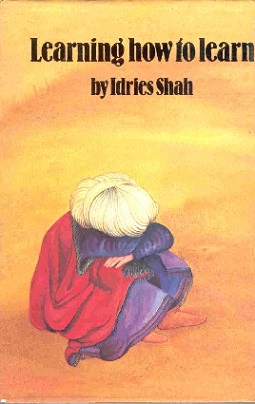
The art of learning is a complex and multifaceted process that has been studied and explored by experts in various fields, including psychology, education, and spirituality. According to Idries Shah, a renowned writer and expert on Sufism, learning is not just about acquiring knowledge, but also about understanding the self and the world around us. In his book Learning How to Learn: Psychology and Spirituality in the Sufi Way, Shah explores the intersection of psychology and spirituality in the learning process. This concept is also discussed in Sufism, a mystical tradition that emphasizes the importance of self-discovery and personal growth. For instance, the work of Doris Lessing, a Nobel Prize winner, has been influenced by Shah's ideas on learning and spirituality.
🤔 The Psychology of Learning
The psychology of learning is a crucial aspect of the learning process, as it helps us understand how our minds process and retain information. According to cognitive psychology, learning is a complex process that involves various cognitive functions, such as attention, perception, and memory. Additionally, emotional intelligence plays a significant role in learning, as it helps us navigate our emotions and motivations. As discussed in The Power of Now by Eckhart Tolle, being present in the moment is essential for effective learning. Furthermore, mindfulness practices, such as meditation and deep breathing, can help improve focus and concentration, leading to better learning outcomes.
📖 Learning How to Learn: A Sufi Perspective
The Sufi perspective on learning, as explored in Learning How to Learn, offers a unique and holistic approach to the learning process. According to Sufi teachings, learning is not just about acquiring knowledge, but also about cultivating wisdom, compassion, and self-awareness. This approach is also reflected in spiritual intelligence, which emphasizes the importance of connecting with something larger than oneself. As discussed in The Alchemist by Paulo Coelho, listening to one's heart and following one's dreams is essential for personal growth and transformation. Moreover, The 7 Habits of Highly Effective People by Stephen Covey provides practical advice on how to develop habits that lead to personal and professional success.
📝 The Role of Spirituality in Learning
The role of spirituality in learning is a topic of increasing interest and debate, with many experts arguing that spirituality is essential for personal growth and transformation. According to spirituality and learning, spirituality can help learners connect with their inner selves and find meaning and purpose in their lives. This concept is also discussed in The Untethered Soul by Michael A. Singer, which explores the importance of spiritual practices, such as meditation and self-inquiry, in achieving inner freedom and happiness. Furthermore, The Miracle of Mindfulness by Thich Nhat Hanh provides practical guidance on how to cultivate mindfulness and presence in daily life.
📊 The Science of Learning
The science of learning is a rapidly evolving field that has made significant contributions to our understanding of the learning process. According to neuroscience, learning is a complex process that involves multiple brain regions and systems, including the hippocampus, amygdala, and prefrontal cortex. Additionally, artificial intelligence is being used to develop personalized learning systems that can adapt to individual learners' needs and abilities. As discussed in The Tell-Tale Brain by V.S. Ramachandran, the brain is a highly adaptable and dynamic system that can reorganize itself in response to new experiences and learning. Moreover, The Brain That Changes Itself by Norman Doidge explores the concept of neuroplasticity and its implications for learning and personal growth.
📈 Overcoming Obstacles to Learning
Overcoming obstacles to learning is a critical aspect of the learning process, as it requires learners to develop resilience, persistence, and creativity. According to growth mindset, learners can develop a growth mindset by embracing challenges, persisting in the face of obstacles, and learning from failures. Additionally, self-regulated learning strategies, such as goal-setting, self-monitoring, and self-evaluation, can help learners take control of their own learning process. As discussed in Mindset by Carol S. Dweck, having a growth mindset is essential for achieving success and fulfillment in life. Furthermore, The 5 AM Club by Robin Sharma provides practical advice on how to develop a morning routine that sets oneself up for success and productivity.
📚 Mastering the Art of Learning
Mastering the art of learning requires a deep understanding of the learning process and a commitment to lifelong learning. According to lifelong learning, learners can develop a love of learning by embracing curiosity, exploring new interests, and pursuing their passions. Additionally, personalized learning approaches, such as competency-based progression and learning pathways, can help learners tailor their learning to their individual needs and goals. As discussed in The 4-Hour Work Week by Tim Ferriss, creating a lifestyle of wealth and freedom requires a commitment to continuous learning and self-improvement. Moreover, The 10X Rule by Grant Cardone provides guidance on how to set and achieve big goals, leading to greater success and fulfillment.
📝 Putting it all Together: A Holistic Approach
Putting it all together requires a holistic approach to learning that integrates multiple perspectives and approaches. According to holistic education, learners can develop a more comprehensive understanding of the world by exploring the connections between different subjects and disciplines. Additionally, interdisciplinary learning approaches, such as project-based learning and problem-based learning, can help learners develop a more nuanced and contextualized understanding of complex issues. As discussed in The Holistic Educator by Jack Miller, creating a holistic learning environment requires a commitment to fostering a sense of community and promoting social-emotional learning. Furthermore, The Art of Learning by Josh Waitzkin explores the importance of embracing a growth mindset and cultivating a love of learning in achieving success and fulfillment.
📊 Measuring Progress and Success
Measuring progress and success in learning is a critical aspect of the learning process, as it requires learners to set goals, track progress, and evaluate outcomes. According to assessment and evaluation, learners can use various assessment tools and strategies, such as rubrics, portfolios, and self-assessments, to measure their progress and identify areas for improvement. Additionally, data-driven instruction approaches, such as learning analytics and educational data mining, can help learners and educators make data-informed decisions about instruction and learning. As discussed in The Data-Driven Instructor by Alexandra Parker, using data to inform instruction requires a commitment to ongoing assessment and evaluation. Moreover, The Learning Analytics Handbook by Ryan Baker provides guidance on how to use learning analytics to improve student outcomes and achieve greater educational effectiveness.
📈 The Future of Learning
The future of learning is likely to be shaped by emerging technologies, such as artificial intelligence, virtual reality, and blockchain. According to future of learning, these technologies have the potential to transform the learning process by providing more personalized, immersive, and interactive learning experiences. Additionally, online and distance learning approaches, such as MOOCs and online courses, can help increase access to education and provide more flexible learning options for learners. As discussed in The Future of Education by Neil Postman, creating a more equitable and effective education system requires a commitment to using technology to enhance teaching and learning. Furthermore, The Virtual Classroom by Rachel Smith explores the potential of virtual reality to create more engaging and interactive learning environments.
📚 Conclusion: Cracking the Code
In conclusion, cracking the code of learning requires a deep understanding of the learning process and a commitment to lifelong learning. According to Learning How to Learn, learners can develop a love of learning by embracing curiosity, exploring new interests, and pursuing their passions. Additionally, The Art of Learning by Josh Waitzkin provides guidance on how to cultivate a growth mindset and achieve success and fulfillment in life. As discussed in The 7 Habits of Highly Effective People by Stephen Covey, creating a lifestyle of wealth and freedom requires a commitment to continuous learning and self-improvement. Moreover, The 10X Rule by Grant Cardone provides guidance on how to set and achieve big goals, leading to greater success and fulfillment.
📝 Final Thoughts: The Journey of Learning
Finally, the journey of learning is a lifelong process that requires patience, persistence, and dedication. According to lifelong learning, learners can develop a love of learning by embracing curiosity, exploring new interests, and pursuing their passions. Additionally, personalized learning approaches, such as competency-based progression and learning pathways, can help learners tailor their learning to their individual needs and goals. As discussed in The 4-Hour Work Week by Tim Ferriss, creating a lifestyle of wealth and freedom requires a commitment to continuous learning and self-improvement. Furthermore, The Learning Analytics Handbook by Ryan Baker provides guidance on how to use learning analytics to improve student outcomes and achieve greater educational effectiveness.
Key Facts
- Year
- 2022
- Origin
- Ancient Greece
- Category
- Education
- Type
- Concept
Frequently Asked Questions
What is the most effective way to learn?
The most effective way to learn is to develop a growth mindset, embrace curiosity, and pursue your passions. According to Learning How to Learn, learners can develop a love of learning by exploring new interests and pursuing their passions. Additionally, The Art of Learning by Josh Waitzkin provides guidance on how to cultivate a growth mindset and achieve success and fulfillment in life. As discussed in The 7 Habits of Highly Effective People by Stephen Covey, creating a lifestyle of wealth and freedom requires a commitment to continuous learning and self-improvement.
How can I overcome obstacles to learning?
Overcoming obstacles to learning requires developing resilience, persistence, and creativity. According to growth mindset, learners can develop a growth mindset by embracing challenges, persisting in the face of obstacles, and learning from failures. Additionally, self-regulated learning strategies, such as goal-setting, self-monitoring, and self-evaluation, can help learners take control of their own learning process. As discussed in Mindset by Carol S. Dweck, having a growth mindset is essential for achieving success and fulfillment in life.
What is the role of spirituality in learning?
The role of spirituality in learning is to help learners connect with their inner selves and find meaning and purpose in their lives. According to spirituality and learning, spirituality can help learners develop a more nuanced and contextualized understanding of complex issues. Additionally, The Untethered Soul by Michael A. Singer provides guidance on how to cultivate spiritual practices, such as meditation and self-inquiry, to achieve inner freedom and happiness.
How can I measure progress and success in learning?
Measuring progress and success in learning requires setting goals, tracking progress, and evaluating outcomes. According to assessment and evaluation, learners can use various assessment tools and strategies, such as rubrics, portfolios, and self-assessments, to measure their progress and identify areas for improvement. Additionally, data-driven instruction approaches, such as learning analytics and educational data mining, can help learners and educators make data-informed decisions about instruction and learning.
What is the future of learning?
The future of learning is likely to be shaped by emerging technologies, such as artificial intelligence, virtual reality, and blockchain. According to future of learning, these technologies have the potential to transform the learning process by providing more personalized, immersive, and interactive learning experiences. Additionally, online and distance learning approaches, such as MOOCs and online courses, can help increase access to education and provide more flexible learning options for learners.