
Contents
- 🏞️ Introduction to Kansas
- 🌄 Geography and Climate
- 🏙️ Cities and Metropolitan Areas
- 🌾 Agriculture and Economy
- 🏞️ Natural Features and Landmarks
- 🏃♀️ Outdoor Activities and Recreation
- 🎨 Arts and Culture
- 📚 History and Heritage
- 👥 Demographics and Population
- 🚂 Transportation and Infrastructure
- 📊 Education and Healthcare
- 👍 Conclusion and Future Outlook
- Frequently Asked Questions
- Related Topics
Overview
Kansas, with its vast plains and rich agricultural land, has been a pivotal state in American history, from the pioneers who settled the land to the present-day debates over issues like immigration and education. The state's history is marked by significant events such as the Kansas-Nebraska Act of 1854, which led to pro-slavery and anti-slavery violence, earning it the nickname 'Bleeding Kansas.' Today, Kansas is known for its contributions to aviation, with Wichita being a major hub for aircraft manufacturing, and its vibrant cultural scene, including the annual Wichita Riverfest. However, the state also faces challenges such as rural decline and brain drain, as many young Kansans leave to pursue opportunities elsewhere. With a vibe score of 6, indicating a moderate level of cultural energy, Kansas is a complex and multifaceted state that continues to evolve. As the state looks to the future, it must balance its rich history with the need for innovation and progress, a challenge that will require careful consideration of the perspectives of its diverse population.
🏞️ Introduction to Kansas
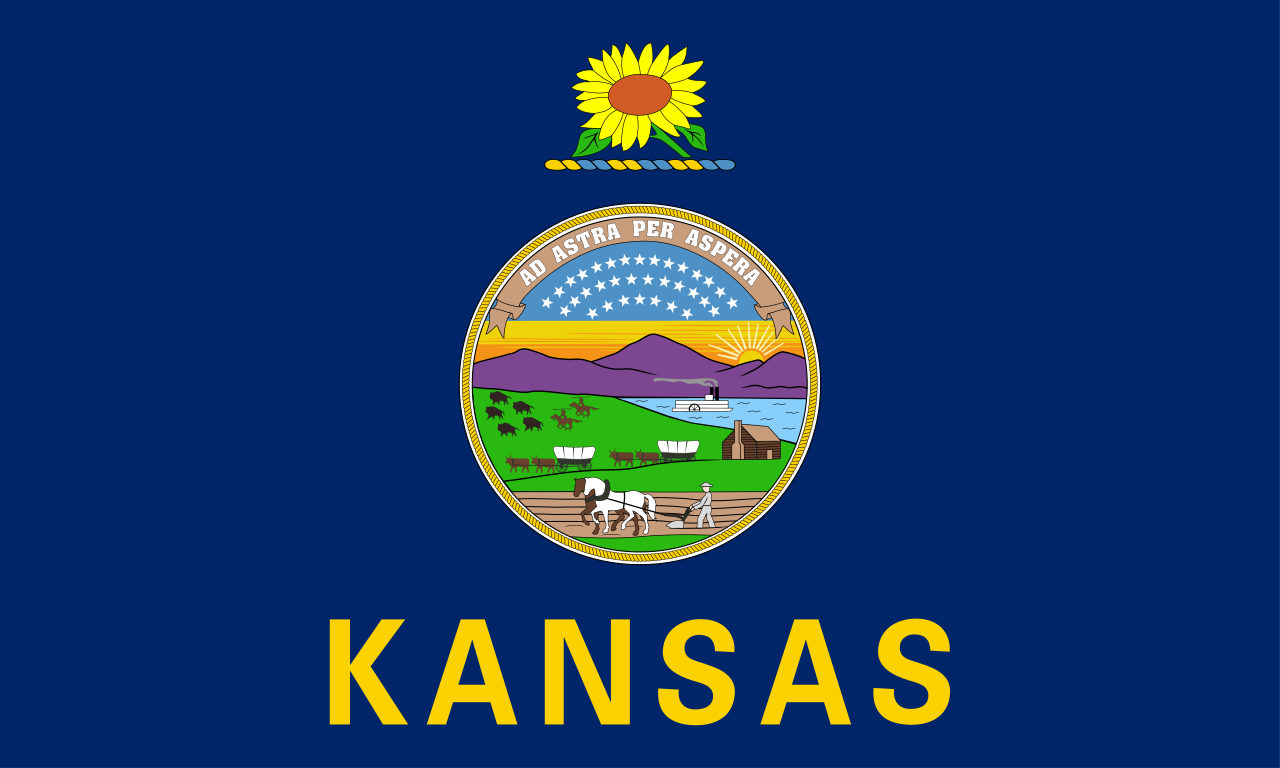
Kansas, also known as the Heart of America, is a landlocked state located in the Midwestern region of the United States. It shares borders with Nebraska to the north, Colorado to the west, Oklahoma to the south, and Missouri to the east. The state is named after the Kansas River, which in turn was named after the Kansa people. Topeka is the capital of Kansas, while Wichita is the most populous city. However, the largest urban area is the bi-state Kansas City metropolitan area, which surrounds Kansas City, Missouri, and straddles the border of Kansas and Missouri. The state's unique geography and location have played a significant role in shaping its history and culture. For more information on the state's geography, visit the Kansas Geography page. Kansas is also home to a diverse range of wildlife and parks.
🌄 Geography and Climate
Kansas' geography is characterized by its vast prairies and rolling hills. The state's climate is generally continental, with cold winters and hot summers. The western part of the state is semi-arid, while the eastern part is more humid. The Kansas River and its tributaries have played a significant role in shaping the state's landscape. The river has also been an important source of water and transportation for the state's inhabitants. For more information on the state's climate, visit the Kansas Climate page. The state's geography has also been influenced by its location in the Tornado Alley region. Kansas is also home to a number of lakes and reservoirs.
🏙️ Cities and Metropolitan Areas
Kansas has several major cities, including Wichita, Kansas City, Kansas, and Topeka. The state's largest urban area is the Kansas City metropolitan area, which straddles the border of Kansas and Missouri. This metropolitan area is home to a diverse range of industries, including healthcare, technology, and manufacturing. The city of Lawrence is also an important cultural and educational center, being the home of the University of Kansas. For more information on the state's cities, visit the Kansas Cities page. Kansas is also home to a number of small towns and villages.
🌾 Agriculture and Economy
Agriculture has long been a significant part of Kansas' economy, with the state being a leading producer of wheat, corn, and soybeans. The state is also home to a large number of cattle ranches and dairy farms. In recent years, the state has also become a major producer of wind energy, with several large wind farms located throughout the state. The state's economy has also been driven by its manufacturing and tourism industries. For more information on the state's economy, visit the Kansas Economy page. Kansas is also home to a number of wineries and breweries.
🏞️ Natural Features and Landmarks
Kansas is home to a number of natural features and landmarks, including the Smoky Hills and the Flint Hills. The state is also home to several major lakes, including Milford Lake and Perry Lake. The Kansas River and its tributaries have also played a significant role in shaping the state's landscape. The state's natural beauty and outdoor recreational opportunities make it a popular destination for tourists. For more information on the state's natural features, visit the Kansas Geology page. Kansas is also home to a number of state parks and national parks.
🏃♀️ Outdoor Activities and Recreation
Kansas offers a wide range of outdoor activities and recreational opportunities, including hiking, fishing, and hunting. The state's many lakes and reservoirs provide opportunities for boating and swimming. The state is also home to several major parks and nature reserves, including the Konza Prairie and the Tallgrass Prairie. For more information on the state's outdoor activities, visit the Kansas Outdoors page. Kansas is also home to a number of golf courses and ski resorts.
🎨 Arts and Culture
Kansas has a rich cultural scene, with a number of museums, galleries, and performance venues throughout the state. The Nelson-Atkins Museum of Art in Kansas City, Missouri is one of the largest and most respected art museums in the country. The state is also home to a number of music venues, including the Kauffman Center for the Performing Arts in Kansas City, Missouri. For more information on the state's cultural scene, visit the Kansas Arts page. Kansas is also home to a number of festivals and events.
📚 History and Heritage
Kansas has a long and complex history, with evidence of human habitation dating back thousands of years. The state was originally inhabited by a number of Native American tribes, including the Kansa people and the Osage people. The state was later settled by European-Americans, who established a number of forts and trading posts throughout the region. The state played a significant role in the American Civil War, with the city of Lawrence being the site of a major battle. For more information on the state's history, visit the Kansas History page. Kansas is also home to a number of historic sites and museums.
👥 Demographics and Population
Kansas has a population of approximately 2.9 million people, according to the United States Census Bureau. The state's population is diverse, with people from a wide range of ethnic and cultural backgrounds. The state's largest city, Wichita, has a population of over 390,000 people, while the capital city, Topeka, has a population of around 127,000 people. For more information on the state's demographics, visit the Kansas Demographics page. Kansas is also home to a number of colleges and [[kansas-universities|universities].
🚂 Transportation and Infrastructure
Kansas has a well-developed transportation infrastructure, with several major highways and interstates passing through the state. The state is also home to a number of major airports, including the Wichita Dwight D. Eisenhower National Airport and the Kansas City International Airport. The state's largest city, Wichita, is also a major hub for the BNSF Railway and the Union Pacific Railroad. For more information on the state's transportation infrastructure, visit the Kansas Transportation page. Kansas is also home to a number of bus companies and [[kansas-trucking-companies|trucking companies].
📊 Education and Healthcare
Kansas is home to a number of major educational institutions, including the University of Kansas and the Kansas State University. The state is also home to a number of major healthcare providers, including the University of Kansas Hospital and the Kansas Medical Center. For more information on the state's education and healthcare systems, visit the Kansas Education and Kansas Healthcare pages. Kansas is also home to a number of libraries and [[kansas-research-institutions|research institutions].
👍 Conclusion and Future Outlook
In conclusion, Kansas is a state with a rich history, diverse culture, and beautiful natural scenery. From its rolling hills and vast prairies to its vibrant cities and world-class museums, Kansas has something to offer for everyone. As the state looks to the future, it is likely to continue playing a significant role in the country's economy, politics, and culture. For more information on the state's future outlook, visit the Kansas Future page. Kansas is also home to a number of attractions and [[kansas-landmarks|landmarks].
Key Facts
- Year
- 1861
- Origin
- Named after the Kansa Native American tribe, which means 'people of the south wind'
- Category
- Geography, History, Culture
- Type
- State
Frequently Asked Questions
What is the capital of Kansas?
The capital of Kansas is Topeka. Topeka is a city located in the northeastern part of the state and has a population of around 127,000 people. The city is home to a number of major attractions, including the Kansas State Capitol and the Brown v. Board of Education National Historic Site. For more information on Topeka, visit the Topeka page.
What is the largest city in Kansas?
The largest city in Kansas is Wichita. Wichita is a city located in the south-central part of the state and has a population of over 390,000 people. The city is home to a number of major attractions, including the Wichita Art Museum and the Sedgwick County Zoo. For more information on Wichita, visit the Wichita page.
What is the Kansas River?
The Kansas River is a major river located in the state of Kansas. The river is approximately 235 miles long and flows through the cities of Topeka and Lawrence. The river has played a significant role in the state's history and economy, and is still an important source of water and transportation today. For more information on the Kansas River, visit the Kansas River page.
What is the economy of Kansas like?
The economy of Kansas is diverse and includes a number of major industries, including agriculture, manufacturing, and tourism. The state is a leading producer of wheat, corn, and soybeans, and is also home to a number of major cattle ranches and dairy farms. The state's economy is also driven by its energy industry, with several major wind farms and oil fields located throughout the state. For more information on the state's economy, visit the Kansas Economy page.
What are some popular tourist attractions in Kansas?
Kansas is home to a number of popular tourist attractions, including the Monument Rocks, the Konza Prairie, and the Nelson-Atkins Museum of Art. The state is also home to a number of major festivals and events, including the Wichita Riverfest and the Kansas City Jazz and Blues Festival. For more information on the state's tourist attractions, visit the Kansas Tourism page.