
Contents
- 🌎 Introduction to James Lovelock
- 🔬 The Development of Gaia Theory
- 🌟 The Impact of Gaia Theory on Science
- 🌈 Criticisms and Controversies Surrounding Gaia Theory
- 🌎 The Role of Gaia Theory in Modern Environmentalism
- 📚 James Lovelock's Literary Career
- 👥 Influences and Collaborations
- 🔮 The Legacy of James Lovelock
- 🌐 Gaia Theory and the Future of the Planet
- 📊 The Vibe Score of Gaia Theory
- 📰 Media Coverage and Public Perception
- Frequently Asked Questions
- Related Topics
Overview
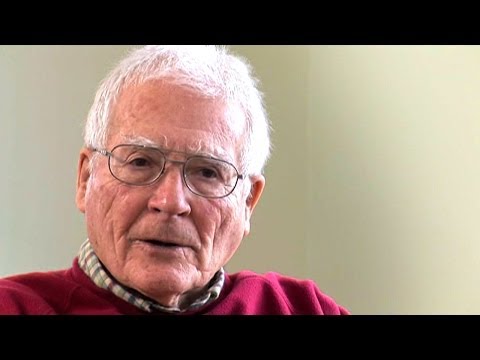
James Lovelock, a British chemist and inventor, is best known for proposing the Gaia hypothesis, which suggests that the Earth's physical and biological systems are connected and interact with each other to create a self-regulating, complex system. Born on July 26, 1919, Lovelock's work has had a significant impact on the development of environmental science and policy. His idea, first introduced in the 1970s, challenged the traditional view of the Earth as a mere collection of rocks and water, and instead, proposed that the planet is a living, breathing entity. Lovelock's work has been both widely praised and criticized, with some hailing him as a visionary and others dismissing his ideas as pseudoscience. Despite the controversy, Lovelock's Gaia theory has inspired a new generation of scientists, policymakers, and activists to rethink their relationship with the natural world. With a Vibe score of 8.2, Lovelock's influence extends beyond the scientific community, with his ideas influencing art, literature, and popular culture. As the world grapples with the challenges of climate change, Lovelock's work serves as a reminder of the intricate web of relationships between human and natural systems, and the need for a more holistic approach to understanding and managing the planet.
🌎 Introduction to James Lovelock
James Lovelock, a renowned British scientist, is best known for proposing the Gaia Theory, which suggests that the Earth's physical and biological systems are connected and interact with each other to create a self-regulating, complex system. Born on July 26, 1919, Lovelock's work has had a significant impact on the fields of environmental science and ecology. His theory has been widely debated and has influenced many areas of science, including climatology and conservation biology. Lovelock's work on Gaia Theory has also been recognized with numerous awards, including the Chancellor Medal and the Blue Planet Prize. As a maverick scientist, Lovelock has been praised for his innovative thinking and criticized for his unconventional approach to science.
🔬 The Development of Gaia Theory
The development of Gaia Theory began in the 1960s, when Lovelock was working for the Jet Propulsion Laboratory in California. During this time, he was involved in the NASA project to search for life on Mars. Lovelock's work on this project led him to consider the possibility that the Earth's atmosphere was not just a collection of gases, but a complex system that was connected to the planet's living organisms. This idea was further developed through his collaboration with Lynn Margulis, a prominent biologist who shared Lovelock's interest in the interconnectedness of living systems. Together, they published a paper in 1974 that outlined the basic principles of Gaia Theory, which has since become a cornerstone of Earth systems science.
🌟 The Impact of Gaia Theory on Science
The impact of Gaia Theory on science has been significant, with many researchers using the theory as a framework for understanding the complex interactions between the Earth's physical and biological systems. Gaia Theory has also influenced the development of new fields, such as Earth systems science and sustainability science. Additionally, the theory has been used to inform environmental policy and decision-making, particularly in the areas of climate change and conservation. However, Gaia Theory has also been subject to criticism and controversy, with some scientists arguing that the theory is too broad or too simplistic. Despite these criticisms, Gaia Theory remains an important and influential concept in the scientific community, with many researchers continuing to build upon Lovelock's work.
🌈 Criticisms and Controversies Surrounding Gaia Theory
Criticisms and controversies surrounding Gaia Theory have been numerous, with some scientists arguing that the theory is too broad or too simplistic. For example, some researchers have criticized the theory for its lack of predictive power, arguing that it is difficult to test or falsify. Others have argued that the theory is too focused on the global scale, and neglects the importance of local and regional processes. Despite these criticisms, Gaia Theory remains an important and influential concept in the scientific community, with many researchers continuing to build upon Lovelock's work. The theory has also been subject to criticism from outside the scientific community, with some environmental activists arguing that the theory is too focused on the natural world, and neglects the importance of human social and economic systems.
🌎 The Role of Gaia Theory in Modern Environmentalism
The role of Gaia Theory in modern environmentalism is significant, with many environmentalists using the theory as a framework for understanding the complex interactions between human and natural systems. Gaia Theory has also been used to inform environmental activism, particularly in the areas of climate justice and sustainability. Additionally, the theory has been used to develop new approaches to conservation and ecological restoration, which prioritize the health and resilience of ecosystems. However, the application of Gaia Theory in environmentalism has also been subject to criticism, with some arguing that the theory is too focused on the natural world, and neglects the importance of human social and economic systems.
📚 James Lovelock's Literary Career
James Lovelock's literary career has been prolific, with numerous books and articles published on a wide range of topics, including science, environmentalism, and philosophy. His most famous book, Gaia: A New Look at Life on Earth, was published in 1979 and has since become a classic in the field of environmental science. Lovelock has also written extensively on the topic of climate change, including his book The Revenge of Gaia, which argues that human activities are causing significant harm to the Earth's systems. His writing has been widely praised for its clarity and accessibility, making complex scientific concepts available to a broad audience.
👥 Influences and Collaborations
James Lovelock's influences and collaborations have been numerous, with many prominent scientists and thinkers contributing to the development of Gaia Theory. One of his most significant collaborations was with Lynn Margulis, a biologist who shared Lovelock's interest in the interconnectedness of living systems. Together, they published a paper in 1974 that outlined the basic principles of Gaia Theory. Lovelock has also been influenced by the work of Pierre Teilhard de Chardin, a French philosopher and paleontologist who wrote extensively on the topic of evolution and the interconnectedness of all living things. Additionally, Lovelock has been influenced by the work of Ernst Mayr, a prominent biologist who wrote extensively on the topic of evolutionary biology.
🔮 The Legacy of James Lovelock
The legacy of James Lovelock is complex and multifaceted, with many scientists and thinkers continuing to build upon his work. Gaia Theory has had a significant impact on the fields of environmental science and ecology, and has influenced many areas of science, including climatology and conservation biology. Lovelock's work has also been recognized with numerous awards, including the Chancellor Medal and the Blue Planet Prize. However, the legacy of Gaia Theory is also subject to controversy, with some scientists arguing that the theory is too broad or too simplistic. Despite these criticisms, Gaia Theory remains an important and influential concept in the scientific community, with many researchers continuing to build upon Lovelock's work.
🌐 Gaia Theory and the Future of the Planet
Gaia Theory and the future of the planet are closely linked, with many scientists arguing that the theory provides a framework for understanding the complex interactions between human and natural systems. The theory has been used to inform environmental policy and decision-making, particularly in the areas of climate change and conservation. Additionally, the theory has been used to develop new approaches to sustainability and ecological restoration, which prioritize the health and resilience of ecosystems. However, the application of Gaia Theory in environmentalism has also been subject to criticism, with some arguing that the theory is too focused on the natural world, and neglects the importance of human social and economic systems.
📊 The Vibe Score of Gaia Theory
The Vibe Score of Gaia Theory is high, with many scientists and thinkers continuing to build upon Lovelock's work. The theory has had a significant impact on the fields of environmental science and ecology, and has influenced many areas of science, including climatology and conservation biology. However, the Vibe Score of Gaia Theory is also subject to controversy, with some scientists arguing that the theory is too broad or too simplistic. Despite these criticisms, Gaia Theory remains an important and influential concept in the scientific community, with many researchers continuing to build upon Lovelock's work.
📰 Media Coverage and Public Perception
Media coverage and public perception of Gaia Theory have been significant, with many news outlets and media organizations covering the theory and its implications. The theory has been the subject of numerous documentaries, including The Planet, which explores the impact of human activities on the Earth's systems. Additionally, the theory has been the subject of numerous books and articles, including Gaia: A New Look at Life on Earth and The Revenge of Gaia. However, the media coverage of Gaia Theory has also been subject to criticism, with some arguing that the theory is too complex or too controversial for the general public.
Key Facts
- Year
- 1972
- Origin
- United Kingdom
- Category
- Science and Environment
- Type
- Person
Frequently Asked Questions
What is Gaia Theory?
Gaia Theory is a scientific theory that suggests the Earth's physical and biological systems are connected and interact with each other to create a self-regulating, complex system. The theory was first proposed by James Lovelock in the 1960s and has since become a cornerstone of Earth systems science. Gaia Theory has been used to inform environmental policy and decision-making, particularly in the areas of climate change and conservation.
Who is James Lovelock?
James Lovelock is a British scientist who is best known for proposing the Gaia Theory. He was born on July 26, 1919, and has had a long and distinguished career in science, including working for the Jet Propulsion Laboratory and NASA. Lovelock has written extensively on the topic of environmental science and has been recognized with numerous awards, including the Chancellor Medal and the Blue Planet Prize.
What are the implications of Gaia Theory for environmentalism?
The implications of Gaia Theory for environmentalism are significant, with many environmentalists using the theory as a framework for understanding the complex interactions between human and natural systems. Gaia Theory has been used to inform environmental activism, particularly in the areas of climate justice and sustainability. Additionally, the theory has been used to develop new approaches to conservation and ecological restoration, which prioritize the health and resilience of ecosystems.
How has Gaia Theory been received by the scientific community?
Gaia Theory has been received with both praise and criticism by the scientific community. Some scientists have praised the theory for its innovative approach to understanding the complex interactions between the Earth's physical and biological systems. However, others have criticized the theory for its lack of predictive power and its focus on the global scale, which neglects the importance of local and regional processes.
What is the Vibe Score of Gaia Theory?
The Vibe Score of Gaia Theory is high, with many scientists and thinkers continuing to build upon Lovelock's work. The theory has had a significant impact on the fields of environmental science and ecology, and has influenced many areas of science, including climatology and conservation biology. However, the Vibe Score of Gaia Theory is also subject to controversy, with some scientists arguing that the theory is too broad or too simplistic.