
Contents
- 🎵 Origins & History
- ⚙️ How It Works
- 📊 Key Facts & Numbers
- 👥 Key People & Organizations
- 🌍 Cultural Impact & Influence
- ⚡ Current State & Latest Developments
- 🤔 Controversies & Debates
- 🔮 Future Outlook & Predictions
- 💡 Practical Applications
- 📚 Related Topics & Deeper Reading
- Frequently Asked Questions
- References
- Related Topics
Overview
Inflammatory responses are a vital part of the body's defense mechanism, triggered by a wide range of stimuli, including physical trauma, pathogens, and toxins. This complex biological process involves immune cells, blood vessels, and molecular mediators, aiming to eliminate the initial cause of cell injury, clear out damaged cells and tissues, and initiate tissue repair. However, excessive or chronic inflammation can lead to tissue damage and contribute to various diseases, such as arthritis, diabetes, and cardiovascular disease. With a deep understanding of inflammatory responses, researchers and healthcare professionals can develop effective treatments and prevention strategies to mitigate the negative consequences of inflammation. According to the World Health Organization, chronic inflammation is a major risk factor for many non-communicable diseases, affecting millions of people worldwide. The National Institutes of Health has dedicated significant resources to studying inflammation and its role in various diseases, including cancer and Alzheimer's disease.
🎵 Origins & History
Inflammatory responses have been studied for centuries, with early descriptions of inflammation dating back to ancient civilizations, such as the Egyptian medical papyri. The concept of inflammation as a defense mechanism was first proposed by Rudolf Virchow in the 19th century. Since then, our understanding of inflammatory responses has evolved significantly, with major contributions from researchers like Elie Metchnikoff and Paul Ehrlich. Today, inflammatory responses are recognized as a critical component of the body's immune system, with implications for various diseases and conditions, including autoimmune diseases and chronic pain.
⚙️ How It Works
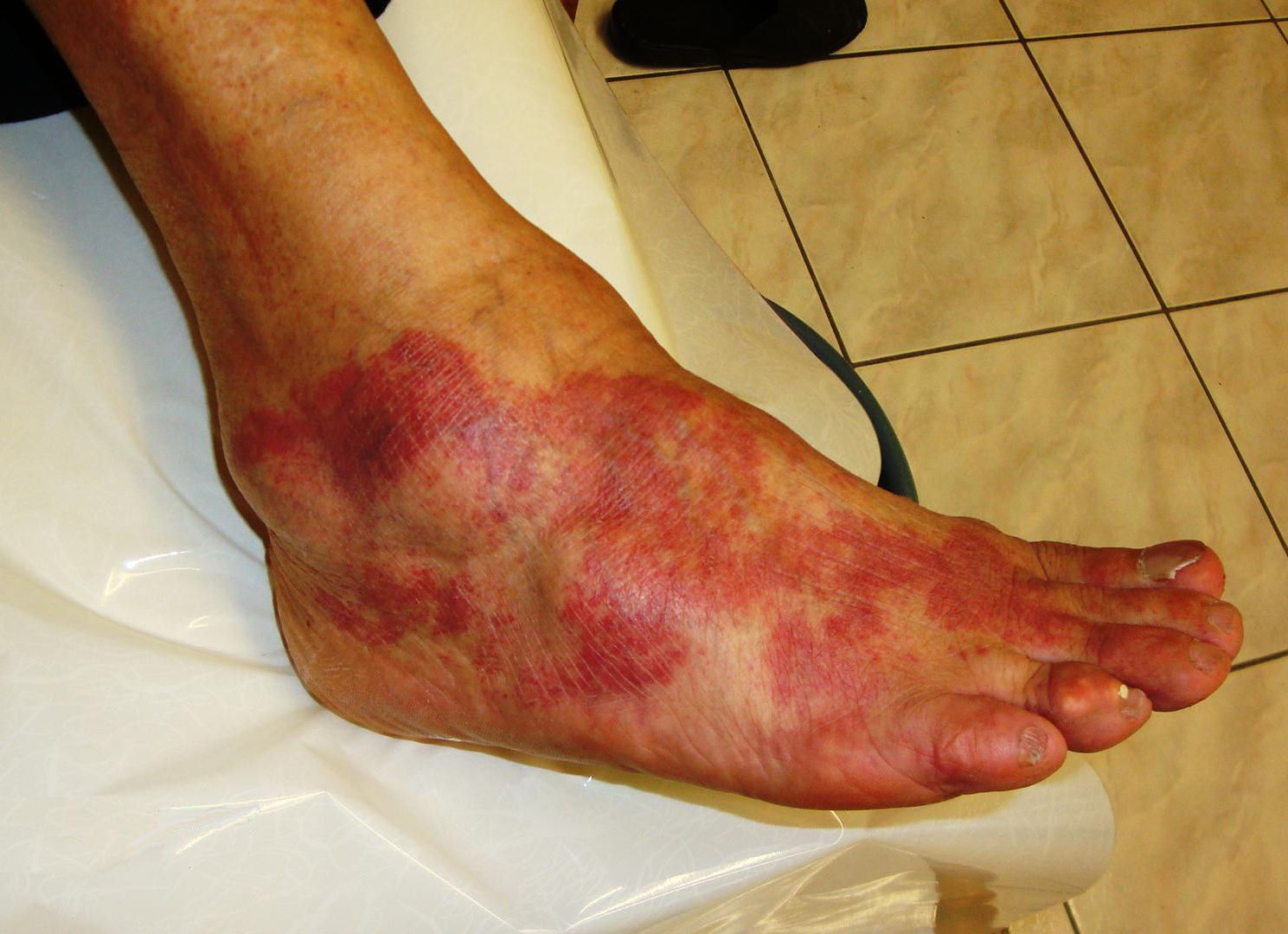
The process of inflammation involves a complex interplay between immune cells, blood vessels, and molecular mediators. When tissue damage or infection occurs, immune cells such as neutrophils and macrophages are activated, releasing chemical signals that attract other immune cells to the site of injury. This leads to the characteristic signs of inflammation, including heat, pain, redness, swelling, and loss of function. The Centers for Disease Control and Prevention provides guidance on the diagnosis and treatment of inflammatory conditions, while the Mayo Clinic offers resources on managing chronic inflammation.
📊 Key Facts & Numbers
Inflammatory responses are characterized by a range of key facts and numbers. For example, the World Health Organization estimates that chronic inflammation affects over 50% of the global population, with significant economic and social burdens. The National Institutes of Health has identified inflammation as a major risk factor for many diseases, including heart disease and stroke. Additionally, research has shown that inflammatory responses can be influenced by various factors, such as diet and nutrition, stress and anxiety, and sleep and exercise. The American Heart Association recommends a balanced diet and regular exercise to reduce the risk of chronic inflammation.
👥 Key People & Organizations
Several key people and organizations have contributed to our understanding of inflammatory responses. Researchers like Dr. Francis Collins and Dr. Anthony Fauci have played important roles in advancing our knowledge of inflammation and its role in various diseases. Organizations such as the National Institutes of Health and the World Health Organization have dedicated significant resources to studying inflammation and developing effective treatments. The Arthritis Foundation provides support and resources for individuals affected by inflammatory conditions like arthritis.
🌍 Cultural Impact & Influence
Inflammatory responses have had a significant cultural impact and influence on society. The concept of inflammation has been depicted in art and literature throughout history, with examples ranging from ancient Greek mythology to modern-day films and novels. Additionally, inflammatory responses have been the subject of numerous scientific and medical breakthroughs, with significant implications for public health and healthcare policy. The CDC Foundation works to promote public awareness and education about inflammatory conditions, while the patient advocacy groups provide support and resources for individuals affected by these conditions.
⚡ Current State & Latest Developments
The current state of inflammatory responses is rapidly evolving, with new research and developments emerging regularly. Recent studies have highlighted the importance of gut microbiome and epigenetics in inflammatory responses, while advances in immunotherapy and gene therapy offer promising new treatments for inflammatory diseases. The Food and Drug Administration regulates the development and approval of new treatments for inflammatory conditions, while the National Cancer Institute supports research on the role of inflammation in cancer development and progression.
🤔 Controversies & Debates
Despite the progress made in understanding inflammatory responses, there are still several controversies and debates in the field. Some researchers argue that chronic inflammation is a major driver of aging and age-related diseases, while others propose that inflammation is a necessary response to tissue damage and infection. Additionally, there is ongoing debate about the role of inflammation in cancer and the potential benefits and risks of anti-inflammatory therapies. The American Cancer Society provides information and resources on the relationship between inflammation and cancer.
🔮 Future Outlook & Predictions
Looking to the future, researchers predict that our understanding of inflammatory responses will continue to evolve and improve. New technologies and approaches, such as single-cell analysis and artificial intelligence, are expected to revolutionize the field and enable the development of more effective treatments for inflammatory diseases. The National Science Foundation supports research on the development of new technologies and approaches for studying inflammatory responses, while the pharmaceutical industry invests in the development of new treatments and therapies.
💡 Practical Applications
Inflammatory responses have numerous practical applications in medicine and healthcare. For example, understanding the role of inflammation in wound healing can inform the development of more effective treatments for wounds and injuries. Additionally, recognizing the importance of inflammation in mental health can help healthcare professionals develop more comprehensive treatment plans for patients with mental health conditions. The American Psychiatric Association provides guidance on the diagnosis and treatment of mental health conditions related to inflammation.
Key Facts
- Year
- 2022
- Origin
- Ancient civilizations
- Category
- chronic-conditions
- Type
- concept
Frequently Asked Questions
What is inflammation?
Inflammation is a complex biological response to tissue damage or infection, characterized by heat, pain, redness, swelling, and loss of function. According to the Centers for Disease Control and Prevention, inflammation is a natural response to injury or infection, but chronic inflammation can lead to tissue damage and contribute to various diseases.
What are the causes of inflammation?
Inflammation can be caused by a wide range of stimuli, including physical trauma, pathogens, toxins, and autoimmunity. The World Health Organization estimates that chronic inflammation affects over 50% of the global population, with significant economic and social burdens.
How can inflammation be treated?
Inflammation can be treated with a range of therapies, including anti-inflammatory medications, immunotherapies, and lifestyle modifications such as diet and exercise. The Mayo Clinic recommends a balanced diet and regular exercise to reduce the risk of chronic inflammation.
What is the relationship between inflammation and cancer?
Inflammation has been linked to the development and progression of cancer, with chronic inflammation contributing to the growth and spread of tumors. The National Cancer Institute supports research on the role of inflammation in cancer development and progression.
Can inflammation be prevented?
While some cases of inflammation may not be preventable, lifestyle modifications such as a healthy diet, regular exercise, and stress management can help reduce the risk of chronic inflammation. The American Heart Association recommends a balanced diet and regular exercise to reduce the risk of chronic inflammation.
What are the consequences of chronic inflammation?
Chronic inflammation can lead to tissue damage and contribute to various diseases, including cardiovascular disease, diabetes, and cancer. The Centers for Disease Control and Prevention provides guidance on the diagnosis and treatment of chronic inflammatory conditions.
How does inflammation affect mental health?
Inflammation has been linked to various mental health conditions, including depression and anxiety. The American Psychiatric Association provides guidance on the diagnosis and treatment of mental health conditions related to inflammation.