
Contents
- 🌎 Introduction to Indigenous Peoples of the Americas
- 🏞️ Geographic Distribution and Population
- 📚 Pre-Columbian History and Culture
- 🌈 Diversity of Indigenous Cultures
- 🕊️ Impact of Colonization and European Settlement
- 🏛️ Indigenous Rights and Self-Governance
- 📊 Demographics and Socioeconomic Status
- 🌟 Notable Indigenous Leaders and Activists
- 🌍 International Recognition and Cooperation
- 📚 Preservation of Indigenous Languages and Cultures
- Frequently Asked Questions
- Related Topics
Overview
The history of indigenous peoples in the Americas is a rich and complex tapestry, spanning over 15,000 years, with more than 1,000 distinct cultures and languages. From the Inca Empire in South America to the Native American tribes of North America, these communities have faced colonization, forced assimilation, and genocide, resulting in a significant loss of population, culture, and land. Today, there are approximately 60 million indigenous people in the Americas, with many still fighting for their rights, lands, and cultural preservation. The legacy of historical trauma and ongoing marginalization continues to impact the lives of indigenous peoples, with issues such as poverty, poor healthcare, and limited access to education. Despite these challenges, indigenous communities are working to revitalize their languages, cultures, and traditional practices, and are increasingly demanding recognition and respect from governments and society at large. As of 2020, the United Nations reported that indigenous peoples account for 5% of the global population, but 15% of the world's poorest people, highlighting the need for urgent action to address these disparities.
🌎 Introduction to Indigenous Peoples of the Americas
The Indigenous peoples of the Americas are the native inhabitants of the Western Hemisphere, with ancestors dating back to the pre-Columbian era. They can be found throughout the Americas, from the northernmost parts of Canada to the southernmost parts of Chile. The history and culture of Indigenous peoples are rich and diverse, with over 1,000 distinct languages spoken across the region. For example, the Inca Empire was a powerful and advanced civilization that flourished in the Andean region. In contrast, the Native American tribes of North America were often organized into smaller, more decentralized groups. The Indigenous peoples of Canada have a unique history and culture that is distinct from their American counterparts.
🏞️ Geographic Distribution and Population
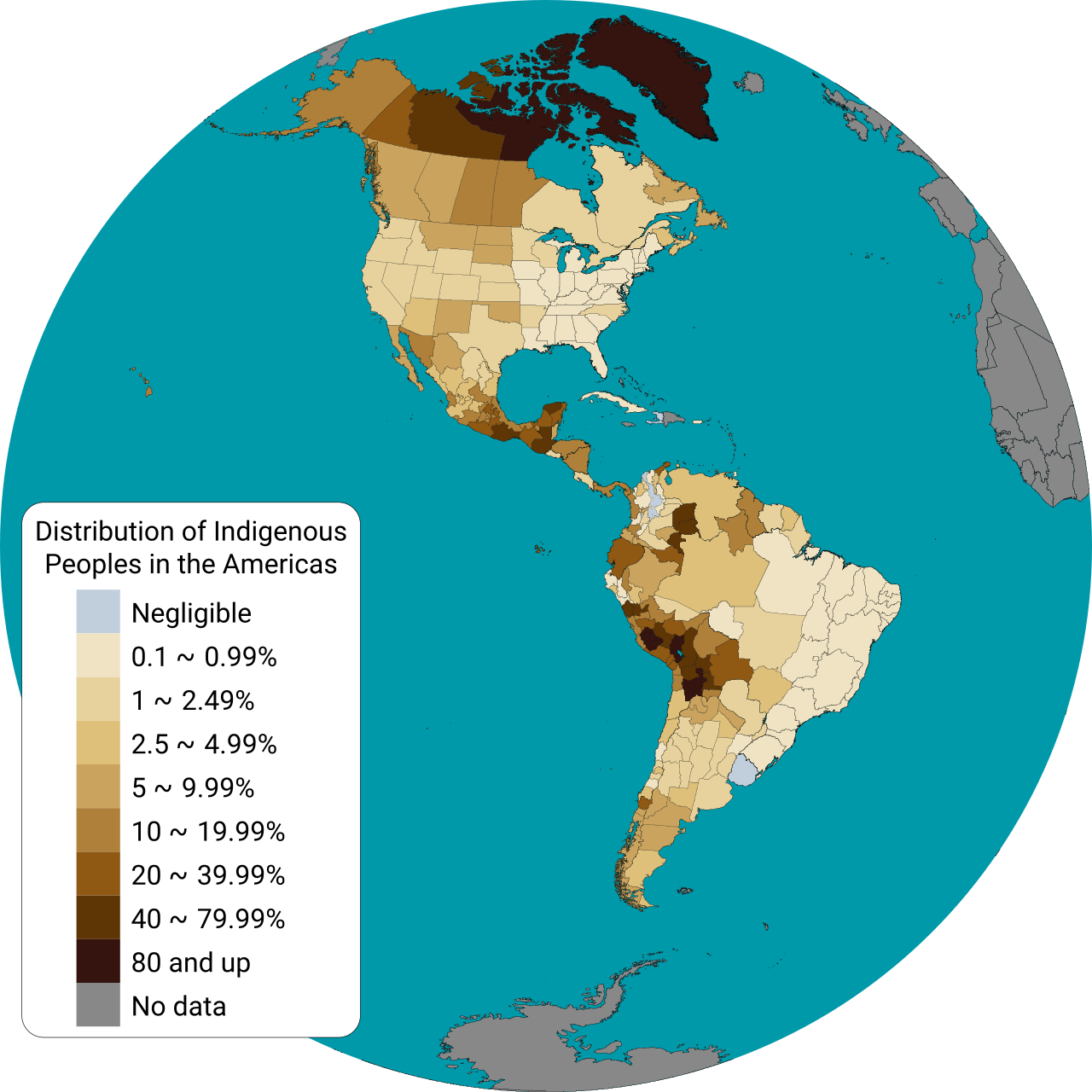
Indigenous peoples live in a wide range of environments, from the frozen tundra of the Arctic to the dense rainforests of the Amazon. They can be found in urban and rural areas, and are often concentrated in specific regions or communities. For instance, the Inuit people are native to the Arctic regions of Canada, Alaska, and Greenland, while the Maya civilization was located in the southeastern regions of Mexico, Guatemala, and Belize. The Aztec civilization was located in central Mexico, and was known for its advanced knowledge of astronomy and mathematics. The Indigenous peoples of Brazil are diverse and widespread, with many different languages and cultures represented.
📚 Pre-Columbian History and Culture
The pre-Columbian history of Indigenous peoples is a rich and complex topic, with many different cultures and civilizations rising and falling over time. The Mississippian culture was a pre-Columbian culture that flourished in the eastern regions of North America, while the Toltec civilization was a powerful and advanced civilization that flourished in central Mexico. The Olmec civilization is considered one of the oldest and most influential civilizations in Mesoamerica, and is known for its advanced knowledge of astronomy and mathematics. The Indigenous peoples of the United States have a complex and often fraught history, with many different tribes and nations interacting and conflicting with one another.
🌈 Diversity of Indigenous Cultures
The diversity of Indigenous cultures is staggering, with over 1,000 distinct languages spoken across the region. From the intricate beadwork of the Native American tribes to the vibrant textiles of the Andean region, each culture has its own unique traditions and customs. The Inca Empire was known for its advanced road network and agricultural systems, while the Maya civilization was known for its advanced knowledge of astronomy and mathematics. The Indigenous peoples of Canada have a unique culture that is distinct from their American counterparts, with many different languages and traditions represented. The Indigenous peoples of Brazil are also diverse and widespread, with many different languages and cultures represented.
🕊️ Impact of Colonization and European Settlement
The impact of colonization and European settlement on Indigenous peoples has been profound and far-reaching. Many Indigenous communities were devastated by the introduction of European diseases, to which they had no immunity. The Spanish conquest of the Aztec and Inca empires had a profound impact on the Indigenous peoples of the region, leading to the loss of land, culture, and identity. The Native American tribes of North America were often forced to relocate to reservations, where they were subject to poverty, poor living conditions, and limited access to education and healthcare. The Indigenous peoples of Canada have also experienced significant challenges and injustices, including the forced assimilation of Indigenous children in residential schools.
🏛️ Indigenous Rights and Self-Governance
Indigenous rights and self-governance are critical issues for many Indigenous communities. The United Nations Declaration on the Rights of Indigenous Peoples recognizes the rights of Indigenous peoples to self-determination, land, and culture. The Native American tribes of North America have established their own governments and institutions, and are working to revitalize their languages and cultures. The Indigenous peoples of Canada are also working to establish their own governments and institutions, and are seeking greater recognition and respect for their rights and title to their lands. The Indigenous peoples of Brazil are also seeking greater recognition and respect for their rights and title to their lands.
📊 Demographics and Socioeconomic Status
The demographics and socioeconomic status of Indigenous peoples vary widely across the region. In some countries, such as Bolivia and Guatemala, Indigenous peoples make up a majority of the population. In other countries, such as the United States and Canada, Indigenous peoples are a minority. The Indigenous peoples of the United States have a complex and often fraught history, with many different tribes and nations interacting and conflicting with one another. The Indigenous peoples of Canada have a unique history and culture that is distinct from their American counterparts, with many different languages and traditions represented. The Indigenous peoples of Brazil are diverse and widespread, with many different languages and cultures represented.
🌟 Notable Indigenous Leaders and Activists
There are many notable Indigenous leaders and activists who have worked to promote the rights and interests of Indigenous peoples. The American Indian Movement was a prominent activist organization that emerged in the 1960s and 1970s, and worked to promote the rights and interests of Native American tribes. The Indigenous peoples of Canada have also produced many notable leaders and activists, including Cindy Blackstock, who has worked to promote the rights and interests of Indigenous children. The Indigenous peoples of Brazil have also produced many notable leaders and activists, who are working to promote the rights and interests of Indigenous peoples in Brazil.
🌍 International Recognition and Cooperation
International recognition and cooperation are critical for the promotion and protection of Indigenous rights. The United Nations has recognized the rights of Indigenous peoples through the United Nations Declaration on the Rights of Indigenous Peoples. The Organization of American States has also recognized the rights of Indigenous peoples, and has established a number of mechanisms for promoting and protecting their rights. The Indigenous peoples of the Americas are working to establish greater recognition and respect for their rights and title to their lands, and are seeking greater cooperation and support from governments and international organizations.
📚 Preservation of Indigenous Languages and Cultures
The preservation of Indigenous languages and cultures is a critical issue for many Indigenous communities. The Indigenous languages of the Americas are incredibly diverse, with over 1,000 distinct languages spoken across the region. The Indigenous peoples of Canada are working to revitalize their languages and cultures, and are establishing language and cultural programs to promote and preserve their heritage. The Indigenous peoples of Brazil are also working to preserve their languages and cultures, and are seeking greater recognition and respect for their rights and title to their lands.
Key Facts
- Year
- 1492
- Origin
- The Americas
- Category
- History and Culture
- Type
- Ethnic Group
Frequently Asked Questions
What is the definition of Indigenous peoples?
The Indigenous peoples of the Americas are the native inhabitants of the Western Hemisphere, with ancestors dating back to the pre-Columbian era. They can be found throughout the Americas, from the northernmost parts of Canada to the southernmost parts of Chile. The history and culture of Indigenous peoples are rich and diverse, with over 1,000 distinct languages spoken across the region. For example, the Inca Empire was a powerful and advanced civilization that flourished in the Andean region. The Native American tribes of North America were often organized into smaller, more decentralized groups.
What is the impact of colonization on Indigenous peoples?
The impact of colonization and European settlement on Indigenous peoples has been profound and far-reaching. Many Indigenous communities were devastated by the introduction of European diseases, to which they had no immunity. The Spanish conquest of the Aztec and Inca empires had a profound impact on the Indigenous peoples of the region, leading to the loss of land, culture, and identity. The Native American tribes of North America were often forced to relocate to reservations, where they were subject to poverty, poor living conditions, and limited access to education and healthcare.
What are the rights of Indigenous peoples?
The rights of Indigenous peoples are recognized by the United Nations through the United Nations Declaration on the Rights of Indigenous Peoples. This declaration recognizes the rights of Indigenous peoples to self-determination, land, and culture. The Native American tribes of North America have established their own governments and institutions, and are working to revitalize their languages and cultures. The Indigenous peoples of Canada are also working to establish their own governments and institutions, and are seeking greater recognition and respect for their rights and title to their lands.
How can I learn more about Indigenous cultures?
There are many ways to learn more about Indigenous cultures, including reading books and articles, attending cultural events and festivals, and visiting Indigenous communities. The Indigenous peoples of Canada have a unique culture that is distinct from their American counterparts, with many different languages and traditions represented. The Indigenous peoples of Brazil are also diverse and widespread, with many different languages and cultures represented. You can also learn more about Indigenous cultures by visiting the National Museum of the American Indian or the Canadian Museum of History.
What is the current state of Indigenous languages?
The current state of Indigenous languages is a critical issue for many Indigenous communities. The Indigenous languages of the Americas are incredibly diverse, with over 1,000 distinct languages spoken across the region. However, many of these languages are at risk of disappearing, as younger generations are not learning them. The Indigenous peoples of Canada are working to revitalize their languages and cultures, and are establishing language and cultural programs to promote and preserve their heritage. The Indigenous peoples of Brazil are also working to preserve their languages and cultures, and are seeking greater recognition and respect for their rights and title to their lands.
How can I support Indigenous peoples?
There are many ways to support Indigenous peoples, including learning about their history and culture, attending cultural events and festivals, and advocating for their rights and interests. You can also support Indigenous-owned businesses and organizations, and donate to charities that work to promote and protect Indigenous rights. The Indigenous peoples of Canada are working to establish greater recognition and respect for their rights and title to their lands, and are seeking greater cooperation and support from governments and international organizations. The Indigenous peoples of Brazil are also seeking greater recognition and respect for their rights and title to their lands.
What is the role of the United Nations in promoting Indigenous rights?
The United Nations plays a critical role in promoting and protecting Indigenous rights. The United Nations Declaration on the Rights of Indigenous Peoples recognizes the rights of Indigenous peoples to self-determination, land, and culture. The United Nations also provides a platform for Indigenous peoples to advocate for their rights and interests, and works to promote and protect their rights through various mechanisms and programs. The Indigenous peoples of the Americas are working to establish greater recognition and respect for their rights and title to their lands, and are seeking greater cooperation and support from governments and international organizations.