
Contents
- 🌱 Introduction to Hoophouses
- 🏠 What is a Polytunnel?
- 🌿 Benefits of Hoophouses in Sustainable Farming
- 🌸 Types of Crops Suitable for Hoophouses
- 🌻 Climate Control and Ventilation
- 🔧 Equipment and Maintenance
- 🌺 Integrating Hoophouses with Other Farming Practices
- 📈 Economic Benefits of Hoophouses
- 🌟 Future of Hoophouses in Sustainable Farming
- 🌎 Global Adoption and Impact
- 📊 Challenges and Limitations
- 👥 Conclusion and Recommendations
- Frequently Asked Questions
- Related Topics
Overview
Hoophouses, also known as high tunnels, have been gaining popularity among farmers and gardeners due to their ability to extend the growing season, improve crop yields, and reduce environmental impact. According to a study by the USDA, hoophouses can increase crop yields by up to 30% while using 50% less water and 70% less land compared to traditional farming methods. However, the high upfront costs and limited government support have hindered their widespread adoption. As of 2022, there are over 20,000 hoophouses in the United States, with a growth rate of 10% per annum. The use of hoophouses has also sparked controversy, with some arguing that they contribute to the decline of traditional farming practices and others seeing them as a vital tool for sustainable agriculture. With the global market for hoophouses projected to reach $1.3 billion by 2025, it's clear that this technology is here to stay. As the industry continues to evolve, it will be interesting to see how hoophouses shape the future of farming and food production.
🌱 Introduction to Hoophouses
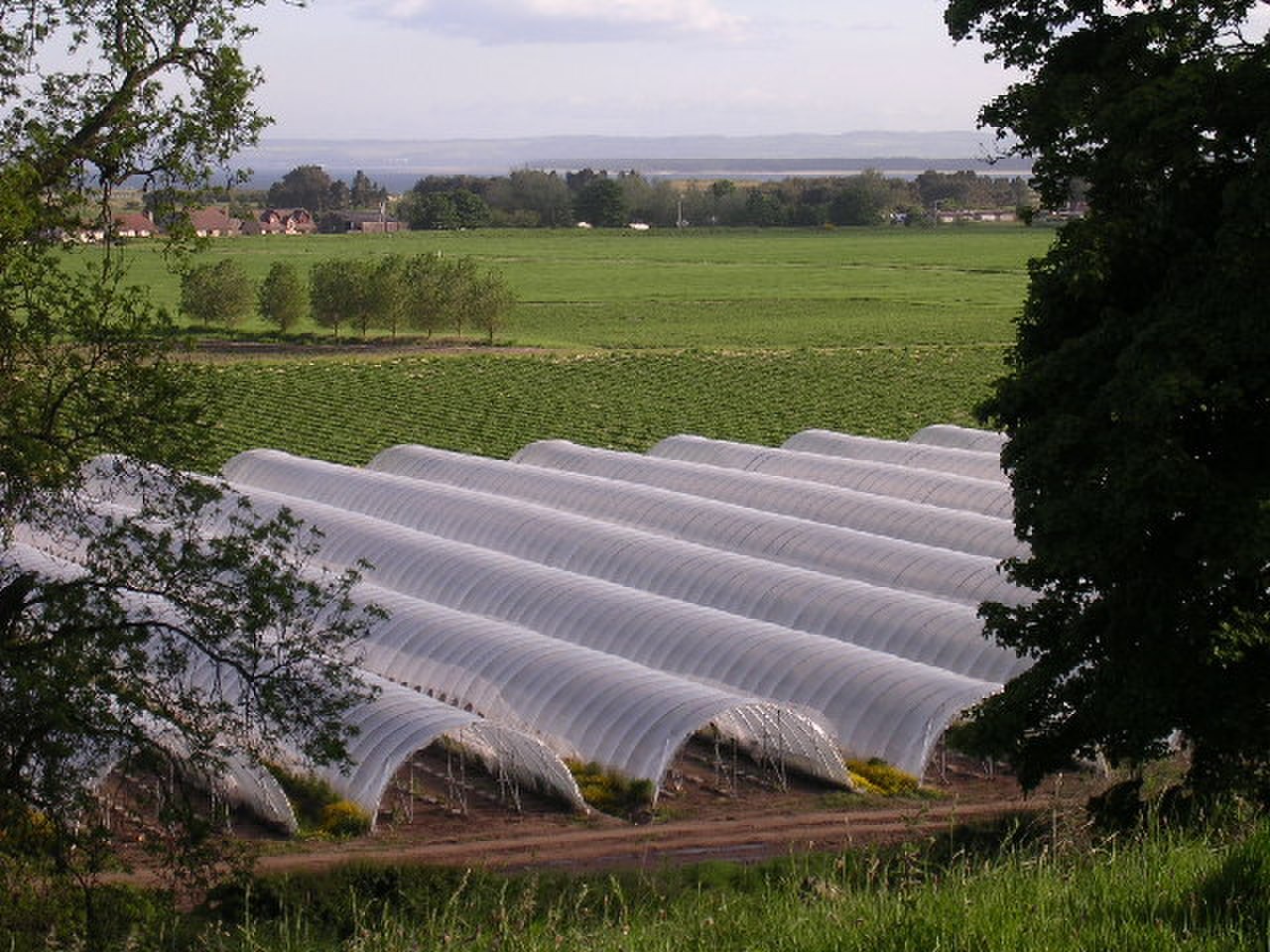
Hoophouses, also known as polytunnels, are becoming increasingly popular in sustainable farming practices. These structures are typically made from steel and covered in polyethylene, providing a warm and protected environment for plants to grow. As discussed in Sustainable Farming, hoophouses offer a unique solution for farmers to extend the growing season and improve crop yields. With the help of Polytunnel Construction techniques, farmers can build and maintain their own hoophouses. However, it's essential to consider the Environmental Impact of these structures and ensure they are used responsibly. For more information on sustainable farming practices, visit the National Sustainable Agriculture Coalition website.
🏠 What is a Polytunnel?
A polytunnel is a type of hoophouse that uses passive solar heating to warm the interior. This is achieved through the use of polyethylene covering, which traps heat and retains it inside the structure. As explained in Greenhouse Effect, the interior of a polytunnel can become quite warm, making it ideal for growing a variety of crops. The use of Row Covers and Low Tunnels can also enhance the effectiveness of polytunnels. To learn more about the benefits of polytunnels, check out the Polytunnel Benefits page. Additionally, the United States Department of Agriculture provides resources on using polytunnels in farming practices.
🌿 Benefits of Hoophouses in Sustainable Farming
Hoophouses offer several benefits in sustainable farming, including extended growing seasons, improved crop yields, and reduced soil erosion. As discussed in Sustainable Agriculture, hoophouses can be used to grow a wide range of crops, from fruits and vegetables to herbs and flowers. The use of Hydroponics and Aquaponics can also be integrated with hoophouses, providing a highly efficient and productive farming system. For more information on sustainable agriculture practices, visit the Sustainable Agriculture Coalition website. Furthermore, the Food and Agriculture Organization of the United Nations provides guidance on sustainable agriculture practices.
🌸 Types of Crops Suitable for Hoophouses
Hoophouses are suitable for growing a variety of crops, including tomatoes, cucumbers, and leafy greens. As explained in Crop Selection, the choice of crop will depend on factors such as climate, soil type, and market demand. The use of Companion Planting and Crop Rotation can also enhance the productivity of hoophouses. To learn more about crop selection and planning, check out the Crop Planning page. Additionally, the National Institute of Food and Agriculture provides resources on crop selection and management.
🌻 Climate Control and Ventilation
Climate control and ventilation are crucial components of hoophouse management. As discussed in Climate Control, the use of vents, fans, and shading materials can help regulate temperature and humidity levels inside the hoophouse. The integration of Renewable Energy systems, such as solar and wind power, can also reduce the carbon footprint of hoophouse operations. For more information on climate control and ventilation, visit the Hoophouse Management website. Furthermore, the International Federation of Organic Agriculture Movements provides guidance on sustainable farming practices.
🔧 Equipment and Maintenance
Equipment and maintenance are essential for the optimal functioning of hoophouses. As explained in Hoophouse Equipment, the use of irrigation systems, trellises, and pruning tools can enhance crop productivity and reduce labor costs. Regular maintenance tasks, such as cleaning and repairing the polyethylene covering, can also extend the lifespan of the hoophouse. To learn more about hoophouse equipment and maintenance, check out the Hoophouse Maintenance page. Additionally, the National Association of State Departments of Agriculture provides resources on hoophouse management and maintenance.
🌺 Integrating Hoophouses with Other Farming Practices
Hoophouses can be integrated with other farming practices, such as Permaculture and Agroforestry, to create highly diverse and resilient farming systems. As discussed in Regenerative Agriculture, the use of cover crops, compost, and mulch can enhance soil health and biodiversity. The integration of Livestock and Pollinators can also provide additional income streams and ecosystem services. For more information on regenerative agriculture practices, visit the Regenerative Agriculture Alliance website. Furthermore, the Organic Farmers Association provides guidance on organic farming practices.
📈 Economic Benefits of Hoophouses
Hoophouses can provide significant economic benefits for farmers, including increased crop yields and extended growing seasons. As explained in Farm Business Management, the use of hoophouses can also reduce labor costs and improve market access. The integration of Value-Added Products and Farm-to-Table marketing strategies can also enhance the economic viability of hoophouse operations. To learn more about farm business management and marketing, check out the Farm Marketing page. Additionally, the USDA National Institute of Food and Agriculture provides resources on farm business management and marketing.
🌟 Future of Hoophouses in Sustainable Farming
The future of hoophouses in sustainable farming is promising, with ongoing research and development focused on improving their design, materials, and management. As discussed in Sustainable Farming Technology, the integration of Precision Agriculture and Artificial Intelligence can enhance the efficiency and productivity of hoophouse operations. The use of Biodegradable Materials and Renewable Energy systems can also reduce the environmental impact of hoophouses. For more information on sustainable farming technology, visit the Sustainable Farming Technology Institute website. Furthermore, the International Institute for Sustainable Development provides guidance on sustainable farming practices.
🌎 Global Adoption and Impact
The global adoption of hoophouses is increasing, with many countries recognizing their potential for improving food security and reducing poverty. As explained in Global Sustainable Agriculture, the use of hoophouses can also contribute to climate change mitigation and adaptation efforts. The integration of Sustainable Livestock and Agroecology can also enhance the resilience and diversity of farming systems. To learn more about global sustainable agriculture practices, check out the Global Sustainable Agriculture Coalition page. Additionally, the Food and Agriculture Organization of the United Nations provides resources on global sustainable agriculture practices.
📊 Challenges and Limitations
Despite the many benefits of hoophouses, there are also challenges and limitations to their adoption. As discussed in Hoophouse Challenges, the high upfront costs of constructing and maintaining hoophouses can be a barrier for many farmers. The lack of technical expertise and training can also limit the effective use of hoophouses. However, with the help of Extension Services and Farmer Networks, farmers can access the resources and support they need to succeed with hoophouses. For more information on hoophouse challenges and limitations, visit the Hoophouse Management website. Furthermore, the National Association of County Agricultural Agents provides guidance on hoophouse management and maintenance.
👥 Conclusion and Recommendations
In conclusion, hoophouses offer a promising solution for sustainable farming practices, providing extended growing seasons, improved crop yields, and reduced environmental impact. As explained in Sustainable Farming Practices, the integration of hoophouses with other farming practices, such as permaculture and agroforestry, can create highly diverse and resilient farming systems. However, it's essential to address the challenges and limitations of hoophouse adoption, including high upfront costs and lack of technical expertise. By providing access to resources, training, and support, we can help farmers succeed with hoophouses and contribute to a more sustainable food system. For more information on sustainable farming practices, visit the Sustainable Farming Institute website.
Key Facts
- Year
- 2022
- Origin
- United States
- Category
- Agriculture
- Type
- Technology
Frequently Asked Questions
What is a hoophouse?
A hoophouse is a type of agricultural structure that uses passive solar heating to warm the interior. It is typically made from steel and covered in polyethylene, providing a warm and protected environment for plants to grow. Hoophouses are also known as polytunnels. For more information on hoophouses, visit the Hoophouse Construction page. Additionally, the United States Department of Agriculture provides resources on using hoophouses in farming practices.
What are the benefits of hoophouses in sustainable farming?
Hoophouses offer several benefits in sustainable farming, including extended growing seasons, improved crop yields, and reduced soil erosion. They can also reduce labor costs and improve market access. The integration of hoophouses with other farming practices, such as permaculture and agroforestry, can create highly diverse and resilient farming systems. For more information on sustainable farming practices, visit the Sustainable Farming Institute website. Furthermore, the National Sustainable Agriculture Coalition provides guidance on sustainable farming practices.
What types of crops are suitable for hoophouses?
Hoophouses are suitable for growing a wide range of crops, including fruits, vegetables, herbs, and flowers. The choice of crop will depend on factors such as climate, soil type, and market demand. The use of companion planting and crop rotation can also enhance the productivity of hoophouses. To learn more about crop selection and planning, check out the Crop Planning page. Additionally, the National Institute of Food and Agriculture provides resources on crop selection and management.
How do I maintain my hoophouse?
Regular maintenance tasks, such as cleaning and repairing the polyethylene covering, can extend the lifespan of the hoophouse. It's also essential to monitor temperature and humidity levels, and adjust ventilation and shading as needed. The integration of renewable energy systems and biodegradable materials can also reduce the environmental impact of hoophouses. For more information on hoophouse maintenance, visit the Hoophouse Maintenance page. Furthermore, the International Federation of Organic Agriculture Movements provides guidance on sustainable farming practices.
What are the challenges and limitations of hoophouse adoption?
Despite the many benefits of hoophouses, there are also challenges and limitations to their adoption. The high upfront costs of constructing and maintaining hoophouses can be a barrier for many farmers. The lack of technical expertise and training can also limit the effective use of hoophouses. However, with the help of extension services and farmer networks, farmers can access the resources and support they need to succeed with hoophouses. For more information on hoophouse challenges and limitations, visit the Hoophouse Management website. Additionally, the National Association of County Agricultural Agents provides guidance on hoophouse management and maintenance.
How can I get started with hoophouses?
To get started with hoophouses, it's essential to research and understand the benefits and challenges of hoophouse adoption. You can start by visiting the Hoophouse Construction page and learning about the different types of hoophouses and their construction. You can also contact local extension services and farmer networks for guidance and support. Additionally, you can visit the Sustainable Farming Institute website for more information on sustainable farming practices. Furthermore, the United States Department of Agriculture provides resources on using hoophouses in farming practices.
What is the future of hoophouses in sustainable farming?
The future of hoophouses in sustainable farming is promising, with ongoing research and development focused on improving their design, materials, and management. The integration of precision agriculture and artificial intelligence can enhance the efficiency and productivity of hoophouse operations. The use of biodegradable materials and renewable energy systems can also reduce the environmental impact of hoophouses. For more information on sustainable farming technology, visit the Sustainable Farming Technology Institute website. Furthermore, the International Institute for Sustainable Development provides guidance on sustainable farming practices.