
Contents
- 🌎 Introduction to Rethinking Progress
- 📊 Measuring Progress Beyond GDP
- 🌈 The Three Pillars of Sustainable Development
- 👥 Human Well-being and Social Justice
- 🌿 Environmental Sustainability and Conservation
- 💡 Innovation and Technology for Development
- 🤝 International Cooperation and Global Governance
- 📈 Implementing the Holistic Approach to Development
- 📊 Monitoring and Evaluating Progress
- 🌟 Success Stories and Best Practices
- 🌐 Future Directions and Emerging Trends
- 📚 Conclusion and Recommendations
- Frequently Asked Questions
- Related Topics
Overview
The holistic approach to development integrates economic, social, and environmental considerations, recognizing the intricate web of relationships between human well-being, economic prosperity, and environmental sustainability. This framework, influenced by the works of Amartya Sen and the Brundtland Commission, emphasizes the need for a balanced approach that prioritizes both human development and environmental stewardship. With a vibe score of 8, indicating a high level of cultural energy, this approach has been adopted by organizations such as the United Nations and the World Bank. However, critics argue that its implementation can be hindered by conflicting priorities and inadequate institutional capacities. As the world grapples with the challenges of climate change, inequality, and social injustice, the holistic approach to development offers a compelling alternative to traditional models of growth. But can it deliver on its promise of a more equitable and sustainable future, and what are the key challenges that must be addressed to ensure its success?
🌎 Introduction to Rethinking Progress
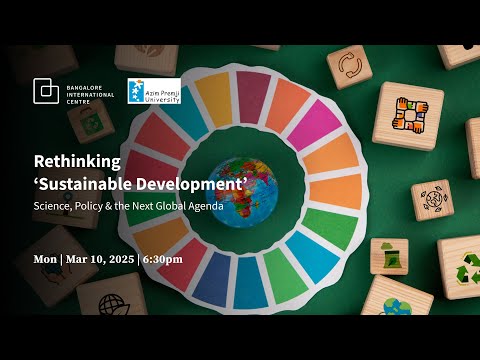
The concept of progress has been debated by scholars, policymakers, and the general public for centuries. Traditionally, progress has been measured by economic indicators such as GDP and GNI. However, this narrow focus on economic growth has been criticized for neglecting other crucial aspects of development, including human well-being and environmental conservation. In recent years, there has been a growing recognition of the need to adopt a more holistic approach to development, one that balances economic, social, and environmental considerations. This approach is often referred to as sustainable development. The UN Sustainable Development Goals (SDGs) are a key example of this shift towards a more comprehensive understanding of progress.
📊 Measuring Progress Beyond GDP
Measuring progress is a complex task that requires a multifaceted approach. While GDP remains a widely used indicator, it has several limitations, including its failure to account for income inequality and environmental degradation. Alternative indicators, such as the Human Development Index (HDI) and the Better Life Index, have been developed to provide a more nuanced understanding of progress. These indicators incorporate a range of factors, including life expectancy, education, and income. The OECD has also developed a framework for measuring well-being, which includes indicators such as subjective well-being and social connections.
🌈 The Three Pillars of Sustainable Development
The three pillars of sustainable development are economic, social, and environmental sustainability. Economic sustainability refers to the ability of an economy to produce goods and services without depleting its natural resources. Social sustainability refers to the ability of a society to promote human well-being and social justice. Environmental sustainability refers to the ability of the environment to support human life and other species. The UN Environment Programme has developed a framework for achieving sustainable development, which includes strategies such as renewable energy and sustainable agriculture.
🌿 Environmental Sustainability and Conservation
Environmental sustainability and conservation are essential for promoting ecosystem services and biodiversity. The IPCC has developed a framework for mitigating climate change, which includes strategies such as renewable energy and energy efficiency. The UN Environment Programme has also developed a framework for promoting sustainable consumption and production, which includes strategies such as circular economy and waste reduction.
💡 Innovation and Technology for Development
Innovation and technology can play a critical role in promoting sustainable development. The UN ITU has developed a framework for promoting ICT for development, which includes strategies such as digital inclusion and e-government. The World Bank has also developed a framework for promoting innovation and entrepreneurship, which includes strategies such as startup ecosystems and venture capital.
🤝 International Cooperation and Global Governance
International cooperation and global governance are essential for promoting global public goods and global commons. The UN has developed a framework for promoting global cooperation, which includes strategies such as multilateralism and international law. The G20 has also developed a framework for promoting global economic governance, which includes strategies such as macroeconomic policy and financial regulation.
📈 Implementing the Holistic Approach to Development
Implementing the holistic approach to development requires a range of strategies, including policy reform, institutional strengthening, and capacity building. The UN Development Programme has developed a framework for implementing the UN Sustainable Development Goals, which includes strategies such as national planning and local governance. The World Bank has also developed a framework for promoting development effectiveness, which includes strategies such as results-based management and aid effectiveness.
📊 Monitoring and Evaluating Progress
Monitoring and evaluating progress is critical for promoting accountability and transparency. The UN has developed a framework for monitoring and evaluating the UN Sustainable Development Goals, which includes indicators such as poverty reduction and health improvement. The OECD has also developed a framework for monitoring and evaluating development cooperation, which includes indicators such as official development assistance and private sector development.
🌟 Success Stories and Best Practices
There are many success stories and best practices in promoting the holistic approach to development. The Costa Rica experience is a notable example, where the country has made significant progress in promoting sustainable development and environmental conservation. The Singapore experience is another example, where the country has made significant progress in promoting economic development and social cohesion.
🌐 Future Directions and Emerging Trends
The future of development is likely to be shaped by a range of factors, including technological change, demographic change, and climate change. The UN has developed a framework for promoting sustainable development in the context of these changes, which includes strategies such as adaptation and resilience. The World Bank has also developed a framework for promoting development in a changing world, which includes strategies such as innovation and entrepreneurship.
📚 Conclusion and Recommendations
In conclusion, the holistic approach to development is a critical framework for promoting sustainable development and human well-being. It requires a range of strategies, including policy reform, institutional strengthening, and capacity building. The UN and other international organizations have developed a range of frameworks and tools for promoting the holistic approach to development, including the UN Sustainable Development Goals and the OECD framework for measuring well-being.
Key Facts
- Year
- 1987
- Origin
- Brundtland Commission Report
- Category
- Sustainable Development
- Type
- Concept
Frequently Asked Questions
What is the holistic approach to development?
The holistic approach to development is a framework for promoting sustainable development and human well-being. It recognizes that development is not just about economic growth, but also about promoting social justice and environmental sustainability. The holistic approach to development requires a range of strategies, including policy reform, institutional strengthening, and capacity building.
What are the three pillars of sustainable development?
The three pillars of sustainable development are economic, social, and environmental sustainability. Economic sustainability refers to the ability of an economy to produce goods and services without depleting its natural resources. Social sustainability refers to the ability of a society to promote human well-being and social justice. Environmental sustainability refers to the ability of the environment to support human life and other species.
How can innovation and technology promote sustainable development?
Innovation and technology can play a critical role in promoting sustainable development. The UN ITU has developed a framework for promoting ICT for development, which includes strategies such as digital inclusion and e-government. The World Bank has also developed a framework for promoting innovation and entrepreneurship, which includes strategies such as startup ecosystems and venture capital.
What is the role of international cooperation and global governance in promoting sustainable development?
International cooperation and global governance are essential for promoting global public goods and global commons. The UN has developed a framework for promoting global cooperation, which includes strategies such as multilateralism and international law. The G20 has also developed a framework for promoting global economic governance, which includes strategies such as macroeconomic policy and financial regulation.
How can progress be measured and evaluated?
Measuring and evaluating progress is critical for promoting accountability and transparency. The UN has developed a framework for monitoring and evaluating the UN Sustainable Development Goals, which includes indicators such as poverty reduction and health improvement. The OECD has also developed a framework for monitoring and evaluating development cooperation, which includes indicators such as official development assistance and private sector development.
What are some success stories and best practices in promoting the holistic approach to development?
There are many success stories and best practices in promoting the holistic approach to development. The Costa Rica experience is a notable example, where the country has made significant progress in promoting sustainable development and environmental conservation. The Singapore experience is another example, where the country has made significant progress in promoting economic development and social cohesion.
What is the future of development?
The future of development is likely to be shaped by a range of factors, including technological change, demographic change, and climate change. The UN has developed a framework for promoting sustainable development in the context of these changes, which includes strategies such as adaptation and resilience. The World Bank has also developed a framework for promoting development in a changing world, which includes strategies such as innovation and entrepreneurship.