
Contents
- 🏯 Introduction to Liturgy
- 📜 Early Christian Liturgy
- 🕊️ The Middle Ages: Development and Standardization
- 🔥 The Reformation and Its Impact on Liturgy
- 🌎 Globalization and Ecumenism in Modern Liturgy
- 📊 The Role of Technology in Shaping Liturgical Practices
- 👥 The Influence of Cultural and Social Contexts on Liturgy
- 🕯️ Contemporary Issues and Debates in Liturgy
- 📚 The Future of Liturgy: Trends and Projections
- 👾 Interfaith Dialogue and Liturgical Exchange
- 🌈 Diversity and Inclusion in Liturgical Practices
- 📝 Conclusion: The Ever-Evolving Nature of Liturgy
- Frequently Asked Questions
- Related Topics
Overview
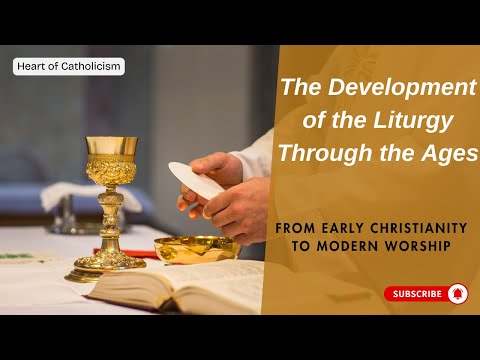
The history of liturgy is a rich and complex narrative that spans centuries, continents, and cultures. From the early Christian Church to modern-day practices, liturgy has evolved significantly, influenced by theological debates, cultural exchange, and societal shifts. The Council of Trent (1545-1563) marked a significant turning point in the development of Catholic liturgy, while the Protestant Reformation (1517-1648) led to the creation of new liturgical traditions. The 20th century saw a resurgence of interest in liturgical reform, with the Second Vatican Council (1962-1965) introducing significant changes to Catholic worship. Today, liturgy continues to adapt to the needs of diverse communities, with many churches incorporating elements of local culture and tradition into their worship practices. As we look to the future, it is clear that the history of liturgy will remain a vital and dynamic field of study, with ongoing debates about the role of tradition, innovation, and inclusivity in shaping the worship practices of tomorrow.
🏯 Introduction to Liturgy
The evolution of liturgy is a complex and multifaceted topic that spans centuries and continents. From its roots in ancient Jewish worship to its modern-day expressions, liturgy has played a central role in the spiritual lives of individuals and communities. This article will explore the historical development of liturgy, from its early beginnings to its current forms. For a deeper understanding of the subject, it is essential to examine the History of Christianity and its impact on Liturgical Studies. The Council of Nicaea and the Council of Constantinople also played significant roles in shaping the early Christian liturgy.
📜 Early Christian Liturgy
Early Christian liturgy was characterized by its simplicity and spontaneity. The Early Christian Church drew heavily from Jewish worship traditions, incorporating elements such as the Psalms and the Lord's Prayer. As the Church grew and spread, liturgical practices became more formalized and standardized. The Apostolic Fathers, such as Ignatius of Antioch and Polycarp of Smyrna, played important roles in shaping the early Christian liturgy. For further insight, see the Development of the New Testament and the Formation of the Christian Bible.
🕊️ The Middle Ages: Development and Standardization
During the Middle Ages, liturgy underwent significant developments and standardization. The Catholic Church established a unified liturgical calendar, and the Mass became the central act of worship. The Eastern Orthodox Church also developed its own distinct liturgical traditions, such as the Divine Liturgy of St. John Chrysostom. The Crusades and the Black Death had profound impacts on the development of liturgy during this period. To better understand the complexities of medieval liturgy, explore the History of the Catholic Church and the Byzantine Empire.
🔥 The Reformation and Its Impact on Liturgy
The Reformation had a profound impact on liturgy, as Protestant reformers sought to simplify and purify worship practices. The Protestant Reformation led to the development of new liturgical forms, such as the Book of Common Prayer. The Lutheran Church and the Calvinist Church also developed distinct liturgical traditions. For a deeper understanding of the Reformation's impact on liturgy, examine the Theology of Martin Luther and the Influence of John Calvin. The Counter-Reformation also played a significant role in shaping Catholic liturgy during this period.
🌎 Globalization and Ecumenism in Modern Liturgy
In modern times, liturgy has become increasingly globalized and ecumenical. The Second Vatican Council led to significant reforms in Catholic liturgy, and the Ecumenical Movement has facilitated greater cooperation and understanding between different Christian denominations. The World Council of Churches has also played a key role in promoting ecumenical dialogue and cooperation. To better understand the complexities of modern liturgy, explore the History of Ecumenism and the Globalization of Christianity. The Interfaith Dialogue movement has also had a significant impact on liturgical practices.
📊 The Role of Technology in Shaping Liturgical Practices
Technology has also had a profound impact on liturgical practices, from the use of Digital Hymnals to the live-streaming of worship services. The Internet has enabled greater access to liturgical resources and has facilitated the creation of online worship communities. For a deeper understanding of the role of technology in shaping liturgy, examine the Impact of Technology on Worship and the Future of Liturgy. The Social Media platform has also become an essential tool for liturgical leaders to connect with their communities.
🕯️ Contemporary Issues and Debates in Liturgy
Contemporary issues and debates in liturgy include the role of Women in Liturgy, the use of Inclusive Language, and the Environmental Impact of Liturgy. The Liturgical Renewal movement has also been a significant theme in modern liturgy, as churches seek to revitalize and renew their worship practices. For a deeper understanding of these issues, examine the Feminist Theology and the Eco-Theology perspectives. The Social Justice movement has also had a significant impact on liturgical practices.
📚 The Future of Liturgy: Trends and Projections
As we look to the future of liturgy, it is clear that it will continue to evolve and adapt to the needs of changing communities. The Postmodernism movement has had a significant impact on liturgical practices, and the Emerging Church movement has sought to create new and innovative forms of worship. For a deeper understanding of these trends, explore the Future of Christianity and the Trends in Liturgy. The Globalization of Liturgy will also continue to shape the future of worship practices.
👾 Interfaith Dialogue and Liturgical Exchange
Interfaith dialogue and liturgical exchange have become increasingly important in modern times, as churches seek to build bridges with other faith communities. The Interfaith Movement has facilitated greater understanding and cooperation between different religious traditions. For a deeper understanding of the complexities of interfaith dialogue, examine the Theology of Interfaith Dialogue and the Practical Applications of Interfaith Dialogue. The Dialogue between Christianity and Islam has been a significant theme in modern interfaith dialogue.
🌈 Diversity and Inclusion in Liturgical Practices
Diversity and inclusion have become essential themes in modern liturgy, as churches seek to create worship practices that are welcoming and inclusive of all people. The Inclusive Liturgy movement has sought to create worship practices that are sensitive to the needs of diverse communities. For a deeper understanding of the complexities of inclusive liturgy, explore the Theology of Inclusion and the Practical Applications of Inclusive Liturgy. The Multicultural Liturgy has also become an essential theme in modern liturgy.
📝 Conclusion: The Ever-Evolving Nature of Liturgy
In conclusion, the evolution of liturgy is a complex and multifaceted topic that reflects the changing needs and contexts of Christian communities. As we look to the future, it is clear that liturgy will continue to evolve and adapt to the needs of a rapidly changing world. For a deeper understanding of the future of liturgy, examine the Future of Liturgy and the Trends in Liturgy. The Globalization of Liturgy will also continue to shape the future of worship practices.
Key Facts
- Year
- 1545
- Origin
- Early Christian Church
- Category
- History of Religion
- Type
- Historical Concept
Frequently Asked Questions
What is the origin of the word 'liturgy'?
The word 'liturgy' comes from the Greek word 'leitourgia', which means 'public work' or 'public service'. In the context of Christian worship, liturgy refers to the public worship of the Church, including the sacraments, prayers, and other rituals. For a deeper understanding of the origins of liturgy, explore the History of Liturgy and the Development of Christian Worship. The Early Christian Church played a significant role in shaping the early Christian liturgy.
What is the difference between 'liturgy' and 'worship'?
While the terms 'liturgy' and 'worship' are often used interchangeably, they have distinct meanings. Liturgy refers specifically to the public worship of the Church, including the sacraments, prayers, and other rituals. Worship, on the other hand, is a broader term that encompasses the entire range of human responses to God, including private devotion, prayer, and service. For a deeper understanding of the distinction between liturgy and worship, examine the Theology of Worship and the Liturgical Theology. The Sacraments play a central role in liturgy and worship.
What is the role of technology in shaping liturgical practices?
Technology has had a profound impact on liturgical practices, from the use of digital hymnals to the live-streaming of worship services. The internet has enabled greater access to liturgical resources and has facilitated the creation of online worship communities. For a deeper understanding of the role of technology in shaping liturgy, explore the Impact of Technology on Worship and the Future of Liturgy. The Social Media platform has also become an essential tool for liturgical leaders to connect with their communities.
What is the significance of inculturation in liturgy?
Inculturation refers to the process of adapting liturgical practices to the needs and traditions of local cultures. This has been a major theme in modern liturgical theology, as churches seek to create worship practices that are sensitive to the needs of diverse communities. For a deeper understanding of the complexities of inculturation, examine the Anthropology of Liturgy and the Sociology of Liturgy. The Cultural Context of Liturgy is also essential to understanding the diversity of liturgical practices.
What is the future of liturgy?
The future of liturgy is likely to be shaped by a range of factors, including technological advancements, cultural and social changes, and the ongoing quest for greater unity and cooperation between different Christian denominations. For a deeper understanding of the future of liturgy, explore the Future of Christianity and the Trends in Liturgy. The Globalization of Liturgy will also continue to shape the future of worship practices.
What is the role of women in liturgy?
The role of women in liturgy has been a significant theme in modern liturgical theology, as churches seek to create worship practices that are inclusive and empowering of women. For a deeper understanding of the complexities of women's roles in liturgy, examine the Feminist Theology and the Women in Liturgy. The Ordination of Women has been a significant development in modern liturgy.
What is the significance of interfaith dialogue in liturgy?
Interfaith dialogue has become increasingly important in modern times, as churches seek to build bridges with other faith communities. The Interfaith Movement has facilitated greater understanding and cooperation between different religious traditions. For a deeper understanding of the complexities of interfaith dialogue, explore the Theology of Interfaith Dialogue and the Practical Applications of Interfaith Dialogue. The Dialogue between Christianity and Islam has been a significant theme in modern interfaith dialogue.