
Contents
- 🌎 Introduction to Globalization
- 🕰️ The Ancient Roots of Globalization
- 🚣 Proto-Globalization: 1600-1800
- 🌟 The Rise of Modern Globalization
- 📉 The Interwar Period: A Setback for Globalization
- 🌐 Post-War Globalization: 1945-1980
- 📈 The Contemporary Era of Globalization
- 🤝 The Impact of Globalization on Local Cultures
- 🌍 Globalization and Economic Inequality
- 📊 The Future of Globalization: Trends and Challenges
- 🌟 Conclusion: The Turbulent Timeline of Globalization
- Frequently Asked Questions
- Related Topics
Overview
The history of globalization is a complex and multifaceted narrative that spans thousands of years, with roots in ancient civilizations such as the Silk Road and the Roman Empire. The modern era of globalization, however, is often traced back to the 16th century with the emergence of European colonial empires, which established trade routes and exploited resources across the globe. The 20th century saw a significant acceleration of globalization, driven by advances in technology, the rise of multinational corporations, and the emergence of international institutions such as the World Trade Organization and the International Monetary Fund. Today, globalization is a deeply contested and politicized issue, with proponents arguing that it has lifted millions out of poverty and created new opportunities for economic growth, while critics argue that it has exacerbated income inequality, eroded national sovereignty, and threatened local cultures. According to a report by the World Bank, international trade has increased from 12% of global GDP in 1960 to over 30% in 2020, with the total value of international trade reaching $22 trillion in 2020. The future of globalization remains uncertain, with the rise of nationalist and protectionist movements in many countries, and the ongoing COVID-19 pandemic highlighting the vulnerabilities of global supply chains.
🌎 Introduction to Globalization
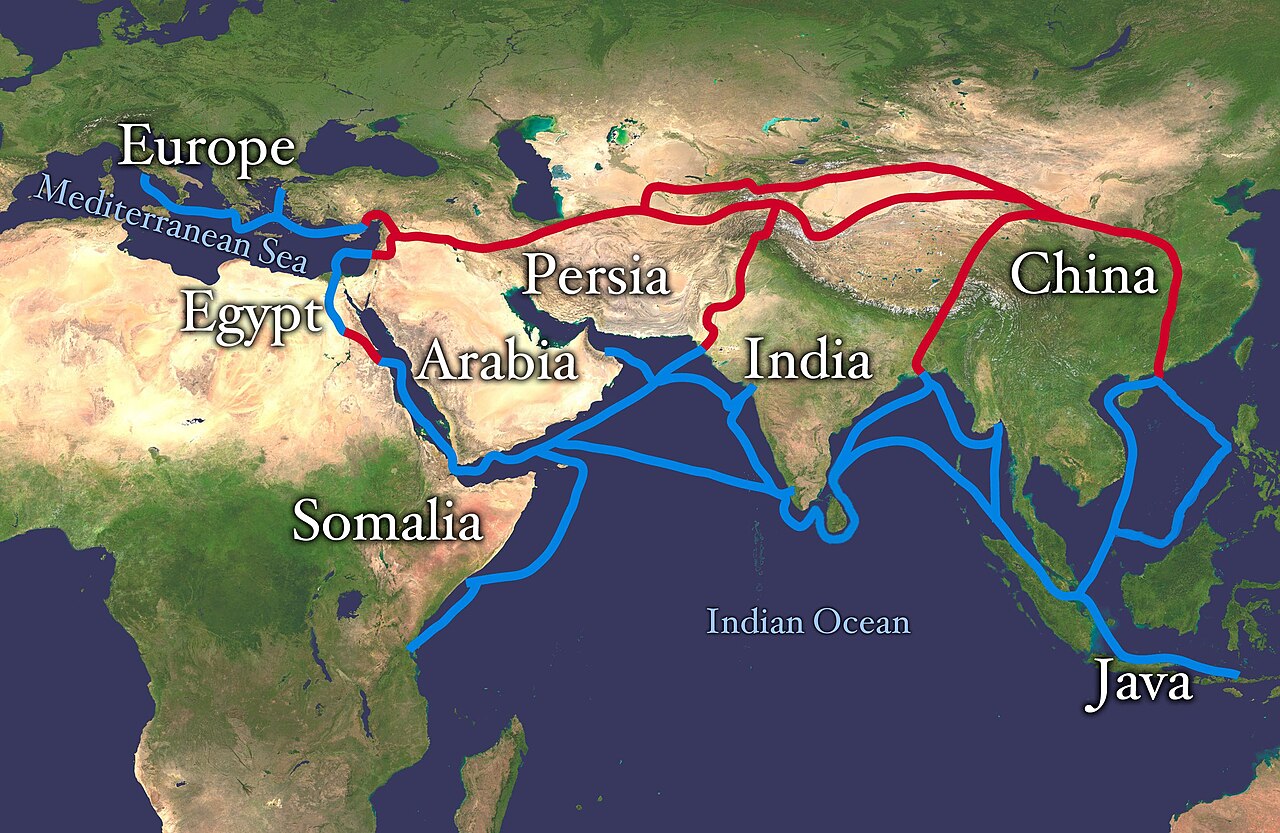
The concept of Globalization has been a subject of intense debate among scholars, with some tracing its origins back to the modern era, while others believe it has a long history spanning thousands of years. The period between 1600 and 1800 is often referred to as the Proto-Globalization era. This was a time when international trade and cultural exchange began to take shape, laying the groundwork for the modern globalized world. The Silk Road, a network of ancient trade routes, is a prime example of early globalization. As Marco Polo traveled along the Silk Road, he encountered various cultures and facilitated the exchange of goods and ideas. The Mongol Empire also played a significant role in shaping the proto-globalization era, as it facilitated the exchange of goods, ideas, and cultures across vast distances.
🕰️ The Ancient Roots of Globalization
The ancient roots of Globalization can be traced back to the Indus Valley Civilization, which existed around 4300-1300 BCE. This civilization was known for its sophisticated trade networks and cultural exchange with other civilizations, such as the Egyptian Civilization. The Phoenicians were another ancient civilization that played a significant role in shaping the course of globalization, as they established a vast network of trade routes and colonies across the Mediterranean. The Roman Empire also made significant contributions to the development of globalization, as it facilitated the exchange of goods, ideas, and cultures across its vast territories. As the Roman Empire expanded, it encountered various cultures, including the Chinese Civilization, which had a significant impact on the development of Silk Road.
🚣 Proto-Globalization: 1600-1800
The period between 1600 and 1800 is often referred to as the Proto-Globalization era. During this time, international trade and cultural exchange began to take shape, laying the groundwork for the modern globalized world. The Dutch East India Company was a key player in this era, as it established a vast network of trade routes and colonies across the globe. The British East India Company also played a significant role in shaping the course of globalization, as it facilitated the exchange of goods and ideas between Europe and Asia. As the Industrial Revolution took hold, it had a profound impact on the development of globalization, as it enabled the mass production of goods and facilitated the growth of international trade. The Imperialism of European powers also played a significant role in shaping the course of globalization, as it led to the establishment of colonies and the exploitation of resources across the globe.
🌟 The Rise of Modern Globalization
The rise of modern Globalization can be attributed to the post-World War II era, when international institutions such as the International Monetary Fund and the World Bank were established. These institutions played a significant role in facilitating international trade and investment, and helped to establish a new global economic order. The General Agreement on Tariffs and Trade (GATT) was also established during this time, with the aim of reducing tariffs and other trade barriers. As Containerization took hold, it revolutionized the shipping industry and facilitated the growth of international trade. The Internet also played a significant role in shaping the course of globalization, as it enabled the rapid exchange of information and ideas across the globe. The World Trade Organization (WTO) was established in 1995, with the aim of promoting free trade and reducing trade barriers.
📉 The Interwar Period: A Setback for Globalization
The interwar period, which spanned from 1918 to 1939, was a setback for Globalization. During this time, many countries turned to Protectionism and implemented tariffs and other trade barriers, which had a negative impact on international trade. The Great Depression also had a significant impact on the global economy, as it led to a sharp decline in international trade and investment. The Smoot-Hawley Tariff Act of 1930 is often cited as an example of the protectionist policies that were implemented during this time. As the World War II broke out, it had a profound impact on the development of globalization, as it led to the establishment of new international institutions and the emergence of new global powers. The Marshall Plan was established after the war, with the aim of rebuilding the European economy and promoting economic cooperation.
🌐 Post-War Globalization: 1945-1980
The post-war period, which spanned from 1945 to 1980, was a time of significant growth and development for Globalization. During this time, international institutions such as the United Nations and the World Health Organization were established, with the aim of promoting international cooperation and development. The European Union was also established during this time, with the aim of promoting economic integration and cooperation among European countries. As the Cold War took hold, it had a significant impact on the development of globalization, as it led to the emergence of new global powers and the establishment of new international institutions. The Oil Price Shock of 1973 also had a significant impact on the global economy, as it led to a sharp increase in oil prices and a decline in economic growth.
📈 The Contemporary Era of Globalization
The contemporary era of Globalization has been marked by significant advances in technology and communication, which have facilitated the growth of international trade and investment. The Internet has played a significant role in shaping the course of globalization, as it has enabled the rapid exchange of information and ideas across the globe. The World Wide Web has also facilitated the growth of e-commerce and online trade, which has had a significant impact on the global economy. As the Global Financial Crisis broke out in 2008, it had a profound impact on the development of globalization, as it led to a sharp decline in international trade and investment. The Brexit referendum in 2016 also had a significant impact on the development of globalization, as it led to a decline in economic integration and cooperation among European countries.
🤝 The Impact of Globalization on Local Cultures
The impact of Globalization on local cultures has been a subject of intense debate. Some argue that globalization has led to the homogenization of cultures, as local traditions and customs are replaced by global brands and cultural norms. Others argue that globalization has enabled the exchange of cultural ideas and practices, which has enriched local cultures and promoted diversity. The Cultural Imperialism of Western cultures has been a significant concern, as it has led to the suppression of local cultures and the imposition of Western values and norms. As the Global Culture takes hold, it has been shaped by the interaction of different cultures and the exchange of ideas and practices. The Local Culture has also been impacted by globalization, as it has been influenced by global trends and cultural norms.
🌍 Globalization and Economic Inequality
The relationship between Globalization and economic inequality has been a subject of intense debate. Some argue that globalization has led to a decline in economic inequality, as international trade and investment have created new opportunities for economic growth and development. Others argue that globalization has exacerbated economic inequality, as the benefits of globalization have been unevenly distributed and have largely accrued to the wealthy and powerful. The Income Inequality has been a significant concern, as it has led to a decline in social mobility and an increase in poverty and inequality. As the Wealth Inequality takes hold, it has been shaped by the interaction of economic and political factors, including the distribution of wealth and power. The Poverty Reduction efforts have been impacted by globalization, as it has led to a decline in economic opportunities and an increase in poverty and inequality.
📊 The Future of Globalization: Trends and Challenges
The future of Globalization is uncertain, as it is shaped by a complex array of economic, political, and social factors. Some argue that globalization will continue to advance, as technological advances and economic integration promote the growth of international trade and investment. Others argue that globalization will decline, as nationalist and protectionist sentiments gain traction and countries turn inward. The Global Governance has been a significant concern, as it has led to a decline in international cooperation and an increase in global problems. As the Sustainable Development takes hold, it has been shaped by the interaction of economic, social, and environmental factors, including the need to promote sustainable development and reduce poverty and inequality. The Global Challenges have been impacted by globalization, as it has led to a decline in international cooperation and an increase in global problems.
🌟 Conclusion: The Turbulent Timeline of Globalization
In conclusion, the turbulent timeline of Globalization has been shaped by a complex array of economic, political, and social factors. From the ancient roots of globalization to the contemporary era, globalization has been marked by significant advances and setbacks. As we look to the future, it is clear that globalization will continue to play a significant role in shaping the global economy and promoting international cooperation and development. However, it is also clear that globalization must be managed in a way that promotes sustainable development, reduces poverty and inequality, and promotes international cooperation and governance. The Globalization Debate will continue, as scholars and policymakers grapple with the challenges and opportunities of globalization. As the Globalization Future takes shape, it will be shaped by the interaction of economic, political, and social factors, including the need to promote sustainable development and reduce poverty and inequality.
Key Facts
- Year
- 2020
- Origin
- Ancient Mesopotamia, circa 3000 BCE
- Category
- History
- Type
- Historical Concept
Frequently Asked Questions
What is the definition of globalization?
Globalization refers to the increasing interconnectedness of the world's economies, societies, and cultures. It involves the free flow of goods, services, ideas, and people across national borders, and has been driven by advances in technology, transportation, and communication. Globalization has been shaped by a complex array of economic, political, and social factors, including the Globalization Theory and the Globalization Debate. As the Globalization Future takes shape, it will be shaped by the interaction of economic, political, and social factors, including the need to promote sustainable development and reduce poverty and inequality.
What are the benefits of globalization?
The benefits of globalization include increased economic growth, job creation, and access to new markets and technologies. Globalization has also promoted the exchange of cultural ideas and practices, and has enabled the growth of international cooperation and development. However, globalization has also been criticized for its negative impacts, including the Income Inequality and the Wealth Inequality. As the Globalization and Economy takes shape, it will be shaped by the interaction of economic and political factors, including the distribution of wealth and power.
What are the challenges of globalization?
The challenges of globalization include the risk of economic instability, cultural homogenization, and environmental degradation. Globalization has also been criticized for its negative impacts on local cultures and economies, and for promoting inequality and exploitation. As the Globalization and Culture takes shape, it will be shaped by the interaction of cultural and economic factors, including the need to promote cultural diversity and reduce cultural homogenization. The Globalization and Politics will also play a significant role in shaping the future of globalization.
How has globalization impacted local cultures?
Globalization has had a significant impact on local cultures, as it has promoted the exchange of cultural ideas and practices. However, globalization has also been criticized for its negative impacts on local cultures, including the risk of cultural homogenization and the suppression of local traditions and customs. As the Cultural Imperialism takes hold, it has been shaped by the interaction of cultural and economic factors, including the distribution of cultural power and influence. The Local Culture has also been impacted by globalization, as it has been influenced by global trends and cultural norms.
What is the future of globalization?
The future of globalization is uncertain, as it is shaped by a complex array of economic, political, and social factors. Some argue that globalization will continue to advance, as technological advances and economic integration promote the growth of international trade and investment. Others argue that globalization will decline, as nationalist and protectionist sentiments gain traction and countries turn inward. As the Globalization Future takes shape, it will be shaped by the interaction of economic, political, and social factors, including the need to promote sustainable development and reduce poverty and inequality.