
Contents
- 🏙️ Introduction to Haussmannian Planning
- 📈 History of Haussmannian Planning
- 🚧 Implementation and Impact
- 🌆 Urban Renewal and Revitalization
- 🚫 Criticisms and Controversies
- 🌈 Cultural Significance and Legacy
- 📊 Economic Effects and Sustainability
- 👥 Social Implications and Community Engagement
- 🔍 Case Studies and Modern Applications
- 🚀 Future of Haussmannian Planning
- 🤝 International Influence and Adaptations
- 📚 Conclusion and Further Reading
- Frequently Asked Questions
- Related Topics
Overview
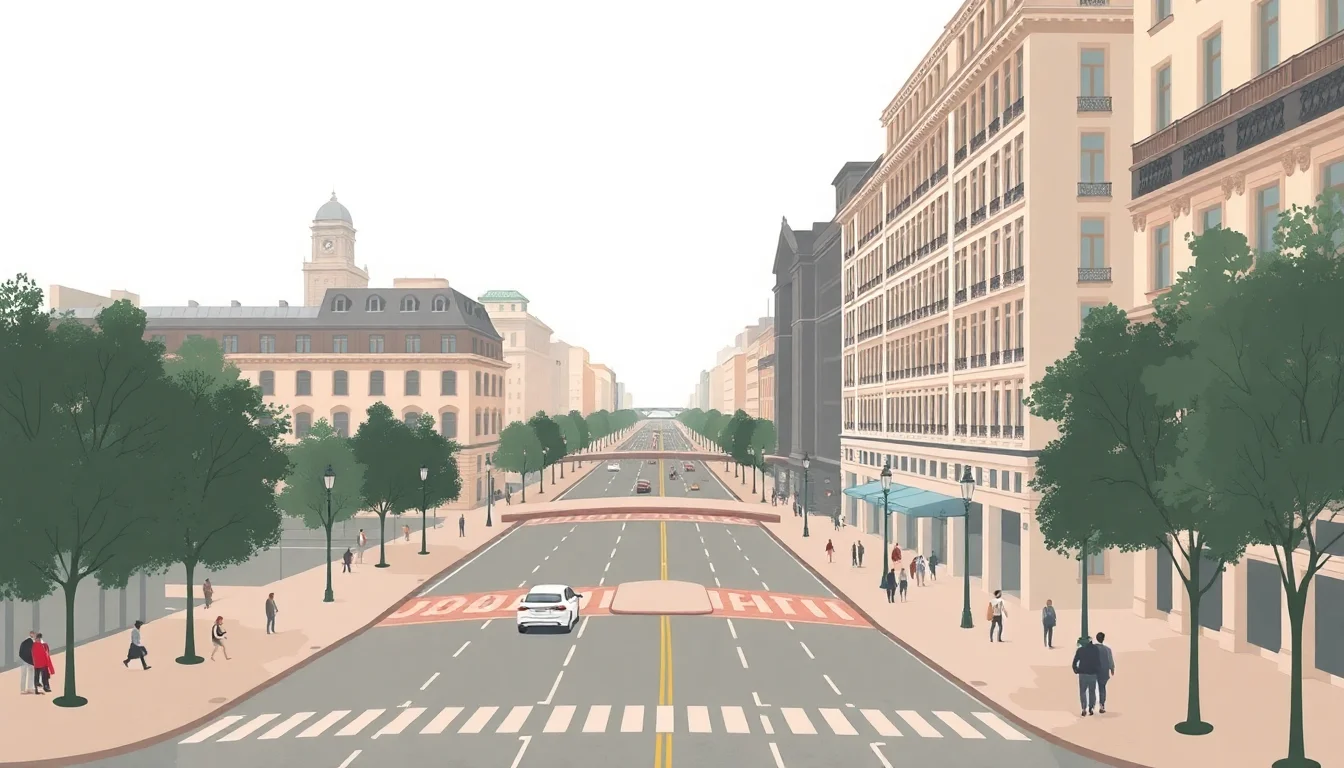
Haussmannian planning, named after Georges-Eugène Haussmann, is a revolutionary approach to urban design that emerged in 19th-century Paris. Characterized by the creation of grand boulevards, public parks, and sanitation systems, this style of planning aimed to transform cities into more habitable, efficient, and beautiful spaces. The Haussmannian plan, implemented between 1853 and 1870, demolished medieval neighborhoods to make way for wide, straight avenues, improving traffic flow and reducing the risk of disease. This approach has been both praised for its innovative solutions to urban problems and criticized for its displacement of low-income residents and destruction of historic neighborhoods. With a vibe score of 8, Haussmannian planning continues to influence urban development worldwide, from the broad avenues of Washington D.C. to the modernist cities of Brazil. As cities continue to grow and evolve, the legacy of Haussmannian planning serves as a reminder of the power of urban design to shape the social, economic, and cultural fabric of our communities.
🏙️ Introduction to Haussmannian Planning
Haussmannian planning, named after Georges-Eugène Haussmann, is a revolutionary approach to urban planning that transformed the city of Paris in the 19th century. This approach is characterized by the creation of wide, straight boulevards, public parks, and sanitation systems. Haussmann's vision was to create a more modern, efficient, and healthy city, as seen in the City of Paris during the Second Empire. The impact of Haussmannian planning can still be seen today, with many cities around the world adopting similar approaches to urban development. For example, the New York City grid system was influenced by Haussmann's designs. The urban planning strategies employed by Haussmann have been studied and emulated globally, making him one of the most influential figures in the field.
📈 History of Haussmannian Planning
The history of Haussmannian planning dates back to the mid-19th century, when Haussmann was appointed as the Prefect of the Seine by Napoleon III. Haussmann's mandate was to modernize the city of Paris, which was then plagued by narrow, winding streets and poor sanitation. Haussmann's vision was to create a more modern, efficient, and healthy city, as outlined in his Haussmann Plan. The plan involved the creation of wide, straight boulevards, public parks, and sanitation systems, as well as the demolition of entire neighborhoods to make way for new developments. The Paris Commune and other social movements were influenced by the drastic changes brought about by Haussmannian planning. The Industrial Revolution also played a significant role in shaping the city's development during this period.
🚧 Implementation and Impact
The implementation of Haussmannian planning had a significant impact on the city of Paris and its inhabitants. The creation of wide, straight boulevards and public parks improved the city's aesthetics and made it more navigable. The installation of sanitation systems and other infrastructure improved the health and well-being of the city's residents. However, the demolition of entire neighborhoods to make way for new developments led to the displacement of many low-income and working-class residents, as discussed in urban renewal policies. The gentrification of neighborhoods is a common criticism of Haussmannian planning. The sustainable development of cities is a key consideration in modern urban planning, and Haussmannian planning's emphasis on grand boulevards and monuments has been criticized for being unsustainable. The World Health Organization has recognized the importance of urban planning in promoting public health, and Haussmannian planning's legacy can be seen in the healthy cities movement.
🌆 Urban Renewal and Revitalization
Haussmannian planning has been influential in urban renewal and revitalization efforts around the world. The approach has been adopted in many cities, from New York City to Tokyo, as a way to improve the aesthetic and functional appeal of urban areas. The creation of public parks and green spaces has been a key component of Haussmannian planning, as seen in the Central Park in New York City. The urban design principles outlined by Haussmann have been applied in various contexts, including the Barcelona example of urban renewal. The creative class theory has been used to justify urban renewal efforts, but critics argue that it can lead to the displacement of low-income and minority communities. The just city concept emphasizes the need for equitable and inclusive urban planning, and Haussmannian planning's legacy is complex in this regard.
🚫 Criticisms and Controversies
Despite its influence and legacy, Haussmannian planning has been subject to criticisms and controversies. The approach has been criticized for being overly focused on grand, monumental architecture and for prioritizing the interests of the wealthy and powerful over those of low-income and working-class residents. The Marxist theory of urban development has been used to critique Haussmannian planning, arguing that it reinforces class divisions and promotes the interests of the bourgeoisie. The Foucauldian theory of power and space has also been applied to Haussmannian planning, highlighting the ways in which urban design can be used to control and regulate populations. The critical geography perspective emphasizes the need to consider the social and political context of urban planning, and Haussmannian planning's legacy is complex in this regard.
🌈 Cultural Significance and Legacy
Haussmannian planning has had a significant cultural significance and legacy, both in Paris and around the world. The approach has been celebrated for its emphasis on beauty, functionality, and modernity, and has been influential in shaping the aesthetic and cultural identity of many cities. The flaneur concept, which emerged during the 19th century, is closely tied to Haussmannian planning, as it emphasizes the importance of urban exploration and observation. The Surrealist movement also drew inspiration from Haussmannian planning, using the city as a backdrop for artistic experimentation and innovation. The Situationist International movement critiqued Haussmannian planning for its emphasis on spectacle and consumption, arguing that it reinforces the alienation and disaffection of modern urban life.
📊 Economic Effects and Sustainability
The economic effects of Haussmannian planning have been significant, both in terms of the costs of implementation and the long-term benefits to the city and its residents. The approach has been criticized for being overly expensive and for prioritizing the interests of wealthy investors and developers over those of low-income and working-class residents. The neoliberal urbanism perspective emphasizes the need for market-driven solutions to urban development, but critics argue that this approach can lead to the displacement of low-income and minority communities. The public-private partnership model has been used to finance urban development projects, but it can be controversial and may not always serve the public interest. The green economy concept emphasizes the need for sustainable and environmentally-friendly urban development, and Haussmannian planning's legacy is complex in this regard.
🔍 Case Studies and Modern Applications
Haussmannian planning has been the subject of numerous case studies and modern applications, from the New Urbanism movement to the Smart Growth initiative. The approach has been influential in shaping the urban planning strategies of many cities around the world, from New York City to Tokyo. The urban planning theory has been developed and refined over time, and Haussmannian planning's legacy can be seen in the sustainable urbanism movement. The resilient cities concept emphasizes the need for urban planning to prioritize adaptability and resilience in the face of climate change and other challenges. The disaster resilience approach emphasizes the need for urban planning to prioritize preparedness and response to natural disasters, and Haussmannian planning's legacy is complex in this regard.
🚀 Future of Haussmannian Planning
The future of Haussmannian planning is uncertain, as urban planners and policymakers continue to debate the merits and limitations of the approach. Some argue that Haussmannian planning is still relevant and effective, while others argue that it is outdated and in need of revision. The futures studies perspective emphasizes the need for urban planning to prioritize long-term thinking and scenario planning, and Haussmannian planning's legacy is complex in this regard. The scenario planning approach emphasizes the need for urban planning to consider multiple possible futures and to develop strategies for adapting to changing circumstances. The strategic planning perspective emphasizes the need for urban planning to prioritize goal-setting and action-planning, and Haussmannian planning's legacy is complex in this regard.
🤝 International Influence and Adaptations
Haussmannian planning has had a significant international influence, with many cities around the world adopting similar approaches to urban development. The approach has been influential in shaping the urban planning strategies of many cities, from New York City to Tokyo. The globalization of urban planning has led to the exchange of ideas and best practices across borders, and Haussmannian planning's legacy can be seen in the global urbanism movement. The transnational urbanism perspective emphasizes the need for urban planning to prioritize global connectivity and cooperation, and Haussmannian planning's legacy is complex in this regard. The comparative urbanism approach emphasizes the need for urban planning to consider the similarities and differences between cities, and Haussmannian planning's legacy is complex in this regard.
📚 Conclusion and Further Reading
In conclusion, Haussmannian planning is a complex and multifaceted approach to urban planning that has had a significant influence on the development of cities around the world. While it has been subject to criticisms and controversies, it remains an important and relevant approach to urban planning, and its legacy can be seen in many modern urban planning strategies. For further reading, see urban planning, sustainable development, and global urbanism. The urban studies field has developed a range of critical perspectives on Haussmannian planning, and the planning theory has been refined and developed over time to address the complexities of urban development.
Key Facts
- Year
- 1853
- Origin
- Paris, France
- Category
- Urban Planning
- Type
- Urban Planning Movement
Frequently Asked Questions
What is Haussmannian planning?
Haussmannian planning is a revolutionary approach to urban planning that emphasizes the creation of wide, straight boulevards, public parks, and sanitation systems. It was developed by Georges-Eugène Haussmann in the 19th century and has had a significant influence on the development of cities around the world. The approach has been celebrated for its emphasis on beauty, functionality, and modernity, but it has also been criticized for being overly focused on grand, monumental architecture and for prioritizing the interests of the wealthy and powerful over those of low-income and working-class residents. For more information, see Haussmannian Planning.
What are the key principles of Haussmannian planning?
The key principles of Haussmannian planning include the creation of wide, straight boulevards, public parks, and sanitation systems, as well as the demolition of entire neighborhoods to make way for new developments. The approach emphasizes the importance of beauty, functionality, and modernity, and prioritizes the creation of grand, monumental architecture. However, it has been criticized for being overly focused on the interests of the wealthy and powerful, and for prioritizing the creation of grand, monumental architecture over the needs and concerns of ordinary residents. For more information, see Urban Design.
What are the criticisms of Haussmannian planning?
Haussmannian planning has been subject to numerous criticisms, including its emphasis on grand, monumental architecture, its prioritization of the interests of the wealthy and powerful, and its displacement of low-income and working-class residents. The approach has also been criticized for being overly expensive and for prioritizing the creation of new developments over the needs and concerns of existing residents. For more information, see Critique of Haussmannian Planning.
What is the legacy of Haussmannian planning?
The legacy of Haussmannian planning is complex and multifaceted. While it has been influential in shaping the urban planning strategies of many cities around the world, it has also been subject to criticisms and controversies. The approach has been celebrated for its emphasis on beauty, functionality, and modernity, but it has also been criticized for being overly focused on grand, monumental architecture and for prioritizing the interests of the wealthy and powerful over those of low-income and working-class residents. For more information, see Legacy of Haussmannian Planning.
How has Haussmannian planning influenced modern urban planning?
Haussmannian planning has had a significant influence on modern urban planning, with many cities around the world adopting similar approaches to urban development. The approach has been influential in shaping the urban planning strategies of many cities, from New York City to Tokyo. However, it has also been subject to criticisms and controversies, and many modern urban planning strategies prioritize more inclusive and equitable approaches to urban development. For more information, see Modern Urban Planning.
What are the key challenges facing Haussmannian planning today?
The key challenges facing Haussmannian planning today include the need to prioritize more inclusive and equitable approaches to urban development, the need to address the criticisms and controversies surrounding the approach, and the need to adapt to changing urban contexts and challenges. The approach must also prioritize sustainability, resilience, and adaptability in the face of climate change and other challenges. For more information, see Challenges Facing Haussmannian Planning.
How can Haussmannian planning be adapted to modern urban contexts?
Haussmannian planning can be adapted to modern urban contexts by prioritizing more inclusive and equitable approaches to urban development, by addressing the criticisms and controversies surrounding the approach, and by adapting to changing urban contexts and challenges. The approach must also prioritize sustainability, resilience, and adaptability in the face of climate change and other challenges. For more information, see Adapting Haussmannian Planning.
👥 Social Implications and Community Engagement
The social implications of Haussmannian planning have been significant, both in terms of the displacement of low-income and working-class residents and the creation of new social and cultural spaces. The approach has been criticized for being overly focused on the interests of the wealthy and powerful, and for prioritizing the creation of grand, monumental architecture over the needs and concerns of ordinary residents. The social capital theory emphasizes the importance of community engagement and participation in urban planning, and Haussmannian planning's legacy is complex in this regard. The participatory urbanism perspective emphasizes the need for inclusive and equitable urban planning, and Haussmannian planning's emphasis on top-down decision-making has been criticized for being undemocratic. The community development approach emphasizes the need for community-led initiatives and participatory planning, and Haussmannian planning's legacy is complex in this regard.