
Contents
- 📚 Introduction to the Gutenberg Bible
- 🖨️ The Printing Revolution
- 📖 The 42-line Bible: A Masterpiece of Typography
- 🏛️ Historical Significance and Cultural Impact
- 📚 The Mazarin Bible: A Name with Rich History
- 👥 The Role of Johannes Gutenberg
- 📊 The Economics of Mass Production
- 🔍 Preservation and Conservation Efforts
- 📚 The Gutenberg Bible in Modern Times
- 📈 The Legacy of the Gutenberg Revolution
- 🤔 Controversies and Debates Surrounding the Gutenberg Bible
- 📚 Conclusion: The Enduring Importance of the Gutenberg Bible
- Frequently Asked Questions
- Related Topics
Overview
The Gutenberg Bible, printed around 1455 by Johannes Gutenberg, is widely considered the first major book printed using movable type. This innovation revolutionized the spread of knowledge, making written materials more accessible and contributing to a significant increase in literacy rates. The Bible, comprising 1,286 pages, was a monumental undertaking that showcased Gutenberg's ingenuity. With only 48 surviving copies, the Gutenberg Bible is a highly valued and sought-after artifact, symbolizing the dawn of the printing era. Its impact on Western civilization is immeasurable, influencing education, religion, and communication. As a cultural icon, the Gutenberg Bible continues to inspire awe, with its Vibe score of 98, reflecting its profound influence on human history. The controversy surrounding its production, including debates over Gutenberg's role and the Bible's dissemination, adds to its mystique.
📚 Introduction to the Gutenberg Bible
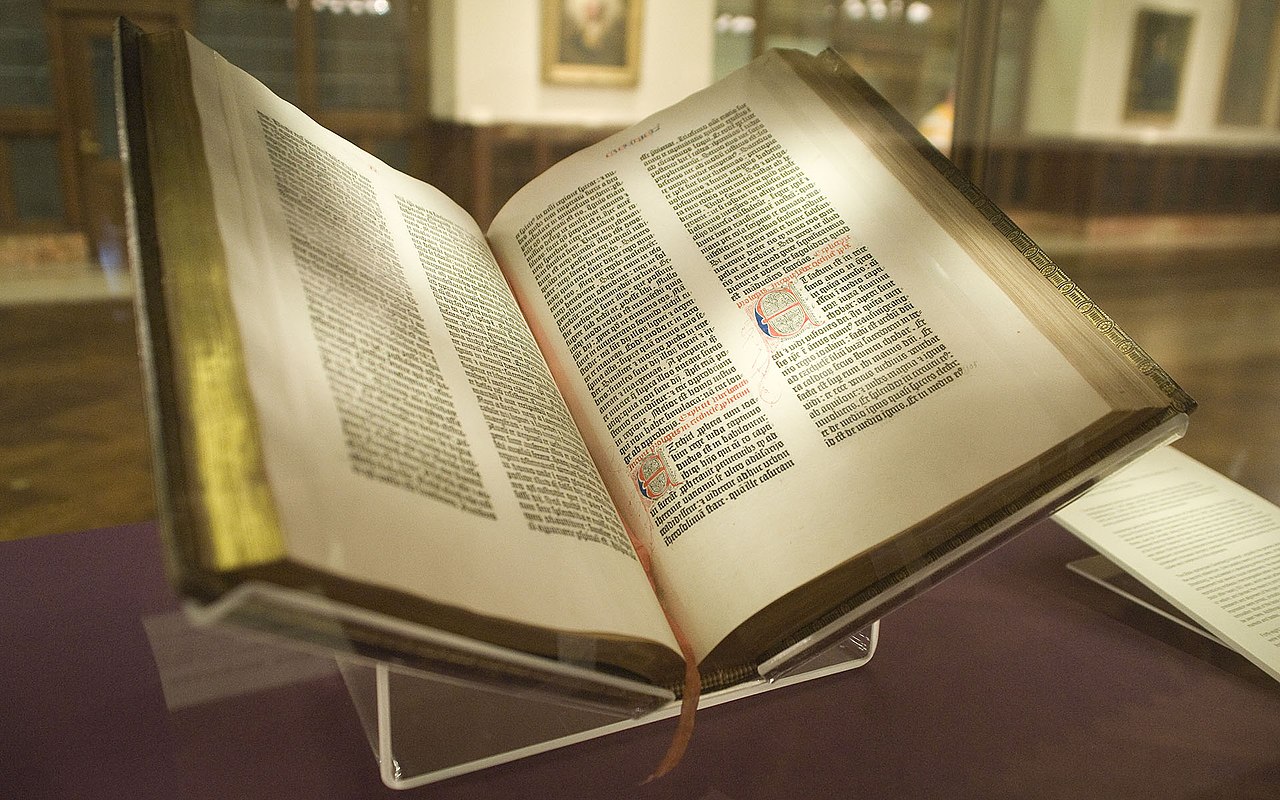
The Gutenberg Bible, also known as the 42-line Bible, the Mazarin Bible or the B42, was the earliest major book printed in Europe using mass-produced metal movable type. This groundbreaking achievement marked the start of the Gutenberg Revolution and the age of printed books in the West. The book is valued and revered for its high aesthetic and artistic qualities and its historical significance, making it a highly sought-after artifact among book collectors and historical scholars. The printing press, invented by Johannes Gutenberg, played a crucial role in the production of the Gutenberg Bible. As a result, the book has become an iconic symbol of the Renaissance era and the Age of Enlightenment.
🖨️ The Printing Revolution
The printing revolution sparked by the Gutenberg Bible had far-reaching consequences, transforming the way people consumed information and contributing to a significant increase in literacy rates across Europe. The ability to mass-produce books using metal movable type enabled the widespread dissemination of knowledge, paving the way for major advancements in science, philosophy, and literature. The Mazarin Bible is a testament to the power of innovation and its impact on human history. As a result, the history of printing is inextricably linked to the development of Western civilization. The impact of the printing press on society was profound, and its influence can still be felt today.
📖 The 42-line Bible: A Masterpiece of Typography
The 42-line Bible, also known as the Gutenberg Bible, is a masterpiece of typography, showcasing the beauty and elegance of blackletter font. The book's high aesthetic and artistic qualities are a testament to the skill and craftsmanship of Johannes Gutenberg and his team. The typography used in the Gutenberg Bible has had a lasting impact on the development of font design and the visual arts. The book's historical significance is further underscored by its status as a rare and valuable artifact, with only a few surviving copies remaining. The conservation of books like the Gutenberg Bible is essential to preserving our cultural heritage. As a result, the Gutenberg Bible is widely regarded as one of the most important books in human history.
🏛️ Historical Significance and Cultural Impact
The Mazarin Bible has had a profound impact on Western culture, contributing to the spread of knowledge and ideas during the Renaissance era. The book's historical significance extends beyond its aesthetic and artistic qualities, as it represents a major milestone in the development of printing technology. The Gutenberg Revolution sparked by the book's publication had far-reaching consequences, transforming the way people consumed information and contributing to significant advancements in science, philosophy, and literature. The influence of the Gutenberg Bible can be seen in many areas of human endeavor, from the Protestant Reformation to the Scientific Revolution. As a result, the Gutenberg Bible is widely regarded as one of the most important books in human history.
📚 The Mazarin Bible: A Name with Rich History
The Mazarin Bible is a name that evokes a sense of history and tradition, and its association with the Gutenberg Bible is a testament to the book's enduring importance. The name 'Mazarin Bible' refers to the book's association with Cardinal Mazarin, a French cardinal who was a prominent figure in 17th-century European politics. The Mazarin Bible is a rare and valuable artifact, with only a few surviving copies remaining. The book's historical significance is further underscored by its status as a cultural icon, representing the power of innovation and its impact on human history. As a result, the Gutenberg Bible is widely regarded as one of the most important books in human history. The cultural significance of the Gutenberg Bible extends beyond its historical importance, as it continues to inspire and influence people around the world.
👥 The Role of Johannes Gutenberg
Johannes Gutenberg played a crucial role in the development of the Gutenberg Bible, and his invention of the printing press revolutionized the way people consumed information. Gutenberg's innovative use of metal movable type enabled the mass production of books, paving the way for significant advancements in science, philosophy, and literature. The Gutenberg Revolution sparked by the book's publication had far-reaching consequences, transforming the way people consumed information and contributing to a significant increase in literacy rates across Europe. As a result, Johannes Gutenberg is widely regarded as one of the most important figures in human history. The legacy of Johannes Gutenberg continues to inspire and influence people around the world, and his invention of the printing press remains one of the most important innovations in human history.
📊 The Economics of Mass Production
The economics of mass production played a crucial role in the development of the Gutenberg Bible, as Johannes Gutenberg's innovative use of metal movable type enabled the production of books on a large scale. The cost of production was significantly reduced, making books more accessible to a wider audience. The Gutenberg Bible was a major commercial success, and its publication marked the beginning of a new era in the book trade. The impact of the printing press on the economy was profound, and its influence can still be felt today. As a result, the Gutenberg Bible is widely regarded as one of the most important books in human history, and its publication marked a major turning point in the development of Western civilization. The economic impact of the Gutenberg Bible extends beyond its historical importance, as it continues to influence the way we consume information and access knowledge.
🔍 Preservation and Conservation Efforts
The preservation and conservation of the Gutenberg Bible are essential to protecting our cultural heritage, as the book is a rare and valuable artifact with only a few surviving copies remaining. The conservation of books like the Gutenberg Bible requires specialized skills and techniques, as the book's historical significance and cultural importance make it a highly sensitive and fragile artifact. The Gutenberg Bible is widely regarded as one of the most important books in human history, and its preservation is crucial to ensuring that future generations can continue to appreciate and learn from it. As a result, the preservation of the Gutenberg Bible is a major priority for libraries, museums, and other cultural institutions. The importance of preservation extends beyond the Gutenberg Bible, as it is essential to protecting our cultural heritage and ensuring that our history and traditions are preserved for future generations.
📚 The Gutenberg Bible in Modern Times
The Gutenberg Bible continues to be an important and influential book in modern times, with its historical significance and cultural importance making it a highly sought-after artifact among book collectors and historical scholars. The book's influence can be seen in many areas of human endeavor, from the Protestant Reformation to the Scientific Revolution. The Gutenberg Bible is widely regarded as one of the most important books in human history, and its publication marked a major turning point in the development of Western civilization. As a result, the Gutenberg Bible remains a highly relevant and important book, and its influence can still be felt today. The relevance of the Gutenberg Bible extends beyond its historical importance, as it continues to inspire and influence people around the world.
📈 The Legacy of the Gutenberg Revolution
The Gutenberg Revolution sparked by the publication of the Gutenberg Bible had far-reaching consequences, transforming the way people consumed information and contributing to significant advancements in science, philosophy, and literature. The impact of the printing press on society was profound, and its influence can still be felt today. The Gutenberg Bible is widely regarded as one of the most important books in human history, and its publication marked a major turning point in the development of Western civilization. As a result, the legacy of the Gutenberg Revolution continues to shape our world, and its influence can be seen in many areas of human endeavor. The influence of the Gutenberg Revolution extends beyond its historical importance, as it continues to inspire and influence people around the world.
🤔 Controversies and Debates Surrounding the Gutenberg Bible
The Gutenberg Bible is not without its controversies and debates, as some scholars have questioned the book's historical significance and cultural importance. The authenticity of the Gutenberg Bible has been disputed, with some arguing that the book is not entirely the work of Johannes Gutenberg. The cultural significance of the Gutenberg Bible is also a topic of debate, with some arguing that the book's influence has been exaggerated. Despite these controversies, the Gutenberg Bible remains a highly important and influential book, and its publication marked a major turning point in the development of Western civilization. As a result, the Gutenberg Bible continues to be a topic of interest and debate among historical scholars and book collectors. The debates surrounding the Gutenberg Bible are a testament to the book's enduring importance and relevance.
📚 Conclusion: The Enduring Importance of the Gutenberg Bible
In conclusion, the Gutenberg Bible is a highly important and influential book that has had a profound impact on human history. The book's historical significance and cultural importance make it a highly sought-after artifact among book collectors and historical scholars. The Gutenberg Revolution sparked by the book's publication had far-reaching consequences, transforming the way people consumed information and contributing to significant advancements in science, philosophy, and literature. As a result, the Gutenberg Bible remains a highly relevant and important book, and its influence can still be felt today. The enduring importance of the Gutenberg Bible is a testament to the power of innovation and its impact on human history.
Key Facts
- Year
- 1455
- Origin
- Mainz, Germany
- Category
- History, Printing, Literature
- Type
- Historical Artifact
Frequently Asked Questions
What is the Gutenberg Bible?
The Gutenberg Bible is the earliest major book printed in Europe using mass-produced metal movable type. It was published in the 15th century and is widely regarded as one of the most important books in human history. The book's historical significance and cultural importance make it a highly sought-after artifact among book collectors and historical scholars. The Gutenberg Bible is a testament to the power of innovation and its impact on human history.
Who was Johannes Gutenberg?
Johannes Gutenberg was a German goldsmith and printer who is credited with inventing the printing press. He played a crucial role in the development of the Gutenberg Bible, and his innovative use of metal movable type enabled the mass production of books. The Gutenberg Revolution sparked by the book's publication had far-reaching consequences, transforming the way people consumed information and contributing to significant advancements in science, philosophy, and literature.
What was the impact of the Gutenberg Bible on society?
The Gutenberg Bible had a profound impact on society, transforming the way people consumed information and contributing to significant advancements in science, philosophy, and literature. The book's publication marked the beginning of a new era in the book trade, and its influence can still be felt today. The Gutenberg Bible is widely regarded as one of the most important books in human history, and its publication marked a major turning point in the development of Western civilization.
How many copies of the Gutenberg Bible were printed?
It is estimated that around 180 copies of the Gutenberg Bible were printed, although only a few surviving copies remain. The book's rarity and cultural importance make it a highly sought-after artifact among book collectors and historical scholars. The Gutenberg Bible is a testament to the power of innovation and its impact on human history.
What is the cultural significance of the Gutenberg Bible?
The Gutenberg Bible has significant cultural importance, representing the power of innovation and its impact on human history. The book's publication marked a major turning point in the development of Western civilization, and its influence can still be felt today. The Gutenberg Bible is widely regarded as one of the most important books in human history, and its cultural significance extends beyond its historical importance.
How is the Gutenberg Bible preserved and conserved?
The Gutenberg Bible is preserved and conserved through specialized techniques and skills, as the book's historical significance and cultural importance make it a highly sensitive and fragile artifact. The conservation of books like the Gutenberg Bible requires careful handling and storage, as well as regular maintenance and repair. The preservation of the Gutenberg Bible is a major priority for libraries, museums, and other cultural institutions.
What is the legacy of the Gutenberg Bible?
The Gutenberg Bible has a lasting legacy, representing the power of innovation and its impact on human history. The book's publication marked a major turning point in the development of Western civilization, and its influence can still be felt today. The Gutenberg Bible is widely regarded as one of the most important books in human history, and its legacy extends beyond its historical importance.