
Contents
- 🎶 Introduction to Gregorian Chant
- 📚 History of Gregorian Chant
- 🎵 Development of Gregorian Chant
- 👑 The Role of Pope Gregory I
- 📊 Evolution of Gregorian Chant
- 🌎 Geographic Influence on Gregorian Chant
- 🎤 Performance and Practice
- 📝 Notation and Transmission
- 👥 Influence on Western Music
- 🕊️ Legacy of Gregorian Chant
- Frequently Asked Questions
- Related Topics
Overview
Gregorian chant is the central tradition of Western plainchant, a form of monophonic, unaccompanied sacred song in Latin of the Roman Catholic Church. The history of Gregorian chant is complex and multifaceted, with roots in the early Christian music of the Mediterranean. The development of Gregorian chant is closely tied to the Carolingian Renaissance, a period of cultural and intellectual revival in western Europe during the 8th and 9th centuries. As a result, Gregorian chant has had a profound influence on the development of Western classical music.
📚 History of Gregorian Chant
The history of Gregorian chant is not well-documented, but scholars believe that it developed mainly in western and central Europe during the 9th and 10th centuries. The Schola Cantorum, a school of singers and composers, played a crucial role in the development of Gregorian chant. The school was established by Pope Gregory I in the 7th century, and it was here that the neumatic notation system was perfected. This system of notation allowed for the precise recording of melodies, which was essential for the development of Gregorian chant. The Old Roman chant and Gallican chant also influenced the development of Gregorian chant.
🎵 Development of Gregorian Chant
The development of Gregorian chant was a gradual process that spanned several centuries. The earliest known manuscripts of Gregorian chant date back to the 9th century, and they show a high degree of variability and regional difference. Over time, however, a standardized form of Gregorian chant emerged, which was characterized by its use of Latin texts and its distinctive melodic style. The Carolingian synthesis of the Old Roman chant and Gallican chant was a key factor in the development of Gregorian chant. This synthesis resulted in the creation of a unique and distinctive style of music that was characterized by its use of neumes and its emphasis on liturgical text.
👑 The Role of Pope Gregory I
Although popular legend credits Pope Gregory I with inventing Gregorian chant, scholars believe that he only ordered a compilation of melodies throughout the whole Christian world. This compilation, which was carried out by the Schola Cantorum, resulted in the creation of a standardized form of Gregorian chant that could be used throughout the Roman Catholic Church. The role of Pope Gregory I in the development of Gregorian chant is still a matter of debate among scholars, with some arguing that he played a more significant role than others. However, it is clear that the Schola Cantorum was a key institution in the development of Gregorian chant, and that the neumatic notation system was essential for the creation of this style of music.
📊 Evolution of Gregorian Chant
The evolution of Gregorian chant was a gradual process that spanned several centuries. Over time, new melodies and texts were added to the repertoire, and the style of performance and practice evolved. The Renaissance saw a renewed interest in Gregorian chant, and the development of new notation systems and performance practices. The Baroque period saw the emergence of new forms of sacred music, such as the oratorio and the mass. However, Gregorian chant continued to be an important part of the liturgy, and it remains so to this day. The Second Vatican Council also had a significant impact on the development of Gregorian chant, as it led to a renewed emphasis on the use of vernacular language in the liturgy.
🌎 Geographic Influence on Gregorian Chant
The geographic influence on Gregorian chant was significant, with different regions developing their own unique styles and traditions. The Old Roman chant and Gallican chant were two of the most important influences on the development of Gregorian chant. The Carolingian synthesis of these two styles resulted in the creation of a unique and distinctive style of music that was characterized by its use of neumes and its emphasis on liturgical text. The Benedictine Order also played a significant role in the development of Gregorian chant, as it was responsible for the preservation and transmission of many of the earliest manuscripts. The Cluniac Reform also had a significant impact on the development of Gregorian chant, as it led to a renewed emphasis on the use of Gregorian chant in the liturgy.
🎤 Performance and Practice
The performance and practice of Gregorian chant have evolved over time, with different regions and institutions developing their own unique traditions. The Schola Cantorum was a key institution in the development of Gregorian chant, and it was responsible for the training of singers and the preservation of manuscripts. The Benedictine Order also played a significant role in the development of Gregorian chant, as it was responsible for the preservation and transmission of many of the earliest manuscripts. The Solesmes Congregation has also been instrumental in the preservation and promotion of Gregorian chant, and it has published many important editions of Gregorian chant manuscripts. The International Gregorian Chant Society also works to promote the study and performance of Gregorian chant.
📝 Notation and Transmission
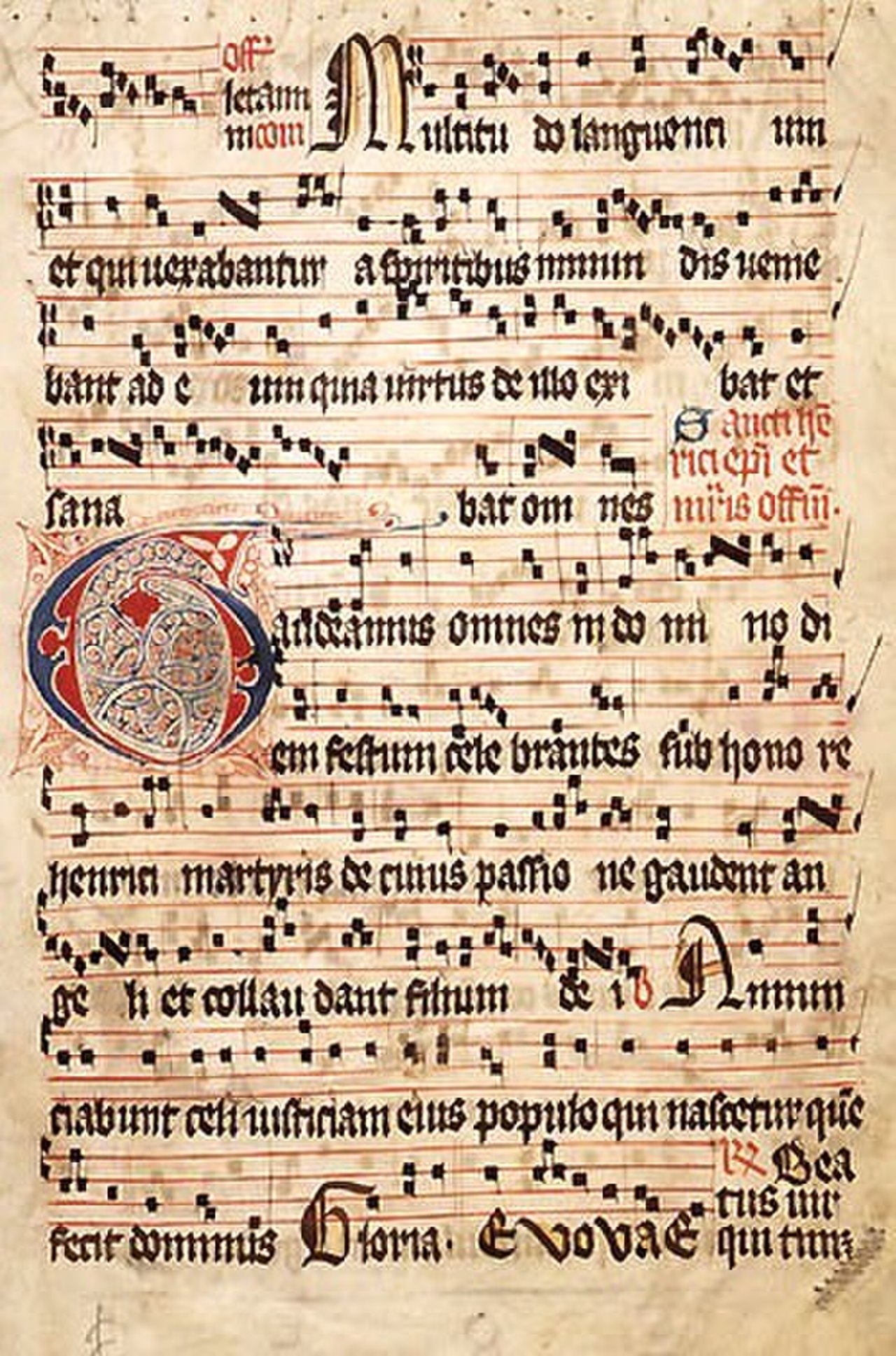
The notation and transmission of Gregorian chant have been the subject of much debate and discussion among scholars. The neumatic notation system, which was developed in the Schola Cantorum, allowed for the precise recording of melodies. However, the interpretation of these neumes has been the subject of much debate, with different scholars offering different interpretations. The Solesmes Congregation has published many important editions of Gregorian chant manuscripts, and it has developed a system of notation that is widely used today. The Gregorian chant notation system is still used today, and it remains an important part of the Western musical tradition.
👥 Influence on Western Music
The influence of Gregorian chant on Western music has been profound, with many composers drawing on its melodies and styles. The Renaissance saw a renewed interest in Gregorian chant, and the development of new notation systems and performance practices. The Baroque period saw the emergence of new forms of sacred music, such as the oratorio and the mass. However, Gregorian chant continued to be an important part of the liturgy, and it remains so to this day. The Classical music tradition has also been influenced by Gregorian chant, with many composers drawing on its melodies and styles. The Romantic music tradition has also been influenced by Gregorian chant, with many composers drawing on its expressive and emotional qualities.
🕊️ Legacy of Gregorian Chant
The legacy of Gregorian chant is complex and multifaceted, with different scholars and musicians offering different interpretations. The Second Vatican Council led to a renewed emphasis on the use of vernacular language in the liturgy, which had a significant impact on the use of Gregorian chant. However, Gregorian chant remains an important part of the Western musical tradition, and it continues to be performed and studied by musicians and scholars around the world. The Gregorian Chant Society and the International Gregorian Chant Society are two organizations that work to promote the study and performance of Gregorian chant. The Solesmes Congregation also continues to play an important role in the preservation and promotion of Gregorian chant.
Key Facts
- Category
- topic
- Type
- topic
Frequently Asked Questions
What is Gregorian chant?
Gregorian chant is the central tradition of Western plainchant, a form of monophonic, unaccompanied sacred song in Latin of the Roman Catholic Church. It developed mainly in western and central Europe during the 9th and 10th centuries, with later additions and redactions. The Schola Cantorum played a crucial role in the development of Gregorian chant, and the neumatic notation system was essential for the creation of this style of music.
Who is credited with inventing Gregorian chant?
Although popular legend credits Pope Gregory I with inventing Gregorian chant, scholars believe that he only ordered a compilation of melodies throughout the whole Christian world. The Schola Cantorum was a key institution in the development of Gregorian chant, and it was responsible for the training of singers and the preservation of manuscripts.
What is the significance of Gregorian chant?
The significance of Gregorian chant lies in its importance as a part of the Western musical tradition. It has had a profound influence on the development of Western classical music, and it continues to be performed and studied by musicians and scholars around the world. The Second Vatican Council led to a renewed emphasis on the use of vernacular language in the liturgy, which had a significant impact on the use of Gregorian chant.
How has Gregorian chant evolved over time?
The evolution of Gregorian chant was a gradual process that spanned several centuries. Over time, new melodies and texts were added to the repertoire, and the style of performance and practice evolved. The Renaissance saw a renewed interest in Gregorian chant, and the development of new notation systems and performance practices. The Baroque period saw the emergence of new forms of sacred music, such as the oratorio and the mass.
What is the current state of Gregorian chant?
The current state of Gregorian chant is complex and multifaceted, with different scholars and musicians offering different interpretations. The Second Vatican Council led to a renewed emphasis on the use of vernacular language in the liturgy, which had a significant impact on the use of Gregorian chant. However, Gregorian chant remains an important part of the Western musical tradition, and it continues to be performed and studied by musicians and scholars around the world.
What are some notable organizations that promote Gregorian chant?
The Gregorian Chant Society and the International Gregorian Chant Society are two organizations that work to promote the study and performance of Gregorian chant. The Solesmes Congregation also continues to play an important role in the preservation and promotion of Gregorian chant.
What is the relationship between Gregorian chant and Western classical music?
The influence of Gregorian chant on Western music has been profound, with many composers drawing on its melodies and styles. The Renaissance saw a renewed interest in Gregorian chant, and the development of new notation systems and performance practices. The Baroque period saw the emergence of new forms of sacred music, such as the oratorio and the mass. However, Gregorian chant continued to be an important part of the liturgy, and it remains so to this day.