
Contents
- 🌍 Introduction to Greece and Turkey
- 🏛️ Historical Background: Ancient Civilizations
- 🌊 The Aegean Dispute: A Source of Tension
- 🚢 Cyprus: A Divided Island
- 📊 Economic Interdependence and Cooperation
- 🚫 Border Disputes and Military Confrontations
- 🕊️ Diplomatic Efforts and International Involvement
- 🔜 Future Prospects and Challenges
- 📰 Media Representation and Public Opinion
- 👥 Societal Impacts and Human Rights
- 🤝 Cultural Exchange and People-to-People Diplomacy
- Frequently Asked Questions
- Related Topics
Overview
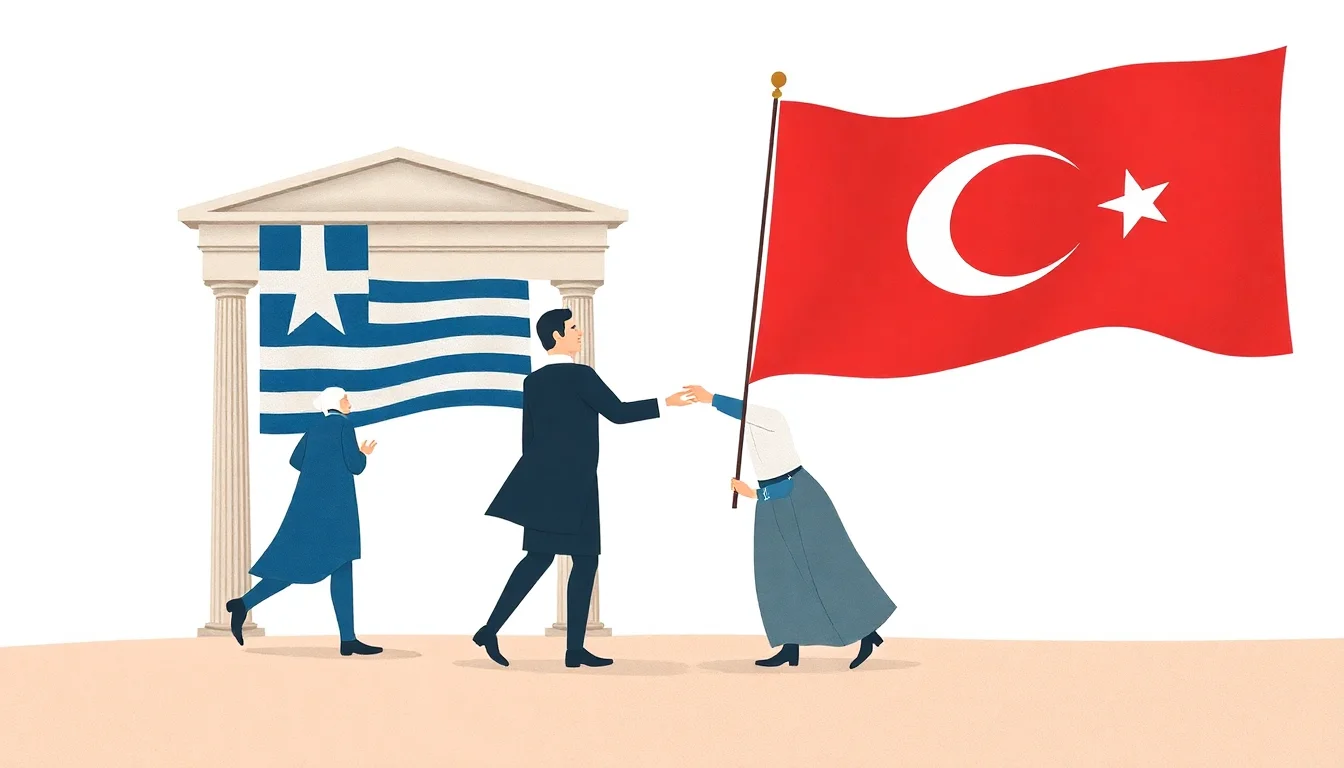
The relationship between Greece and Turkey is a multifaceted and contentious one, spanning centuries of conflict and cooperation. From the Ottoman Empire's conquest of Constantinople in 1453 to the modern-day disputes over Cyprus and maritime borders, the two nations have a long history of clashing interests. Despite this, they have also found common ground in areas such as trade and tourism, with Greece being one of Turkey's largest trading partners. However, recent tensions over energy exploration in the Eastern Mediterranean have raised concerns about the potential for conflict. With a combined population of over 100 million people and a strategic location at the crossroads of Europe, Asia, and Africa, the Greece-Turkey dynamic has significant implications for regional stability and global politics. As the two nations continue to navigate their complex relationship, the world watches with bated breath, wondering what the future holds for these two ancient foes. The vibe score for this topic is 8, reflecting the high level of cultural and historical energy surrounding the Greece-Turkey dynamic.
🌍 Introduction to Greece and Turkey
The relationship between Greece and Turkey is a complex and multifaceted one, with a long history of conflict and cooperation. The two countries have been at odds over various issues, including Greece's entry into the European Union and Turkey's bid to join the EU. Despite these tensions, the two nations have also made significant strides in recent years to improve their relations, including the signing of a EU-Turkey agreement in 2016. However, the Cyprus dispute remains a major point of contention between the two countries. The United Nations has been involved in efforts to resolve the dispute, but a lasting solution has yet to be found. The European Union has also played a key role in promoting dialogue and cooperation between Greece and Turkey.
🏛️ Historical Background: Ancient Civilizations
The historical background of Greece and Turkey is marked by the presence of ancient civilizations, including the Ancient Greeks and the Byzantine Empire. The Ottoman Empire, which once spanned parts of Europe, Asia, and Africa, also played a significant role in shaping the modern-day borders of Greece and Turkey. The Greeks and Turks have a long and complex history of interaction, with periods of cooperation and conflict. The Fall of Constantinople in 1453 marked the beginning of Ottoman rule in the region, which lasted for nearly 400 years. The Greek War of Independence in 1821 led to the establishment of an independent Greek state, while the Turkish War of Independence in the early 20th century resulted in the founding of modern-day Turkey.
🌊 The Aegean Dispute: A Source of Tension
The Aegean dispute between Greece and Turkey is a major source of tension between the two countries. The dispute centers on the delimitation of maritime boundaries in the Aegean Sea, as well as the air traffic control of the region. Greece and Turkey have also disagreed over the military activities of each country in the Aegean, with Greece accusing Turkey of aggressive behavior. The UN Convention on the Law of the Sea provides a framework for resolving such disputes, but the two countries have yet to reach a mutually acceptable agreement. The European Union has encouraged both sides to engage in dialogue and find a peaceful resolution to the dispute. The NATO alliance has also played a role in promoting stability and cooperation in the region.
🚢 Cyprus: A Divided Island
The island of Cyprus is a major point of contention between Greece and Turkey. The island has been divided since the Turkish invasion of Cyprus in 1974, with the internationally recognized Republic of Cyprus controlling the southern two-thirds of the island and the Turkish Republic of Northern Cyprus occupying the northern third. The United Nations has maintained a peacekeeping force on the island since 1964, and has been involved in efforts to resolve the dispute. The European Union has also played a key role in promoting a settlement, with Cyprus joining the EU in 2004. However, a lasting solution has yet to be found, and the dispute remains a major obstacle to improved relations between Greece and Turkey. The United States has also been involved in efforts to resolve the dispute, with the US State Department encouraging both sides to engage in dialogue.
📊 Economic Interdependence and Cooperation
Despite the tensions between Greece and Turkey, the two countries have a significant amount of economic interdependence. Turkey is one of Greece's largest trading partners, and the two countries have a number of bilateral agreements in place to promote trade and investment. The EU-Turkey customs union has also facilitated trade between the two countries. However, the European financial crisis has had a significant impact on the Greek economy, and the country has had to implement a number of austerity measures to stabilize its finances. The International Monetary Fund has provided financial assistance to Greece, and the European Union has also provided support. The Turkish economy has also experienced significant growth in recent years, driven by a combination of foreign investment and domestic consumption.
🚫 Border Disputes and Military Confrontations
The border between Greece and Turkey has been the site of a number of disputes and confrontations over the years. The two countries have disagreed over the maritime boundaries in the Aegean Sea, as well as the land boundaries between the two countries. There have been a number of incidents of border clashes between Greek and Turkish forces, particularly in the Evros region. The NATO alliance has played a role in promoting stability and cooperation in the region, and the European Union has encouraged both sides to engage in dialogue and find a peaceful resolution to the dispute. The United Nations has also been involved in efforts to resolve the dispute, and has maintained a presence in the region to monitor the situation.
🕊️ Diplomatic Efforts and International Involvement
Despite the challenges in the relationship between Greece and Turkey, there have been a number of diplomatic efforts to improve relations between the two countries. The European Union has played a key role in promoting dialogue and cooperation between Greece and Turkey, and the NATO alliance has also been involved in efforts to promote stability and cooperation in the region. The United Nations has maintained a presence in the region, and has been involved in efforts to resolve the Cyprus dispute. The United States has also been involved in efforts to resolve the dispute, and has encouraged both sides to engage in dialogue. The German government has also played a key role in promoting dialogue and cooperation between Greece and Turkey, and has provided significant financial support to both countries.
🔜 Future Prospects and Challenges
Looking to the future, there are a number of challenges and opportunities in the relationship between Greece and Turkey. The Cyprus dispute remains a major obstacle to improved relations between the two countries, and a lasting solution has yet to be found. However, there are also a number of areas where Greece and Turkey can cooperate, including energy and transportation. The European Union has encouraged both sides to engage in dialogue and find a peaceful resolution to the dispute, and the NATO alliance has also played a role in promoting stability and cooperation in the region. The United States has also been involved in efforts to resolve the dispute, and has encouraged both sides to engage in dialogue. The Chinese government has also been involved in efforts to promote cooperation between Greece and Turkey, and has provided significant investment in both countries.
📰 Media Representation and Public Opinion
The media representation of the relationship between Greece and Turkey is often characterized by sensationalism and nationalism. The Greek media often portrays Turkey as an aggressor, while the Turkish media often portrays Greece as intransigent. However, there are also a number of independent media outlets in both countries that provide a more nuanced and balanced view of the relationship. The social media has also played a significant role in shaping public opinion on the issue, with many people using platforms like Twitter and Facebook to express their views. The European Union has encouraged both sides to promote a more balanced and nuanced view of the relationship, and has provided support for independent media outlets in both countries.
👥 Societal Impacts and Human Rights
The societal impacts of the relationship between Greece and Turkey are significant, with many people in both countries affected by the tensions and disputes between the two nations. The Cyprus dispute has resulted in the displacement of many people, and the border disputes between Greece and Turkey have also had a significant impact on local communities. The human rights situation in both countries has also been affected by the relationship, with many people in both countries facing discrimination and persecution. The European Union has encouraged both sides to promote human rights and democracy, and has provided support for civil society organizations in both countries. The United Nations has also been involved in efforts to promote human rights and democracy in the region.
🤝 Cultural Exchange and People-to-People Diplomacy
Despite the challenges in the relationship between Greece and Turkey, there are also a number of opportunities for cultural exchange and people-to-people diplomacy. The European Union has encouraged both sides to promote cultural exchange and people-to-people diplomacy, and has provided support for cultural events and exchanges between the two countries. The Turkish culture has had a significant impact on Greek culture, and vice versa, with many people in both countries sharing a common heritage. The Greek culture has also had a significant impact on Turkish culture, with many people in Turkey studying Ancient Greek and Byzantine history. The United States has also been involved in efforts to promote cultural exchange and people-to-people diplomacy between Greece and Turkey, and has provided support for cultural events and exchanges between the two countries.
Key Facts
- Year
- 2023
- Origin
- Vibepedia
- Category
- International Relations
- Type
- Country Pair
Frequently Asked Questions
What is the main point of contention between Greece and Turkey?
The main point of contention between Greece and Turkey is the Cyprus dispute, which has been ongoing since the Turkish invasion of Cyprus in 1974. The dispute centers on the division of the island between the internationally recognized Republic of Cyprus and the Turkish Republic of Northern Cyprus. The United Nations has maintained a peacekeeping force on the island since 1964, and has been involved in efforts to resolve the dispute. The European Union has also played a key role in promoting a settlement, with Cyprus joining the EU in 2004.
What is the current state of economic relations between Greece and Turkey?
The current state of economic relations between Greece and Turkey is characterized by a significant amount of interdependence. Turkey is one of Greece's largest trading partners, and the two countries have a number of bilateral agreements in place to promote trade and investment. The EU-Turkey customs union has also facilitated trade between the two countries. However, the European financial crisis has had a significant impact on the Greek economy, and the country has had to implement a number of austerity measures to stabilize its finances.
What role has the European Union played in promoting relations between Greece and Turkey?
The European Union has played a key role in promoting relations between Greece and Turkey, particularly in the areas of trade and investment. The EU has encouraged both sides to engage in dialogue and find a peaceful resolution to the Cyprus dispute, and has provided support for civil society organizations in both countries. The EU has also facilitated the signing of a number of bilateral agreements between Greece and Turkey, including the EU-Turkey agreement in 2016.
What is the current state of diplomatic relations between Greece and Turkey?
The current state of diplomatic relations between Greece and Turkey is characterized by a number of challenges and opportunities. The two countries have a number of diplomatic missions in each other's capitals, and have engaged in a number of diplomatic efforts to improve relations. However, the Cyprus dispute remains a major obstacle to improved relations between the two countries, and a lasting solution has yet to be found.
What role has the United States played in promoting relations between Greece and Turkey?
The United States has played a significant role in promoting relations between Greece and Turkey, particularly in the areas of security and energy. The US has encouraged both sides to engage in dialogue and find a peaceful resolution to the Cyprus dispute, and has provided support for civil society organizations in both countries. The US has also facilitated the signing of a number of bilateral agreements between Greece and Turkey, including the US-Greece agreement in 2019.
What are the prospects for future cooperation between Greece and Turkey?
The prospects for future cooperation between Greece and Turkey are significant, particularly in the areas of energy and transportation. The two countries have a number of bilateral agreements in place to promote cooperation in these areas, and have engaged in a number of joint projects to develop their energy and transportation infrastructure. The European Union has also encouraged both sides to engage in dialogue and find a peaceful resolution to the Cyprus dispute, which remains a major obstacle to improved relations between the two countries.
What is the current state of public opinion on the relationship between Greece and Turkey?
The current state of public opinion on the relationship between Greece and Turkey is characterized by a number of challenges and opportunities. The Greek public is generally skeptical of Turkey's intentions, while the Turkish public is generally skeptical of Greece's intentions. However, there are also a number of people in both countries who are in favor of improved relations and cooperation between the two nations. The social media has played a significant role in shaping public opinion on the issue, with many people using platforms like Twitter and Facebook to express their views.